
Fortschreibung und Erweiterung des Kulturlandschaftsprojektes Mittelsachsen

Auftraggeber:
Landkreis Mittelsachsen
Laufzeit:
12/2025 - 11/2027
Projektteam:
TU Dresden (Prof. Dr. C. Schmidt, Dr. K. Seidler, Tom Leukefeld M. Sc.)
Ziele des Forschungsvorhabens:
webbasierte Fortschreibung und Aktualisierung des KULAP (2014) des Landkreises Mittelsachsen in den Aspekten:
- Kulturlandschaftstypik
- Bau- und Grünfibel
- Klimaanpassung
- Energieinfrastruktur und Landschaftsbild
Projektbeschreibung:
Ein Kulturlandschaftsprojekt (KULAP 2014 – ) für den Landkreis Mittelsachsen wurde von der Professur bereits vor mehr als 10 Jahren erarbeitet. Davon ausgehend hat der Landkreis in den Folgejahren konzeptionell weitergearbeitet, so dass nunmehr vertiefende planerische Grundlagen (u. a. Biotopverbundfibel 2021, Bau- und Grünfibel 2023, Integriertes Klimaschutzkonzept 2025) vorliegen. Gleichzeitig sind Bestandsaufnahmen des KULAP (2014) als veraltet anzusehen. So liegen bspw. neue Klimaprojektionen vor, anhand derer die Vulnerabilität der Kulturlandschaften Mittelsachsens gegenüber Extremereignissen neu bewertet werden muss und hat sich der Anteil von Anlagen zur Erzeugung Erneuerbarer Energien in den letzten 10 Jahren massiv erhöht. Auch 2014 kartierte historische Kulturlandschaftselemente können mittlerweile verloren gegangen sein.
Vor diesem Hintergrund soll das KULAP 2014 auf Basis einer neuen Bestandsaufnahme und darauf abgestellte Bewertung aktualisiert und fortgeschrieben werden, wobei auch die 2014 vorgeschlagenen Schlüsselprojekte im Zuge eines Monitorings auf ihre Umsetzung und auch Gründe zur Nichtumsetzung hin überprüft werden sollen, um sie ggf. anzupassen und durch neue Projektideen zu ergänzen.
Im Modul Kulturlandschaftstypik werden die Erkenntnisse aus dem KULAP 2014 auf Aktualisierungsbedarf und das Vorliegen neuerer Datenquellen, die eine Aktualisierung auch erlauben, hin überprüft. Zudem wird ein Konzept für eine webbasierte Präsentation der Ergebnisse entwickelt. Über eine Übersichtskarte der „historischen Karten besonderer Eigenart“ des Landkreises sollen künftig vertiefende Karten zur spezifischen Eigenart und Typik dieser Landschaften downloadbar sein.
Das Modul Ergänzung zur Bau- und Grünfibel hat die Erweiterung der 2023 veröffentlichten Bau- und Grünfibel des Landkreises um Leitlinien für die Entwicklung der 2014 identifizierten und in Steckbriefen beschriebene fünf Stadttypen zum Ziel. Entwicklungsleitlinien und Strategien in Bezug auf Baukultur sowie Stadt- und Grünstruktur, die sich aus dem jeweiligen Typus und den für ihn charakteristischen Stadtbausteinen ergeben, werden anschaulich aufbereitet.
Insbesondere in Bezug auf Windenergie- und PV-Anlagen ist der Bestand an Energie-Infrastruktur im Modul Energie (bspw. auf Basis einer GIS-basierten Berechnung der aktuellen Horizontverstellung durch Windenergieanlagen oder der GIS-basierten Ermittlung der Dichte von Anlagen zur Erzeugung Erneuerbarer Energien) zu aktualisieren und sind auch die landschaftlichen Auswirkungen neu zu bewerten. Gegenüber dem KULAP 2014 sollen die Betrachtungen um technogene Überprägungen auch durch Mobilfunkmasten sowie neue Formen von PV-Anlagen (v. a. Agri-PV-Anlagen) erweitert werden.
Entscheidend für das Modul Klimaanpassung ist, dass mittlerweile seitens des LfULG andere Klimamodelle vorliegen als 2014, die eine Neubewertung der klimatischen Exposition des Landkreises notwendig machen. Aktualisierungs- und Fortschreibungsbedarf besteht insbesondere in den Themenfedern Vulnerabilität der Ackerflächen in Dürreperioden oder bei Starkregen sowie in Bezug auf die Vulnerabilität von Wäldern gegenüber Trockenstress und in der Folge Sturmwurf, Waldbrand und Insektenkalamitäten.
Im Ergebnis werden im Modul Strategien und Projekte die bestehenden Leitbilder für die Kulturlandschaften des Landkreises überprüft, ggf. angepasst und webbasiert zugänglich gemacht. Darüber hinaus werden unter Beteiligung von Akteuren des Landkreises thematische Leitlinien und Strategien sowie Schlüsselprojekte zur künftigen Kulturlandschaftsentwicklung ergänzt.
Projektmitarbeiter:innen:
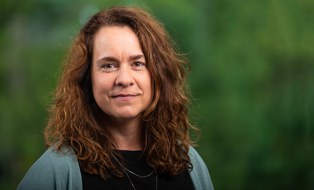 © Sven Ellger
wissenschaftl. Mitarbeiterin; Erasmus-Fachbereichskoordinatorin
NameFrau Dr.-Ing. Kathrin Seidler
Eine verschlüsselte E-Mail über das SecureMail-Portal versenden (nur für TUD-externe Personen).
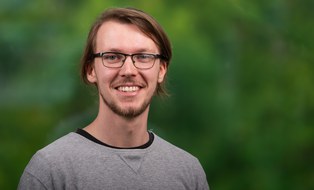 © Sven Ellger
Wissenschaftlicher Mitarbeiter
NameHerr Tom Leukefeld M. Sc.
Eine verschlüsselte E-Mail über das SecureMail-Portal versenden (nur für TUD-externe Personen).