
Verlassene Landschaften in Polesien (Ukraine) resilient entwickeln (LaRe)
Auftraggeber:
Deutsche Bundesstiftung Umwelt (DBU)
Laufzeit:
01.03.2026 – 29.02.2028
Projektteam:
TU Dresden (Prof. Dr. C. Schmidt, Dr. O. Golubtsov)
Restart Agency, Ukraine (O. Shevchenko)
Projektbeschreibung:
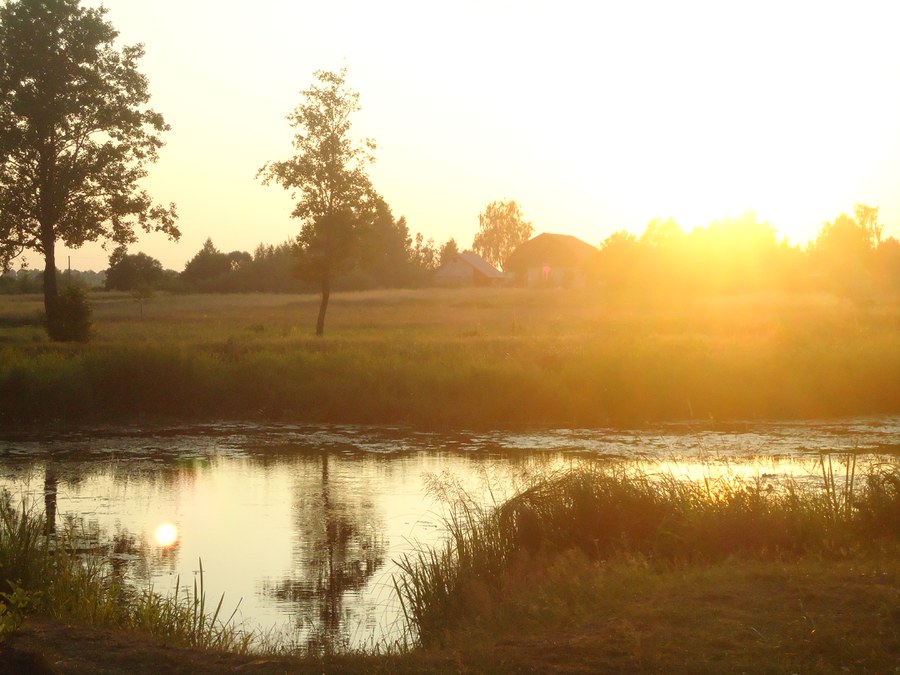
In Polesien (Nordukraine) hat der Krieg das natürliche und kulturelle Landschaftserbe schwer beschädigt und bestehende Umweltprobleme infolge der Tschernobyl-Katastrophe, großflächiger Meliorationen sowie intensiver Forst- und Landwirtschaft stark verschärft. Die Verödung Polesiens hat sich durch zerstörte Siedlungen, Entvölkerung und die Aufgabe von Ackerflächen verstärkt; zugleich stehen einzelne Gemeinden unter wachsendem anthropogenem Druck durch die Aufnahme von Binnenvertriebenen und verlagerten Produktionskapazitäten. Die kumulative Wirkung natürlicher und anthropogener Störungen destabilisiert die mosaikartigen Landschaften Polesiens, die gegenüber Eingriffen besonders sensibel sind. Dies ist besonders kritisch, da Polesien zentrale wasserregulierende und naturschutzfachliche Funktionen erfüllt und – vor allem im Einzugsgebiet des Dnipro – national bedeutsam für Wasserhaushalt, Biodiversität und Ökosystemleistungen ist (hoher Anteil an Schutzgebieten und Smaragdgebieten, Emerald Network).
Die Landschaftsplanung ist als Bestandteil der kommunalen räumlichen Planung verankert und gilt als potenziell wirksames Instrument zur Integration ökologischer Anforderungen und zur Stärkung der Resilienz der Landschaften. Aufgrund der Neuheit dieses Instruments in der Ukraine (gesetzlich seit 2021) fehlen jedoch praktische Erfahrungen und methodisches Know-how; zudem sind die Interpretation der Ergebnisse sowie Mechanismen ihrer Überführung in umsetzbare Vorhaben – einschließlich einer wirksamen Öffentlichkeitsbeteiligung – bislang unzureichend ausgearbeitet.
Ziele des Forschungsvorhabens:
Ziel von LaRe ist die Entwicklung eines innovativen, übertragbaren Modells der Landschaftsplanung für die von Bevölkerungsrückgang, Degradierungen und kriegsbedingten Schäden betroffenen Landschaften Polesiens (Nordukraine), um ihre Resilienz zu stärken, die Multifunktionalität zu sichern und so einen Beitrag zum Natur- und Gewässerschutz zu leisten. Das Vorhaben zielt auf die Verringerung typischer Umweltrisiken, insbesondere: Störungen des Wasserhaushalts sowie Degradierung von Feuchtgebieten und Agrarlandschaften; Fragmentierung von Biotopen und Verlust der Biodiversität; Verlust klimaregulierender Funktionen. Der erwartete Effekt wird durch die frühzeitige Identifikation von Risiken für die Resilienz der Landschaften und die Vorbereitung entsprechender Maßnahmen in Landschaftsplänen erreicht. Die Ergebnisse sollen lokal in die Planungs- und Entscheidungsprozesse von rund 200 Gemeinden in Polesien integriert werden.
Im Rahmen des Projekts werden standardisierte und reproduzierbare Ansätze der digitalen Planung entwickelt. Diese basieren auf GIS-gestützten Modellen zur Bewertung zentraler Landschaftsfunktionen und ermöglichen die Erstellung digitaler Landschaftspläne. Die konsolidierten Ergebnisse werden als WebGIS in Form eines Referenzmodells sowie eines Leitfadens für kommunale Planungs- und Entscheidungsträger aufbereitet – zur Anwendung in über 200 Gemeinden Polesiens.
Link zur Website der DBU
Projektmitarbeiter:
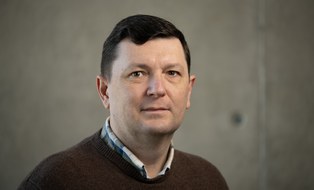 © Sven Ellger
wissenschaftlicher Mitarbeiter
NameHerr Dr. Oleksandr Golubtsov
Eine verschlüsselte E-Mail über das SecureMail-Portal versenden (nur für TUD-externe Personen).