
Bremsen der Schienenfahrzeuge
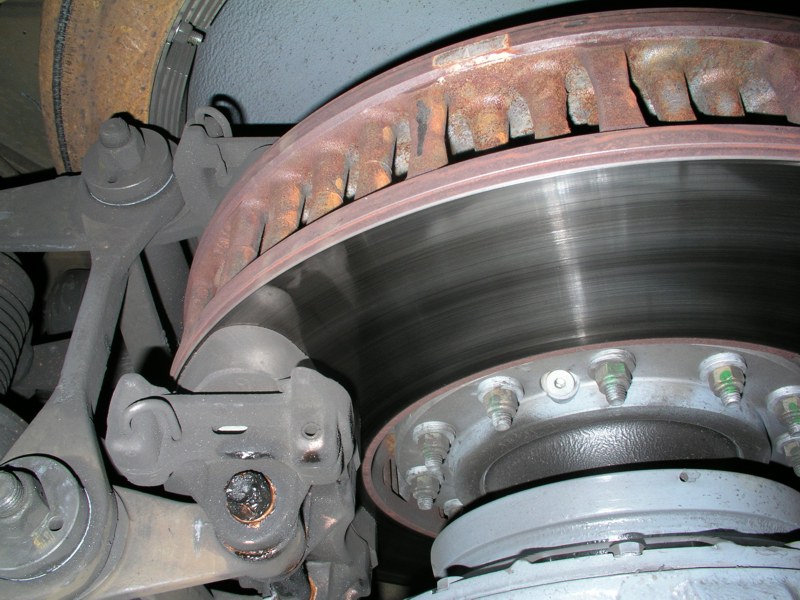
Zuverlässige und funktionstüchtige Bremsen der Schienenfahrzeuge sind eine wichtige Voraussetzung für den sicheren Eisenbahnverkehr. Dazu bedarf es einer zweckentsprechenden Auslegung und Prüfung der Bremsen. Die Grundlagen werden dafür vermittelt.
Darauf aufbauend wird der Systemzusammenhang zwischen der bedarfsgerechten Auslegung der Bremsen und der betrieblichen Bewertung des Bremsvermögens für den herkömmlichen und den Hochgeschwindigkeitsverkehr hergestellt.
Das europäische Brems-Management auf Basis ETCS für die Zugsteuerung durch die Berechnung der Bremsablaufkurven wird vorgestellt.
Hauptinhalte
- Charakterisierung der Energieumwandlungsmaschinen
- Kraftschlusstheorie Rad/Schiene beim Bremsvorgang
- Tribologische Eigenschaften der Reibpaarungen
- Mechanik des Bremsvorganges
- Regelungsmechanismen der Bremssteuerung
- Strömungsmechanik der Druckluftbremse
- Konstruktion und Auslegung der Reibungs- und dynamischen Bremsen
- Bewertung des Bremsvermögens von Fahrzeugen und Zügen
- Bremsbetrieb und Bremsprüfungen
- Bremstechnik der Hochgeschwindigkeitszüge
Zeit / Ort
Lehrveranstaltungstermine und -orte werden via OPAL bekannt gegeben.
Interessentinnen und Interessenten können sich dazu in den OPAL-Kurs "Bremsen der Schienenfahrzeuge" einschreiben.
Dozenten
Dipl.-Ing. Fred Kupfer
Literatur
- Downloads zur Vorlesung
- Dieter Jaenichen (Hrsg.): Bremstechnik von Eisenbahnfahrzeugen, GRT Global Rail Academy and Media GmbH
- Grundlagen der Schienenfahrzeugbremse, AET 43 Archiv für Eisenbahntechnik, Hestra-Verlag
- Grundausrüstungen, Kap. 3 Bremsanlagen, transpress, Verlag für Verkehrswesen
- DIN EN 14531: Verfahren zur Berechnung der Anhalte- und Verzögerungsbremswege und der Feststellbremsung
- DIN EN 13452: Bremsen-Bremssysteme des öffentlichen Nahverkehrs