
Nov 27, 2026
Else Kröner Medical Scientist College ONCOnnect secures second funding phase
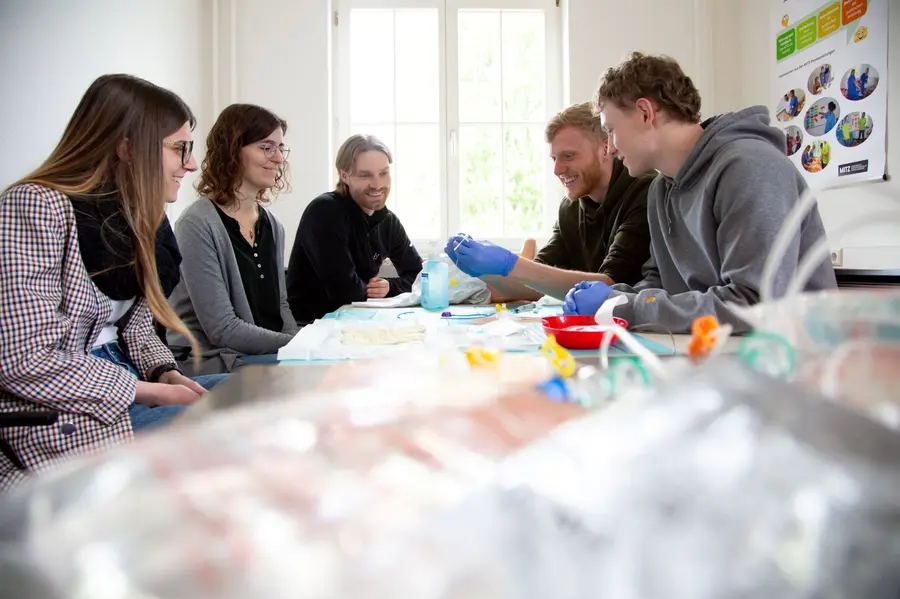
Success for early-career oncology research in Dresden: The Else Kröner-Fresenius-Stiftung will continue to support the ONCOnnect Medical Scientist College at the Faculty of Medicine at TUD Dresden University of Technology (MF-TUD) for a second funding phase. Through 2031, ONCOnnect will receive approximately EUR 1.1 million. The program trains early-career researchers at the intersection of basic cancer research and clinical practice, strengthening the translation of scientific discoveries into diagnostics and therapies.
Personalized cancer treatment requires research that connects biological insights, technological innovation, and clinical reality. The Else Kröner Medical Scientist College ONCOnnect at the TUD Faculty of Medicine prepares scientists from the natural sciences for translational oncology research as early as the doctoral stage, equipping them with the skills needed to transform scientific advances into new diagnostic and therapeutic approaches.
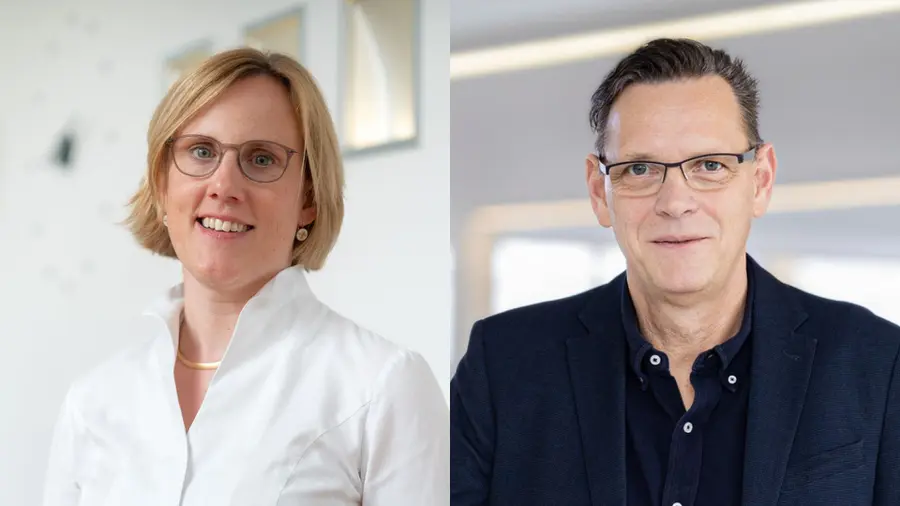
ONCOnnect spokesperson: Prof. Esther Troost and Prof. Frank Buchholz.
“ONCOnnect combines outstanding oncology research with clinical translation, thereby strengthening the very connection that defines our faculty’s research profile,” says Prof. Esther Troost, Dean of the TUD Faculty of Medicine and ONCOnnect spokesperson. “The continuation of the program is an important endorsement of our commitment to supporting early-career researchers. We train Medical Scientists who can understand complex questions across disciplines, think from a patient-centered perspective, and translate scientific discoveries into improved patient care.”
Tandems for personalized oncology
To achieve this goal, ONCOnnect pairs early-career researchers from biology, bioengineering, physics, and computer science in tandems with physicians. In addition to their academic training, doctoral researchers gain direct insight into clinical workflows, patient care, and translational research requirements through collaboration with industry partners. The curriculum provides medical knowledge, an understanding of clinical challenges, and, most importantly, a common language across disciplines. As a result, doctoral projects can be oriented toward future clinical and industrial applications from the outset.
During its first funding phase, ONCOnnect established a structured, patient-centered doctoral training program for Medical Scientists at the Faculty of Medicine within the Dresden School of Clinical Science (DSCS). This program lays the foundation for sustainable career paths in translational oncology research.
Four translational research tracks expand the program
In its second funding phase, beginning on April 1, 2027, the consortium will expand to include additional oncology disciplines and scientific focus areas. New clinics and institutes within Dresden University Medicine, along with a new generation of principal investigators, will contribute to the program.
The Cancer Immunology Track brings together the expertise of Prof. Roger Geiger from the Institute of Immunology and Prof. Denis Schewe from the Center for Pediatric Oncology. Both researchers are highly experienced in developing novel immunological therapeutics and will further strengthen the faculty's immunology research focus.
In the Cancer Genetics Track, Dr. Shady Sayed of the Mildred Scheel Early Career Center (MSNZ) and Prof. Diana Le Duc, the newly appointed Director of the Institute of Clinical Genetics, will combine their complementary expertise in genetic precision tools and clinical genome analysis. Together, they investigate targeted genetic mutation correction as a basis for personalized therapeutic strategies.
The Cancer Mechanics Track unites Dr. Anna Taubenberger from the Center for Molecular and Cellular Bioengineering (CMCB) and Prof. Christian Thomas from the Department of Urology. They will study the role of the biomechanical properties of cancer cells and their therapeutic potential.
With the Cancer Outcomes Track, ONCOnnect also integrates public health research into the program. Prof. Susan Garthus-Niegel, newly appointed to the Institute and Department of Occupational and Social Medicine, and Dr. Christina Jentsch from the Department of Radiation Oncology will examine factors that influence treatment outcomes in adolescents and young adults (AYAs) with cancer. This track strengthens patient-centered care and quality of life research for this important patient group.
Practice-oriented training with a patient-centered perspective
During the first funding phase, collaboration between Medical Scientists and Clinician Scientists at different career stages has proven particularly valuable. In addition to fostering the development of early-career researchers, it helps bridge basic research, clinical practice, and industry across Dresden University Medicine. Furthermore, the patient advisory board of the National Center for Tumor Diseases (NCT/UCC) Dresden ensures that the perspectives of individuals affected by cancer are incorporated into research and training from the outset.
“For cancer research to be effective, basic science, clinical practice, and industrial development must be closely connected,” explains ONCOnnect spokesperson Prof. Frank Buchholz. “This program establishes a shared framework and encourages young researchers to design their projects with translation in mind from the very beginning. During the second funding phase, we will expand this network and create even more opportunities for innovative ideas that pave the way for new diagnostic and therapeutic approaches.”
About ONCOnnect
The Else Kröner Medical Scientist College ONCOnnect supports early-career researchers who work at the intersection of basic oncology research and clinical practice. The program’s mission is to accelerate the translation of scientific discoveries into new therapies and diagnostic tools.
First funding phase: April 1, 2023 – March 31, 2027
Second funding phase: April 1, 2027 – March 31, 2031 (planned)
Funding volume: EUR 1.1 million
Program spokespersons: Prof. Esther Troost and Prof. Frank Buchholz.
Further Information: ONCOnnect at the TUD Faculty of Medicine
Scientific contact:
Prof. Esther Troost
Dean of the Faculty of Medicine
of TUD Dresden University of Technology
Director of the Department of Radiotherapy and Radiation Oncology, University Hospital Dresden
Prof. Frank Buchholz
Institute for Medical Systems Biology
Carl Gustav Carus Faculty of Medicine
of TUD Dresden University of Technology
Media contact:
Anne-Stephanie Vetter
Public Relations Office Carl Gustav Carus Faculty of Medicine
of TUD Dresden University of Technology
+49 351 458 17903