A New Chapter: Shady Sayed Establishes an Independent Research Group at TU Dresden
Inhaltsverzeichnis
Building on his experience in the Buchholz Lab, Shady Sayed is launching an independent research programme focused on correcting cancer-driving mutations through precision genome editing.
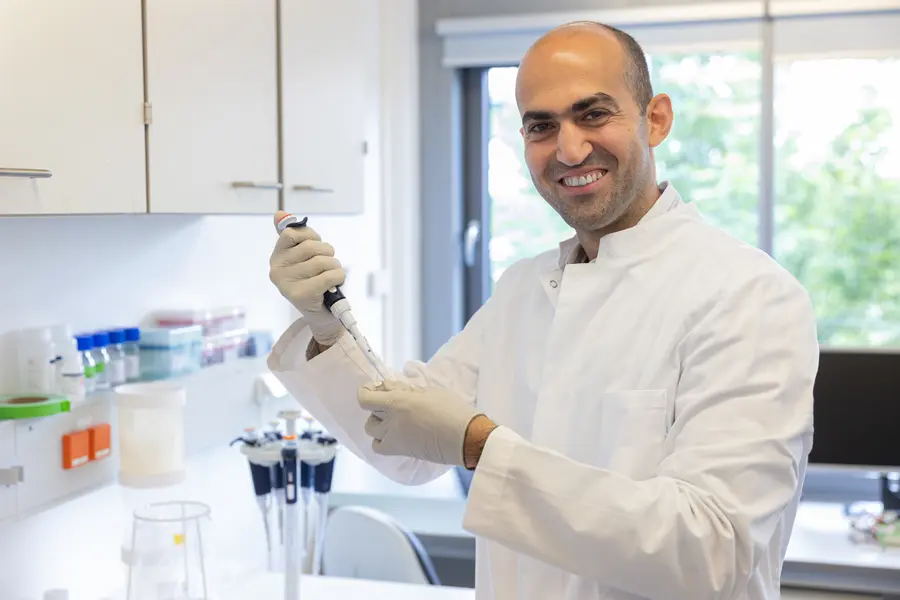
In 2026, Dr. Shady Sayed embarked on an exciting new chapter in his scientific career by establishing his own independent research group at TU Dresden and the University Hospital Carl Gustav Carus. Building on his experience in the Buchholz Lab, he is developing a translational research programme that aims to move beyond targeting cancer-associated mutations towards correcting them directly in tumour cells.
His group, Genome Editing for Precision Oncology, focuses on developing CRISPR-based base-editing strategies to repair cancer-driving mutations in solid and haematological malignancies. A central focus is TP53, one of the most frequently mutated genes in human cancer. By correcting these mutations in their endogenous genomic context, the group aims to restore tumour-suppressive function and investigate whether this can reverse malignant properties of cancer cells.
The research combines precision genome editing with patient-derived tumour organoids, functional genomics and advanced RNA-delivery technologies, including lipid nanoparticles and liposomes. The long-term goal is to develop translationally relevant strategies that bring the correction of cancer-driving mutations closer to therapeutic application.
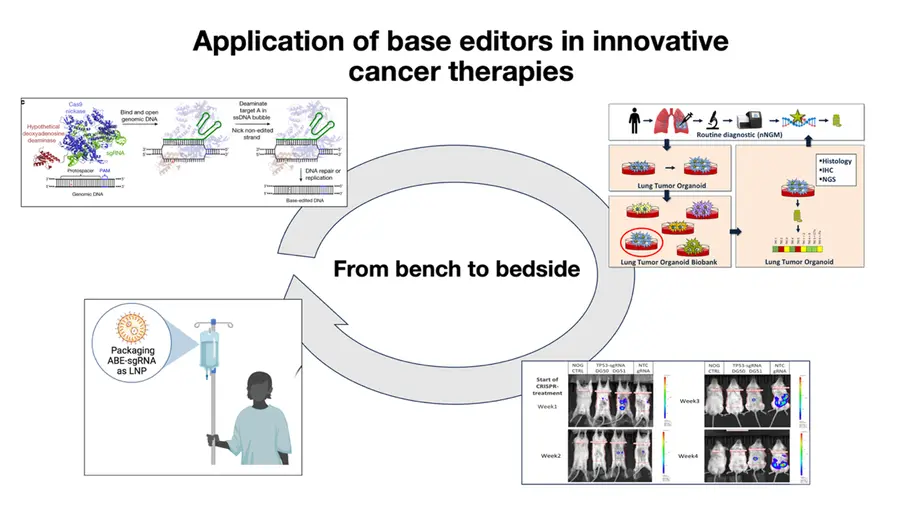
Overview of the research focus at the group of Genome Editing for Precision Oncology
A new group, a shared scientific vision
Establishing an independent group means more than developing a new research programme. It also means building a team, creating a collaborative environment and bringing together people who share a curiosity for challenging scientific questions.
The group's early days have been shaped by discussions about new research directions, experiments at the bench and the collective effort of turning ambitious ideas into practical research projects. A kick-off meeting marked an important opportunity to bring the team together, exchange ideas and establish priorities for the years ahead.
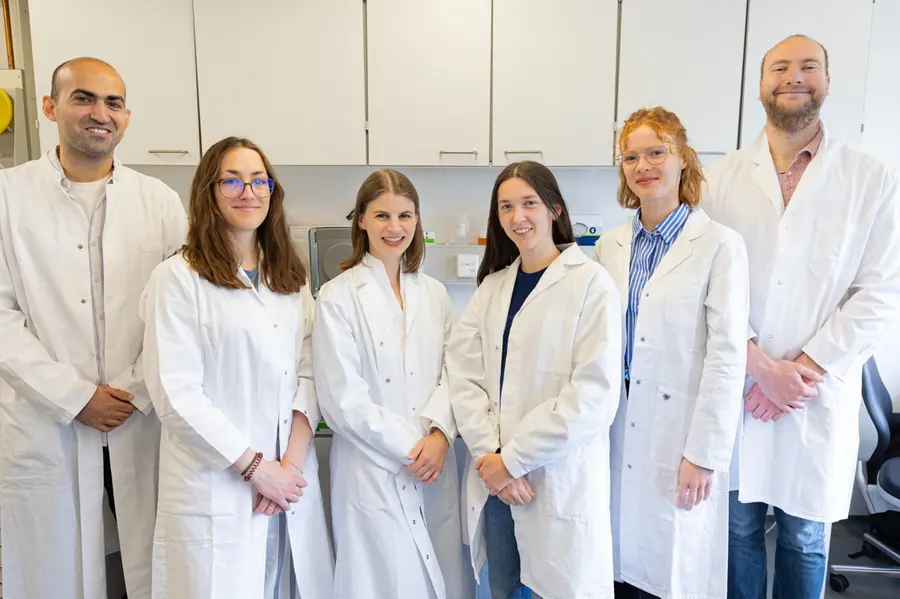
Dr. Shady Sayed (left) with members of his independent research group at TU Dresden.
Teamwork beyond the laboratory
The group's collaborative spirit extends beyond day-to-day research. Taking part in the REWE Team Challenge brought the team together outside the laboratory, while shared pizza dinners and other informal gatherings have provided opportunities to unwind and celebrate milestones.
These moments reflect an important part of building a research group: fostering an environment in which scientific ambition, mutual support and teamwork go hand in hand.
Celebrating scientific milestones
An especially rewarding moment was the successful Master's defence of Solveig Klier, who started as a rotation student and continued with her master thesis as the first member of the group. In her thesis, “Correction and Characterization of TP53 Mutations in Leukemic Cell Lines Utilizing CRISPR Base Editing.” Her work investigated the correction of cancer-associated TP53 mutations using CRISPR base editing and demonstrated the potential of precision genome editing to restore tumour-suppressive function in cancer cells and she earned the highest grade, 1.0.
Following her successful defence, Solveig is continuing with the team as a technician, providing continuity between her Master's research and the group's ongoing work.
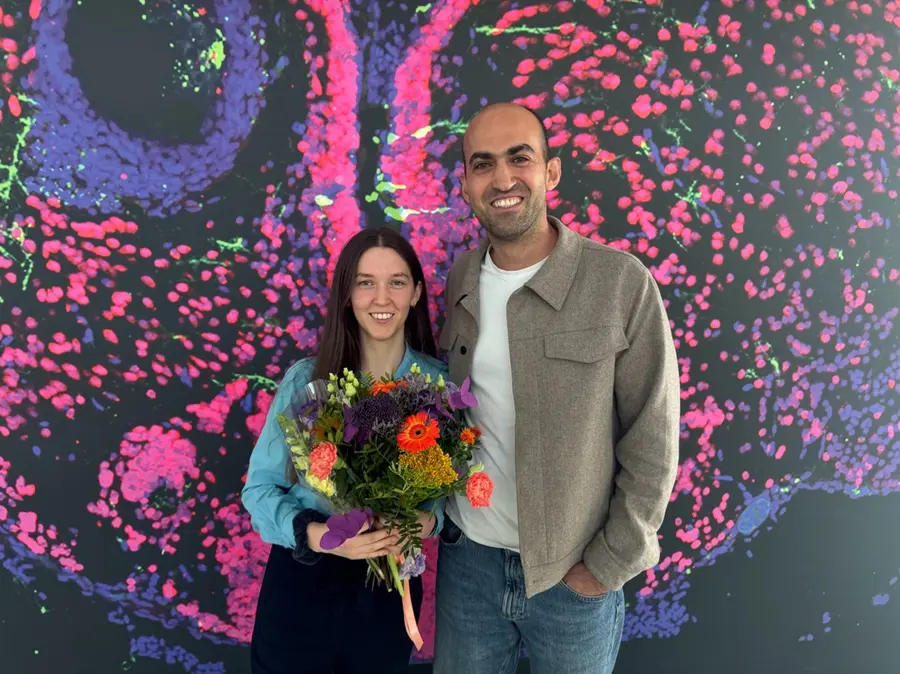
Celebrating Solveig Klier's successful Master's defence and an important milestone in her scientific journey.
Looking ahead
The group is now working towards a central question: Can correcting the mutations that drive cancer restore tumour-suppressive function and create new therapeutic opportunities?
By combining genome editing with patient-derived cancer models and improved delivery technologies, the team aims to investigate how cancer cells respond to the repair of their underlying genetic alterations and how these responses might be harnessed therapeutically.
As the research programme develops, the group will extend its work across different cancer types, with the ambition of establishing mutation correction as a complementary approach to existing cancer treatments.
For Shady and the team, this is the beginning of an exciting new chapter – building on previous scientific experience while developing new ideas, collaborations and opportunities for translational cancer research.
Group members (in alphabetic order)
 © Copyright
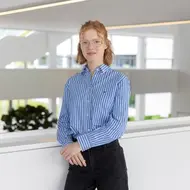
Postdoc
NameClaudia Dagostino
Eine verschlüsselte E-Mail über das SecureMail-Portal versenden (nur für TUD-externe Personen).
 © Copyright
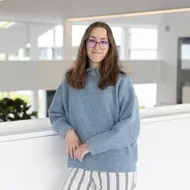
Technical Assistant
NameLeonie Sobieray
Eine verschlüsselte E-Mail über das SecureMail-Portal versenden (nur für TUD-externe Personen).
 © Copyright
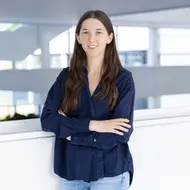
PhD Student
NameLilly Fischer
Eine verschlüsselte E-Mail über das SecureMail-Portal versenden (nur für TUD-externe Personen).
 © Copyright
Technical Assistant
NameSolveig Freda Klier
Eine verschlüsselte E-Mail über das SecureMail-Portal versenden (nur für TUD-externe Personen).
 © Sebastian Rose
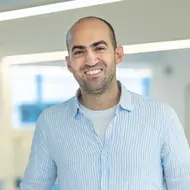
Junior Group Leader
NameShady Sayed
Eine verschlüsselte E-Mail über das SecureMail-Portal versenden (nur für TUD-externe Personen).
List of publications
Wang P, Sayed S, Buchholz F. Restoring Cancer Genomes: Functional Mutation Correction as a Platform for Precision Oncology. Hum Gene Ther. 2026 Aug;37(15-16):663-669. doi: 10.1177/10430342261468973. Epub 2026 Jul 27. PMID: 42504876.
Sayed S, Seidlitz T, Schmidt K, Wang P, Suttorp F, Klier S, Jurisch A, Merkel T, Sürün D, Stange D, Buchholz F. In vivo correction of a TP53 hotspot mutation by base editing induces tumor regression. 2026 May 07, PREPRINT (Version 1) available at Research Square. doi: 10.21203/rs.3.rs-9643229/v1
Wang P, Sen R, Buchholz F, Sayed S. A base editing platform for the correction of cancer driver mutations unmasks conserved p53 transcription programs. Genome Biol. 2025 Jul 22;26(1):217. doi: 10.1186/s13059-025-03667-7. PMID: 40696461; PMCID: PMC12285138.
Schmitt LT, Schneider A, Posorski J, Lansing F, Jelicic M, Jain M, Sayed S, Buchholz F, Sürün D. Quantification of evolved DNA-editing enzymes at scale with DEQSeq. Genome Biol. 2023 Nov 6;24(1):254. doi: 10.1186/s13059-023-03097-3. PMID: 37932818; PMCID: PMC10626641.
Sayed S, Sidorova OA, Hennig A, Augsburg M, Cortés Vesga CP, Abohawya M, Schmitt LT, Sürün D, Stange DE, Mircetic J, Buchholz F. Efficient Correction of Oncogenic KRAS and TP53 Mutations through CRISPR Base Editing. Cancer Res. 2022 Sep 2;82(17):3002-3015. doi: 10.1158/0008-5472.CAN-21-2519. PMID: 35802645; PMCID: PMC9437569.
Sayed S, Sürün D, Mircetic J, Sidorova OA, Buchholz F. Using CRISPR-Cas9 to Dissect Cancer Mutations in Cell Lines. Methods Mol Biol. 2022;2508:235-260. doi: 10.1007/978-1-0716-2376-3_18. PMID: 35737245.
Sayed S, Sürün D, Mircetic J, Sidorova OA, Buchholz F. Using CRISPR-Cas9 to Dissect Cancer Mutations in Cell Lines. Methods Mol Biol. 2022;2508:235-260. doi: 10.1007/978-1-0716-2376-3_18. PMID: 35737245.