
21.09.2026
Botanischer Garten schließt aufgrund von Baumaßnahmen
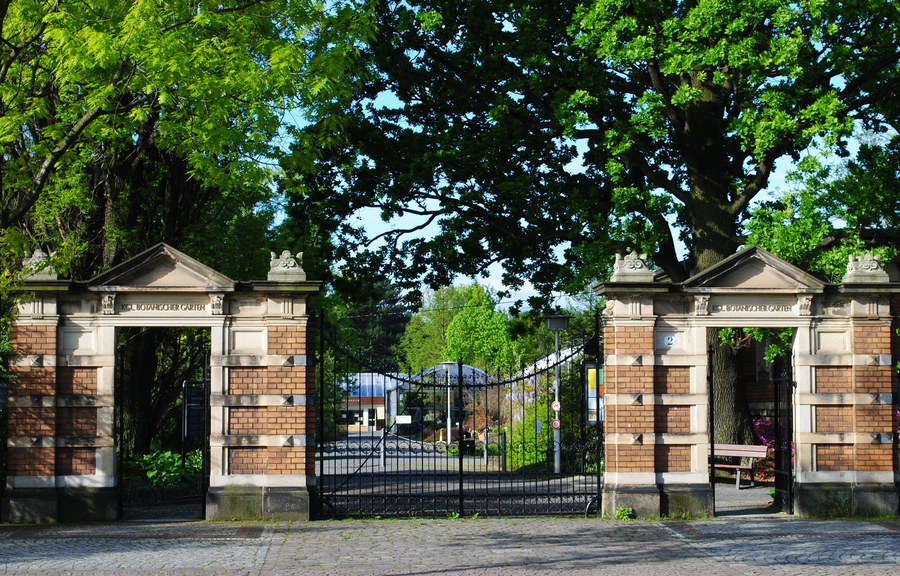
Vom 21.09.2026 bis 28.02.2027 bleibt der Botanische Garten wegen Baumaßnahmen geschlossen.
Aufgrund von Bauarbeiten wird der Botanische Garten vom 21. September 2026 bis zum 28. Februar 2027 für den öffentlichen Besucherverkehr geschlossen. In dieser Zeit führt das Gärtnerteam auch in den Gewächshäusern und im Freiland Reparatur- und Umgestaltungsmaßnahmen durch. Unabhängig davon finden alle für den Zeitraum angekündigten Lehr- und Bildungsveranstaltungen sowie Führungen statt – die Gruppen werden individuell eingelassen. Vom 1. März 2027 bis zum Abschluss der Bauarbeiten im ersten Quartal 2029 wird der Botanische Garten vorübergehend nur über einen temporären Seiteneingang an der Ostseite vom Großen Garten aus für Besucherinnen und Besucher zugänglich sein.
Seit 2022 wird die Neugestaltung des Botanischen Gartens der Technischen Universität Dresden (TUD) geplant. In einem ersten Bauabschnitt wurde 2023 das Geophytenhaus fertiggestellt. In dem Haus wachsen Pflanzen, die ungünstige Jahreszeiten unter der Erde überdauern.
Baumaßnahmen im Umfeld des Eingangsbereiches
Nun folgen in einem zweiten Bauabschnitt drei weitere Baumaßnahmen im Umfeld des Eingangsbereiches an der Stübelallee:
- Das nach Kriegsschäden nur notdürftig wiederaufgebaute ehemalige Inspektorenhaus rechts des Eingangs wird zu einem modernen Herbargebäude um- und ausgebaut. Das Gebäude soll in einem neuen Anbau in Zukunft wissenschaftliche Pflanzensammlungen – Herbarien – beherbergen.
- Auf dem weiterhin mit Sozialräumen für die Gärtner genutzten Souterrain des ehemaligen Direktoriums entsteht in einem Neubau eine neue Elektroenergiezentrale.
- Quer durch den Garten wird ein unterirdischer Kollektorgang gebaut. In diesem sollen künftig sämtliche Versorgungsleitungen zu den Gebäuden und Gewächshäusern verlaufen.
Modernste Versorgungstechnik
Das sächsische Landesherbarium und die wertvolle wissenschaftliche Sammlung lebender Pflanzen, die in Zeiten schwindender Naturräume zum weltweiten Arterhalt beiträgt, werden so für die Lehre und Forschung der nächsten Jahrzehnte gesichert. Zugleich werden mit den Bauarbeiten die Arbeitssicherheit erhöht, gärtnerische Arbeitsabläufe optimiert und der Ressourceneinsatz effizienter gestaltet.
Neben modernster Versorgungstechnik erhalten die Dächer der umgebauten Gebäude Dachbegrünungen und Photovoltaikanlagen. Das Dachwasser wird in den umgestalteten Asienteich geleitet, der bei Starkregen als Rückhaltebecken wirkt, bis das Wasser in Zisternen überläuft, wo es schließlich zum Gießen der Pflanzensammlung zur Verfügung steht.
Für die Maßnahme stehen Mittel aus dem Europäischen Fonds für regionale Entwicklung (EE-EFRE) zur Verfügung, welcher Investitionen zur Verbesserung der energetischen Bilanz für Hochschulbauten und landeseigene Liegenschaften fördert. Die Baumaßnahme wird mitfinanziert durch Steuermittel auf Grundlage des vom Sächsischen Landtag beschlossenen Haushalts.