
VeBTamaN: Economic Vertical Elements Made of Solid Natural Stone as an Ecological Load-Bearing Alternative to Ele-ments Made of Energy-Intensive Materials for Timber-Hybrid Constructions
In cooperation with:
- Chair of Architectural Design and Construction I (EKI), Faculty of Architecture, TUD Dresden University of Technology
- German Natural Stone Association (DNV), Würzburg
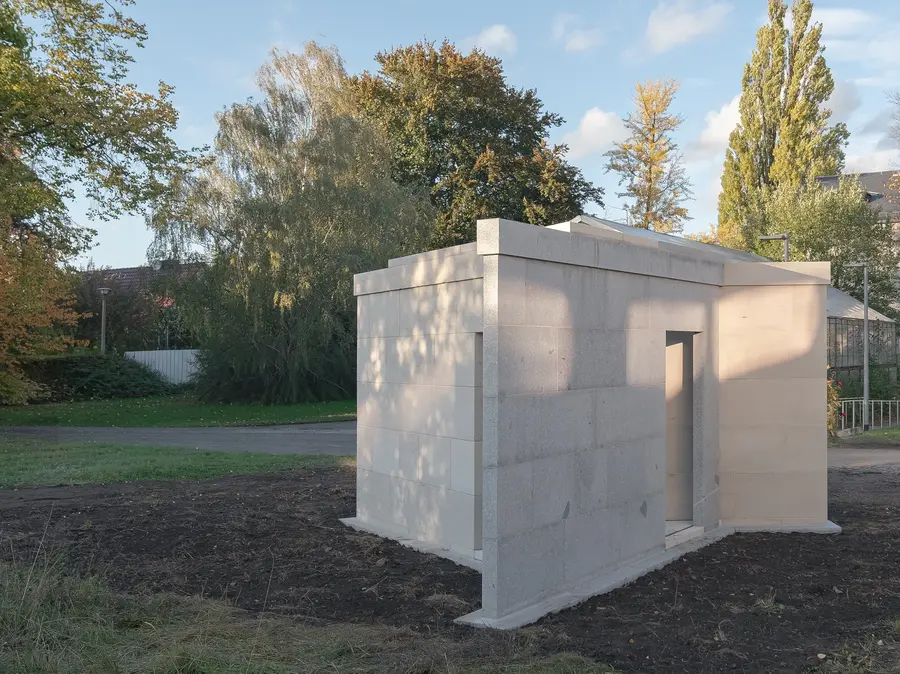
Locally quarried natural stone, when used as a load-bearing construction material, can make a significant contribution to the decarbonization of the construction industry. Its low-energy extraction, high load-bearing capacity, durability, and excellent recyclability make it ideally suited for circular and sustainable construction methods. Natural stone represents a promising alternative to energy- and CO₂-intensive building materials such as reinforced concrete and artificial masonry.
The research project investigates how load-bearing and bracing components made of natural stone can replace CO₂-intensive building materials in hybrid structural systems and aims to significantly reduce the primary energy demand of wood-hybrid structures, thereby creating ecological added value. The project takes a holistic approach to examining how load-bearing natural stone structures can be optimized to be economically competitive with construction methods using concrete and artificial masonry. Aspects such as material properties, component sizes, structural analysis, life cycle assessment, durability, load-bearing behavior, reusability, prefabrication, and both industrial and artisanal jointing and maintenance are being examined.
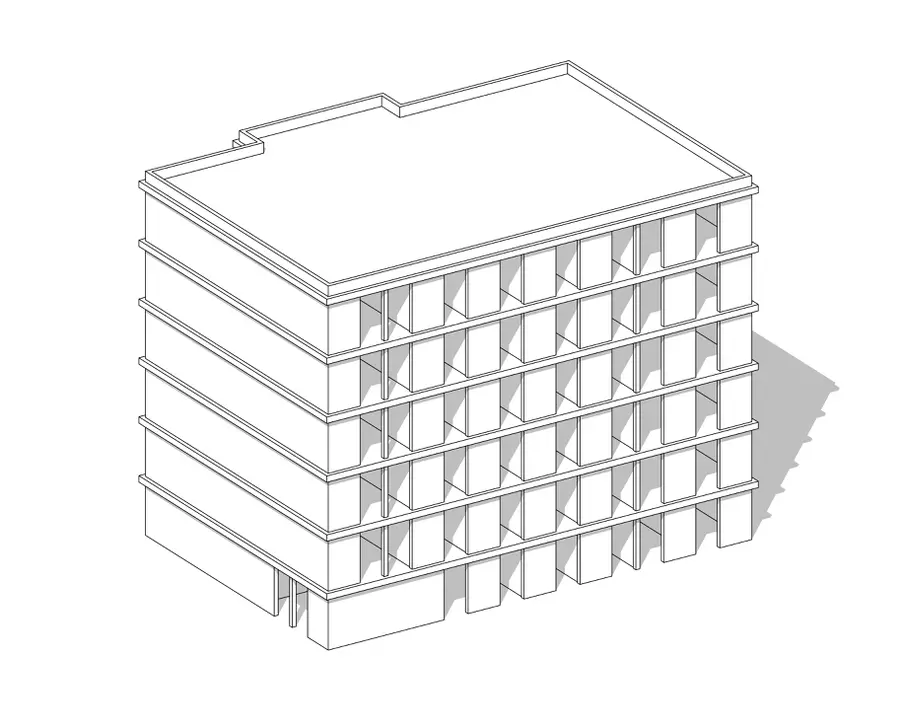
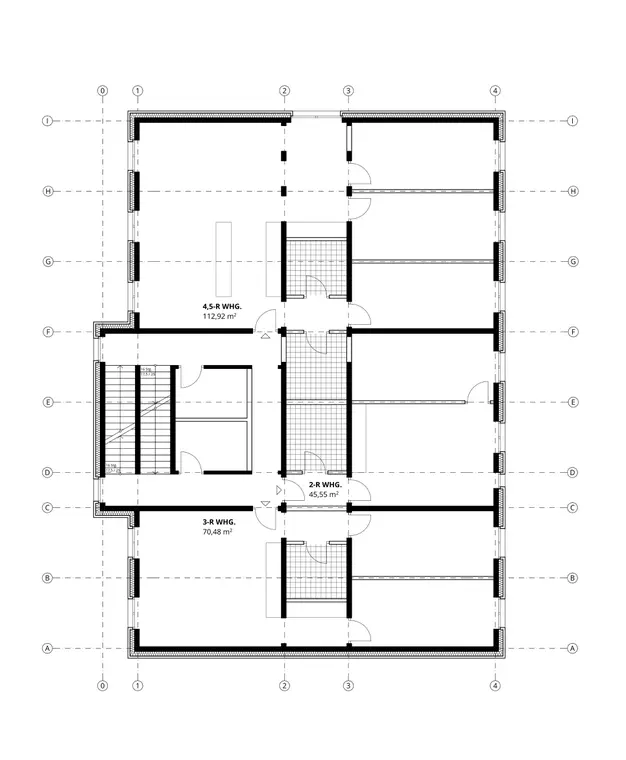
The three types of stone—granite, limestone, and sandstone—which are particularly suitable for load-bearing structures, were examined. A key finding is a sizing system developed in collaboration with stone producers that takes quarry conditions into account and minimizes waste. The cost-effectiveness of load-bearing natural stone structures compared to other solid construction methods was validated using a sample building. To date, the costs for load-bearing walls made of natural stone have been reduced by up to 30%.
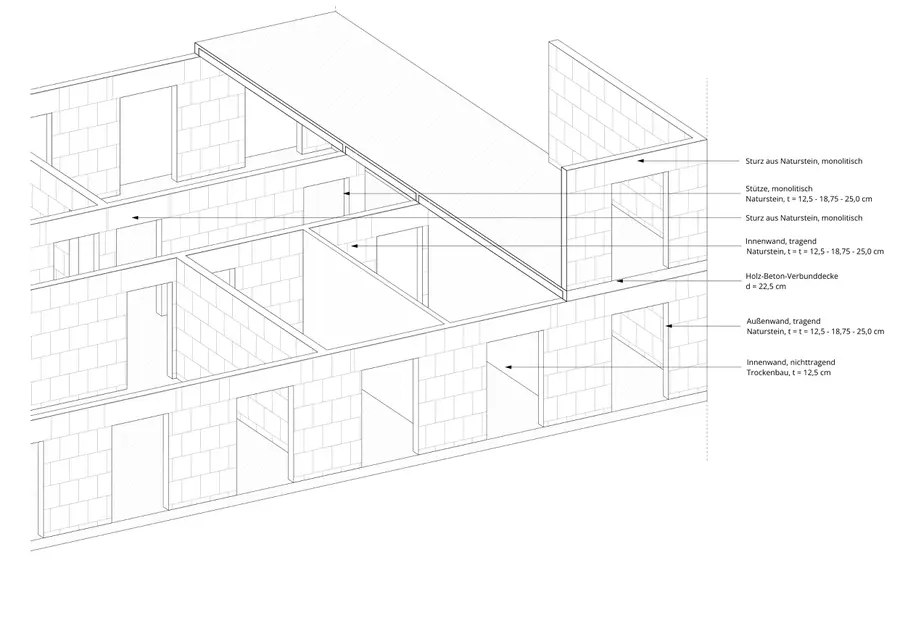
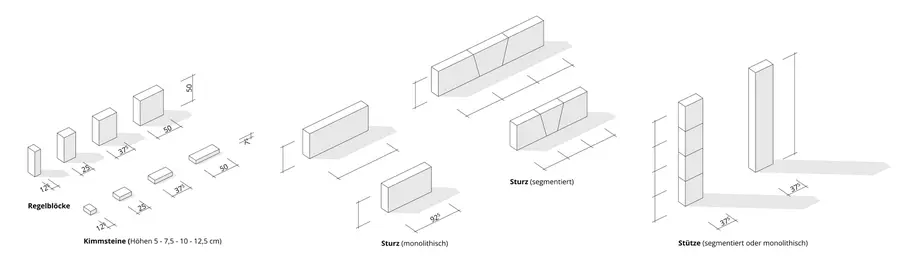
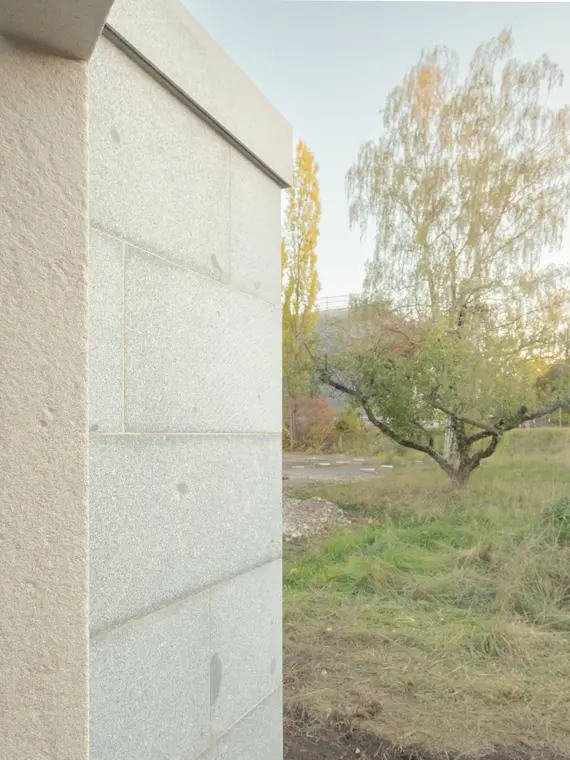
A pavilion at Zelleschen Weg 40, scheduled for completion in October 2026 and located immediately adjacent to the new laboratory building of the Chair of Structural Design, demonstrates the potential of local granite, limestone, and sandstone as standardized building materials for primary load-bearing structures in sustainable buildings. The mock-up illustrates the slenderness of load-bearing walls and columns made of natural stone, their structural design, and the jointing of the solid elements; it also serves as a source of information on the research findings of the project. The insights gained from the planning and construction of the pavilion will be incorporated into the final report.
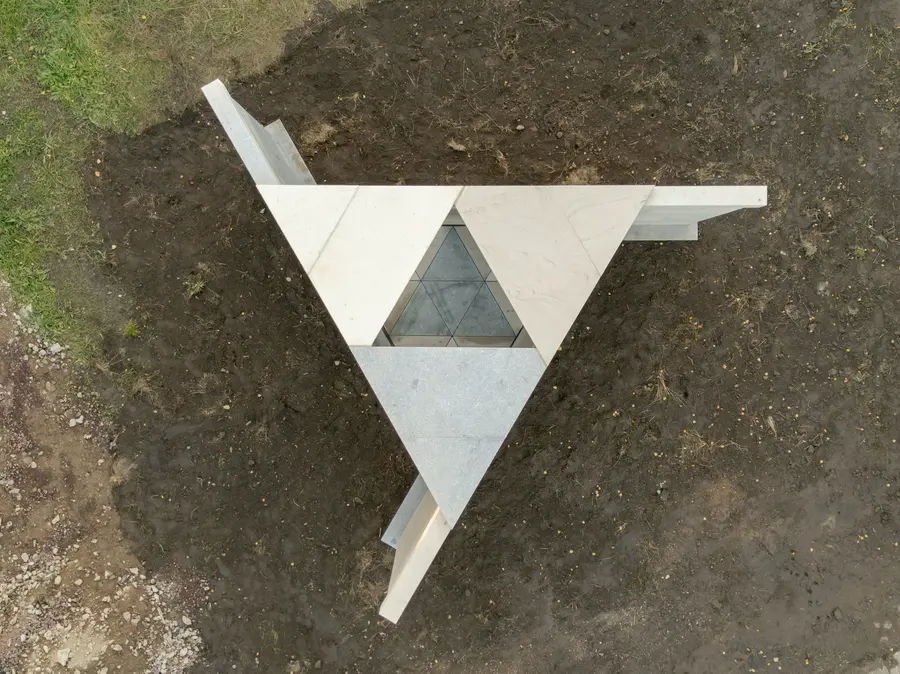
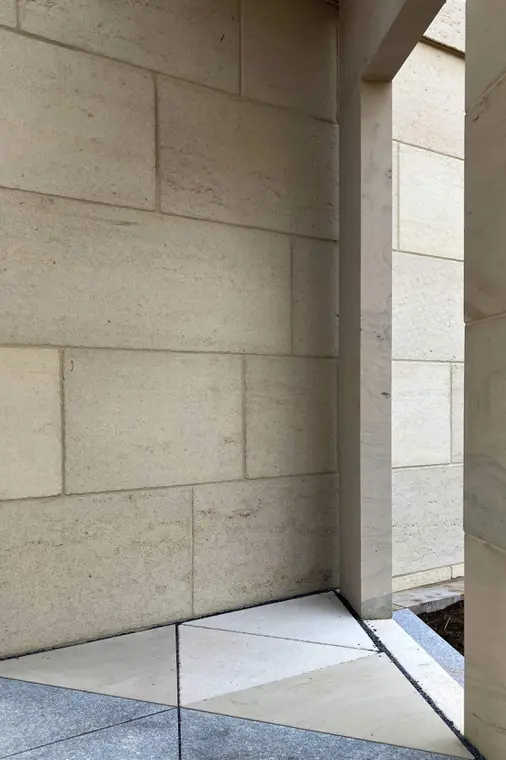
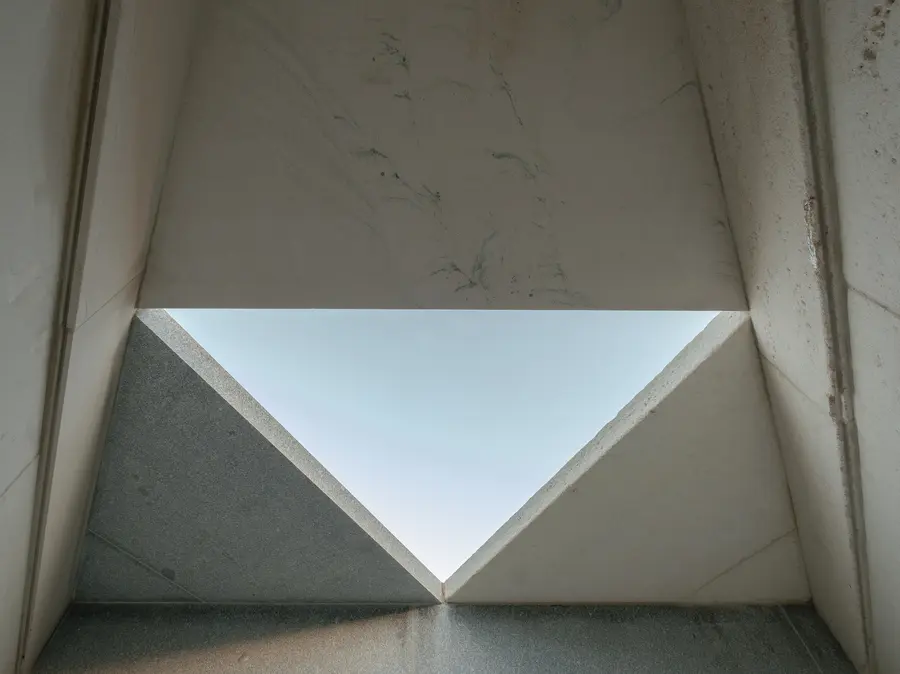
This research project, funded by the German Federal Environmental Foundation, is being carried out by us in cooperation with the Chair of Architectural Design and Construction I at TU Dresden and the German Natural Stone Association (Deutscher Naturwerkstein-Verband e.V.), together with the participating companies Bamberger Natursteinwerks Hermann Graser GmbH, Franken-Schotter GmbH & Co. KG, and Kusser Granitwerke GmbH.