Veröffentlichungen
Inhaltsverzeichnis

Das Team der Professur für Erziehungswissenschaft mit Schwerpunkt Inklusive Bildung begleitet das Alternative Lehramtspraktikum. In den Fachpublikationen finden Sie das Konzept, Beiträge zur Evaluation und weitere Analysen.
Fachliche und persönliche Einblicke in die Praktika geben die Studierenden selbst in ihren Podcasts. In diesen Prüfungsleistungen zeigen sie beeindruckend tiefe Reflexionen ihrer Praxiserfahrung. Eine Auswahl der Berichte aus den ALSO-Schulen und Interviews mit den Studierenden finden Sie weiter unten auf dieser Seite.
Fachpublikationen: Konzept, Evaluation, Berichte etc.
ALSO – ein alternatives Lehramtspraktikum mit Zukunft
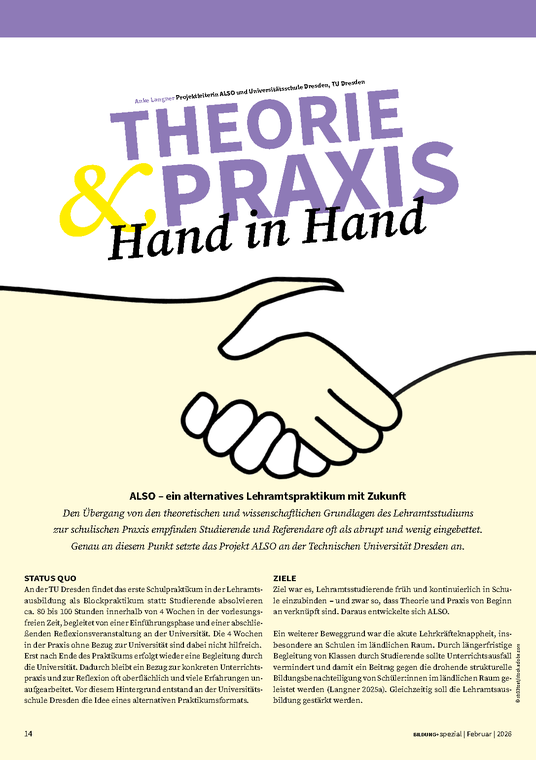
Bildung+ spezial 1/2026
Den Übergang von den theoretischen und wissenschaftlichen Grundlagen des Lehramtsstudiums zur schulischen Praxis empfinden Studierende und Referendare oft als abrupt und wenig eingebettet. Genau an diesem Punkt setzte das Projekt ALSO an der Technischen Universität Dresden an.
Die "Spezialausgabe" Bildung+ erscheint anlässlich der didacta. Das Heft liegt zum Beispiel am Stand des Friedrich Verlags aus. Die „didacta - die Bildungsmesse“ ist die größte Fachmesse für Lehrkräfte aller Bildungsbereiche in Europa und findet vom 10. bis 14. März in Köln statt.
Theorie & Praxis - Hand in Hand. ALSO – ein alternatives Lehramtspraktikum mit Zukunft. In: BILDUNG+ spezial. 1/ 2026 Februar, 14-17.
Online lesen im PDF-Viewer des Friedrich Verlag
Artikel als PDF herunterladen
ALSO auf der SLV-Konferenz Lehrkräfteausbildung Ostsachsen
Am 14. Januar 2026 lud der Sächsische Lehrerverband (SLV) zur Konferenz Lehrkräfteausbildung Ostsachsen in die Lehramtsausbildungsstätte Löbau. Thema waren die Etappen der Lehrerausbildung sowie Ansätze zur Bewältigung des Lehrkräftemangels und der Stärkung des Bildungsstandorts in der Oberlausitz. Vertreter der einzelnen Ausbildungsetappen, aus Politik, Verwaltung und Schulpraxis kamen miteinander ins Gespräch und konnten sich überzeugen: Es hat sich viel in der Oberlausitz bewegt.
Prof'in Anke Langner berichtete über den Start des alternativen Lehramtspraktikums an Schulen in Ostsachsen (ALSO) in Runde 3. Im Anschluss ging es um den Start des Hochschulstudiums an der Hochschule Zittau Görlitz (HSZG) ins erste Semester und die Erweiterung der Lehrerausbildungsstätte in Löbau für Lehrkräfte im Vorbereitungsdienst für Förder- und Oberschulen.
Der Bericht zur Konferenz zur Lehrkräfteausbildung in Ostsachsen: Gemeinsam stark für die Region ist in Ausgabe 1/2026 der NSLZ - Neue Sächsische Lehrerzeitung erschienen. Wir danken der Redaktion dafür, dass wir ihn an dieser Stelle veröffentlichen dürfen.
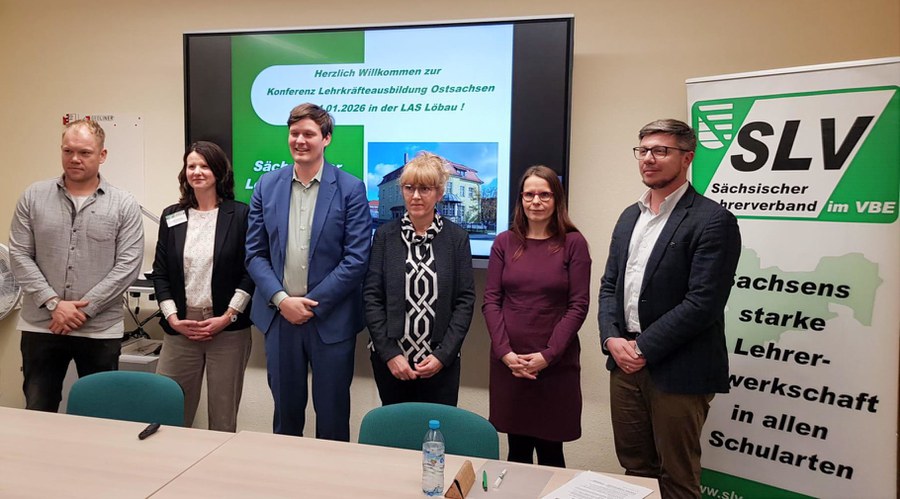
Von links: Clemens Kuche (SLV Niesky-Görlitz), Franka Schneider (Referentin für Lehrerbildung des SLV), Conrad Clemens (Sächsischer Kultusminister), Sabine Köhler (SLV Löbau-Zittau), Prof’in Anke Langner (TU Dresden), Martin Goldfriedrich (HSZG)
Das alternative Lehramtspraktikum an ausgewählten Schulen in Ostsachsen startet in Runde drei
Das semesterbegleitende Blockpraktikum für Lehramtsstudierende – bekannt als „Praxistag für Freitagslehrer“ – wird im neuen Schuljahr 2025/26 fortgesetzt. Wöchentlich sind die
Studierenden an Schulen im ländlichen Raum Ostsachsens im Einsatz. Zusätzlich können sie bezahlt in Fördermaßnahmen mitarbeiten. Doch wie läuft die Organisation? Was müssen Studierende und Lehrkräfte wissen? Wir haben die Informationen der TU Dresden zusammengetragen und bei den Initiatoren, Prof.in Dr.in Anke Langner und Landeselternsprecher Ronald Lindecke, nachgefragt.
Interview zum Download: "Nun ALSO los, Lehramtsstudis!" - Interview mit Anke Langner und Ronald Lindecke in: Neue Sächsische Lehrerzeitung 5/2025, 22-23
Die zunehmenden Herausforderungen im Bildungssystem, insbesondere der Lehrkräftemangel in ländlichen Regionen, rücken die Praxisorientierung im Lehramtsstudium erneut in den Fokus. Vor diesem Hintergrund wurde an der Technischen Universität Dresden das Projekt „Alternatives Lehramtspraktikum“ entwickelt, das ein neuartiges, semesterbegleitendes Langzeitpraktikum erprobt. Die damit einhergehende Belastung und das Erleben des Praktikums durch die Studierenden wurden in einer explorativen, triangulativ angelegten Evaluation, die qualitative und quantitative Daten kombiniert, nachgegangen. Mithilfe von Fragebögen und Gruppengesprächen wurden Studierende zu ihren Belastungserfahrungen, ihren Kompetenzzuwächsen und der subjektiven Wahrnehmung des Praktikums befragt. Die Fragebögen wurden auch von Studierenden im regulären Blockpraktikum ausgefüllt und ermöglichen einen Gruppenvergleich. Zudem wurden schulische Akteure zur Wahrnehmung der Entwicklung der Studierenden befragt, wie auch zu den Herausforderungen und Gelingensbedingungen der Projektdurchführung. Die Ergebnisse verweisen sowohl auf Potenziale und Differenzen zwischen den Gruppen der Studierenden mit deutlichen Effektstärken wie auch auf Herausforderungen in der Projektdurchführung. Kritisch diskutiert wird insbesondere eine veränderte Theorie-Praxis-Relation. Die Ergebnisse bieten eine empirische Grundlage für die Weiterentwicklung und mögliche Verstetigung des Formats im Schuljahr 2025/26.
Langner, Anke (2025): Evaluation "Alternatives Lehramtspraktikum" an der TU Dresden, DOI: 10.25656/01:33711
Der Artikel diskutiert Bildungsungleichheit in Deutschland unter besonderer Berücksichtigung der Strukturwandelregion Ostsachsen. Bildungsungleichheit nimmt seit 2018 trotz höherer Bildungsbeteiligung zu. Theoretisch wird Bildungsungleichheit unter Bezugnahme auf Boudons Rational-Choice-Modell und das Konzept des sozialen Habitus von Bourdieu erklärt. Mithilfe von empirischen Studien wie PISA und IGLU wird die enge Kopplung von Herkunft und Bildungserfolg herausgearbeitet, bevor der Blick auf eine sogenannte Region des Strukturwandels gerichtet wird. Es wird danach gefragt, wie aufgrund der strukturellen Probleme – Lehrkräftemangel, Unterrichtsausfall, lange Schulwege und mangelhafte Infrastruktur – die Bildungsbenachteiligung in einer solchen Region aussieht. Ausgehend von dem abgeleiteten Befund werden Lösungsideen vorgestellt unter der Prämisse, dass der Strukturwandel nicht nur Gefahren für die Ausweitung von Bildungsungleichheit, sondern auch Potenzial für deren Minimierung birgt.
Langner, Anke (2025): Strukturwandel und strukturelle Bildungsungleichheit. Gestaltungsmöglichkeiten am Beispiel der Region Ostsachsen. Schulpraxis Entwickeln – Journal für Forschungsbasierte Schulentwicklung, 5(1), 18–35. https://doi.org/10.58652/spe.2025.5.p18-35
Der Lehrkräftemangel in Sachsen ist kein abstraktes Zukunftsproblem, sondern für viele Städte und Gemeinden längst tägliche Realität. Trotz zahlreicher Maßnahmen auf Landesebene – von der Verbeamtung über den Seiteneinstieg bis zur regionalisierten Ausbildung – bleibt die Gewinnung junger Lehrkräfte eine Herausforderung. An zahlreichen Schulen, insbesondere im ländlichen Raum, fehlen ausgebildete Lehrerinnen
und Lehrer – mit der Folge, dass Stundentafeln gekürzt werden müssen. Für Schülerinnen und Schüler im ländlichen Raum bedeutet das häufig einen deutlich kürzeren Schultag als für ihre Altersgenossen in der Großstadt. Gleichzeitig steigt die Belastung für die verbleibenden Lehrkräfte durch Vertretungsunterricht, Personalmangel und die Vielzahl zusätzlicher Aufgaben kontinuierlich an.
Bürgermeisterinnen und Bürgermeister stellen sich die Frage: Was können Städte und Gemeinden konkret tun, um junge Nachwuchslehrkräfte anzulocken und nicht aufgrund der Schulen an Qualität als Lebens- und letztlich auch Wirtschaftsstandort zu verlieren? Anhand zweier Projekte – Perspektive Land (PerLA) und Alternatives Lehramtspraktikum an ausgewählten Schulen in Ostsachsen (ALSO) –, die sich an Lehramtsstudentinnen und -studenten richten, wird ein mögliches Mitgestalten vor Ort skizziert.
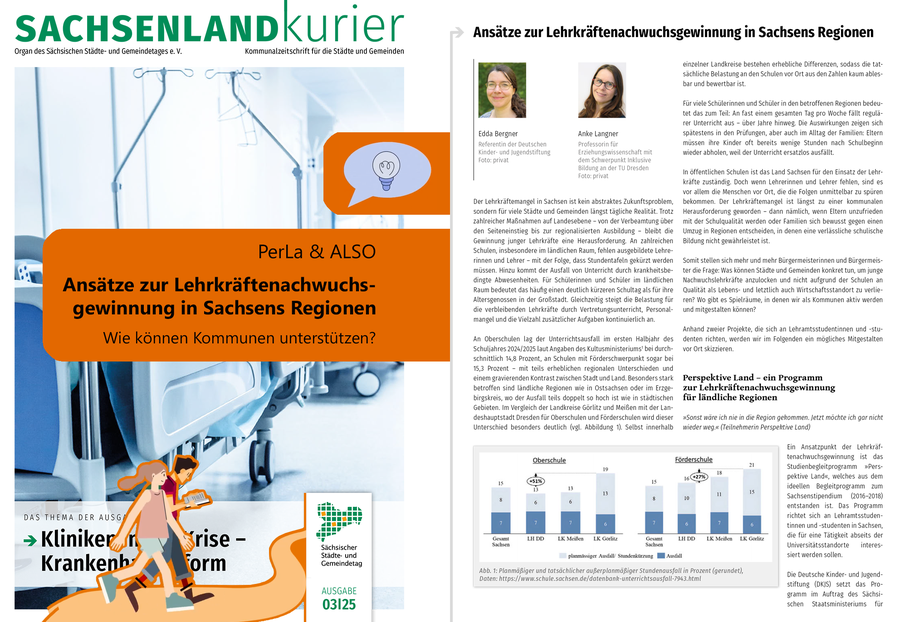
Bergner, Edda & Langner, Anke (2025): Ansätze zur Lehrkräftenachwuchs-gewinnung in Sachsens Regionen. In: SACHSENLANDKURIER, Kommunal-zeitschrift für die Städte und Gemeinden, 03/2025, 143-147
Online verfügbar für angemeldete Mitglieder auf der Sachsenlandkurier-Webseite des Sächsischen Städte- und Gemeindetages e.V.
Die Diskussion über eine schlechte Verzahnung von Theorie und Praxis im Lehramtsstudium ist nicht neu, und auch ein zyklisch auftauchender Lehrermangel ist durchaus etwas Bekanntes im Diskurs der Erziehungswissenschaft. Wie beide Herausforderungen in einer krisenhaften Situation sich gegenseitig ergänzen können und sich neue Gestaltungsräume damit eröffnen können, soll in diesem Beitrag vorgestellt werden. Dafür wird die Pilotierung des Einsatzes von Lehramtsstudierenden an einem Tag in der Woche in der ländlichen Region nachgezeichnet, indem im Folgenden sowohl die Durchführung und die Erkenntnisse aus dem Pilot als auch die Ausgestaltung einer weiteren Umsetzungsphase bestimmt werden.
Langner, Anke & Kuritz, Katja (2024): Ein struktureller Rahmen für studentische Praxiserfahrungen zur Unterstützung von Schulen in Ostsachsen angesichts des Lehrkräftemangels. PFLB – PraxisForschungLehrer*innenBildung, 6(1), 205–218. https://doi.org/10.11576/pflb-7567
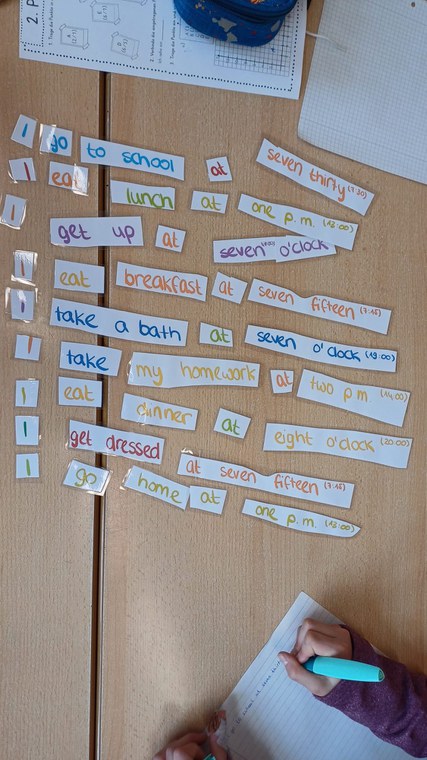
© Anica Görner
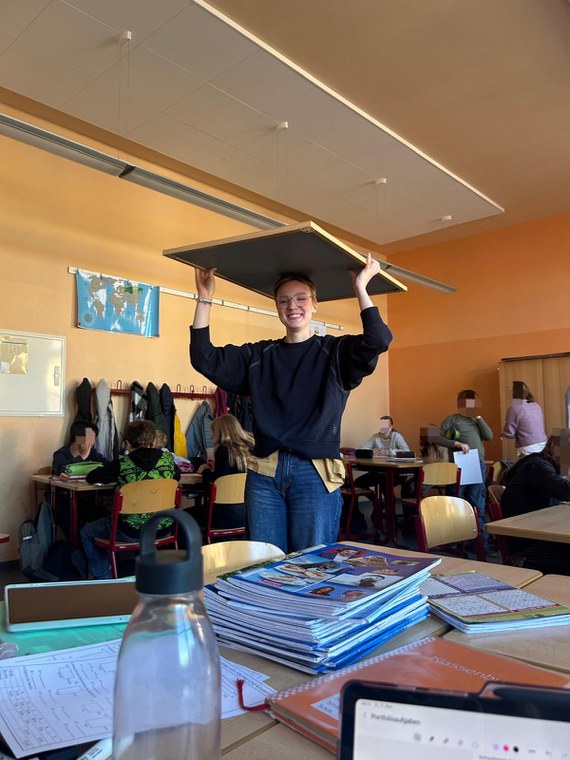
© Anica Görner
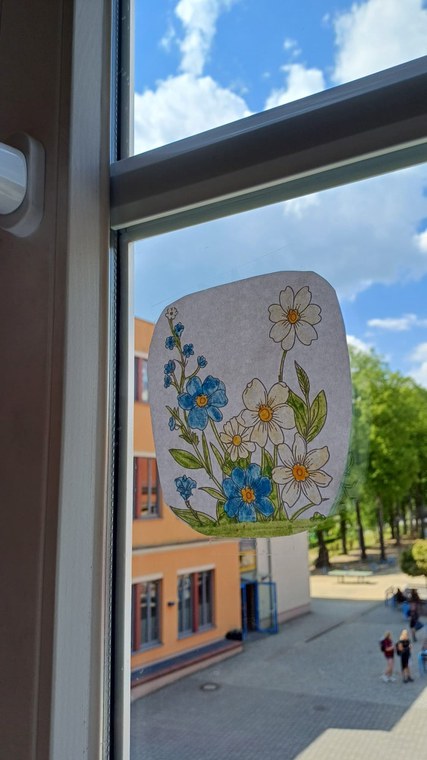
© Anica Görner
Studentische Reflexionen: Podcasts als Prüfungsleistung

Die Prüfungsleistung im Modul BW3 erbringen die Studierenden im Rahmen des Alternativen Lehramtspraktikums ALSO in ganz verschiedenen Formen. So stellen einige Klassenteams in einer Präsentation vor Ort gemeinsam ihre Recherchen zu Themen der Bildungsforschung vor und spiegeln an diesen ihren praktischen und theoretischen Erkenntnisgewinn. Hierbei ging es zum Beispiel im Schuljahr 2024/25 unter anderem um das "Lernwirksame Zeitmanagement in der Strukturierung von Lerntagen" und "Offene Unterrichtskonzepte als Praxiserfahrung für Lehramtsstudierende".
Auch in einem Podcast können die ALSO-Studierenden zeigen, wie sie die Theorie aus Vorlesungen in der Praxis umsetzen und an ihrem Handeln reflektieren. Im Folgenden finden Sie ausgewählte studentische Podcasts zu verschiedenen Themen der Professionalisierung im Lehramtsstudium.
In Kurzinterviews erklären die zukünftigen Lehrkräfte, warum sie am Projekt ALSO teilgenommen haben, was sie im Praktikum am meisten überrascht hat und welche Aha-Momente sie dabei hatten.
Ein gelungenes Beispiel für eine alternative Seminararbeit ist der Podcast "Emotionen öffnen das Gehirn - Wie Gefühle Lernen ermöglichen" von Emelie Alena Pachaly, Lehramtsstudentin für Englisch und Geschichte am Gymnasium. Nach der theoretischen Einführung nimmt sie die Hörer:innen anhand eines Fallbeispiels mit ins Englischlernbüro an die Oberschule Innenstadt Görlitz. Sie beschreibt, wie es ihr gelang, die negativen Emotionen eines Schülers in Positive zu wenden und seine Lernbereitschaft auf diesem Weg zu unterstützen. In der anschließenden Reflexion zeigt Frau Pachaly, welchen Einfluss Emotionen sowohl auf die Schülerinnen und Schüler aber auch auf die Lehrperson selbst haben können.
Hinweis: Am Ende des Transkripts finden Sie das Literaturverzeichnis
Podcast Emotionen öffnen das Gehirn - Wie Gefühle Lernen ermöglichen.
Transkript
Hallo und herzlich Willkommen zu meinem Podcast. Mein Name ist Emelie Alena Pachaly und in dieser Folge spreche ich mein Thema, was mir im schulischen Alltag immer wieder begegnet ist. Und zwar der Zusammenhang zwischen Emotionen und lernen. Der Titel von diesem Podcast lautet Emotionen öffnen das Gehirn wie Gefühle lernen ermöglichen. Emotionen Sie sind nicht einfach nur ein Beiwerk des Unterrichts oder ein Störfaktor, den wir als Lehrkräfte ausblenden sollten. Ganz im Gegenteil, meiner Meinung nach. Emotionen sind der Schlüssel der Schlüssel zur Aufmerksamkeit, Motivation und sozialen Miteinander und vor allen Dingen auch zum nachhaltigen Lernen. Der Neurobiologe Gerald Hüther bringt es auf den Punkt. Ohne Beziehung kein Lernen in seinem Buch Die macht der inneren Bilder beschreibt er, wie emotionale Aktivierung im Gehirn sogenannte Verknüpfungsmuster schafft, wenn ein Lerninhalt also emotional aufgeladen ist, etwa durch Begeisterung, Überraschung oder auch wenn es auch nur Empathie ist. Ist, wird er gleich viel tiefer verarbeitet und im Langzeitgedächtnis verankert. Es öffnen sich buchstäblich neue synaptische Bahnen aus Sicht der Neurobiologischen Lernforschung bedeutet das, Lernen geschieht nicht auf Knopfdruck, sondern nur, wenn das emotionale System aktiviert ist. Das olympische System, insbesondere die Amygdala, spielt. Hier eine zentrale Rolle. Ist ein Stühle etwa emotional blockiert durch vielleicht Angst, Überforderung oder auch soziale Ausgrenzung, wird das Denken buchstäblich runtergefahren oder vermindert? Das bestätigt auch die pädagogisch psychologische Forschung. Pecun und Frenzel unterscheiden in Ihrer Control Value Theory of Achievement Emotionaler. Das Lernemotion stark durch 2 Faktoren. Bestimmt werden. Erstens, wie viel Kontrolle die Lernenden über die Situationen finden und zweitens, welchen Wert die Lerninhalte beimessen. Positive Emotionen wie Interesse, Freude oder Stolz entstehen also, wenn die Schülerinnen auch glauben, ich kann das schaffen und es lohnt sich. Was bedeutet das für die Schule? Es bedeutet, dass wir Lernraum schaffen müssen, in dem Halt auch emotionale Sicherheit herrscht, wo Fehler erlaubt sind, wo Beziehungen auch eine gewisse Tragweite haben und auch eine Tragfähigkeit haben. Und die Inhalte als relevant erlebt werden von den Lernenden. Ein weiterer wichtiger Ansatz stammt von Anne Doreen, die von ihr entwickelte Pädagogik der Vielfalt basiert auf Anerkennung, Empathie und Dialog. Brengel beschreibt die verstehende Perspektive auf Kinder, also ein pädagogisches Grundverständnis, das nicht auf Defizite blickt, sondern auf Potenziale und Gefühle. Insbesondere im inklusiven Unterricht bedeutet das, emotionale Zugänge sind keine pädagogische Zugabe, sondern der eigentliche Ausgangspunkt gelingender Bildung. Ergänzend dazu betont Joachim Bauer in Lob der Schule das Lernen ein zutiefst. Prozess ist biologisch betrachtet sogar beziehungsgeschehen. Laut Bauer spielen Spiegelneuronen hier eine wichtige Rolle. Kinder lernen nicht nur, was wir sagen, sondern auch, wie wir fühlen, das heißt Authentizität, Beziehung und Emotion sind keine Störungen im Unterricht, sondern eine Grundlage und sollten auch seine Grundlage darstellen. Und abschließend möchte ich noch auf Daniel Gohlemann eingehen. Gehen, denn auch er hat gesagt, Lehrkräfte, die ihre eigenen Emotionen regulieren und empathisch auf die Schüler innen eingehen können, schaffen nicht nur bessere Lernbedingungen, nein, sie prägen auch die emotionale Entwicklung der Kinder. Aber was bedeutet das jetzt für mich? Und zwar in meinem Praktikum begleitete ich eine fünfte Klasse im Englischunterricht, also hauptsächlich Englischunterricht an einer Oberschule. Eine Situation ist mir dabei aber besonders im Gedächtnis geblieben, weil sie mir gezeigt hat, wieviel wir durch emotionale Zugänge im Sprachenlernen erreichen können. An. Es war mal wieder Freitagmorgen und die Schüler hatten alle keine Lust gehabt. Gerade weil die Woche schon fast rum war und es ja fast Wochenende war, vermute ich jetzt mal. Generell ist mir aber eine Person besonders aufgefallen. Ich nenne ihn jetzt mal hier Ben und er saß halt abgewandt und mit verschränkten Armen da. Er beteiligte sich sonst auch nur selten am Unterricht und schien generell oft unkonzentriert und abwesend. Wie ich das halt auch mitbekommen habe, von anderen Lehrkräften waren seine Noten schwach und sein generell sein Selbstvertrauen auch relativ niedrig. An diesem Tag habe ich mich für das Thema Feelings und Emotions entschieden gehabt und wollte dort Vokabeln wie Happy Set, Angry und Excited aufgreifen. Für die fünfte Klasse. Aber statt direkt ins Vokabeltraining einzusteigen, begann ich die Stunde halt mit einem eher emotionalen Einstieg. Was heißt Stunde? Es war ja mehr eine Gruppenarbeit, eine rotierende Gruppenarbeit, aber die beginnende Gruppenarbeit habe ich halt so begonnen. Ich bat dann die Schüler bzw Kinder in meiner Gruppe mit den Farben ihre aktuelle Stimmung auszudrücken, hab dann halt auch kategorisiert und mit dem besprochen, dass Rot zum Beispiel für wütend steht, blau für traurig, Gelb für fröhlich und Grün für ruhig. Diese Farben haben auch meine Schüler festgelegt gehabt und. Und mit mir abgesprochen. Genau. Zusätzlich dazu sollten sie auch noch mal einen Smiley auf ein Kärtchen malen und es still zeigen. Als. Sie dann alle fertig waren, sollten Sie die Kätzchen hochhalten und ich habe bemerkt, dass eben halt besagter Schüler Ben eine blaue Karte hochgehalten hat. Daraufhin habe ich halt gesagt okay i See some blue cards today, that's okay what's thank out how we can change the color and maybe doing the listen. Generell war der Umgangston während der ganzen Übung sehr wertschätzend und die Klasse reagierte auch ruhig und aufmerksam auf das, was ich gesagt hab. Anschließend haben wir dann ein kurzes Video von youtube über Gefühle praktisch uns angeguckt. Und danach sollten die Schülerinnen in Partnerarbeit kleine Dialoge auf Grundlage dieses Videos ausarbeiten. Also einfach How are you I'm said why? Because I Love my football match als Beispiel jetzt mal. Was mich erstaunte war, dass Ben halt tatsächlich anfing zu arbeiten. Er flüsterte zunächst mit seinem Partner auf Deutsch, aber versuchte dann halt auch relativ schnell auch Sätze in Englisch zu formulieren, so wie ich das Halt den Kindern als Auftrag gegeben habe. Ich habe das bemerkt und habe das auch direkt unterstützt, habe halt bin halt zu ihnen hingegangen. Gesagt, dass ich gehört habe, wie toll er das gerade gesprochen hat. Genau. Und dann im Laufe der Stunde wurde er halt dann auch immer mutiger und fand immer mehr Anschluss und war auch immer mehr interessiert an dem was ich gesagt habe und auch dann in anderen Gruppen, nachdem das gewechselt ist. Ach ja. Und bei dem abschließenden Dialog Vortrag in meiner Gruppe hat er sich sogar freiwillig gemeldet, direkt am Anfang, um seinen Dialog mit seinem Partner stolz vorzustellen. Und da wurde mir dann halt auch klar, ich habe an diesem Tag nicht nur Vokabeln vermittelt, sondern ich habe Ben auch indirekt emotional erreicht und somit sein Gehirn geöffnet für diese Sprache, also für Englisch. Ich vermute, was mir half, war ein offener Einstieg, die Thematisierung generell von Gefühlen und auch die Verbindung zur Lebenswelt, und auch habe ich versucht, einen sicheren Raum herzustellen. Und hab auch teilweise bei den Übungen mitgewirkt und mitgemacht und über mich selber da auch geredet. Die Situation mit Ben hat mir eindrücklich gezeigt, wie wirkungsvoll emotionale Zugänge gerade im Fremdsprachenunterricht sein können und wie stark Schüler innen auf nonverbale Wertschätzung reagieren. Ich würde sagen, besonders gelungen ist mir die Verbindung von Inhalt zum Thema Emotionen. Wir haben halt nicht nur das Thema Feelings gelernt, sondern halt auch Gefühlsbezogen erlebt, besonders denn. Die farbigen Kärtchen haben mir halt auch ermöglicht, einen niedrigschwelligen Einsatz oder Einstieg in die Selbstwahrnehmung zu ermöglichen, ganz halt auch ohne sprachliche Hürden, da wir ja auch viele Dubskinder hatten. Oder halt auch in dem Fall Ben. Zum anderen habe ich auch sehr drauf geachtet, dass wir hier achtsam mit emotionaler Offenheit umgehen. Ich hab Ben nicht gezwungen zu sprechen, sondern hab ihm einfach nur Raum gegeben auf dem Halt das Vertrauen wachsen konnte und die Beteiligung dann halt. Auch folgte und. Und das ist halt auch das, was für mich Inklusion in diesem Sinne halt auch ausgemacht hat, nicht alle gleich zu behandeln, sondern alle ernst zu nehmen. Durch diese Situation wurde mir aber auch bewusst, dass emotionale Momente im Unterricht nie vollständig planbar sind und es hätte halt auch sein können, dass ein Kind sich verschließt, verweigert oder unangenehme Gefühle zeigt, mit denen ich halt nicht. Direkt hätte umgehen können. Und diese Unsicherheit gehört halt aber auch einfach zum pädagogischen Alltag dazu. Und genau das fordert die Fähigkeit zu professionellen Abgrenzung und situativen Intuition. Des Weiteren ist mir bewusst geworden, dass es hier auch um eine Verwebung geht und nicht darum einfach. Dass eine dem anderen unterzuordnen, sondern Gefühl und Fachlichkeit halt wirklich miteinander zu verweben. Ich plane, künftig in Zukunft emotionale Check ins als regelmäßiges Ritual in den Unterricht von mir zu integrieren und nicht nur als Besonderes extra, sondern direkt als festen Bestandteil von Beziehungsarbeit. Das kann man durch visuelle Tools wie zum Beispiel auch Bilder, kurze Stimmungsrunden oder durch kreative Medien, die. Wie Emotionskarten erreichen halt auch ähnlich wie in der kollektiven Fallberatung. Generell kann ich sagen, dass ich im Rahmen meines Semester begleitenden Praktikums nicht nur Einklicke in den schulischen Alltag gewonnen habe, sondern auch meine eigene Rolle als zukünftige Lehrkraft mehr oder weniger neu entdeckt und hinterfragt habe. Der Schwerpunkt meiner Arbeit, der Zusammenhang zwischen Emotion und Lernen, war dabei nicht nur ein Thema meines Podcast Projekts, sondern auch eine Leitlinie meiner persönlichen Entwicklung und auch etwas, was ich mir auf jeden Fall mitnehmen werde. Zu Beginn des Praktikums hatte ich einen eher fachlichen methodischen Zugang zum zum Unterrichten gute Aufgaben. Habe klarer Ablauf, didaktische Reduktion und das war halt so mehr so mein Fokus und erst durch den Kontakt mit den Schülerinnen wurde mir bewusst wieviel mehr zum guten erfolgreichen Unterricht gehört und ich habe gelernt emotionale Zustände zu lesen und auf subtile Signale zu achten und diese halt auch ernst zu nehmen. Sei es denn ein abgewandter Blick, ein leises ist mir egal, oder das viel in jeglicher Reaktion. Das alles wurde für mich zu hilfreichen und wichtigen Hinweisen. Gerade auch durch die Situation mit Ben in der fünften Klasse wurde mir klar, dass pädagogisches Handeln erst durch Beziehungsarbeit wirksam wird. Ich musste lernen zuzuhören, auch wenn es nicht gesprochen. Im Laufe des Praktikums entwickelte ich die Fähigkeit, emotionale Räume zu öffnen, ohne ins Private abzurutschen. Das war ein Lernprozess, am Anfang war ich mir total unsicher, wieviel Nähe ich denn als angemessen empfinde oder wie ich mit emotionalere Zurückweisung umgehe, doch durch kollegiale Gespräche und gezielte Reflektion konnte ich meine professionale Haltung stärken. Ich verstand auch zunehmend, dass Beziehungsarbeit kein Softskill ist, sondern eine zentrale professionelle Kompetenz, insbesondere im inklusiven Setting, wie mit bei uns mit vielen Dubs, Kindern oder halt auch Kindern, die schwere Schicksale erleidet haben. Schüler innen brauchen Sicherheit, Resonanz und das Gefühl gesehen zu werden und erst dann sind sie bereit, sich halt auch auf diesen. Lernprozess einzulassen und sich halt auch auf dich als Lehrkraft einzulassen. Gleichzeitig wurde mir auch bewusst, wie wichtig es ist, meine eigenen Gefühle und Emotionen zu reflektieren. Es gab auch Situationen, die mich halt überforderten und emotional mitgenommen haben im Laufe des begleitenden Praxissemesters, insbesondere wenn die Kinder über schwierige Lern und Lebensumstände berichtet haben. Ich habe gelernt, dass professionelle Selbstfürsorge dazugehört und dass Reflektion sich nicht nur auf die Schüler. Beziehen darf, sondern halt auch auf mich selbst. Deshalb werde ich mich jetzt auch immer nach jedem Unterricht fragen, was hat gut funktioniert, wo war ich verunsichert und was hat mich berührt und warum. Und das ist auch richtig so und wichtig, so gerade auch für meine eigene mentale Gesundheit. Als Fazit kann ich sagen, mein Praktikum war für mich nicht nur eine didaktische, sondern auch eine emotionale Lernreise ich habe verstanden, dass Bildung nicht bei Inhalten beginnt, sondern bei Beziehungen und das Lernen ohne Emotionen kaum möglich ist. Diese Erkenntnis. Wird mein zukünftiges Lehrverständnis. Fertig prägen und ich gehe. Davon aus, dass ich nach diesem Praktikum mit viel mehr Sensibilität, mehr Mut zur Offenheit und mit einem festen Willen emotionale Bindung als festen Bestandteil meines Unterrichts etablieren werde. Danke, dass sie bis hierhin zugehört habt. Ich hoffe, dieser Podcast hat euch gezeigt, wie wichtig Emotionen im Lernprozess sind, nicht nur theoretisch, sondern auch ganz praktisch und vielleicht fühlt ihr euch auch ein bisschen inspiriert. Im eigenen pädagogischen Handeln mehr auf Gefühle zu achten bei Schülerinnen und vielleicht auch bei euch selbst. Auf Wiedersehen.
Literaturverzeichnis
Bauer, Joachim: Lob der Schule. Sieben Perspektiven für Schüler, Lehrer und Eltern. Freiburg: Herder, 2011.
Frenzel, Anne C.; Pekrun, Reinhard; Goetz, Thomas: „Emotionen beim Lernen“. In: Wild, Elke; Möller, Jens (Hrsg.): Lernen und Lehren mit Gefühl. Weinheim: Beltz, 2007, S. 89–107.
Hüther, Gerald: Die Macht der inneren Bilder. Wie Visionen das Gehirn, den Menschen und die Welt verändern. Göttingen: Vandenhoeck & Ruprecht, 2004.
Prengel, Annedore: Pädagogik der Vielfalt. Inklusive Bildung als Menschenrecht. 3., überarb. Aufl. Weinheim: Juventa, 2016.
Goleman, Daniel: Emotionale Intelligenz. Warum sie mehr zählt als der IQ. München: dtv, 1997. (Original: Emotional Intelligence. Bantam Books, 1995)
Ein informativer und gut recherchierter Podcast zum Thema „selbstorganisiertes Lernen“ mit authentischen Einblicken in den Schulalltag - das ist die Prüfungsleistung von Anica Görner und Sophie Hänßchen.
Sie studieren im 5. Semester an der TUD, Anica im Fach Grundschullehramt Ethik und Sophie möchte Gymnasiallehrerin für Englisch und Ethik werden. Im Schuljahr 2024/25 haben sie an der Heinrich-Pestalozzi-Oberschule Löbau gemeinsam mit zwei weiteren Freitaglehrer:innen ihre 5. Klasse begleitet.
Jingle
Anica: Herzlich Willkommen zu “KreideZeit - Der Lehramtspodcast“! Heute wieder mit einer spannenden Folge, vollgepackt mit Wissen rund ums Lehren und Lernen.
Sophie: Schön, dass ihr eingeschaltet habt! Heute dreht sich alles um ein Thema, das im modernen Unterricht immer wichtiger wird: das selbstorganisierte Lernen.
A: Genau. Und wir, Anica und Sophie, haben dazu ein Projekt in unserem semesterbegleitenden Praktikum gemacht. Unsere Erfahrungen und die theoretischen Hintergründe wollen wir heute mit euch teilen.
S: Vielleicht könnt ihr daraus ein paar Ideen mitnehmen – oder bekommt Lust, das Thema selbst stärker in euren Unterricht einzubinden.
A: Fangen wir mit ein wenig Theorie zum selbstorganisierten Lernen an… Unsere heutige Folge basiert auf zwei Texten, die sich mit dem Konzept auseinandersetzen. Der erste Text heißt „Selbstorganisiertes Lernen als didaktische Lehr-Lern-Konzeption zur Verknüpfung von selbstgesteuertem und ko-operativem Lernen“ und ist von Jürgen Seifried und Detlef Sembill aus dem Jahr 2006. Der zweite Text „Selbstorganisiertes Lernen in offenen Unterrichtssituationen an Gemeinschaftsschulen“ stammt vom Ministerium für Kultus, Jugend und Sport Baden-Württemberg aus dem Jahr 2017. Und in genau diesem zweiten Text vom Ministerium für Kultur, Jugend und Sport Baden-Württemberg steht vor allem eine ganz bestimmte Frage im Vordergrund: Was brauchen Lernende eigentlich, um selbstorganisiert arbeiten zu können?
S: Die Antwort dazu liefert der Text auch gleich, nämlich Selbstregulation. Das ist die Fähigkeit, sich selbst beim Lernen zu steuern. Also sich Ziele bzw. Zwischenziele zu setzen, einen Plan zur zeitlichen Einteilung und zum Ablauf der Arbeitsphase zu machen, Strategien zu nutzen und sich selbst dabei auch zu beobachten, zu reflektieren und anzupassen. Das selbstorganisierte Lernen läuft in drei Phasen ab: Vorbereitung, Durchführung und Nachbereitung. In der Vorbereitung geht’s um Motivation, Zielsetzung und Ressourcenplanung. Während des Lernens beobachtet man sich selbst, passt eventuell seine eigene Arbeitsstrategie an und danach reflektiert man: Was hat geklappt? Was nicht? Was mache ich beim nächsten Mal anders? Wichtig dabei zu beachten ist, dass die Lehrkraft dennoch nicht unbeteiligt ist und sich nicht zurücklehnen kann. Ganz im Gegenteil. Sie unterstützt durch Struktur, Reflexionsanregungen und Feedback. Die Lehrkraft ist also eher als Lerncoach beteiligt und muss unterstützen und die Arbeitsschritte in den drei Phasen anregen.
A: Damit dieses Konzept im Schulalltag funktioniert, braucht es etwas Vorplanung und Vorbereitung.
Die Umsetzung betrifft fünf große Bereiche: Schulorganisation, Lehrkräfte, Unterrichtsgestaltung, Raumkonzepte und die Aufgaben selbst. Zum Beispiel: Optionen im Lernprozess schaffen, Aufgaben mit Wahlmöglichkeiten formulieren, Lerntagebücher einsetzen oder regelmäßig im Team arbeiten lassen. Soweit zur Theorie, die der zweite Text liefert. Der erste Text von Seifried und Sembill geht noch ein Stück weiter und unterscheidet zwischen Selbststeuerung und Selbstorganisation. Selbststeuerung meint eher die individuelle Ebene: Ziele setzen, Strategien anwenden, sich selbst überwachen. Also alles, was wir gerade schon beschrieben haben. Selbstorganisation ist umfassender. Da geht’s auch um Emotionen, Kooperation, Kontext. Einfach die gesamte Lernumgebung. Selbstorganisiertes Lernen ist dann die Kombination aus beidem. Also nicht nur “Ich arbeite für mich selbstständig”, sondern auch “Ich arbeite mit anderen zusammen an etwas, das für mich wirklich bedeutsam ist.” Deshalb ist die Lehr-Lern-Konzeption von Sembill stark projektorientiert: In kleinen Gruppen, über längere Zeit, mit echten, praxisnahen Aufgaben. Die Schülerinnen und Schüler übernehmen Verantwortung und gestalten den Lernprozess mit.
S: Für den Erfolg des selbstorganisierten Lernens spielt die subjektive Relevanz eine große Rolle: Das, was gelernt wird, muss für die Lernenden irgendwie Sinn ergeben und interessant sein. Und Fehler zu machen gehört ausdrücklich zum Lernprozess dazu. Interessant sind auch die empirischen Befunde: In Klassen mit selbstorganisiertem Lernen wurden deutlich mehr und deutlich tiefere Fragen gestellt, einfach weil man den Schülerinnen und Schülern den Freiraum gab, selbst darüber nachzudenken, was sie eigentlich lernen wollen. Genau darauf spielte auch unser Forscherfragenprojekt an, aber dazu gleich mehr. Außerdem fühlten sich die Lernenden statistisch gesehen motivierter und emotional wohler, wenn der Unterricht selbstorganisierter ablief. Aber Achtung: Selbstorganisiertes Lernen ist kein Selbstläufer. Es braucht Planung, Reflexion, und vor allem Zeit, sowie Geduld und eine gewisse Offenheit von Seiten der Lehrkraft.
A: So viel zur Theorie. Aber wie sah das Ganze jetzt in unserem Praktikum konkret aus? Darüber wollen wir jetzt sprechen…Und dabei würde ich jetzt damit beginnen, zu erzählen, wie wir das Projekt konzipiert haben. Das Ganze war so gedacht, dass sich die SuS eine ergebnisoffene „Forscherfrage“ überlegen sollten. Das ist eine Frage, die nicht mit ja oder nein zu beantworten ist und die nach Möglichkeit einen wissenschaftlichen bzw. naturwissenschaftlichen Hintergrund haben sollte. Also z.B. Fragen wie „Warum brennt eine Kerze?“ oder „Wie funktioniert ein Vulkan?“. Die Kinder konnten selbst wählen, ob sie allein oder zu zweit an einer Frage arbeiten wollen. Wenn sie keine Frage gefunden haben, haben wir Studentinnen ihnen bei der Ideenfindung geholfen. Das Endprodukt der Erarbeitungsphase sollte ein ca. 3-minütiger Kurzvortrag sein, der durch eine beliebige Form der Visualisierung gestützt werden sollte. Also z.B. durch eine PowerPoint-Präsentation, Bilder an sich oder ein Word-Dokument. Wir haben das Projekt in Absprache mit dem Klassenlehrer geplant und mit ihm zusammen die Möglichkeit entwickelt, die Arbeitsergebnisse mit einer empfohlenen Ziffernnote durch ihn an die jeweiligen Fachlehrkräfte der Fächer zu vermitteln, denen die Fragen jeweils zugeordnet werden konnten. Also z.B. wurde der Vortrag zu den kleinsten Tieren der Welt an die Biologielehrkraft weitergeleitet. Dabei haben wir bewusst nicht den Druck aufgebaut, dass jedes Ergebnis bewertet wird, sondern die Möglichkeit nur für die besonders gelungenen Ergebnisse offen gelassen, sodass jeder Raum zum Ausprobieren und Scheitern hatte , ohne Sorge vor einer schlechten Note.
S: So viel erstmal zu unseren theoretischen Hintergedanken zum Projekt. Ich würde euch jetzt berichten, wie wir es in der Praxis zeitlich und räumlich umgesetzt haben und würde mit den gegebenen Rahmenbedingungen starten. Insgesamt ging das Ganze 8 Wochen lang. Pro Woche haben wir an dem Freitag des semesterbegleitenden Praktikums jeweils 2 Unterrichtsstunden für das Projekt verwendet. In der ersten Woche haben wir den Kindern noch im Klassenraum das Projekt erklärt und die Wunschfragen der Kinder notiert bzw. bei der Findung der Fragen unterstützt. Ab Woche 2 haben wir 4 Termine dafür genutzt, im Computerraum die SuS selbstständig recherchieren zu lassen. Den Raum haben wir dabei jede Woche fest für uns reserviert, sodass Störungen durch andere Klassen vermieden wurden. Anschließend haben wir in einer Woche erklärt, wie ein Kurzvortrag aufgebaut ist, was es beim Vortragen zu beachten gibt und haben die Kinder anschließend im Klassenraum und an den Plätzen im Gang ihre Vorträge üben lassen, sodass, wenn diese Phase gut genutzt wurde, zu Hause nichts zu machen war. Die letzten beiden Wochen haben wir in der gewohnten Umgebung des Klassenraums genutzt, um jeden der Vorträge anzuhören und jeder Gruppe Feedback zu geben und uns die Ergebnisse zu notieren.
A: In der Erarbeitungs- und Recherchephase durften die SuS dabei jegliche altersgerechte Ressourcen des Internets nutzen, also googlen oder Lernvideos auf YouTube nutzen. Dabei haben wir Studentinnen vorher eindringlich belehrt, dass das Internet in der Unterrichtszeit nur zur Recherche genutzt werden darf und nicht, um z.B. zu spielen und, dass auch nur altersgerechte Internetseiten genutzt werden dürfen. Die Kinder durften dabei beim Arbeiten auch über den PC Musik hören, die Handys durften aber, wie auch in der Hausordnung vorgeschrieben, nicht genutzt werden. Da wir vorher schon einige Vorfälle mit Handy in der Klasse hatten, haben wir darauf auch sehr viel Wert gelegt. Wir Studentinnen waren dabei in einer rein unterstützenden Rolle tätig, haben also in der Erarbeitungsphase keine zeitlichen Vorgaben gemacht, standen aber jederzeit für Fragen zur Technik, Rechtschreibung usw. zur Verfügung. Manche der SuS haben für den Vortrag schon richtige PPP ausgearbeitet, andere haben ein Word-Dokument genutzt und manche haben auch einfach Fotos eingeblendet. Aber wie hat das Ganze eigentlich funktioniert?
S: Zunächst natürlich erstmal, was besonders gut gelungen ist. Bei den allermeisten Kindern war das Interesse an dem Projekt und ihrer Frage sehr groß, weswegen sie auch sehr ausdauernd daran gearbeitet haben. Wir haben auch im Laufe der Erarbeitungsphase auf jeden Fall gemerkt, dass es den SuS immer leichter fiel, im Internet an Informationen zu gelangen und die Ressourcen zielgerichtet einzusetzen. Dabei haben, und das hat uns sehr gefreut, die meisten der SuS auch nicht nur Google genutzt, sondern auch Lernvideos mit in Ihre Arbeit einbezogen. In vielen der Gruppen war dabei die Partnerarbeit sehr bereichernd, hat also zum konstruktiven Austausch untereinander beigetragen und die Kinder kamen von sich aus zu uns Studentinnen, wenn sie Hilfe brauchten. Am Ende der Erarbeitungsphase hatte jede Gruppe ein Ergebnis vorliegen und oftmals waren die Präsentationen schon so gut ausgearbeitet und vorgetragen, dass wir guten Gewissens die Ergebnisse für eine gute oder sehr gute Bewertung vorschlagen konnten.
A: Natürlich hatten wir aber auch einige Herausforderungen zu meistern. Viele der Kinder haben die Freiheit zur Nutzung des Internets ausgenutzt, um z.B. YouTube Shorts zu gucken, oder Computerspiele zu spielen, weshalb wir oft eingreifen mussten, was für uns sehr kräftezehrend war. Es kam auch vor, dass Kinder ihre Handys mit in den Computerraum geschmuggelt und benutzt haben mit der Begründung, das dürften sie sonst im Computerraum immer. Außerdem war im Zeitmanagement der SuS die Heterogenität sehr groß, also manche hatten Schwierigkeiten, ihre Arbeit an einer Frage zu beenden, während andere freiwillig schon eine zweite Frage bearbeitet haben, nachdem die erste fertig war. Am Anfang der Arbeit war auch die Medienkompetenz sehr gering, was dazu geführt hat, dass viel Zeit dafür verwendet werden musste, PowerPoint zu erklären und zum Teil Dateien verloren gingen, weil diese nicht richtig abgespeichert wurden, was natürlich ärgerlich ist. Vielen Kindern fiel es auch, besonders zu Beginn, schwer, zielgerichtete Suchanfragen zu formulieren, da wurden ganze Sätze bei Google eingegeben, sodass sie dann im Internet keine oder zumindest keine hilfreichen Informationen gefunden haben. Bei der Erarbeitung der PPP wurden uns zum Teil Ergebnisse präsentiert, die von den Eltern erstellt wurden, was natürlich auch nicht unser Gedanke hinter dem Projekt war. Außerdem war es etwas ärgerlich, dass die Vorträge auf 2 Termine aufgeteilt werden mussten, da so viele der SuS ihren Stick mit der Präsentation oder ihren Fotos zu Hause vergessen haben, oder ihre Dokumente falsch abgespeichert haben und diese dann verloren gegangen sind. Außerdem war das Niveau der Vorträge zum Teil sowohl in der fachlichen Breite als auch in der Tiefe sehr gering.
S: So viel erstmal zu unseren Herausforderungen. Für die Zukunft würden wir aus dem Projekt auf jeden Fall mitnehmen, dass es gut ist, wenn die Kinder zwischen Partner- und Einzelarbeit wählen können, da so jeder arbeiten kann, wie er sich am wohlsten fühlt und das zu einem guten Arbeitsklima und guter Motivation beiträgt. Auch die Gesamtkonzeption des Projekts ist sehr gut, weshalb man es auf jeden Fall auch im späteren Unterricht anwenden sollte. Das kann auch fächerspezifisch passieren, indem z.B. alle eine Geografie bezogene Forscherfrage wählen. Es wäre auch möglich, dass sich bei regelmäßiger Durchführung solcher Projekte auch das Zeitmanagement sowie die Medien- und Präsentationskompetenz der SuS verbessert.
A: Wir hoffen, wir konnten euch unser Projekt etwas näherbringen und ihr habt Lust bekommen, mit euren SuS auch mal ein Forscherfragenprojekt zu starten. Schaltet beim nächsten mal wieder ein, wenn es heißt „Endlich KreideZeit“, um keine spannenden Themen zu verpassen.
Jingle
Drei ALSO-Fragen an ... Anica Görner und Sophie Hänßchen
Was war eure Motivation fürs ALSO-Praktikum?
Es ist eine interessante Alternative zum Blockpraktikum A.
Wurden eure Erwartungen erfüllt?
Unsere Sorge, dass es uns an Erfahrung fehlt, war unberechtigt. Im KlassenTeam haben wir zusammen mit erfahreneren ALSO-Teinehmer:innen gut zusammen gearbeitet. Problematisch waren für uns in der Pilotphase organisatorische Schwierigkeiten und der noch recht kleine Materialpool.
Mein Aha-Moment beim Lernen:
Übung macht den Meister. Manchmal muss man sich einfach trauen und etwas versuchen!
Im Podcast geht es um den Projekttag „Gefühle und wie ich mit ihnen umgehe“, den Maurice Mirtschink und Chyara Randig mit ihrer 5. Klasse an der Heinrich-Pestalozzi-Oberschule in Neusalza-Spremberg durchgeführt haben. Die beiden studieren im 5. Fachsemester Lehramt für Gymnasium für das Fach Mathematik, Maurice hat als zweites Fach Informatik, Chyaras zweites Fach ist Französisch.
Es geht um die Umsetzung des Tages, um ihre Vorüberlegungen und den Hintergrund, um Herausforderungen und Schwierigkeiten, um die Reaktion der Schülerinnen und Schüler, darum, was anders oder neu gedacht werden müsste, sollte man den Tag noch einmal durchführen wollen und zum Abschluss um die Wirkung des Tages aus pädagogischer Perspektive.
Student Maurice Mirtschink: Herzlich willkommen zur 12. Folge “Freitagslernen an der Pestalozzi”. Mein Name ist Maurice und mit mir berichtet euch heute auch Chyara vom letzten Freitag.
Für alle, die das Format noch nicht kennen, in diesem Podcast berichten wir euch von unseren Erlebnissen in der 5. Klasse der Pestalozzi-Oberschule in Neusalza-Spremberg, wo wir im Rahmen des Projekts “Theorie-Praxis-Verzahnung von Anfang an” jeden Freitag als Gruppe von 4 Studenten unterrichten.
In der heutigen Folge wollen wir euch von unserem Thementag “Gefühle und wie ich mit ihnen umgehe” erzählen.
Diesen Tag haben wir geplant, nachdem uns aufgefallen ist, dass es einige Spannungen innerhalb der Klasse gibt und deshalb haben wir den Plan geschmiedet mit diesem Tag das Klassenklima nachhaltig zu verbessern.
Umsetzung des Tages in den Kleingruppen
Vielleicht möchtest du unseren Zuhörern als erstes mal die Umsetzung des Tages in den Kleingruppen vorstellen.
00:48 Studentin Chyara Randig: Ja gerne. Zu Beginn des Tages haben wir den Kindern eine Geschichte vorgelesen, in der es um verschiedene Situationen ging, in denen Emotionen eine bedeutende Rolle gespielt haben. In den Kleingruppen wurde dann besprochen, ob die Kinder in der Geschichte richtig gehandelt haben und was die Lernenden an ihrer Stelle gemacht hätten. Außerdem wurde besprochen, ob es schon einmal Situationen gab, in denen die Schülerinnen und Schüler auch solche Gefühle hatten.
Für den Thementag “Gefühle” haben wir in Vorbereitung 3 Arbeitsblätter mit unterschiedlichem Schwerpunkt erstellt. Das erste Arbeitsblatt trug den Titel “Gefühlen auf die Spur kommen”. Die Schülerinnen und Schüler waren bei diesem Arbeitsblatt aufgefordert Sätze zu vervollständigen, um zunächst ihren eigenen Gefühlen auf die Spur zu kommen. Diese Sätze waren immer gleich aufgebaut und begannen mit einem Gefühl oder einer Emotion, was die Kinder dann mit einer von ihnen gewählten Situation in Verbindung bringen mussten, beispielsweise “Am meisten ärgert es mich, wenn …”, “Traurig bin ich, wenn …”, “Ich freue mich riesig, wenn …”, “Ich bin stolz darauf, dass …”, “ich fühle mich mutig, wenn …”, “Ich bin enttäuscht, wenn …”, “Ich fühle mich unsicher, wenn …” und so weiter. Dieses Arbeitsblatt wurde in den entsprechenden 3 Kleingruppen bearbeitet. Dazu hatten die Schülerinnen und Schüler zunächst eine halbe Stunde Zeit, um die Sätze des Arbeitsblattes zu vervollständigen. Anschließend waren die Kinder aufgefordert, ihre eigenen Gefühle mit denen der anderen aus ihrer Kleingruppe zu vergleichen, allerdings wurde auch betont, dass es okay ist, wenn man nicht über alles sprechen möchte, und die Schülerinnen und Schüler sollten sich deshalb einigen, über welche Gefühle sie sprechen wollen.
Das zweite Arbeitsblatt trug den Titel “Wie sehe ich mich? Wie sehen mich andere?” Für die Bearbeitung des Arbeitsblattes wurden die Kinder in 3er Gruppen eingeteilt, wobei wir darauf geachtet haben, dass dieses Mal nicht nur befreundete Kinder miteinander arbeiten, sondern die Gruppen bewusst so eingeteilt haben, dass auch Schülerinnen und Schüler, die sich augenscheinlich nicht besonders mögen oder nicht viel miteinander zu tun haben, miteinander interagieren müssen. Dann sollten jeweils 2 von ihnen den oder die 3. kurz beschreiben. In Teilaufgabe a) ging es darum zu beschreiben, was einem an dem anderen auffällt, beispielsweise Kleidung, Frisur, Gesichtsausdruck oder momentane Stimmung und in Teilaufgabe b) ging es darum aufzuschreiben, was man noch Besonderes über den anderen sagen kann. Dabei gab es immer einen, der beschrieben wurde, und zwei, die beschrieben haben. Der, der gerade beschrieben wurde, sollte sich selbst beschreiben, während die anderen beiden ihn beschrieben haben. Dazu hatten die Kinder ebenfalls zunächst einige Zeit in ihren Gruppen und am Schluss konnte sich jedes Kind durchlesen, wie die anderen der Gruppe es beschrieben haben.
Nachdem wir uns viel mit den eigenen Gefühlen und den Meinungen anderer beschäftigt haben, haben wir uns dann mit dem gesamten Klassengefüge befasst, Maurice vielleicht kannst du das mal weiter erklären.
03:33 Student Maurice Mirtschink: Gerne. Das dritte Arbeitsblatt beschäftigte sich mit dem Klassenklima und trug den Titel “Klassengefühlssoziometer”. Hierbei sollten die Kinder zunächst mithilfe von Smileys ihre Stimmung zu bestimmten Aussagen festhalten. Diese waren zum Beispiel: “Ich mag alle Kinder in der Klasse gern”, “Ich kann mit allen Kindern gut zusammenarbeiten”, “Ich vertrage mich mit allen Kindern” und “Es gibt selten Streit”. Im unteren Teil des Arbeitsblattes sollten die Schülerinnen und Schüler dann nochmals Sätze vervollständigen. Diese Sätze befassten sich mit den Beziehungen unterhalb der Kinder und lauteten beispielsweise: “Besonders gut arbeiten kann ich mit …”, “Besser kennenlernen möchte ich …” oder “Es gibt oft Streit mit …”.
Nach der Beendigung des dritten Arbeitsblattes haben wir noch ein Klassenpuzzle gestaltet. Dabei hatte jedes Kind ein Puzzleteil aus Papier und durfte dieses so gestalten, wie es wollte. Dann wurde das Puzzle auf einen Untergrund geklebt und hat seitdem immer freitags an der Tafel gehangen.
Am Ende des Tages, in der letzten Doppelstunde haben wir den Film “Alles steht Kopf” geschaut, um unseren Thementag über Gefühle zu beenden.
Die Lehrer unter euch wird es schon brennend interessieren, was waren unsere didaktischen Vorüberlegungen, die uns dazu veranlasst haben, den Thementag “Gefühle” durchzuführen und ihn in dieser Art umzusetzen.
In unserer Klasse gab es einige Spannungen, die wir bereits zu Beginn unserer Arbeit nach den Herbstferien bemerkten. Ein besonderes Merkmal, das unsere Klasse ausgezeichnet hat, ist, dass alle 17 Schülerinnen und Schüler, die zu Schuljahresbeginn in die 5. Klasse gekommen sind, bereits die gesamten 4 Jahre Grundschulzeit miteinander durchlaufen haben. Wir nahmen deshalb an, dass die Klassengemeinschaft ein eingespieltes Team ist, aber leider nahmen wir vermehrt wahr, wie es eine starke Gruppendynamik zwischen einzelnen Schülerinnen und Schülern gab und wie hingegen andere sehr ausgegrenzt wurden. Diese Ausgrenzung geschah meist aufgrund von Äußerlichkeiten, wie Kleidung oder Geruch, aber auch durch das Verhalten einiger Schülerinnen und Schüler, mit dem die anderen Kinder scheinbar ein Problem hatten. Dies hat uns Sorgen bereitet und deshalb kamen wir zu der Idee, einen entsprechenden Thementag zu veranstalten, damit die Kinder die Möglichkeit bekommen, sich selbst, ihre Beziehungen zu den anderen und das gesamte Klassengefüge zu reflektieren.
Um in den Tag zu starten, haben wir uns für das Vorlesen einer Geschichte entschieden, in der es um Emotionen und entsprechende Handlungen ging. Die Geschichte sollte den Kindern helfen, sich mit ihren Gefühlen und den Gefühlen anderer auseinanderzusetzen und sollte dazu anregen, über eigene Erfahrungen und Entscheidungen nachzudenken.
Chyara, kannst du uns jetzt mal die Gedanken hinter den Arbeitsblättern näher erläutern?
06:13 Studentin Chyara Randig:
Natürlich. Durch das erste Arbeitsblatt sollten sich die Lernenden vor allem darin üben, ihrer Persönlichkeit und ihren Gefühlen Ausdruck zu verleihen und sich darüber auszutauschen. So sollten sie erleben, dass jeder Mensch mit individuellen Empfindungen, Sorgen und Wünschen umgehen muss, damit aber nicht allein ist und durch gegenseitiges Zuhören und Unterstützen gestärkt werden kann. Die Austauschphase sollte sich vor allem dadurch auszeichnen, dass die Kinder miteinander ins Gespräch kommen und am Alltag der anderen teilhaben können. Hierbei standen die Bedürfnisse und Befindlichkeiten der Lernenden im Vordergrund. Außerdem sollten die Kinder mithilfe dieses Arbeitsblattes die Facetten ihrer Persönlichkeit reflektieren.
Das zweite Arbeitsblatt sollte dazu dienen, dass die Lernenden reflektieren, was sie als Person ausmacht. Außerdem sollte es der Förderung der Selbst- und Fremdwahrnehmung dienen. Die Ziele dieses Arbeitsblattes waren es, die eigene Wahrnehmung und das eigene Erleben zu hinterfragen, da bereits die Wahrnehmung einer Person von Gefühlen begleitet ist. Die Kinder sollten die Bedeutung eines Perspektivwechsels erfahren, wobei sie den anderen oder die andere als eine Person mit eigenen Wünschen, Bedürfnissen, Interessen und Rechten respektieren lernen sollten. Wir haben die Gruppen so eingeteilt, dass Schüler, die eventuell Schwierigkeiten miteinander haben, in einer Gruppe arbeiten müssen. Wir hofften, es sei gut, wenn sie sich gegenseitig etwas Positives mitgeben müssen und so ernsthaft über den anderen nachdenken und ihn eventuell so besser verstehen können.
Bei dem dritten Arbeitsblatt wollten wir vor allem das bestehende Klassenklima erfassen. Wir wollten herausfinden, welche Gruppendynamiken sich bereits verfestigt hatten und welche Kinder in der Klasse Gefahr liefen, ausgeschlossen zu werden, um dies verhindern zu können und präventive Maßnahmen, wie stärkere Gruppeneinbindung, zu ergreifen. Außerdem war es uns wichtig, dass die Kinder selbst reflektieren können, wie sie sich in der Klasse und in den Beziehungen zu ihren Klassenkameraden fühlen.
Nach dem Bearbeiten des dritten Arbeitsblattes hatten wir ein Klassenpuzzle vorbereitet, bei dem jedes Kind ein Teil gestalten sollte. Jedes Kind sollte so seine eigenen Ideen, Kreativität und Ausdrucksformen einbringen. Außerdem war es uns wichtig, dass die Kinder verstehen, dass alle gleich wichtig sind, denn ohne ein Teil wäre das Ganze unvollständig. Das Endprodukt sollte sichtbar machen, dass viele Einzelteile zusammengehören und sollte so den Klassenzusammenhalt stärken. Dadurch, dass wir das Puzzle anschließend jeden Freitag an die Tafel gehängt haben, sollte es eine nachhaltige Wirkung haben und den Kindern den gesamten Tag immer wieder ins Gedächtnis rufen.
So viel dazu, dann folgte ja nur noch der Film, das ist ja für die Kinder meist der große Renner, aber was für Überlegungen steckten denn hinter der Wahl des Films?
08:53 Student Maurice Mirtschink:
Genau, für den Abschluss des Thementages haben wir uns entschieden, den Animationsfilm “Alles steht Kopf” zu schauen, denn Veränderungen sind im Leben omnipräsent und Kinder kommen quasi dauerhaft mit Veränderungen in Berührung, insbesondere beim Übergang von der Grundschule in die weiterführende Schule. Der Film greift einige solcher Neuanfänge auf, da Riley, die Hauptfigur, mit ihrer Familie aus ihrem gewohnten Umfeld in eine neue Stadt ziehen muss. Nach und nach wird sie mit neuen Situationen konfrontiert, die sie verunsichern und überfordern. Die eigentlichen Geschehnisse bilden nur einen kleinen Teil des Films. Im Fokus steht viel mehr Rileys Innenleben und ihre Gefühle. Ihre Emotionen werden durch die 5 Figuren Freude, Kummer, Angst, Wut und Ekel verbildlicht, die abwechselnd die Steuerung von Rileys Gedanken und ihrem Handel übernehmen. Wir haben uns daher überlegt, dass der Film die Möglichkeit bietet mithilfe der Sequenzen an ähnliche Situationen im Leben der Schüler und Schülerinnen anzuknüpfen, denn allein durch den Schulwechsel auf die weiterführende Schule ergeben sich viele Neuheiten. Freundschaften verblassen und werden neu geschlossen. Neue Anforderungen motivieren, können aber auch überfordern. Die eigenen Stärken und Vorlieben entwickeln sich oder werden überdacht und ordnen sich neu. Die Figur Riley sollte für die Lernenden als Sinnbild für einen Menschen stehen, der mit existenziellen Fragen und Bedürfnissen konfrontiert wird, verletzlich ist und nach Orientierung sucht. Riley dient als Identifikationsfigur, die die Kinder über vergleichbare Situationen im eigenen Leben reflektieren lässt, gleichzeitig aber auch zum Mitfühlen animiert. Das Ziel war, dass die Lernenden den Menschen als Wesen wahrnehmen, der immer wieder zwangsläufig mit Veränderungen konfrontiert wird. Dabei sollte ihnen bewusst werden, dass alle Gefühle ihren Platz und Nutzen haben, um einen Veränderungsprozess zu meistern.
Herausforderungen und Schwierigkeiten während der Durchführung
Aber natürlich lief der Tag wie immer nicht reibungslos, ein paar überschaubare Herausforderungen und Schwierigkeiten während der Durchführung treten immer auf, dazu willst du doch bestimmt was sagen.
11:00 Studentin Chyara Randig:
Ja, gerne. Es ist deutlich geworden, wie verschieden die Kinder über Emotionen Bescheid wissen. Dabei gab es Kinder, die verschiedene Gefühle gar nicht klar kannten und Probleme hatten, Gefühle voneinander abzugrenzen beziehungsweise zu beschreiben, wann sie sich zum Beispiel traurig fühlen. Zudem gab es Kinder, die die Arbeitsblätter alleine ausfüllen wollten und bei denen niemand die Antworten sehen durfte. Andere wollten in Gruppen arbeiten, weil sie sich eventuell über ihre Gefühle unsicher waren und sehen wollten, was die anderen schreiben. Hierbei haben wir uns gefragt, inwiefern das Thema Gefühle bei den Kindern zu Hause präsent ist und ob sie auch zu Hause offen über ihre Gefühle sprechen können. Wir haben uns ebenso gefragt, ob die Schülerinnen und Schüler wissen, in welcher Situation sie gerade welche Emotion fühlen und warum sie dann entsprechend reagieren, denn einigen Kindern fiel es wirklich sehr schwer, die Sätze zu vervollständigen und andere wussten bestimmte Emotionen überhaupt nicht einzuordnen. Gerade beim ersten Arbeitsblatt hatten wir auch einige Probleme damit, die Kinder zu motivieren, sich aktiv mit allen Emotionen auseinanderzusetzen und nicht nur das halbe Arbeitsblatt auszufüllen.
Des Weiteren hatten wir das wiederkehrende Problem, dass einige Schülerinnen und Schüler sehr schnell und gewissenhaft im Ausfüllen sind und andere wiederum sehr viel Zeit benötigen, um ihre Antworten aufzuschreiben.
Beim zweiten Arbeitsblatt hatten wir das Problem, dass es in einigen Gruppen Kinder gab, die sich keine eigenen Gedanken gemacht haben, wie sie ein anderes Gruppenmitglied beschreiben können, sondern lediglich das übernommen haben, was die zu beschreibende Person über sich selbst geschrieben hat oder das, was das dritte Gruppenmitglied über die Person geschrieben hat.
Reaktionen der Schüler und Beobachtungen
Aber das nur am Rande zu den kleinen Hindernissen, aber Maurice, viel wichtiger ist doch, wie haben denn die Schüler auf den Tag reagiert?
08:53 Student Maurice Mirtschink:
Naja, also größtenteils waren die Rückmeldungen der Schüler und Schülerinnen positiv. Dadurch, dass auch wir Lehrende, vor allem das erste Arbeitsblatt mit ausgefüllt haben, konnte man sich anschließend gut mit den Kindern unterhalten und ihnen vermitteln, dass selbst wir als Lehrer in bestimmten Situationen traurig, hilflos oder schüchtern sind. Wir haben bemerkt, dass sich einige Schülerinnen und Schüler bereits sehr tiefgreifend mit ihren Gefühlen auseinandersetzen können, da es ihnen nicht schwergefallen ist, die Sätze zu vervollständigen.
Leider hatten vereinzelte Schülerinnen und Schüler scheinbar keine Lust darauf sich ernsthaft mit ihren Gefühlen auseinanderzusetzen oder haben den Thementag eher als Witz verstanden, bei dem man nicht so viel machen muss. Die Antworten dieser Schülerinnen und Schüler fielen dann leider meist eher oberflächlich aus beziehungsweise wurden einige Fragen komplett ausgelassen.
Zudem waren verschiedene Emotionen für einige Schülerinnen und Schüler gar nicht klar benennbar und daher auch nicht greifbar. Bei dem Satz “Ich bin enttäuscht, wenn …” musste erst einmal erklärt werden, was es überhaupt bedeutet, enttäuscht zu sein, ebenso war für einige Kinder die Emotion “hilflos” komplett unbekannt.
Bei der anschließenden Gesprächsrunde nach Bearbeitung des ersten Arbeitsblattes gab es auch sehr unterschiedliche Reaktionen. Es wurde im Vorhinein zwar besprochen, über welche Emotionen geredet werden sollte, allerdings wollten manche Kinder noch nicht einmal beantworten, in welchen Situationen sie sich eigentlich freuen, dies hat die Auswertung teilweise sehr behindert, da es andere Kinder entmutigt hat über ihre Gefühle zu sprechen und sich dann teilweise niemand mehr zu irgendeiner Emotion äußern wollte.
Bei dem Arbeitsblatt “Wie sehe ich mich? Wie sehen mich andere?” haben sich die Schülerinnen und Schüler sehr auf das Äußere konzentriert, obwohl dies nur einen Teilaspekt der Aufgabe darstellen sollte und eigentlich nicht der Fokus war. Nur einzelne Kinder sind auch auf Sachen, wie Hobbys oder Persönlichkeitsmerkmale eingegangen. Vor allem, wenn die Kinder sich zunächst selbst beschreiben sollten, konnte man gut beobachten, dass es ihnen sichtlich schwer fiel etwas “Besonderes” über sich selbst zu sagen.
Die Reaktionen auf das Gefühlssoziometer waren durchweg positiv. Auch das Bearbeiten dieses Arbeitsblattes ist den Schülern und Schülerinnen am leichtesten gefallen.
Was muss anders und neu gedacht werden?
Nachdem der Tag sich dem Ende geneigt hatte und wir den Tag am Abend in unserer Studierendengruppe ausgewertet haben, haben wir uns gefragt, was wir eigentlich beim nächsten Mal anders machen würden, wenn wir den Tag noch einmal genau gleich durchführen würden. Chyara, magst du den Zuhörern davon berichten?
15:13 Studentin Chyara Randig:
Ja, klar. Falls man in Zukunft so einen Thementag macht, müssten wir uns auf jeden Fall Gedanken darüber machen, was man mit den Schülerinnen und Schülern macht, die die Mitarbeit offensichtlich verweigern. Man müsste sich überlegen, wie man sie zur Mitarbeit motivieren kann und wie man sie überzeugt, dass es auch für sie einen Mehrwert hat, wenn sie an so einem Tag aktiv teilnehmen.
Des Weiteren haben wir jetzt im Nachhinein festgestellt, dass es vorteilhafter wäre, wenn man zu Beginn des Tages eine Aktivierung mit den Kindern durchführt, anstatt ihnen eine Geschichte vorzulesen. Beispielsweise würde sich dafür gut ein Pantomime-Spiel zum Thema Gefühle eignen, bei denen die Kinder verschiedene Emotionen darstellen müssen. In diesem Atemzug würde man auch direkt sehen, welche Emotionen den Schülerinnen und Schülern bereits bekannt sind. Anschließend müsste man dann unbekannte Emotionen deutlich erklären und auch voneinander abgrenzen, da einige Gefühle in dieselbe Richtung gehen und die Kinder so beispielsweise den Unterschied zwischen „fröhlich“, „begeistert“ und „sich riesig freuen“ kennenlernen würden.
Gerade beim zweiten Arbeitsblatt “Wie sehe ich mich, wie sehen mich andere?” würden wir demnächst im Vorhinein noch einmal den Fokus auf Persönlichkeitsmerkmale oder Charaktereigenschaften setzen und den Kindern klar zu verstehen geben, dass es eher um das Innere statt das Äußere geht und die Kinder sich darauf mehr fokussieren sollen.
Beim Klassengefühlssoziometer würden wir die Skala der Stimmungen, mit denen die Kinder ihre Gefühlslage ausdrücken sollten, um 2 Stimmungen erweitern, damit sie sich besser positionieren können und nicht nur sehr oft einfach die neutrale Stimmung als Antwort geben.
Zuletzt müssten wir bei einer nochmaligen Durchführung des Thementages ausreichend Zeit einplanen, um gerade die Gedanken der Kinder zum Film am Ende noch einmal aufzugreifen und mit ihnen darüber reden zu können, wie sie sich nach dem Film fühlen oder was sie durch den Film bewegt.
Wirkung des Tages aus pädagogischer Perspektive
17:00 Student Maurice Mirtschink:
Jetzt folgt noch eine kleine Ergänzung zu den langfristigen Beobachtungen der Wirkung des Tages aus pädagogischer Perspektive.
Unsere Meinung nach hat das erste Arbeitsblatt “Gefühlen auf der Spur” die Kinder nachhaltig dazu veranlasst sich aktiver mit ihren eigenen Gefühlen auseinanderzusetzen und zu verstehen, in welchen Situationen sie eigentlich welche Emotionen spüren.
Dadurch, dass die Schüler und Schülerinnen beim zweiten Arbeitsblatt dazu veranlasst wurden sich selbst aktiv zu beschreiben und dann ein anderes Kind aus der Klasse beschreiben mussten, haben sie im ersten Schritt viel über sich selbst gelernt und was sie von sich denken und mussten aber auch eine andere Person wertschätzend beschreiben. Wir hatten das Gefühl, dass die Kinder Selbstbewusstsein gewonnen haben und ihr Selbstwertgefühl gestärkt wurde, als sie sich die positiven Rückmeldungen der anderen zur eigenen Persönlichkeit durchlesen konnten.
Vor allem durch das Gruppenpuzzle wurde der Klassenzusammenhalt merklich gestärkt. Am Ende bemerkten die Schülerinnen und Schüler sogar, dass das eine Teil, was noch nicht gestaltet war, da eine Schülerin krank war, unbedingt aufgehoben werden sollte, sodass sie es im Nachhinein gestalten könne, weil ja sonst ein Teil der Klasse fehlen würde. Dies war sehr schön zu beobachten.
Chyara, was ist dir denn noch so aufgefallen?
18:15 Studentin Chyara Randig:
Ja, also für uns als angehende Lehrkräfte hatte vor allem das Klassengefühls-Soziometer sehr viel Bedeutung. Wir konnten klar einige Beziehungsgeflechte unter den Schülerinnen und Schülern erkennen und es hat uns gezeigt, welche Gruppenzusammensetzungen harmonisch oder konflikthaft sein könnten. Auch haben wir bestehende soziale Probleme, wie Außenseitertum, Cliquenbildung und Ansätze von Mobbing klar herauskristallisieren können und unsere Vermutungen zu bestehenden Gefährdungen des ausgewogenen Klassenklimas haben sich bewahrheitet. Wir konnten so im weiteren Verlauf gezielt Maßnahmen ergreifen, um den Zusammenhalt zu fördern und schwächer vernetzte Kinder einzubinden. Wir haben in den folgenden Stunden “Problemgruppen” vermieden und soziale Lernprozesse durch bewusste Steuerung gestärkt. Vor allem durch die Antworten auf den Satz “Besser kennenlernen möchte ich…” ist uns klar geworden, dass die Kinder noch nicht so vernetzt sind, wie wir zu Beginn dachten. Allerdings hatten wir im weiteren Verlauf des Schuljahres wirklich das Gefühl, dass dieser Satz der erste Schritt zu neuen Freundschaften war. Dadurch, dass die Schülerinnen und Schüler sich aktiv überlegen mussten, wen sie in der Klasse noch besser kennenlernen wollen und es schriftlich festgehalten haben, fiel es ihnen leichter noch unbekannte Kinder besser kennenzulernen.
Am Ende des Tages haben wir das Fazit gezogen, dass die Kinder lernten, dass Gruppendynamik ein Thema ist, über das man sprechen und das man gestalten kann. Außerdem haben sie erlebt, dass sie und ihre Beziehungen untereinander ernst genommen werden. Zu unserer Freude hatten wir in den folgenden Stunden das Gefühl, dass die Kinder mehr verstanden haben, was sie gerade empfinden und ihre Reaktionen nicht mehr so impulsiv ausgefallen sind, wie noch zu Beginn des Jahres. Wir haben zum Beispiel beobachtet, dass Kinder, die auf Beleidigungen sehr emotional reagiert haben und instinktiv als Reaktion selbst das Gegenüber beleidigt haben, im weiteren Verlauf erst einmal überlegt haben, wie ihre Reaktion ausfallen sollte, da sie sich ihrer Emotionen bewusst waren. Zudem hatten wir den Eindruck, dass sich das gesamte Klassenklima verbessert hat, da sich feste Gruppen zunehmend aufgelöst haben und auch zunächst eher isolierte Kinder mit einbezogen wurden.
20:17 Student Maurice Mirtschink: So und damit ist unsere Zeit auch schon wieder rum, das war unser 12. Lerntag und in diesem Sinne bis zur nächsten Woche, wenn es wieder heißt: Freitagslernen an der Pestalozzi!
Drei ALSO-Fragen an ... Chyara Randig
Was war deine Motivation fürs ALSO-Praktikum? Ich wollte bereits während des Studiums Erfahrungen sammeln und die Theorie mit der Praxis verknüpfen, also erforschen, in welcher Art und Weise man die theoretischen Inhalte des Studiums in der Praxis anwenden kann.
Wurden deine Erwartungen erfüllt? Ich hatte Zweifel, dass ich als noch nicht fertig ausgebildete Lehrkraft nicht ernst genommen werde, sowohl von den Schülerinnen und Schülern als auch von den anderen Lehrkräften. Aber die Bereitschaft der Schülerinnen und Schüler neue Lernformen auszuprobieren und ihre Neugier auf das Projekt haben meine Erwartungen übertroffen! Außerdem die Begeisterung der Lehrerschaft für das Projekt und auch der Wille, dieses weiterhin durchzuführen.
Mein Aha-Moment beim Lernen: Lernen ist auf so unterschiedliche Weise möglich selbst bei sehr spielerischen Lernformen erwerben die Kinder wichtige Kompetenzen.

Auch Lolita Penchanska, Valeriya Ayzel und Bálint Kollár haben ihr A-Praktikum semesterbegleitend an der Heinrich-Pestalozzi-Oberschule in Neusalza-Spremberg absolviert, aber nicht gemeinsam in einer 5. Klasse, sondern in den verschiedenen studentischen 4er-Teams. Im Podcast reflektieren sie darüber, wie man als angehende Lehrkraft Rückmeldungen bekommt und gibt. Dabei geht es um verschiedenen Feedbackformen jenseits von Ziffernnoten, denn im ALSO-Praktikum gibt es keine Zensuren.

Lolita Penchanska studiert mit Valeriya Ayzel im 5. Fachsemester Lehramt für Gymnasien für die Fächer Deutsch und Geschichte. Sie fasst es so zusammen: "In unserem Podcast berichten wir von unseren Erfahrungen während des Praktikums, von kleinen Herausforderungen, schönen Momenten im Unterricht und den Erkenntnissen, die wir dabei gesammelt haben. Die Hörer:innen erwartet eine ehrliche und lebendige Reflexion unserer Zeit an der Schule: Was uns motiviert hat, wie wir Feedback erlebt haben und was wir über uns selbst gelernt haben."
Student podcast by Lolita Penchanska, Valeriya Ayzel and Bálint Kollár as part of the BW3 course requirement within the ALSO project—Alternative Teaching Internship at Selected Schools in Eastern Saxony
00:00 Lehramtsstudentin Lolita Pechanska: Hallo und herzlich willkommen zu unserem Podcast.
00:03 Lehramtsstudentin Valeriya Ayzel: Heute möchten wir über ein Thema sprechen, das für uns während der gesamten Praxis von Anfang bis Ende zentral war, und zwar Feedback.
00:10 Lehramtsstudent Ballint Kollar: Genau, Feedback klingt für die meisten anfangs sehr simpel. Da geht es um Lob und Kritik, aber wenn man so Feedback dann tatsächlich vergibt, merkt man, da steckt einfach mehr dahinter. Ja, Feedback kann beispielsweise motivieren, gibt Orientierung oder fördert. Aber auch kann es verunsichern, demotivieren oder sogar verängstigen, wenn man es falsch anwendet.
00:35 Lolita Penchanska: Und wir drei haben mit Feedback ganz unterschiedliche Erfahrungen gesammelt. Zuerst muss man sagen, dass wir in zwei verschiedenen Klassen waren. Ich war in der A-Klasse, während Valeria und Balint in der B-Klasse gearbeitet haben. Das heißt, wir hatten ähnliche Ziele, aber unterschiedliche Ausgangsbedingungen. Und das ist spannend, weil man dadurch verschiedene Blickwinkel bekommt. Wie war es bei dir, Valeriya ?
01:05 Valeriya Ayzel: Also, ich kann auf jeden Fall sagen, dass durch meine Praxis ich gelernt habe, wie wichtig Feedback ist. Früher kannte ich noch nur die Theorie, doch das Projekt hat mir ermöglicht, sie in die Praxis umzusetzen. Es war für mich ein sehr interessanter und bereichernder Erfahrungsprozess. Schon im Verlauf wurde mir klar, wie stark schon kleine Rückmeldungen wirken können, nicht nur zur Motivation, sondern auch als ehrliche Orientierung. Davon ausgegangen will ich auch bemerken, wie besonders eindrücklich für mich der Einsatz von Lerntagebüchern war. Jeden Freitag, wenn die Kinder ihre Hefte öffneten und ein paar Zeilen lasen, konnte man oft sehen, wie ihre Gesichter schon aufleuchteten. So kurze Sätze wie: Ich fand mutig, dass du dich beim Vorlesen gemeldet hast, veränderten manchmal die ganze Stimmung für den Tag.
Es gab aber auch Momente, in denen Feedback, selbst wenn es positiv war, nur sehr kurz etwas bewirkte. Manchmal war ein Schüler oder Schülerin vielleicht eine Stunde lang motiviert, aber schon am nächsten Unterricht wieder voller Zurückhaltung? Es war für mich nicht immer leicht, manchmal sogar frustrierend, das zu akzeptieren. Aber gleichzeitig habe ich genau darin eine Aufgabe gesehen, nicht aufzugeben, sondern neue Wege zu suchen, andere Formen des Feedbacks auszuprobieren und individuell auf die Kinder einzugehen und etwas Neues zu suchen, was dieses Mal funktionieren könnte. Aber Feedback ist kein Wundermittel, das sofort alles verändern könnte. Es ist eher wie ein Werkzeugkasten, aus dem man das richtige Werkzeug herausnimmt, für jedes Kind auswählen muss.
Ein weiterer spannender Moment war der einmalige Einsatz von Fragebögen mit Feedback zu uns Studenten. Sie gaben den Kindern die Möglichkeit, offen zu formulieren, was sie in unserem Unterricht erlebten. Die Rückmeldungen waren überwiegend positiv und das hat uns natürlich gefreut, aber zeigten aber auch Unterschiede im Gruppengefüge. Manche fühlten sich integriert, andere aber schon weniger. Und da konnte ich auch sehen, dass ein Kind zu mir und generell zu allen Studierenden keine vertraute Beziehung aufbauen konnte. Das war damals für mich ein wichtiger Hinweis, dass für gutes Feedback auch Beziehungsgestaltung eine wichtige Rolle spielt. Zusammengefasst kann ich sagen, dass für mich es insgesamt ein sehr lehrreicher und prägender Erfahrungsprozess war. Besonders wichtig war für mich die Erkenntnis, dass Feedback weit über das reine Loben hinausgeht. Und so war meine Erfahrung. Und jetzt will ich Ballint fragen: Wie war es bei dir eigentlich so in der B-Klasse?
03:55 Ballint Kollar: Also, wie du schon gesagt hast, ich war mit dir in einer Klasse, hatte aber eine andere Gruppe. Und für mich stand halt im Mittelpunkt, den Kindern viel positives und konstruktives Feedback zu geben, dabei gezielt die Stärken anzusprechen, weil ich mir vorgenommen habe, die Stärken der Kinder zu fördern und damit auch zu motivieren und mitzuarbeiten. Natürlich habe ich, auch wenn mal irgendwo ein Kind in der Sackgasse gelandet ist, Ansätze gegeben für Lösungsschritte und Verbesserungen aufgezeigt, sodass sie dann nicht die Motivation verloren haben und selber dann sozusagen auf den Lösungsweg kamen, bis sie dann endlich auch eine Antwort erhalten haben. Das Ganze sollte eigentlich dazu dienen, auch Beziehungen zu den Kindern aufzubauen, auch wenn das am Ende bei mir nicht so ganz funktioniert hat. Also, manche waren da noch ziemlich reserviert und zurückhaltend.
Insgesamt fand ich es in der Klasse aber trotzdem schön. Einigen konnte ich helfen, ihre Kompetenzen zu verbessern und andere einfach mutiger werden zu lassen, indem sie einfach immer unterrichtsaktiver werden, sowohl in der Klasse als auch beispielsweise häufiger meldeten. Das Feedback, das ich vergeben habe, wurde überwiegend positiv aufgenommen. Hin und wieder, bei gewissen Themen, gab es natürlich ein Seufzen, auch bei den Methoden, die ich angewendet habe, aber eine direkte Rückmeldung oder Kritik gab es von den Schülern jetzt nicht. Natürlich, weil die wahrscheinlich auch noch jünger sind und einfach nicht gewohnt sind, Lehrkräften Feedback zu geben. Dadurch wirkte ich halt für die meisten, denke ich, mehr als Lehrkraft anstelle einer Vertrauensperson, wie ich es mir vorgestellt habe.
Die schriftlichen Rückmeldungen fand ich besonders spannend. Das Bild, das ich vermitteln wollte, sollte überwiegend positiv sein, aber diese Wahrnehmung schwankte halt in der Klasse hin und wieder. Genauso in den Fragebögen hat sich das wiedergespiegelt. Also, ich glaube, den Kindern war es eine gute Möglichkeit, jetzt mal wirklich uns Feedback zu geben. Und das haben sie auch getan, das fand ich super. Und da gab es mehrheitlich Positives, aber auch hier und da merkte man schon Sachen, die wir ausbauen konnten. Wie du schon angesprochen hast, haben wir auch das Lerntagebuch geführt. Das war interessant, weil da die Kinder ihre Wünsche äußern konnten und sie selber die Möglichkeit hatten zu überlegen, was ihnen besonders gut gelungen ist.
Alle zwei Wochen habe ich dann auch individuelles Feedback gegeben und im Heft niedergeschrieben. Und da wollte ich einfach so Erfolge und besondere Momente festhalten und die nochmal hervorheben, dass die Kinder sich gesehen fühlen und in ihrem Sein, wie sie in der Klasse auftreten, einfach nochmal bestärken. Natürlich habe ich selber auch eins geführt, so wie jeder von uns. Da ging es mir um die Selbstreflexion, also um zu schauen, was mir nicht gefällt, was noch nicht so geklappt hat und darauf aufzubauen, dann zu handeln und Sachen zu verbessern.
Wir haben auch alle zusammen Freitagszeugnisse verfasst, die so in der Form erstmalig stattfanden. Also so große Feedbacks haben wir noch nie gegeben, also ich zumindest nicht. Und das haben wir zweimal gemacht. Im ersten Halbjahr ging es mehr darum, Kinder zu ermutigen und zu bekräftigen, ihre Selbstwirksamkeit zu stärken und Besonderheiten sowie gute Taten hervorzuheben. Für die Kinder selbst, das war eine von uns persönliche Einschätzung, damit die Kinder sich da auch gesehen fühlen von allen Lehrkräften und einfach für sich was mitnehmen können. Im zweiten Halbjahr dann haben wir uns nochmal zusammengesetzt, um Verbesserungsmöglichkeiten anzusprechen und haben da auf Potenziale hingewiesen, die die Kinder auf jeden Fall haben. Und so gesehen war das eine sehr gute Möglichkeit, einfach eine Motivation zu geben, weiterzumachen, gleichzeitig die Kinder zu fördern, aber auch logischerweise zu fordern, dass sie nicht stehen bleiben, sondern stetig an sich arbeiten.
So, ich habe jetzt genug geredet. Lolita, wie war es bei dir? Du warst ja in einer ganz anderen Klasse als Valeria und ich. Wie habt ihr das da gemacht?
08:28 Lolita Penchanska: Ja, in meiner A-Klasse war es ein bisschen anders, aber trotzdem muss man erwähnen, dass wir als Kollegen von beiden Klassen sehr nah zueinander waren und auch nach jedem Freitag kleine kollegiale Fallberatungen durchgeführt haben. Deshalb war unsere Vorgehensweise in vielen Momenten ähnlich, aber natürlich mit kleinen Veränderungen. Zuerst muss man sagen, dass sozusagen ausgehend von den Bedingungen des Projekts können wir keine Note geben den Kindern, sondern können wir Feedback benutzen. Und deshalb, genau das hat uns dazu gezwungen, in diesen Bereich noch tiefer einzutauchen. Darum waren die Lerntagebücher für uns ein Schlüsselinstrument. Wir haben sie das ganze Jahr weiterentwickelt, die Fragen verändert, die Kinder motiviert, längere Antworten zu schreiben. Am Anfang gab es nur kurze Sätze, wie "Es war gut." Später haben viele Kinder angefangen, richtige kleine Texte zu formulieren: "Heute habe ich gelernt, wie man Brüche kürzt. Ich fand es schwierig, aber jetzt geht es besser." Das war nicht nur für die Kinder wichtig, sondern auch für uns, wie Valeria und Ballint das schon erwähnt haben.
Wir können sehen, welche Themen gefallen den Kindern, wo gibt es Lücken, wie reagiert die Klasse auf unsere Methoden? Das war quasi ein Spiegel, sondern auch gegenseitiges Feedback. Und ehrlich gesagt, ich war ziemlich schockiert bzw. enttäuscht, als ich gehört habe, dass andere Schulen die Lerntagebücher wieder abgeschafft haben. Für mich war das unverständlich, weil ich so viele Fortschritte gesehen habe, nicht nur bei der Reflexion, sondern auch beim Schreiben. Selbst Kommasetzung wurde besser, weil die Kinder regelmäßig ganze Sätze schreiben müssen.
Und wie es in der Klasse B war, wir haben auch versucht, jede Woche kleine Nachrichten in die Tagebücher zu schreiben. Das war manchmal anstrengend, aber es hat sich gelohnt. Meine Erfahrung war, wie bei dir, Valeria, morgens haben unsere Kinder ihr Heft geöffnet und ein, zwei Sätze gelesen, und man kann sofort dieses kleine Lächeln sehen. Das hat natürlich das Klima im Klassenzimmer verändert.
Und die Halbjahreszeugnisse hatten noch einmal eine andere Funktion. Wir haben entschieden, im Vergleich zur B-Klasse alles ehrlich zu schreiben, also auch Schwächen anzusprechen. Aber in Kombination mit den vielen positiven Rückmeldungen aus Tagebüchern war das für die Kinder gut auszuhalten. Ich hatte den Eindruck, dass sie dadurch in den Ferien wirklich reflektiert haben.
Natürlich war es nicht immer so einfach. Manche Tage waren chaotisch, die Stimmung hing von so vielen Faktoren ab: Laune, Müdigkeit, sogar vom Wetter. Aber insgesamt habe ich erlebt, systematisches Feedback macht Kinder sicher reflektierter und auch motivierter.
11:50 Valeriya Ayzel: Ich finde es super, dass du auch die schwierigen Seiten erwähnst, Lolita. Am Ende zeigt es doch, dass Feedback unglaublich wertvoll ist.
12:00 Ballint Kollar: Ja und am Ende jetzt, wir haben ja drei verschiedene Perspektiven gehört. Es bleibt halt dennoch die Frage: Also, wie schaffen wir es, dass Feedback nicht nur kurz wirkt, sondern auch nachhaltig bleibt bei den Kindern, dass sie für sich etwas mitnehmen können, an dem sie auch zukünftig weiterarbeiten?
12.20 Lolita Penchanska: Ja, und was das angeht, ich habe gemerkt, dass für mich war weniger die sofortige Motivation wichtig, sondern diese langfristige Reflexion von Kindern. Und meiner Meinung nach haben die Lerntagebücher genau das ermöglicht.
12:37 Valeriya Ayzel: Vielleicht liegt die Wahrheit irgendwo dazwischen. Einerseits brauchen Kinder kleine positive Impulse im Alltag, andererseits auch Momente, wo sie wirklich nachdenken und sich selbst einschätzen.
12:50 Ballint Kollar: Da stimme ich dir vollkommen zu. Als angehende Lehrkraft ist halt im Endeffekt immer das Wichtigste, auszuprobieren, Fehler machen, reflektieren und dann neue Handlungen entwickeln. Aber nicht nur Negatives reflektieren, auch Positives.
13:07 Lolita Penchanska: Und man muss sagen, dass diese Entwicklung endet nicht mit diesem Praktikum. Sie geht weiter, jedes Mal, wenn wir unterrichten.
13:15 Valeriya Ayzel: Genau, und damit möchten wir unseren Podcast beenden.
13:23 Ballint Kollar: Wir hoffen, ihr konntet 'nen Eindruck gewinnen, wie vielfältig Feedback sein kann, sowohl für Schülerinnen und Schüler als auch für uns Lehrkräfte.
13:35 Lolita Penchanska: Und vielen Dank euch fürs Zuhören, und natürlich wollen wir uns bedanken für die wunderschöne Unterstützung von Frau Langner, von Frau Kuritz und natürlich von unserem Mentor, Herrn Gaier. Vielen Dank.
Drei ALSO-Fragen an ... Lolita Penchanska und Valeriya Ayzel
Was war deine Motivation fürs ALSO-Praktikum?
Lolita: Ich wollte die Möglichkeit nutzen, während des Praktikums wirklich herauszufinden, ob der Lehrerberuf zu mir passt. Mich hat interessiert, wie sich Unterricht „von innen“ anfühlt und ob ich in dieser Rolle aufblühe. Außerdem wollte ich den Schulalltag nicht nur beobachten, sondern aktiv mitgestalten.
Valeriya: Ich wollte schon früh praktische Lehrerfahrung sammeln und herausfinden, wie Theorie und Praxis im Unterricht zusammenwirken.
Wurden deine Erwartungen erfüllt?
Lolita: Ich hatte anfangs Angst, vor der Klasse zu sprechen, weil Deutsch nicht meine Muttersprache ist. Ich war unsicher, ob die Schüler:innen mich ernst nehmen und mich gut verstehen würden. Doch schon nach kurzer Zeit habe ich gemerkt, dass Offenheit und Echtheit wichtiger sind als Perfektion. Die Kinder haben sehr positiv reagiert, und das hat mir viel Selbstvertrauen gegeben.
Valeriya: Ich war überrascht, wie viel Freude es tatsächlich macht, mit Kindern zu arbeiten! Ich hätte nie gedacht, dass Unterricht so lebendig, spontan und herzlich sein kann. Es war schön zu sehen, wie die Schüler:innen auf neue Ideen reagiert haben und wie wir gemeinsam lachen und lernen konnten. Diese Momente zeigen, dass Schule ein Ort echter Begegnung ist, und das hat mich sehr motiviert.
Die Schüler:innen haben uns aber sehr offen und herzlich aufgenommen. Und ich war erstaunt, wie viel ich auch als Lehramtsstudent:in schon bewirken kann.
Mein Aha-Moment beim Lernen:
Lolita: Entscheidend ist die Beziehung zu den Lernenden und spontane Anpassungsfähigkeit.
Valeriya: Ich habe verstanden, dass Feedback nicht nur eine Rückmeldung ist, sondern ein echter Dialog zwischen Lehrkraft und Schüler:innen. Wenn man zuhört, nachfragt und gemeinsam reflektiert, entsteht ein Lernprozess, der beide Seiten stärkt. Das hat meinen Blick auf Unterricht dauerhaft verändert.
Philip Wenzel und Marla Arndt studieren Lehramt an der TU Dresden und waren nach einem ersten Test im Frühjahr 2024 in der Pilotphase im Schuljahr 2024/25 bereits das zweite Mal beim ALSO-Praktikum dabei. Gemeinsam mit Emma Kaul tauschen sie sich in ihrem Podcast über die Bedeutung der Lehrer-Schüler-Beziehung, den Einsatz von Ritualen am Lerntag und über den Umgang mit Konflikten aus. Dabei kommen konkrete Beispiele aus ihren 5. Klassen zur Sprache und wie sie damit umgegangen sind – und am Ende geben sie wertvolle Tipps für Studierende, die im Herbst selbst ins semesterbegleitende Schulpraktikum gehen.
00:00:00 Lehramtsstudent Philip Wenzel: Hallo und herzlich willkommen zu unserem Podcast. Wir sind Emma, Marla und Philipp und wir haben im letzten Schuljahr unser Blockpraktikum A in einem alternativen Lehramts-Praktikumsprojekt absolviert. Das hieß 'Theorie und Praxisverzahnung'. Wir waren statt den 4 Wochen im Block ein ganzes Schuljahr an einer Schule, immer freitags, und haben dort als Lernbegleiter eine fünfte Klasse begleitet. Und darüber möchten wir heute sprechen.
Wir haben uns als Themen rausgesucht: die Lehrer- und Schülerbeziehung, mit der ich mich beschäftigt habe. Dann geht es um Rituale. Damit hat sich Emma auseinandergesetzt und Marla hat den hat sich mit dem Umgang mit Konflikten beschäftigt.
Nach dieser kurzen Einführung würde ich gerne mit meinem Thema, nämlich der Lehrer- und Schülerbeziehung, starten. Wenn man an Schule denkt, dann stellt man sich ja oft vor, dass es vor allem darum geht, Inhalte zu vermitteln. Also, der Lehrer erklärt quasi und Schüler hören zu und fertig. Aber die Forschung zeigt ziemlich deutlich, dass es nicht ganz so einfach ist.
John Hattie hat zum Beispiel in einer seiner großen Metastudien 'Visible Learning' herausgefunden, dass die Qualität der Lehrer-Schüler-Beziehung einen riesigen Einfluss auf den Lernerfolg hat, also mit einer Effektstärke von 0,72. Das heißt übersetzt: 'Ne gute Beziehung wirkt stärker als viele Methoden oder technische Hilfsmittel.' Aber was genau meint John Hattie damit? Beziehung heißt, den Schülern zuzuhören, ihre Erfahrungen ernst zu nehmen, Empathie zu zeigen und natürlich Fürsorge zu haben. Klassen, in denen das gelingt, sind selbstverständlich motivierter, zeigen mehr Engagement und haben weniger Widerstand.
Aber auch Hilbert Meier hat sich zum Beispiel damit beschäftigt und er betont in seinem Buch 'Was ist guter Unterricht?' das sogenannte Unterrichtsklima. Also, das beschreibt er als humane Qualität der Lehrer-Schüler-Beziehung und damit meint er, dass es vor allem Respekt, klare Regeln, Fairness und gleichzeitig Fürsorge braucht und zwar nicht nur vom Lehrer den Schülern gegenüber, sondern auch der Schüler untereinander. Und erst wenn das passt, können Kinder ihre Fähigkeiten und Interessen besser entfalten und das wirkt sich natürlich auf alles aus: auf ihre Leistungen, ihre sozialen Kompetenzen und auf ihre Motivation.
Aber was bedeutet das für uns als angehende Lehrerinnen und Lehrer? Fendt macht darauf aufmerksam, dass unser Job unglaublich komplex ist, weil wir einerseits Lernprozesse anstoßen, aber gleichzeitig auch ständig bewerten sollen. Und anders als in vielen anderen Berufen gibt es dafür halt keine einfachen Handlungsregeln oder Rezepte, sondern wir müssen halt immer so ein bisschen auch improvisieren. Und wir haben als Lehrkräfte zwar die institutionelle Macht, aber Schülerinnen und Schüler haben auch Macht, indem sie zum Beispiel den Unterricht verweigern, stören oder sich einfach entziehen. Und das kann natürlich auch ganz schön an die eigene Selbstsicherheit von uns Lehrkräften gehen. Und genau deshalb sagt Fendt, genau deswegen ist Beziehungsarbeit so wichtig, weil sie schafft das Gefühl, dazuzugehören, beteiligt und akzeptiert zu sein. Und nur so kann Unterricht im Alltag wirklich funktionieren.
Und wenn man all diese 3 Perspektiven zusammennimmt, also Hatty, Meyer und Fendt, dann ergibt sich ein ziemlich klares Bild: Sie Lehrer-Schüler-Beziehung ist nicht nur ein nettes Extra, sondern die eigentliche Basis, damit Unterricht gut gelingen kann.
00:04:02 Lehramtsstudentin Emma Kaul: Und wie sah das mit der Umsetzung in der Praxis aus? Gab es Momente im Praktikum, wo du wirklich gemerkt hast, jetzt haben wir eine Beziehung aufgebaut?
00:04:11 Philip Wenzel: Ja, definitiv, aber das braucht auf alle Fälle Zeit und wird nicht in den ersten Wochen passieren. Also, man muss sich natürlich erstmal kennenlernen und da hat zum Beispiel ein Ritual sehr geholfen, das wir immer am Anfang des Freitages durchgeführt haben. Also, die Kiddies haben von uns kleine Zettelchen bekommen, wo Satzanfänge drauf standen. Also, so etwas wie 'Besonders nice fand ich …' oder 'An einem Tag war das Wetter so gut, dass ich …' und dann sollten sie den Satz quasi vervollständigen. Also, es ging dabei nicht nur um irgendwelche schulischen Sachen, sondern wir haben auch viel über Hobbys in der Freizeit oder Aktivitäten mit ihren Freunden erfahren. Und das fanden die Kiddies eigentlich ganz schön, weil sie direkt zu Beginn des Lerntages etwas über sich erzählen konnten. Und wir konnten sie dadurch natürlich besser kennenlernen und ihnen das Gefühl geben, dass sie uns wirklich interessieren. Das kommt meiner Meinung nach im normalen Schulalltag manchmal ein bisschen zu kurz. Also, es hatte quasi jeder von den Schülerinnen und Schülern seine eigene Time to Shine, direkt zu Stundenbeginn. Und irgendwann sind sie dann natürlich auch selbst auf uns zugekommen, um uns irgendwas zu erzählen. Und das war dann der Moment, als wir gemerkt haben, dass wir wirklich eine Beziehung zu ihnen aufbauen konnten.
00:05:24 Emma Kaul: Du hast ja auch vorhin erwähnt, dass gegenseitiger Respekt eine wichtige Rolle gespielt hat. Hast du gespürt, dass die Kinder anders reagiert haben, wenn sie sich von dir respektiert oder ernst genommen gefühlt haben?
00:05:36 Philip Wenzel: Man hat auf alle Fälle gemerkt, dass alles ein bisschen lockerer wurde. Also am Anfang haben sie immer ein bisschen gezögert, Rückfragen zum Unterrichtsstoff zu stellen. Aber als sie dann gemerkt haben, dass der Freitag wirklich dazu da ist, um sie zu unterstützen und ihnen zu helfen und sie auch Vertrauen zu uns aufgebaut haben, hat das dann gut funktioniert. Und ihnen war dahingehend eigentlich nichts mehr peinlich. Ich nenne es mal peinlich. Also, peinlich muss ja sowieso nicht sein. Im Gegenteil, sie haben dann auch gefragt, warum sie jetzt das Arbeitsblatt XY machen müssen und sowas fragt man nicht, wenn man ein distanziertes Verhältnis zu seiner Lehrkraft hat. Das macht man nur, wenn man weiß, dass man der Lehrkraft vertrauen kann. Und es war noch nicht einmal dieses 'Boah, warum müssen wir das jetzt machen?' sondern man hat gemerkt, dass sie wirklich Interesse daran hatten zu erfahren, warum wir das jetzt machen.
00:06:29 Emma Kaul: Und wie hast du die Beziehung im Alltag gestaltet, hast du das eher bewusst gemacht oder ist es eher nebenbei passiert?
00:06:36 Philip Wenzel: Also, es fängt natürlich erstmal damit an, die Namen der Kiddies zu lernen und das sollte man auch relativ schnell drauf haben. Weil das ist wirklich wichtig und ansonsten haben wir am Anfang auch sehr viel Wert aufs Kennenlernen gelegt.
Dann eine gute Lehrer-Schüler-Beziehung kann natürlich nur aufgebaut werden, wenn man sich kennt und die Kiddies müssen natürlich auch das Gefühl bekommen, dass man sich wirklich für sie interessiert. Und da lag im Freitagslernen natürlich der Vorteil, dass wir jede Woche einen ganzen Tag mit ihnen hatten und das war nicht so wie im normalen Fachunterricht. Also, dass sie 3 verschiedene Lehrkräfte an einem Tag hatten, sondern sie haben den ganzen Tag mit uns verbracht und da konnte man natürlich auch mal über mehr als nur Schulstoff reden und der Rest entsteht dann mit der Zeit eher unbewusst. Also, es gibt natürlich auch Schülerinnen und Schüler, wo sich das alles etwas differenzierter verhalten hat, aber das ist ja auch normal. Wir machen ihnen ja damit nur ein Angebot und zwingen niemanden irgendwas auf.
00:07:30 Emma Kaul: Und wie war das mit Herausforderungen? Also, gab es da auch Situationen, in denen deine Rolle als Lernbegleiter nicht so richtig von den Kiddies ernst genommen wurde, und wenn ja, wie bist du damit umgegangen?
00:07:43 Philip Wenzel: Ja, also die gab es definitiv auch. Natürlich haben die Kiddies gerade am Anfang ausprobiert, wie weit sie bei uns gehen können und wo die Grenzen sind, weil das ja natürlich erstmal ein neues Format für die war. Die kannten ja nur diesen normalen Fachunterricht quasi und haben ja dann den ganzen Tag mit uns verbracht. Und wir haben ihnen dann aber klargemacht, dass wir auch beim Freitagslernen etwas mit ihnen erreichen müssen und dass es nicht nur um Spiel und Spaß geht. Und trotzdem war das Setting bei uns natürlich ein bisschen lockerer als im normalen Fachunterricht, was unter anderem auch dafür gesorgt hat, dass wir eigentlich meistens eine sehr gute Lehrer-Schüler-Beziehung aufbauen konnten.
Ich hatte aber auch einen Fall, wo meine Rolle von den Eltern eines Schülers infrage gestellt wurde und das hat sich dann natürlich auch auf seine Wahrnehmung übertragen. Am Anfang war ich deshalb natürlich etwas verunsichert, aber ich hab mich davon nicht unterkriegen lassen und ich hab dann das Gespräch mit dem Schüler gesucht. Wir haben gemeinsam 'ne Lösung gefunden und in den darauffolgenden Wochen hab ich dann auch gemerkt, dass mir der Schüler wieder mehr vertraut und das zeigt auch, wie notwendig es ist, miteinander zu sprechen, damit wirklich 'n gutes Unterrichtsklima entstehen kann.
00:09:00 Emma Kaul: Ich würde jetzt mit dem zweiten Thema Rituale weitermachen und natürlich auch hier den Fokus auf Rituale in der Schule legen und trotzdem gibt es ja auch im Alltag Rituale, die man täglich oder in anderen Abständen durchführt, zum Beispiel ein gemeinsames Frühstück zu Hause oder auch Kuchen zum Geburtstag. Das sind feste Bestandteile unseres Zusammenlebens und genauso gibt es auch in der Schule Rituale, die den Alltag dort prägen.
Und noch mal, um generell einen kurzen Überblick zu geben, wovon ich dann jetzt im weiteren Verlauf sprechen möchte, sind Rituale strukturierte Abläufe, die Übergänge erleichtern, das Gemeinschaftsgefühl fördern können und auch zu einer positiven Lernatmosphäre beitragen können. Rituale in der Schule sind wiederkehrende, symbolisch aufgeladene Handlungen, also pädagogische Hilfsmittel, die Halt, Sicherheit und Verlässlichkeit bieten sollen. Sie gestalten Übergänge wie große Ereignisse, wie der Schuleintritt oder aber auch der Morgenkreis als Übergang von der familiären Zeit zur schulischen Zeit in zum Beginn der Woche.
In der Schule sind Rituale also nicht immer große Feste, die Einschulungen oder ähnliche Ereignisse begleiten, sondern auch im alltäglichen Schulalltag zu finden. Dazu lassen sich Rituale in 2 große Kategorien unterscheiden: Zum einen sind das die organisatorischen und die gemeinschaftsbildenden Rituale, so werden sie zumindest von Wollenweber und Walter genannt. Organisatorische Rituale strukturieren den Unterrichtsverlauf und sind zum Beispiel Begrüßungen, Verabschiedungen oder feste Abläufe bei Stundenbeginn oder -ende. Übergangsrituale zwischen verschiedenen Lernphasen oder auch nonverbale Zeichen zählen ebenfalls dazu. Sie entlasten vor allem die Lehrkräfte und geben Schülerinnen Orientierung.
Gemeinschaftsbildende Rituale stärken das soziale Miteinander und sind zum Beispiel Geburtstagsrituale, gemeinsame Feste in der Schule oder auch der schon erwähnte Morgenkreis, genauso wie kleine Gesten der Anerkennung im Schulalltag. Sie fördern das Zusammengehörigkeitsgefühl und tragen positiv zur Klassenkultur bei.
Wichtig ist aber, dass jegliche Rituale bewusst eingeführt werden und mit den Schülerinnen gemeinsam besprochen werden, damit sie auch ihre Bedeutung können. Zudem sollten Lehrkräfte sie authentisch leben und regelmäßig anwenden, damit sie ihre Wirkung entfalten können.
Jetzt habe ich eine Frage an euch: Welche organisatorischen und gemeinschaftsbildenden Rituale hattet ihr in eurer Praktikumsklasse und habt ihr sie regelmäßig durchgeführt?
00:12:01 Philip Wenzel: Ja, also wie am Anfang schon erwähnt, hatten wir ja das Ritual bei uns in der Klasse mit den kleinen Zettelchen, wo so Satzanfänge drauf standen und das hat immer super funktioniert. Das hat den Kiddies Spaß gemacht. Sicherlich mussten die da erstmal ein bisschen reinkommen, weil das was Neues war, was sie davor nicht kannten. Aber denen hat das Spaß gemacht, wirklich was über sich erzählen zu dürfen. Und das hat auch für viel Ruhe im Unterricht gesorgt, weil dann schon alles vor Unterrichtsbeginn, also alle möglichen Sachen, die vielleicht am Wochenende passiert sind oder so, die konnten sie quasi schon erzählen, bevor der Unterricht begonnen hat. Und da wurden, da gab es dann halt auch weniger Gespräche, dann im Unterricht direkt.
00:12:50 Lehramtsstudentin Marla Arndt: Im zweiten Halbjahr haben wir dann auch noch die freie Lesezeit zu Beginn des Tages eingeführt, in der die Kinder sich selber ein Buch im Klassenraum aussuchen konnten oder auch Bücher von zu Hause mitgebracht haben und dann hatten sie die ersten 10 bis 15 Minuten Zeit, um selbständig zu lesen oder auch in kleinen Gruppen zu lesen.
Wichtig dabei war uns, dass der Start in den Tag eben ruhig war, dass die Kinder in Ruhe ankommen können, dass auch Kinder, die vielleicht zu spät kommen, noch in den Tag einfinden können und nicht direkt die wichtigsten Informationen zu Beginn des Tages verpassen, sondern eben es insgesamt ein entspannter Start in den Tag ist und der Tag eben ohne Hektik beginnt.
Und am Ende des Tages hatten wir dann irgendwann noch eine Hobbyzeit, in der wir quasi die zweite Hälfte der des letzten Blocks draußen auf dem Schulhof verbracht haben oder auch am bei schlechtem Wetter im Schulgebäude, aber eben meistens dann mit Tätigkeiten, die nichts mehr direkt mit Fachinhalten zu tun hatte, sondern eben mehr mit Hobby. Also beispielsweise irgendwas basteln oder Spiele spielen, auch um die den Zusammenhalt in der Klasse zu stärken. Und das haben die Kinder auf jeden Fall sehr genossen. Die haben auch meistens dann den Tag über auf diese Hobbyzeit hingearbeitet, weil sie ja wussten, dass sie dann eben mehr Spaß haben können und auch wir mehr an Spielen teilnehmen als vorher.
00:14:16 Emma Kaul: Ja, auch wir hatten in unserer Klasse zur Begrüßung und zur Verabschiedung Rituale. Und zwar zur Begrüßung, zeitweise ein Ritual, das immer auf Deutsch und in einer zweiten Sprache die Klasse begrüßt wurde und zwar von einem Schüler oder einer Schülerin. Also, jede Woche hat ein Kind eine Sprache sich ausgesucht und diese dann vorbereitet mit Begrüßung und Verabschiedung mit in die Schule gebracht. Wie das Ganze gelaufen ist, darauf werde ich später noch mal kurz zu sprechen kommen.
Und als zweiten Start, als organisatorischen Start, hatten wir immer eine Regel des Tages, wo einmal wir als Lernbegleitende eine Regel aufgestellt haben aus einem gemeinsam beschlossenen Regelkanon der Klasse, die uns an dem Tag besonders wichtig ist und genauso auch ein Schüler oder eine Schülerin sich aus diesem Regelkanon eine Regel ausgesucht hat, die ja ihm oder ihr an dem Tag besonders wichtig ist und wo besonders drauf geachtet werden soll.
Und als gemeinschaftsbildendes Ritual hatten wir auch zum Start des Tages oder manchmal auch am Ende die sogenannte warme Dusche, wo ein Kind von den restlichen Schülerinnen wertschätzende Komplimente erhalten haben und jede Woche war ein anderes Kind dran, genauso wie bei der Regel des Tages, so dass alle Kinder einmal in der Rolle des Komplimente erhaltenden Kindes sein konnten.
Und außerdem, als kleineres Ritual, hatten wir verschiedene Stempel, die die Kinder sich bei erledigten Aufgaben von uns abholen konnten, wodurch ja kurze Momente der Wertschätzung ausgedrückt werden konnten.
Nach Straub gibt es auch 8 Merkmale, die pädagogisch förderliche Rituale kennzeichnen. Zum einen ist das die Signalwirkung: „Rituale senden klare symbolische Signale, die von allen Beteiligten verstanden werden müssen.“ Zum zweiten sind das ist das die Einübung: „Nur durch regelmäßige Wiederholungen können Rituale ihre stabilisierende Wirkung entfalten.“ Drittens ist Entlastung: „Weil Rituale automatisiert ablaufen, entlasten sie Lehrkräfte und Lernende und schaffen Raum für Konzentration auf Inhalte.“ Viertens ist Gemeinschafts- und Konsensbildung: „Rituale wirken nur dann, wenn sie von allen akzeptiert und gemeinsam getragen werden.“ Fünftens ist die Veränderbarkeit: „Rituale dürfen nicht erstarren. Sie müssen angepasst oder aufgelöst werden, wenn sie ihre Funktion verlieren.“ Als sechstes nenne ich die Ganzheitlichkeit: „Sie sprechen nicht nur kognitive, sondern auch emotionale, motorische und sensorische Dimensionen an.“ Als siebtes sind sie konzentrationsfördernd: „Durch Ruhe und Struktur unterstützen sie Fokussierung und Aufmerksamkeit.“ Und das achte Merkmal ist die Symbolkraft: „Rituale gewinnen ihre Stärke aus ihrer symbolischen Bedeutung, die Handlungen über den reinen Zweck hinaus auflädt.“
Diese Merkmale machen deutlich, dass Rituale nicht beliebige Gewohnheiten sind, sondern spezifisch pädagogische Instrumente, die bewusst gestaltet werden müssen.
Es gibt aber auch durchaus Kritik an Ritualen, wie zum Beispiel von Wollenweber und Walter geäußert. Zum einen sind Rituale problematisch, wenn sie kritiklos übernommen werden, ohne reflektiert zu werden, wenn sie zwanghaft wirken und Druck erzeugen, wenn sie nicht authentisch zur Lehrkraft oder Lerngruppe passen, wenn sie veraltet und starr bleiben, ohne an die aktuelle Situation angepasst zu werden, oder sie können sogar auch symbolische Gewalt und Machtstabilisierung widerspiegeln. Also, Rituale können bestehende Hierarchien festigen und soziale Normen durchsetzen, ohne dass diese hinterfragt werden. Auch Exklusion statt Inklusion kann eine Folge von falschen oder falsch eingesetzten Ritualen sein, so dass manche Rituale diskriminierend wirken können, wenn sie nicht an die kulturelle Vielfalt der Schülerinnengruppe angepasst sind oder einzelne Kinder beschämen.
Da habe ich wieder eine Frage an euch: Fällt euch ein Ritual ein, nicht unbedingt aus eurer eigenen Praxiserfahrung jetzt, aber vielleicht auch aus dem eigenen Schulalltag früher, welches man als problematisch einordnen könnte?
00:19:08 Marla Arndt: In meiner eigenen Schulzeit hatte ich zum Beispiel einen Lehrer, der zu Beginn des Physikunterrichts immer eine mündliche Leistungskontrolle durchgeführt hat. Man konnte da als Schüler immer dran sein, was natürlich extreme Angst und extremen Stress im Vorfeld der Stunde erzeugt hat bei uns Schülern. Und das ist auf jeden Fall was, was ich mir für meine eigene Praxis, für mein eigenes Verhalten als Lehrkraft mitgenommen hab, dass ich so was nicht machen möchte.
Also, wir hatten natürlich im Projekt jetzt nicht die Möglichkeit, überhaupt Noten zu vergeben und das wollten wir auch nicht. Aber eben auch rein diese mündlichen Situationen, in der man alleine vor der Klasse steht, auf dem Präsentierteller. Diese Situation wollte ich auf jeden Fall vermeiden und da habe ich mich auch mit meinen Kollegen abgesprochen, dass wir eben solche Situationen nicht erzeugen. Und wenn Kinder doch nach vorne kommen, dann die das gemeinsam in Gruppen machen und sich gegenseitig eben Sicherheit bieten können.
00:20:03 Emma Kaul: Ich kenne tatsächlich ähnliche Situationen und wir haben uns auch in unserer Klasse im Projekt darüber verständigt, dass wir ja solche Drucksituationen nicht selber erzeugen möchten und auch immer die Kinder entweder sich vorbereiten lassen, so dass sie genug Zeit hatten, Inhalte auszuarbeiten und das ist, dass sich niemand bloßgestellt gefühlt hat vor der Klasse oder die Option, dass Kinder wie du auch gesagt hast, in Gruppen zusammen präsentieren können. Weil auch das muss gelernt werden und ich denke, die meisten Kinder haben da ein deutlich besseres Gefühl, wenn sie da die Möglichkeit haben, ohne direkt das benotet zu bekommen oder total Stress zu kriegen, sich da langsam rantasten zu können.
Ein weiteres Beispiel, was mir noch eingefallen ist, sind so dieses typische Mannschaften wählen im Sportunterricht oder aber auch bei anderen Aktivitäten im Unterricht, wenn verschiedene Schülergruppen benötigt werden. Und auch da finde ich, dass oft dieses Wählen und wann man gewählt wird und von wem man gewählt wird, für manche Kinder als demütigend empfunden werden kann. Und dieses wird tatsächlich auch, wie zum Beispiel von Hummel und Krüger, in der Pädagogik zunehmend kritisiert.
Und auch das vorher schon als Ritual bei uns in der Klasse eingeführte zweisprachige Begrüßen musste dann doch von uns noch mal überdacht werden, weil die Kinder es doch sehr als irgendwie zwanghaft, immer wiederkehrend, aber ohne dass dieses Ritual ja ihnen irgendwie eine Bereicherung für den Tag gegeben hat, empfunden haben, weswegen wir es dann doch nachdem wir mit den Kindern darüber gesprochen haben, ausgetauscht haben gegen eine normale Begrüßung und dafür, um noch ein bisschen sich auszutauschen, am Ende einen Sitzkreis stattdessen stattfinden lassen haben.
Tatsächlich spielt es auch eine Rolle, in welcher Altersklasse sich die Schülerinnen und Schüler befinden, welche Rituale besonders wirkungsvoll sind. Was denkt ihr, in welcher Altersklasse spielen Rituale die größte Rolle?
00:22:27 Philip Wenzel: Ja, ich, ich würde sagen, so relativ am Anfang der Schulzeit, also so in der Grundschule.
00:22:35 Emma Kaul: Ja, das stimmt tatsächlich. Also gerade in der Primarstufe haben Rituale eine besonders wichtige Funktion und geben Kindern Sicherheit und Halt sowie emotionale Stabilität in einem für sie oft sehr neuen Alltag in der Schule und auch vor allem Begrüßungs- und Ruherituale sind in dieser Altersgruppe besonders verbreitet.
Aber auch in der weiterführenden Schule in der Sekundarstufe 1 treten Rituale, wenn zwar auch weniger, immer noch ja häufig im Unterrichtskontext auf, oft nun aber um Struktur zu schaffen und das soziale Miteinander zu unterstützen. So werden weiterhin Begrüßungen oder Abschlussrituale oder eventuell auch fachspezifische Abläufe oder typische Formen von Ritualen in bestimmten Klassenkontexten weiter durchgeführt.
Vor allem dann später im Jugendalter, also zum Ende der Schulzeit hin, fangen doch viele Schülerinnen und Schüler an, bestehende Rituale zu hinterfragen und diese starren Abläufe ja etwas genauer beleuchtet haben zu wollen. Und daher müssen Rituale, damit sie in der Zeit auch noch funktionieren, oft deutlich partizipativer zusammen mit den Schülerinnen entwickelt werden und auch flexibler gestaltet werden, damit sie auch dort noch Akzeptanz finden.
Also, während jüngere Schülerinnen Rituale vor allem zur Orientierung und Sicherheit brauchen, müssen bei älteren Schülerinnen stärker die Bedürfnisse nach Selbstbestimmung und Mitbestimmungsrecht aufgefangen werden.
00:24:15 Marla Arndt: Okay. Wie Philipp zu Beginn angekündigt hat, möchte ich nun zum Thema Konfliktlösung kommen, vor allen Dingen Konflikte zwischen Schülern. Denn diese sind eine Möglichkeit, positive Entwicklung stattfinden zu lassen. Denn Konflikte sind natürlich ein unausweichlicher Bestandteil des menschlichen Lebens und können daher auch Motor für Veränderung sein. Die wichtige Frage ist dabei natürlich, wie bearbeitet man Konflikte, am besten natürlich konstruktiv und gewaltfrei. Dazu komme ich aber noch.
Die Grundlage erstmal ist natürlich die Psychologie von Konflikten und die Rolle der Bindung in Konflikten. Denn bevor wir überhaupt über Strategien sprechen, wie man denn Konflikte überhaupt angeht und wie man sie vor allen Dingen bewältigt, müssen wir erst mal schauen, was in Konfliktsituationen im Gehirn passiert. Und zwar ist das menschliche Verhalten vor allen Dingen eben in Konfliktsituationen, die ja dann häufig doch überraschend vorkommen, ist das Gehirn nicht primär vernunftgesteuert, sondern findet im Wesentlichen durch eine emotionale Situationsbewertung des limbischen Systems statt.
Die Hirnforschung hat eben gezeigt, dass der Appell an vernünftiges Verhalten verloren geht, vor allen Dingen eben bei akuten Problemen, also eben in Konfliktsituationen, kann der Appell an vernünftiges Verhalten, also an vernünftige Reaktionen auf einen Konflikt, nicht verarbeitet werden. Und dann kommt eben der Faktor Bindung ins Spiel, denn die Fähigkeit, Konflikte mit Sprache zu klären, ist blockiert, wenn das Gehirn durch eine vermeintliche Gefahr in einer defensiven Haltung ist. Das kognitive System kann dann nur angesprochen werden, wenn eben Sicherheit besteht. Also, wenn eine gute Beziehung zwischen den Personen besteht, zwischen denen auch der Konflikt besteht.
Wichtig ist auch dabei noch zu beachten, dass es eben frühe Bindungserfahrungen bei jedem Menschen gibt und diese auch nachhaltig unsere Interaktion prägen. Denn wenn Schüler in der Schule aufeinandertreffen, dann koppeln sie oft miteinander und das kann dazu führen, dass alte konflikthafte Muster reproduziert werden.
Die Bindung zwischen der Lehrperson und den Schülern ist daher von großer Bedeutung, denn es kann zu einer guten und entspannten Lernatmosphäre sorgen. Und eine Atmosphäre, die bewertend und stressbeladen ist, ruft eben primär eine defensive Reaktion hervor. Also die Aufgabe als Lehrperson ist da eben ganz klar, dass man eine positive und vertrauensvolle Lernatmosphäre schafft, in der eben Konflikte auch positiv und konstruktiv aufgelöst werden können. Und das kann man vor allen Dingen auch dadurch machen, indem man den Gegenüber ein Sicherheitsgefühl vermittelt, eben wie man mit seinem Körper sich verhält oder was man eben für Emotionen auf seinem Gesicht ausstrahlt.
Genau, die wichtigste Voraussetzung, um eben einen Konflikt positiv aufzulösen ist, wenn eine friedliche und konstruktive Konfliktsituation herrscht. Das oberste Prinzip ist dabei natürlich, dass eine Gewaltfreiheit vorliegt. Also, es darf weder zu psychischer noch physischer Gewalt kommen, denn dies widerspricht natürlich einer konstruktiven Konfliktauflösung. Der Kern dieses konstruktiven Ansatzes ist eben der Versuch, dass man gemeinsam mit den beteiligten Personen eine Lösung sucht. Also die Personen, die am Konflikt beteiligt sind, müssen eben auch aktiv gemeinsam nach einer Lösung suchen und dafür muss man zwischen Position und Interessen unterscheiden.
Position meint, wenn man sich jetzt das Konflikteisbergmodell anschaut, meint meistens die Meinung und Forderung, die eben öffentlich getätigt werden, also was man haben möchte. Die Interessen dagegen sind die unsichtbaren Gründe für ein Verhalten. Also wenn man beim Eisbergmodell ist, natürlich das, was unter der Wasseroberfläche schwimmt. Dazu gehören dann meistens Gefühle, Bedürfnisse, Werte und eben auch Erfahrungen, die gemachte Konfliktsituationen bereits beeinflusst haben. Entscheidend ist dann eben nach diesen unsichtbaren Aspekten zu fragen. Denn wenn wir die Interessen ergründen, können wir viel deutlicher unterscheiden, inwiefern die Position des anderen vielleicht sogar mit der eigenen übereinstimmt.
Das heißt also, dass der Austausch über Interessen, die Motivation erhöht, gemeinsam nach Lösungen zu suchen. Das Ziel ist eben, dass die Lösungserweiterung stattfindet und eben alle Interessen bestmöglich berücksichtigt werden. Das würde man dann als Win-Win-Situation natürlich bezeichnen, wenn eben durch Kooperation möglich ist, einen optimalen Weg aus dem Konflikt heraus zu erarbeiten.
Genau, um eben jetzt zu diesen tieferliegenden Interessen zu kommen und auch zu einer Win-Win-Lösung am Ende braucht es spezifische Kommunikationstechniken, die ich im Folgenden jetzt noch mal vorstellen möchte. Davon gibt es natürlich eine Vielzahl. Ich hab mich jetzt mal auf 3 spezialisiert und da wären wir beim ersten natürlich beim aktiven Zuhören. Denn aktives Zuhören fördert natürlich das tiefere Verständnis für die Position und vor allen Dingen für die Interessen des gegenüber Gegenübers. Bevor man eben die eigene Meinung äußert, sollte man das Gesagte des Gegenübers noch mal mit eigenen Worten zusammenfassen, also paraphrasieren, um eben Missverständnisse auszuräumen. Denn verstanden werden ist eines der wichtigsten Bedürfnisse und in Konfliktsituationen sollte eben darauf Rücksicht genommen werden, damit man eben die Interessen wirklich richtig versteht und man gemeinsam daran arbeiten kann, wie sich die gegenüberliegenden Interessen in der Mitte treffen.
Ein wichtiger weiterer Punkt ist das Senden von Ich-Botschaften. Denn um eigene Gefühle und Bedürfnisse vor allen Dingen vorwurfsfrei mitzuteilen, können Konfliktparteien eben Ich-Botschaften nutzen. Eine vollständige Ich-Botschaft meint eben, dass man das konkrete Verhalten des anderen benennt beziehungsweise beschreibt und gleichzeitig aber auch die eigene Wirkung mitschildert. Also, wie hat mich das Verhalten des anderen fühlen lassen? Und eben durch das Benennen von eigenen Gefühlen und Wünschen kann man dann, kann man deeskalierend auf die Situation reagieren, indem man nicht ein Vorwurf macht, sondern eben nur davon spricht, wie man selbst sich in dieser Situation gefühlt hat.
Auch noch ein wichtiger, ein wichtiger weiterer Tipp ist das Stellen von offenen Fragen. Also Fragen, die beispielsweise mit 'Wie' oder 'Was' beginnen, können eben helfen, um diese Hintergrundinteressen, also die beim Eisbergmodell eben unter der Wasseroberfläche liegen, gezielt herauszufinden, indem man offen die Frage stellt, ohne mit der Frage auf eine bestimmte Antwort abzuziehen, sondern wirklich einen offenen Rahmen zu geben, in der der Gegenüber offen eben antworten kann.
Genau, für die regelmäßige Konfliktbehandlung bietet sich häufig eben auch ein sogenannter Klassenrat an. Dort kann zum Beispiel durch einen Sitzkreis, Gemeinschaft und Verbundenheit symbolisiert werden. Emma, du hattest in deinem Teil schon mal davon erzählt, dass ihr Sitzkreise angewendet habt. Habt ihr in diesen Sitzkreisen auch Konflikte besprochen?
00:31:32 Emma Kaul: Ja, also wir haben keinen Sitzkreis im Rahmen von einem Klassenrat gemacht, aber jede Woche unsere Stunden zusammen mit den Kindern in einem Sitzkreis beendet und in diesem Sitzkreis gab es dann verschiedene Kategorien, zu denen die Kinder uns und sich selber Feedback geben konnten. Und eine darunter war das Klassenklima, wo die Kinder ja sozusagen im Kreis sich gegenseitig anschauend zurückmelden konnten, wie sie heute verschiedene Situationen, die über den Tag aufgetreten sind, wahrgenommen haben, was gut geklappt hat, auch im Hinblick auf die gemeinsame Regel oder was nicht so gut geklappt hat. Und oft wurden dort zum Beispiel, auch Kritik an der Lautstärke im Klassenzimmer oder wenn bestimmte Arbeitsabschnitte, ja oft in Gruppen gearbeitet, irgendwie nicht so gut funktioniert haben für manche Kinder oder sie mit der Situation nicht zufrieden waren, konnte dort dann auch immer entsprechend, ja das noch mal angesprochen werden. Und wir haben da auch sehr viel Wert auf die Ich-Botschaften gelegt, damit sich ja niemand dort zu stark angegriffen fühlt, sondern dass wirklich die verschiedenen Positionen einfach beleuchtet werden und ja, die Kinder dann auch Vorschläge, wie das Ganze gelöst werden können, bringen konnten. Und auch oft haben wir als Lernbegleiterinnen das Ganze mit ja offenen Fragen versucht zu moderieren. Zum Beispiel, was, wenn eine Situation nicht gut geklappt hat, was sich das Kind denn gewünscht hätte, wie stattdessen andere reagieren oder damit umgehen. Und somit gab es wöchentlich die Möglichkeit, Konflikte noch einmal zu besprechen, vor allem auch vielleicht, wenn schon eine halbe Stunde, Stunde vergangen war und die Kinder dann noch mal ein bisschen Luft zu hatten. Und ja, das Wiederkehren solcher Situationen eventuell vermieden werden konnte.
00:33:47 Marla Arndt: Okay, dann hätte ich noch eine Frage an dich, Philipp. Und zwar, erinnerst du dich beispielsweise an eine konkrete Situation, in der eben ein großer Konflikt vorlag und du durch das Anwenden der Tipps dazu beigetragen hast, dass diese Konfliktsituation sich aufgelöst hat?
00:34:05 Philip Wenzel: Ja, also ich erinnere mich da an den Vorfall, da kamen wir aus der Mittagspause wieder ins Klassenzimmer zurück und es war eine total unüberschaubare Situation. Also, es waren mehrere Schülerinnen und Schüler daran beteiligt, sind teilweise aufeinander losgegangen. Viele haben geweint und es war wirklich eine Situation, die total durcheinander war. Also, wir haben dann erst mal alle gepackt und in verschiedene Zimmer gepackt und da war auch ein großer Vorteil, dass wir zu viert waren, weil jeder konnte sich dann quasi eine Gruppe von Kindern raussuchen und dann haben wir erstmal Einzelgespräche geführt. Also wir haben erstmal gefragt: „Okay, was ist denn jetzt überhaupt passiert?“, also ohne Vorurteile, ohne irgendjemand Vorwürfe zu machen oder sonst irgendwas, haben wir einfach gefragt, „Was ist passiert?“, erst mal ein Glas Wasser gebracht oder ein Tee, um ja die Kiddies auch erstmal wieder runterzubringen und mehr über darüber zu erfahren, was wirklich vorgefallen ist. Und nachdem haben wir uns dann abgesprochen und haben dann überlegt, wie wir weitermachen. Wir haben uns dann dafür entschieden, dass wir uns an eine Lehrkraft wenden, weil die Situation wirklich so durcheinander war und wirklich so viel passiert ist, dass wir das selber nicht mehr richtig abfedern konnten. Und es gab dann auch wirklich Konsequenzen. Also, die betroffenen Schülerinnen und Schüler mussten dann von der Lehrkraft aus auch Stellungnahmen ausfüllen, wo die nochmal das darlegen sollten, was genau passiert ist. Und ja, es der Rest der Klasse, der war auch so geschockt, dass wir nur noch irgendwie mit einer Naturdokumentation da irgendwie Ruhe reinbringen konnten. Und genau das ist so eine typische Situation, an die ich mich erinnere.
00:35:51 Marla Arndt: Nachdem ihr nun Einblicke gewinnen konntet in die Erfahrung, die wir eben in dem Projekt gemacht haben, möchten wir gerne euch noch ein paar Tipps mitgeben, die wir zu Beginn des Praktikums beziehungsweise zu Beginn des Projekts gerne gewusst hätten, die uns in dem Moment geholfen haben und genau, Philipp würde an der Stelle starten.
00:36:09 Philip Wenzel: Genau, ich würde mit dem anfangen, was zu Beginn mit am wichtigsten ist oder wahrscheinlich sogar das Wichtigste zu Beginn ist. Nehmt euch wirklich Zeit, die Schülerinnen und Schüler kennenzulernen, weil das ist die Grundlage für alles. Die müssen euch vertrauen. Ihr müsst versuchen, eine gute Lehrer-Schüler-Beziehung aufzubauen, weil das ist die Grundlage für alles.
Und beachtet auch, dass ihr in der fünften Klasse anfangt. Die kennen sich noch nicht so lange, wenn ihr jetzt im Oktober dorthin kommt und dass sie sich auch erstmal untereinander besser kennenlernen können. Also, plant wirklich direkt zu Beginn irgendwelche Kennenlern-Sachen und nehmt euch dafür am Freitag Zeit, um die Schüler besser kennenzulernen und damit sich die Schülerinnen und Schüler auch untereinander besser kennenlernen können.
Und nehmt es auch nicht so ernst, wenn das gleich am ersten oder zweiten oder dritten Freitag nicht klappen sollte, weil Beziehungen brauchen Zeit zum Entstehen, das geschieht nicht von heute auf morgen.
00:37:14 Marla Arndt: Ein weiterer wichtiger Tipp, den wir alle sehr beherzigt haben, der uns sehr weitergeholfen hat, ist eben die Absprache innerhalb der Lerngruppe. Also ihr seid ja mit anderen Studierenden zusammen in einer Klasse und es ist wirklich gut, wenn man sich untereinander abspricht. Das bezieht sich auf Aufgabenverteilung auf die Planung des Tages, also was für 'ne Tagesstruktur legt man fest, aber eben auch in Konfliktsituationen. Man sollte wirklich nutzen, dass man nicht alleine für einen ganzen Tag für eine Klasse verantwortlich ist, sondern eben als Team und auch dafür was tun, dass man eben als Team zusammenarbeiten kann. Denn das nimmt sehr, sehr viel Arbeit ab und man kann auch gemeinsam daran arbeiten, kreative Materialien oder Ideen für den Tag zu sammeln und dann tritt man auch als Team deutlich besser auf, wenn man eben gefestigt ist.
00:38:05 Emma Kaul: Und noch ein abschließender Tipp ist, dass ihr auf jeden Fall auch den Kontakt zu den Fachlehrkräften der Klassen suchen sollt, weil die können uns euch einerseits mit Material eventuell behilflich sein oder auch besondere Themen, die in der Klasse schon behandelt wurden oder behandelt werden sollen, mit euch absprechen oder konkrete Hinweise zum Vorwissen der Schülerinnen oder Schüler oder besondere Situationen, die man beachten muss, oder eventuell je nach Fachunterricht, je nach Fach, auch entsprechende Abläufe und Muster eventuell euch weiterleiten können, damit ihr auch an dem entsprechenden Unterricht und an den Inhalten möglichst gut anknüpfen könnt.
00:38:52 Philip Wenzel: Das war es von uns. Vielen Dank auf alle Fälle fürs Zuhören und wir wünschen euch ganz viel Erfolg.
00:38:59 Philip Wenzel, Emma Kaul und Marla Arndt gemeinsam: Ciao!
Drei ALSO-Fragen an ... Emma Kaul

Was war deine Motivation fürs ALSO-Praktikum?
Ich wollte mehr Praxiserfahrung sammeln und zwar über einen längeren Zeitraum, auch um die Klassen und Schülerinnen und Schüler besser kennenzulernen.
Wurden deine Erwartungen erfüllt?
Ich hatte befürchtet, dass ich allein in den Klassen eventuell überfordert sein könnte, da keine Lehrkräfte während des Lerntags dabei sind. Im 4er-Team haben wir aber gut zusammengearbeitet. In den regelmäßigen Begleitseminaren online mit der Projektleitung von der Uni und auch von den Ansprechpartnerinnen in der Schule wurden wir dabei gut unterstützt.
Meine Erwartungen übertroffen hat die große Freiheit, viele Dinge auszuprobieren, und auch die tolle Zusammenarbeit und gegenseitige Unterstützung im Studiteam.
Mein Aha-Moment beim Lernen:
Über die Zeit hatten wir einen immer einfacheren Zugang zu den Schülerinnen. So konnten wir den Lerntag und die Inhalte immer effektiver vorbereiten. Auch der Lernfortschritt der Schüler wurde sichtbarer, weil wir die Klasse und die Kids besser einschätzen konnten.
Ich denke, ich habe ein realistischeres Bild vom tatsächlichen Unterrichten bekommen als es in einem kurzen Zeitraum, wo man die Kinder kaum kennenlernen kann, bekommen.
Was spricht für dich für das ALSO-Praktikum?
Es macht Spaß macht, gemeinsam Lerntage vorzubereiten. Mehr Zeit im Praktikum erzeugt weniger Druck, gibt die Möglichkeit zum Ausprobieren auch von verschiedenen Ideen, ermöglicht das Reflektieren in Ruhe und somit ist das Lernen nachhaltiger.
Kein regulärer Unterricht, trotzdem gelernt: "Ich mag den Freitag." - OSI 5c Schülerzeitung
Ein Beispiel für ein Produkt der begleiteten Projektarbeit ist die OSI 5c-Klassenzeitung. Hier sind Texte und Illustrationen zu frei gewählten Themen, aber auch Rückmeldungen von Schüler:innen zu den gemeinsamen Lerntagen an der Oberschule Innenstadt Görlitz nachzulesen. Das Feedback der Schüler:innen bezieht sich einerseits auf ihr erstes Jahr an einer neuen Schule allgemein aber auch auf die Projektthemen, Fächer, Lernatmosphäre und die Lehrpersonen selbst. Schüler Artem fasst zusammen: "Es war schön, dass wir freitags keine normale Schule machen mussten, aber trotzdem gelernt haben. Es war sehr lustig mit euch. Ich danke euch für die tolle Lernatmosphäre und die kreativen Aufgaben."
Die News "Man bekommt eine Idee, was alles zum Lehrerjob gehört" gibt einen Überblick über die Erfahrungen der Schüler:innen und Studierenden im Schuljahr 2024/25.
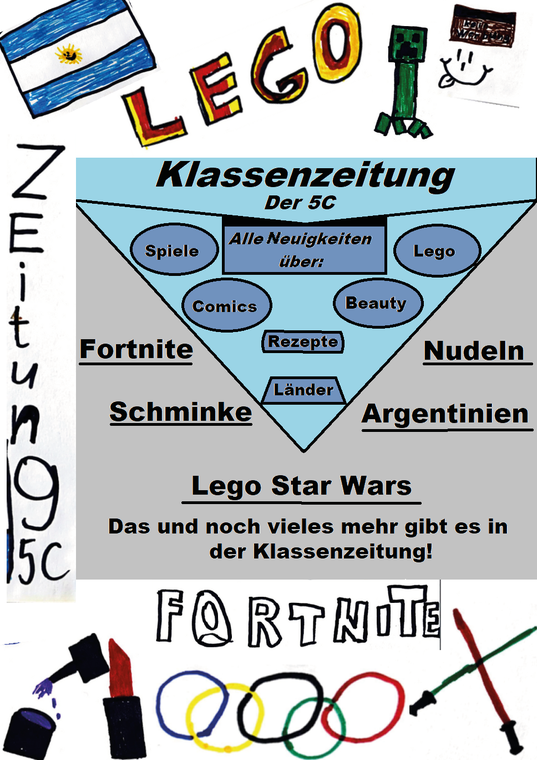
© Schüler:innen der 5c Oberschule Innenstadt Görlitz
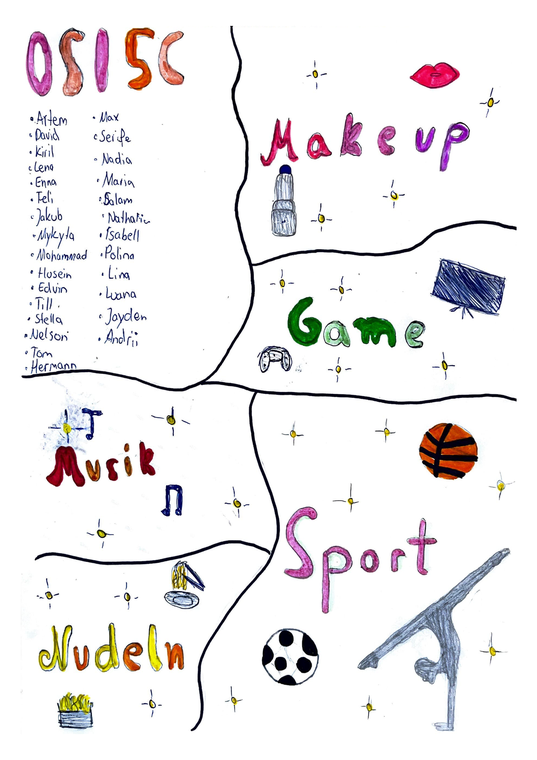
© Schüler:innen der 5c Oberschule Innenstadt Görlitz
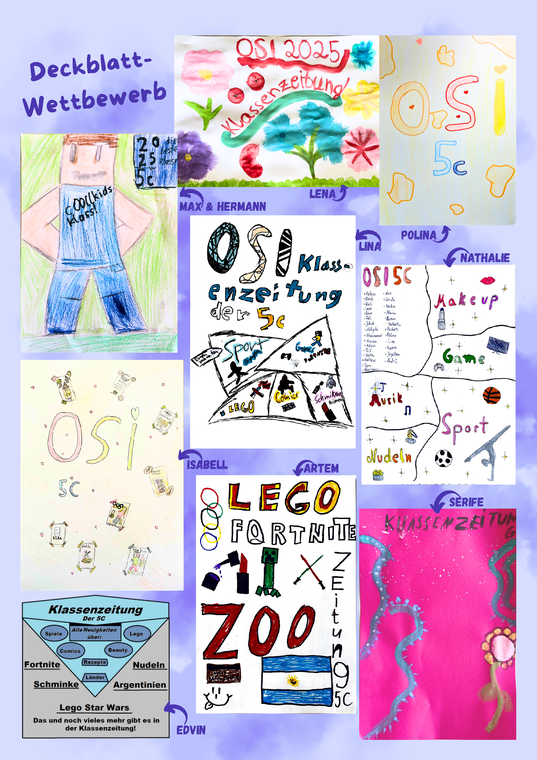
© Schüler:innen der 5c Oberschule Innenstadt Görlitz

© Schüler:innen der 5c Oberschule Innenstadt Görlitz
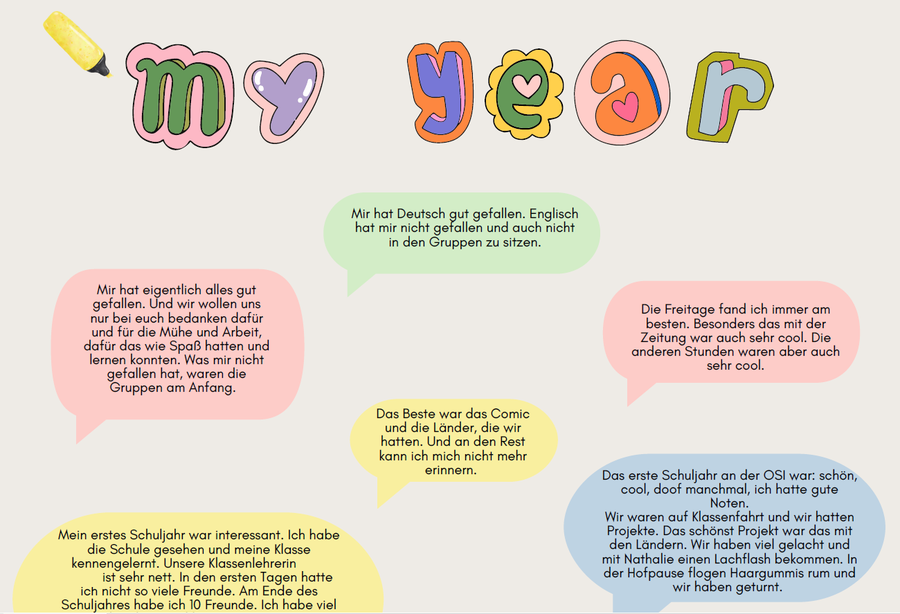
© Schüler:innen der 5c Oberschule Innenstadt Görlitz
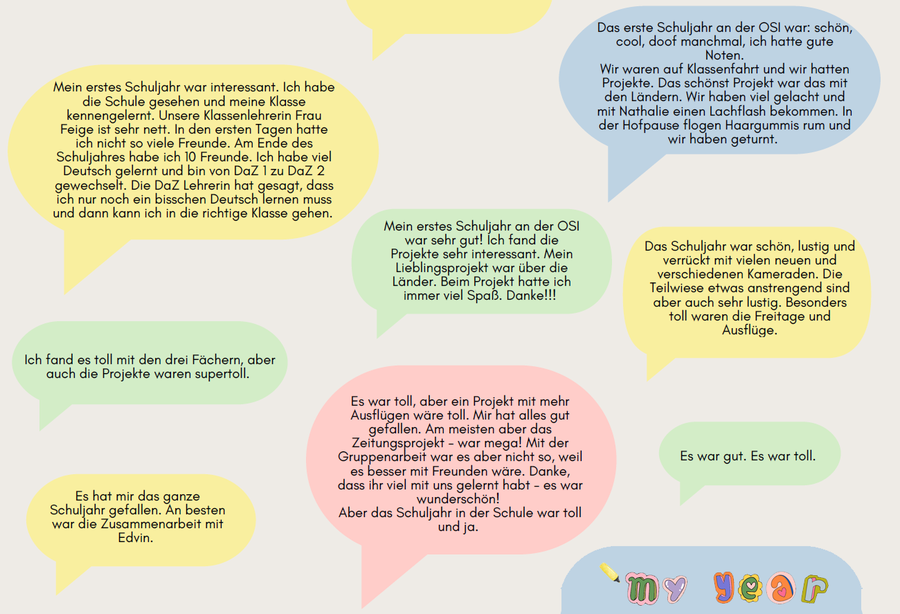
© Schüler:innen der 5c Oberschule Innenstadt Görlitz
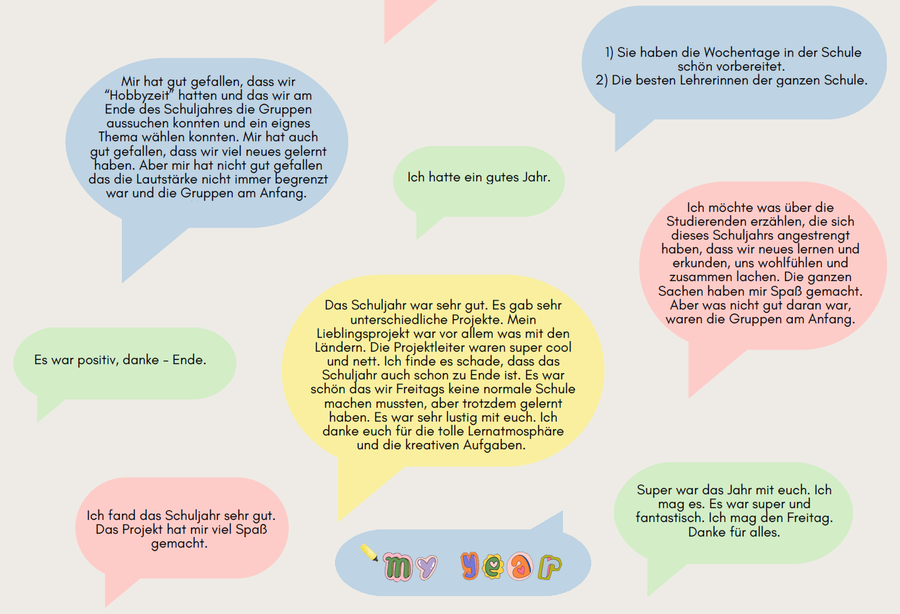
© Schüler:innen der 5c Oberschule Innenstadt Görlitz
© Schüler:innen der 5c Oberschule Innenstadt Görlitz
© Schüler:innen der 5c Oberschule Innenstadt Görlitz
© Schüler:innen der 5c Oberschule Innenstadt Görlitz
© Schüler:innen der 5c Oberschule Innenstadt Görlitz
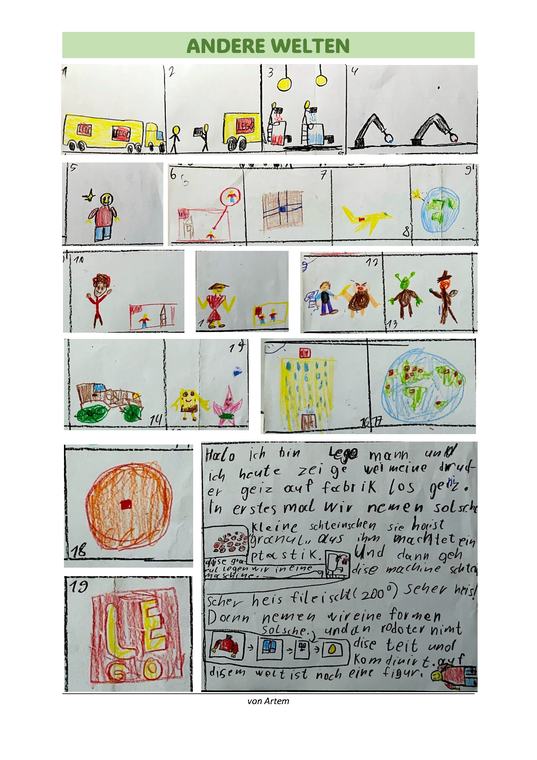
© Schüler:innen der 5c Oberschule Innenstadt Görlitz

© Schüler:innen der 5c Oberschule Innenstadt Görlitz
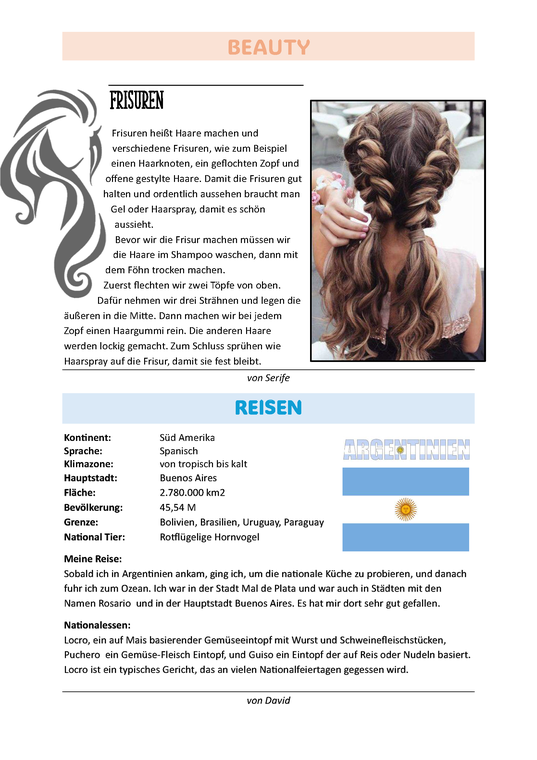
© Schüler:innen der 5c Oberschule Innenstadt Görlitz

© Schüler:innen der 5c Oberschule Innenstadt Görlitz
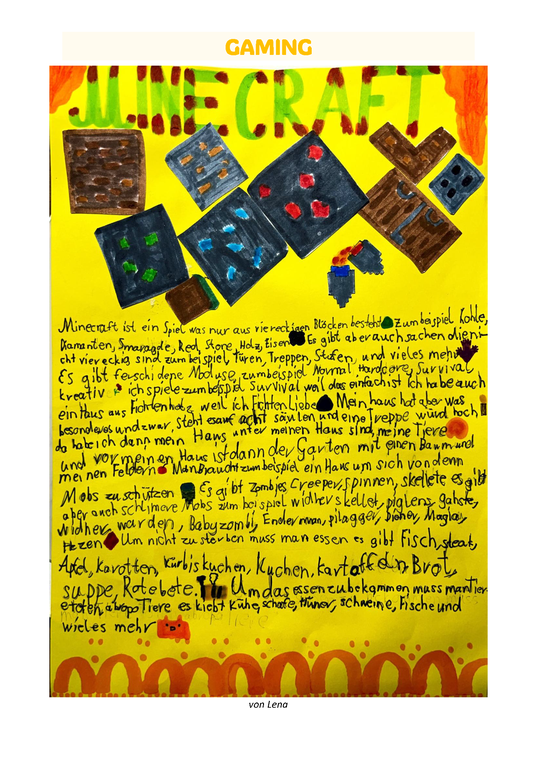
© Schüler:innen der 5c Oberschule Innenstadt Görlitz
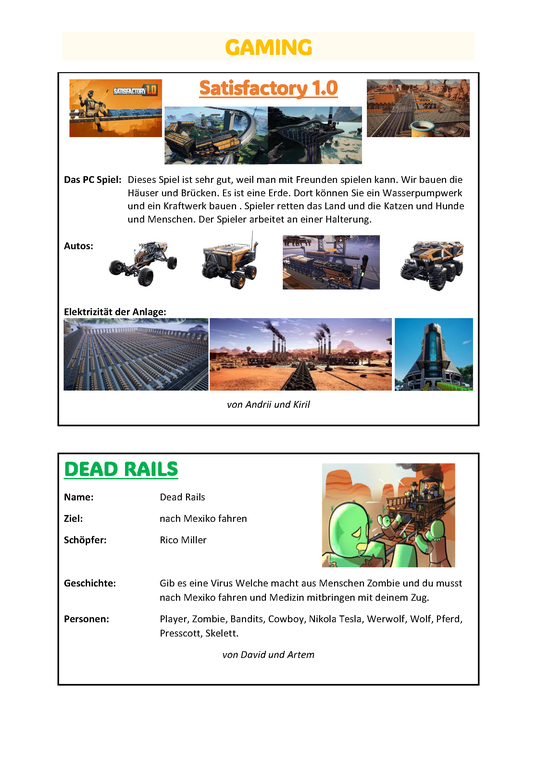
© Schüler:innen der 5c Oberschule Innenstadt Görlitz
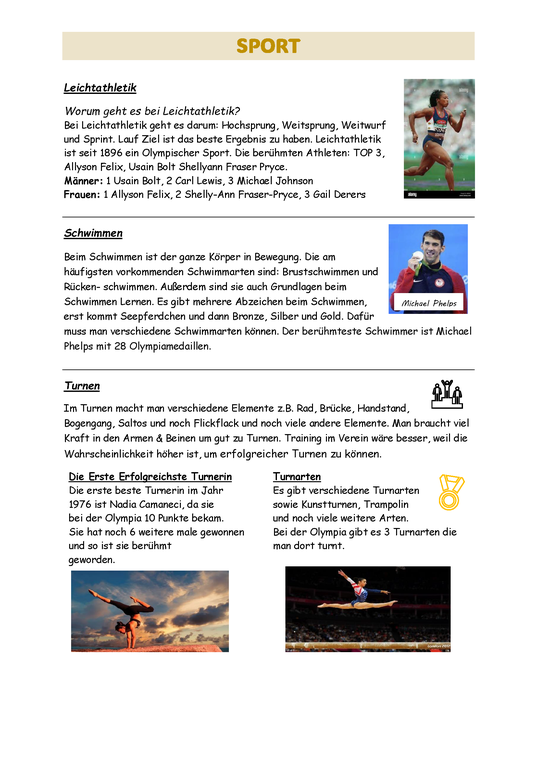
© Schüler:innen der 5c Oberschule Innenstadt Görlitz
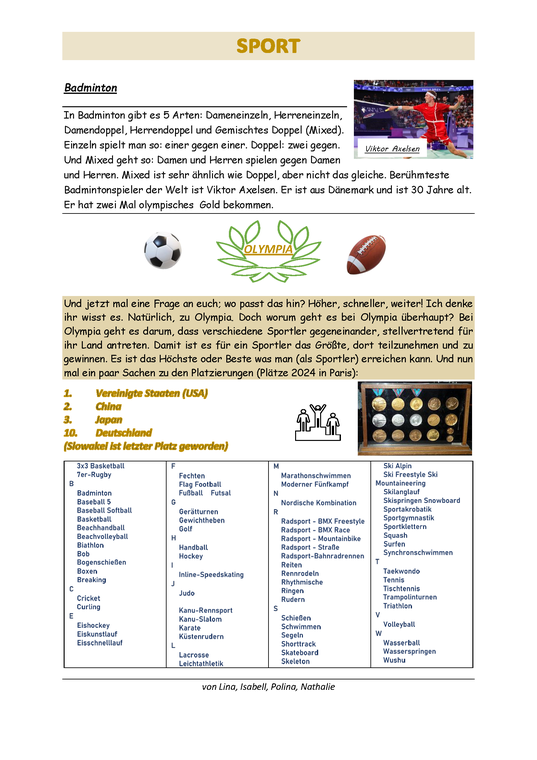
© Schüler:innen der 5c Oberschule Innenstadt Görlitz
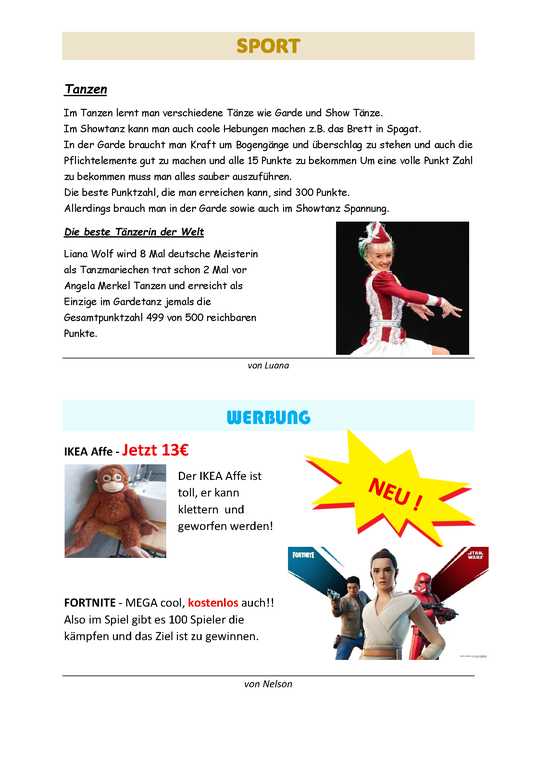
© Schüler:innen der 5c Oberschule Innenstadt Görlitz
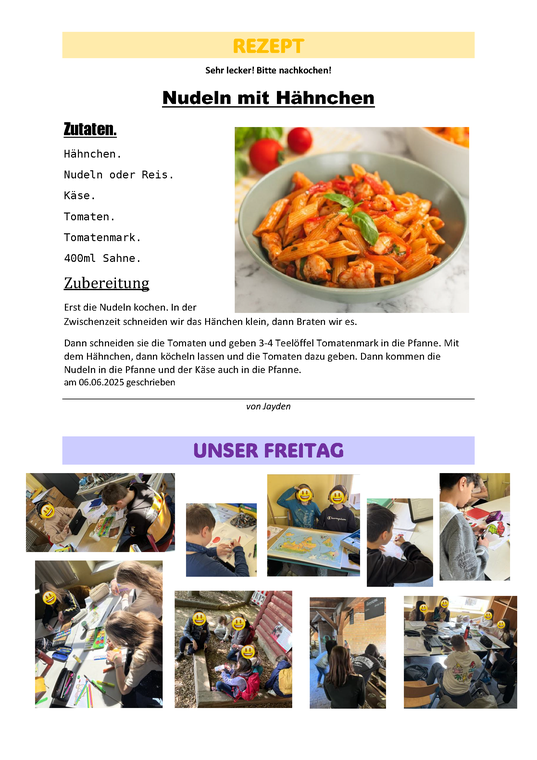
© Schüler:innen der 5c Oberschule Innenstadt Görlitz
© Schüler:innen der 5c Oberschule Innenstadt Görlitz