
Social Robotic Touch
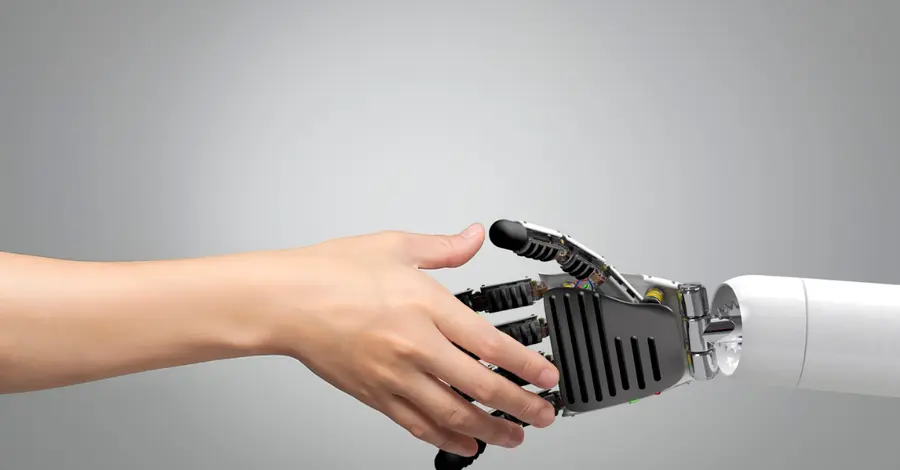
Our research on physical touch and trust started with a systematic review exploring the bidirectional link between touch and trust in interactions with both humans and technology. We wanted to understand not only how touch can shape trust, but also how trust influences the way touch is perceived and experienced.
Systematic review
We then conducted two experimental studies. First, we explored how people choose to comfort someone experiencing emotional distress. We found that people have strong personal preferences for using either touch or words to provide comfort — and that these preferences meaningfully shape empathy and trust in the interaction.
Study on touch, comfort, empathy and trust
Study on touch, comfort, empathy and trust
Next, we asked what happens when touch comes from a social robot. Here, the dynamics changed: robotic touch did not trigger the same trust responses as human touch. We also found that individual differences in people’s propensity to trust technology play an important role in how robotic touch is experienced.
Study on robotic touch and trust
Study on robotic touch and trust
We brought this research line together by guest-editing a Special Issue and publishing an editorial in Computers in Human Behavior, exploring emerging perspectives on touch in human–technology interactions.
Click here to read our Special Issue and editorial
Current projects

We are currently researching social robot touch as a means of comforting participants experiencing low-arousal low-valence emotions. This project is being carried out in collaboration with Dr. Merel Jung and Dr. Jeanne Hecquard from Tilburg University as part of a grant from the Dutch Research Council (NWO).