
Team
Table of contents
Leading Professor
Merle T. Fairhurst
Principle Investigator and Chair of Social Affective Touch
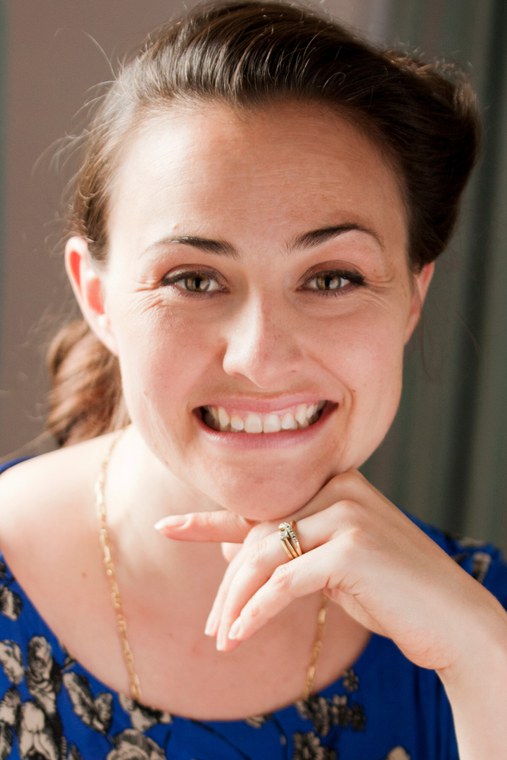
Merle is a cognitive neuroscientist with strong interdisciplinary connections that facilitate interactions with engineers and philosophers. She studies the interaction between sensory signals that allow us to understand the world around us and interact successfully with others. Her projects range from trying to understand what makes touch special to identifying factors that differentiate group interaction from one-on-one interaction. As a classical singer, she is passionate about the particularities of sensory perception in music and art. And as a mother of five, she is a strong advocate for the advancement of women in science.
- Expertise: Cognitive neuroscientist
- Research interest: How touch teaches our other senses to understand the world and others in it
- Favorite touch experience: Loves kneading yeast dough
Postdoctoral researcher
Irene Valori

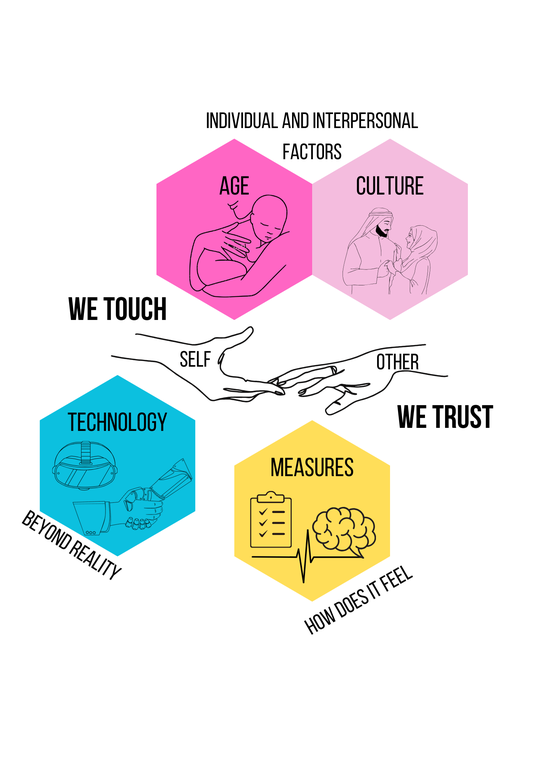
Irene has expertise in developmental and clinical psychology. She completed her Master's and PhD studies at the University of Padua, Italy, focusing on the perceptual, motor and cognitive aspects of people's interaction with virtual environments. Her previous work focused on the potential of VR to promote child development and to support individuals with neurodevelopmental disorders such as autism and ADHD. She is a member of the Chair of Acoustics and Haptics at TU Dresden and the Centre for Tactile Internet with Human-in-the-Loop (CeTI). Irene is currently working on the Trust and Touch project, which aims to investigate the role of affective touch in fostering interpersonal trust in technology-mediated human-to-human exchanges or human-machine interactions. Her research aims to explore individual differences in tactile emotional vocabulary (how do people use and perceive touch that conveys different emotional meanings?), focusing on differences related to developmental trajectories, culture and gender.
https:// ceti.one/irenevalori/
- Expertise: Developmental psychologist
- Research interest: How children touch objects and other people to learn about the outside world and the self
- Favorite touch experience: She loves to put her feet in the sand.
Sasan Matinfar
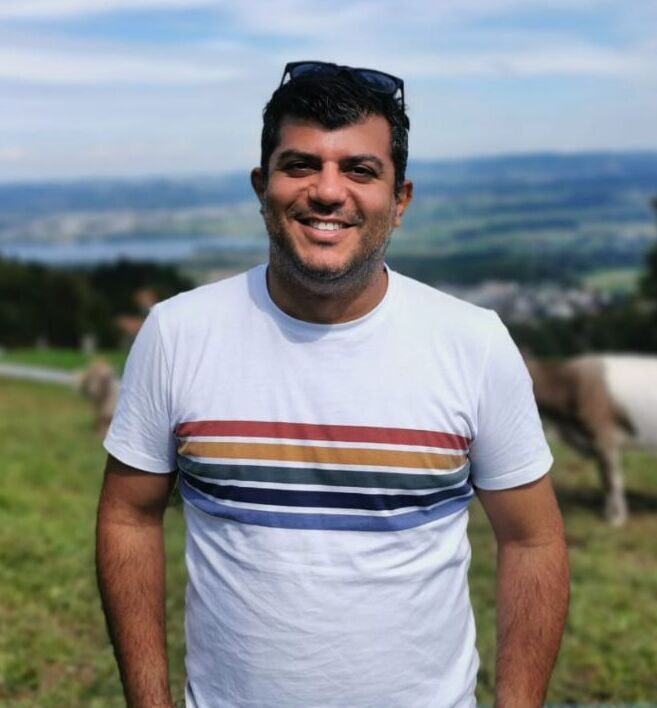
Dr. Sasan Matinfar is a postdoctoral researcher at TU Dresden working at the intersection of sonification, Sonic Interaction Design (SID) and multisensory processing in Extended Reality (XR) for medical and surgical applications. His core research areas are the conversion of vibroacoustic and interaction-based signals into perceptually relevant auditory feedback that complements visual perception and partially replaces missing or impaired haptic and tactile stimuli in the operating room. He holds a bachelor's degree in music (piano) and bachelor's and master's degrees in computer science from LMU Munich. He received his doctorate (summa cum laude) from the Technical University of Munich (TUM). His dissertation dealt with causality-based, physics-based sonification frameworks integrated into XR systems for surgery. This work explicitly addressed how auditory feedback can convey interaction dynamics - such as contact, friction, stiffness changes and micro-events - that are otherwise sensed via touch. This supports sensorimotor control when direct haptic feedback is limited or absent. Dr. Matinfar is currently the scientific coordinator of a DFG-funded research project on sonification in vitreoretinal surgery, which is being carried out jointly by TU Dresden and TUM Munich. His work contributes to the development of multisensory interaction paradigms in which sound as an integral perceptual channel is closely linked to imaging and instrument-tissue interaction to support surgical navigation, characterization and decision making.
- Expertise: Causality-based sonification and sonic interaction design for surgical contexts, auditory feedback in multisensory extended reality systems, vibroacoustic detection and characterization of instrument-tissue interaction, perceptually and cognitively informed interaction design for clinical application
- Research interest: Physically based representations of vibroacoustic interaction for real-time auditory feedback, multimodal fusion of vibroacoustic, imaging and tool interaction data for surgical navigation, closed-loop auditory feedback systems for interaction-driven tissue characterization, perceptual learning and adaptation to continuous auditory feedback in complex surgical tasks, user-centered and perceptually informed assessment frameworks for auditory support in surgical workflows.
- Favorite touch experience: Experiencing subtle mechanical nuances through skilled interaction - such as tactile-auditory coupling when playing musical instruments - where small variations in force, material and contact are immediately perceived and influence continuous action.
Current team members
Benjamin Rieger

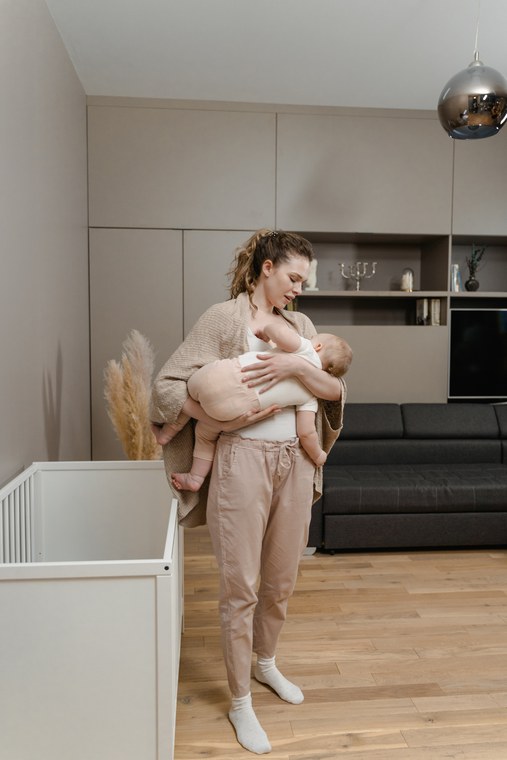
Ben is a neurophilosopher, audio engineer, music producer and concert organizer in Munich, working as an external doctoral student at TU Dresden. Music and the communities that surround it have always played an important role in his life. His passion for philosophy and science has led him to study philosophy at the LMU Munich and to pursue interdisciplinary projects in the field of neuroscience and evolutionary anthropology.
After exploring the universality of lullabies through their universal tempo range, Benjamin is currently investigating the relationship between lullabies, affective touch and arousal by studying the coupling mechanisms of the two behaviors and exploring the similar process through biofeedback and neurofeedback. Examining the dynamics of song and touch tempo in live settings will be informative for understanding these behaviors and developing new therapeutic approaches in the future.
- Expertise: Philosophy of mind, neurophilosophy, neuroscience of music, music production and composition, bioethics
- Research interests: Affective touch, lullabies and sleep music, evolution of musical behavior, cooperation and altruism, deception and self-deception, trauma and depression therapy
- Favorite touch experience: A really warm, welcoming hug.
Verena Zierer
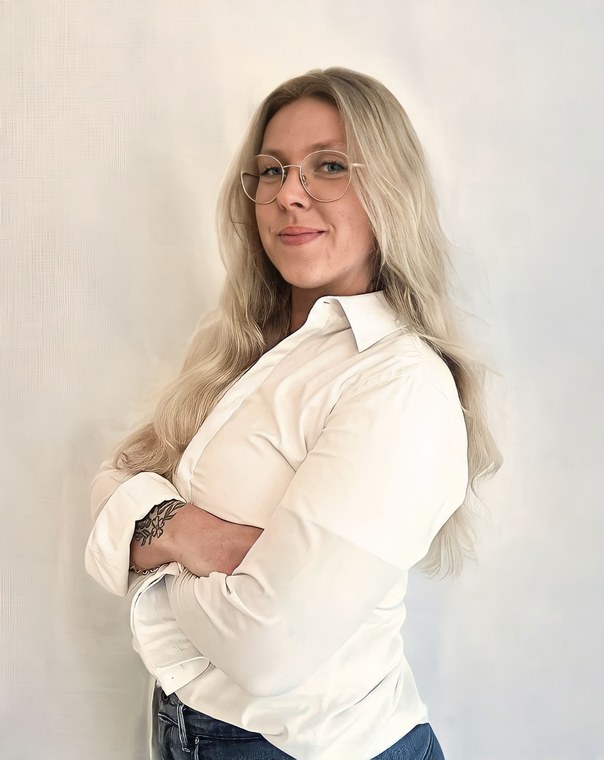
Verena holds a Master of Science in Clinical Psychology from the University of the Federal Armed Forces in Munich. In her Master's thesis, Verena conducted a captivating investigation entitled "Touch aversion in different contexts", a study with subclinical patients. Her research was dedicated to deciphering the intricacies of how people respond to affective touch in different situations and shed light on the complex interplay between psychological factors and the perception of touch, providing invaluable insights into the field of affective processing and its influence on human behavior.
This master's thesis marked the beginning of her PhD project, which focuses on the development of touch medicine as a therapeutic method for people with touch aversions, with a particular focus on patients diagnosed with autism spectrum disorder (ASD). In her ongoing research, she strives to develop innovative therapeutic approaches that utilize the therapeutic potential of touch to improve the overall well-being and quality of life of people with touch aversions, particularly in the context of ASD.

- Expertise: Clinical psychology, biopsychology, autism
- Research Interests: Affective touch, neuropsychology, neuroendocrinology, psychoendocrinology, autism, touch medicine, touch in clinical therapy
- Favorite touch experience: Gently stroking the exceptionally soft fur behind a cat's ear
Francesco Rizzi
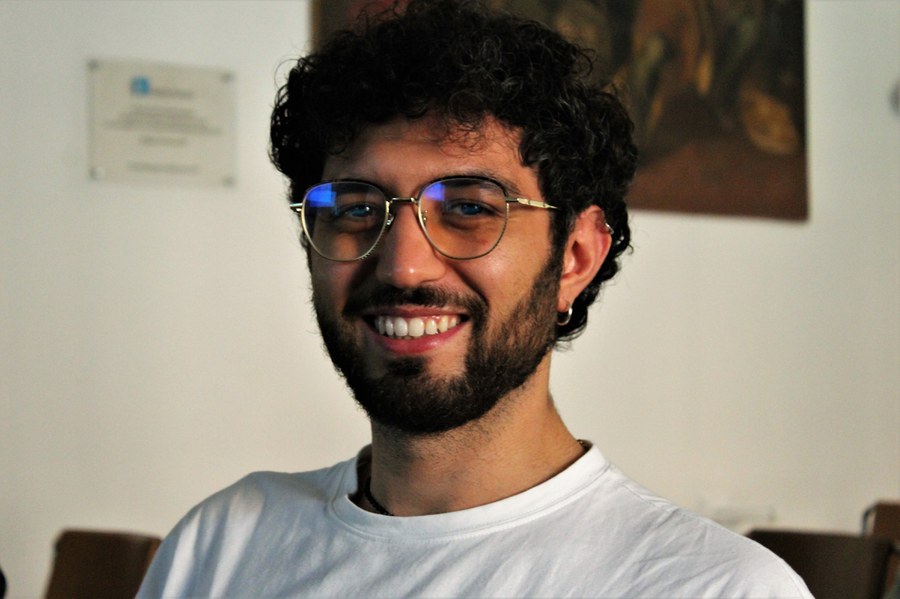
Francesco is a doctoral student in Contemporary Art History at the University of Parma, where he studies the relationship between art and technology. His research deals with immersive experiences, the historical development of virtual reality (VR) devices and their artistic applications. His research also explores the psychological and physiological effects of immersive technologies, including their role in social interactions and sensory experiences. He has participated in several research projects, including collaborations with the University of Padua on social inclusion and affective touch, and is currently a visiting researcher at the TUD Dresden University of Technology.
- Expertise: Immersive technologies such as the development of projects in VR, Unity 3D and C#
- Research interests: Development of immersive experiences, artistic use of VR and perception of digital environments
- Favorite touch experience: The sun's rays caress me by the sea
Wenhan Sun
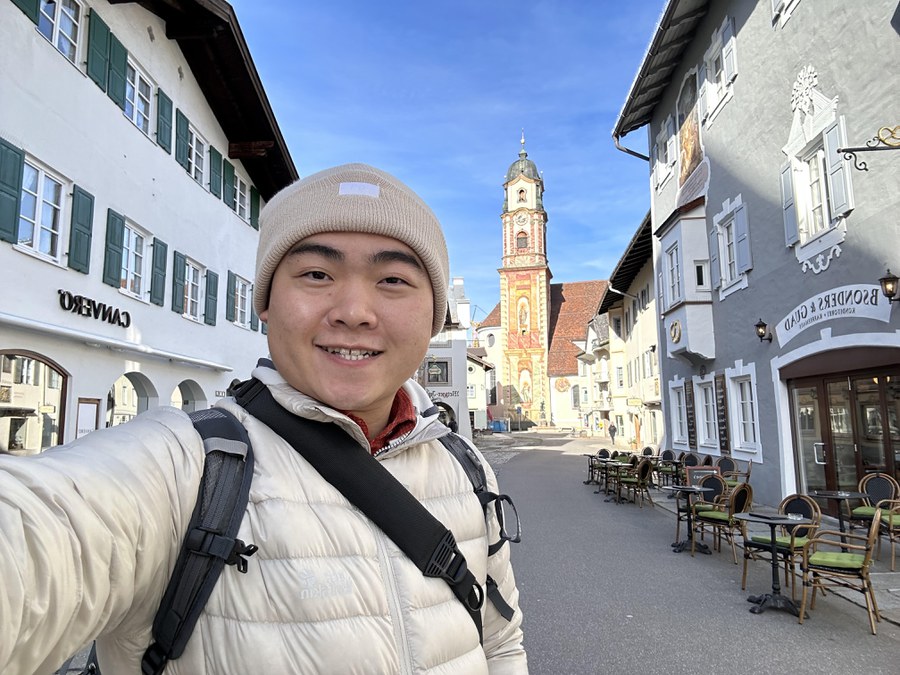
Wenhan is currently a doctoral student at LMU Munich and has a multidisciplinary background. In recent years, he has conducted many experiments related to touch and fun, such as integrating haptic stimuli into online experiments or simulating affective touch in VR. He is very interested in the relatively underestimated sense of touch and hopes to contribute to the understanding of touch and its integration into other technologies.
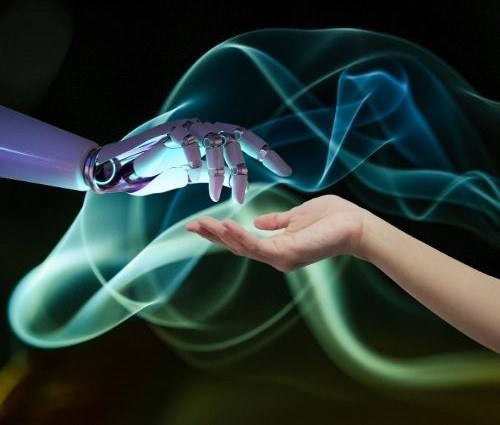
Touch and trust: Wenhan is working on a project that simulates touch in VR. The project integrates this technology to control the contexts in which people perceive touch and aims to establish the potential use of other devices to simulate human touch. This opens the door to an amazing world of digital / human-machine interaction.
- Expertise: Analyzing behavioral and physiological data, conducting experiments
- Research interest: How we perceive and use touch and how our bodies respond to touch
- Favorite touch experience: a violin vibrating gracefully under my fingers.
Pınar Ekin
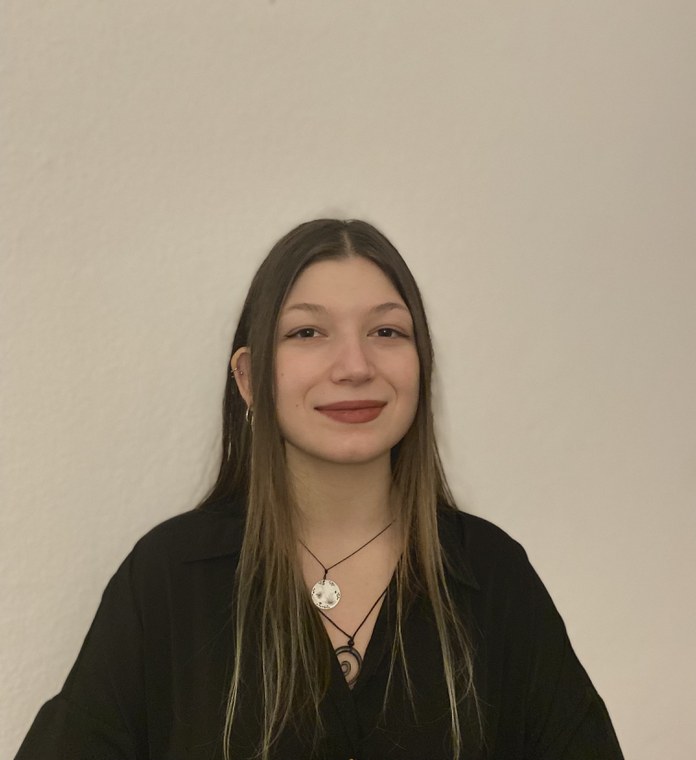
Pınar studied psychology and completed her master's degree in cognitive neuroscience at the Free University of Berlin. She worked as a Research Associate at the Free University and the Weizenbaum Institute and also completed an internship at an addiction clinic in Ankara. She developed an interest in psychopathologies with somatic components, emotional differentiation between self and others, and the role of skin as a barrier and bridge in interpersonal relationships. She wrote her master's thesis in the KatLab at UCL in London, focusing on the interplay between alexithymia, age-centric bias and eating disorder symptoms using spectral dynamic causal modeling with resting-state fMRI data.
- Expertise: Cognitive neuroscience
- Research interests: Psychopathologies, subjective experience, clinical neuroscience, continental philosophy and neuropsychoanalysis
- Favorite touch experience: Shaping clay
Jasmin Merkel
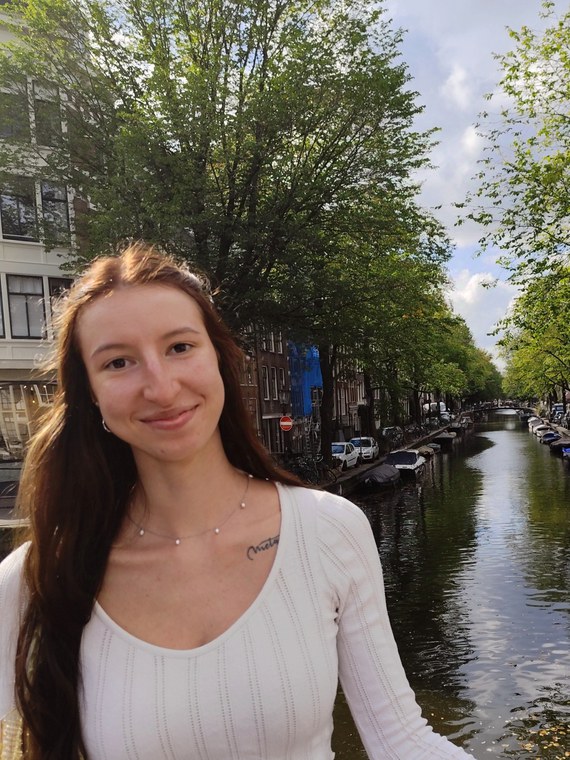
Jasmin has a bachelor's degree in psychology and plans to do her master's in clinical psychology. She is interested in the developmental and clinical effects of early touch experiences and how social touch can promote connection and synchrony between people.
- Expertise: Psychology
- Research interest: The role of touch in early human development, interpersonal synchrony
- Favorite touch experience: soothing back strokes and massages
Katharina Wennemaring
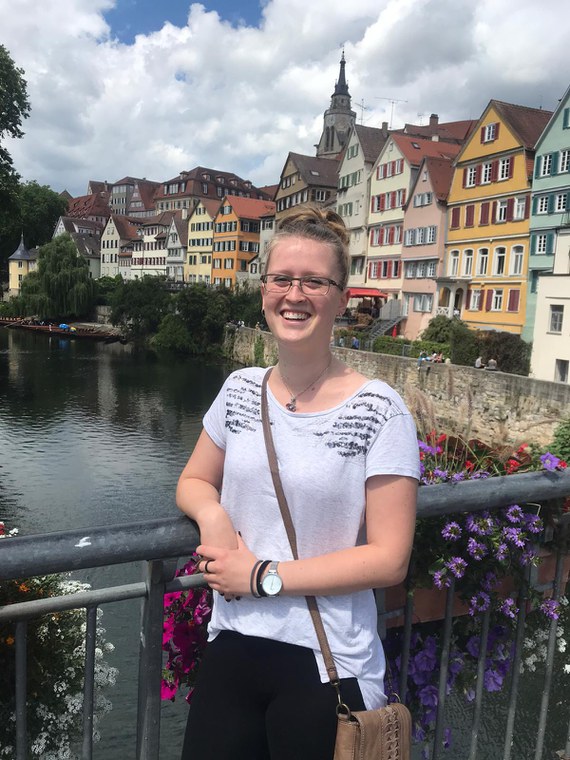
Katharina holds a Bachelor's degree in Industrial and Organizational Psychology from Rhine-Waal University of Applied Sciences and is currently completing her Master's degree at TU Dresden. In between her studies, she gained practical experience as a junior consultant in a company specializing in working time systems. Driven by her strong interest in science, she spent a semester abroad in Sydney, Australia, where she researched meta-argumentation and the psychology of giving up. During her master's studies, she developed a great fascination for human-machine interaction and virtual reality. Her thesis explores motor learning in VR environments using pseudohaptic feedback and reflects her passion for applied cognitive science and emerging technologies.
- Expertise: Industrial and organizational psychology, working time
- Research interests: Human-machine interaction, VR, learning
- Favorite touch experience: Touching cool water, e.g. a small stream in the forest
Fatih Akbel
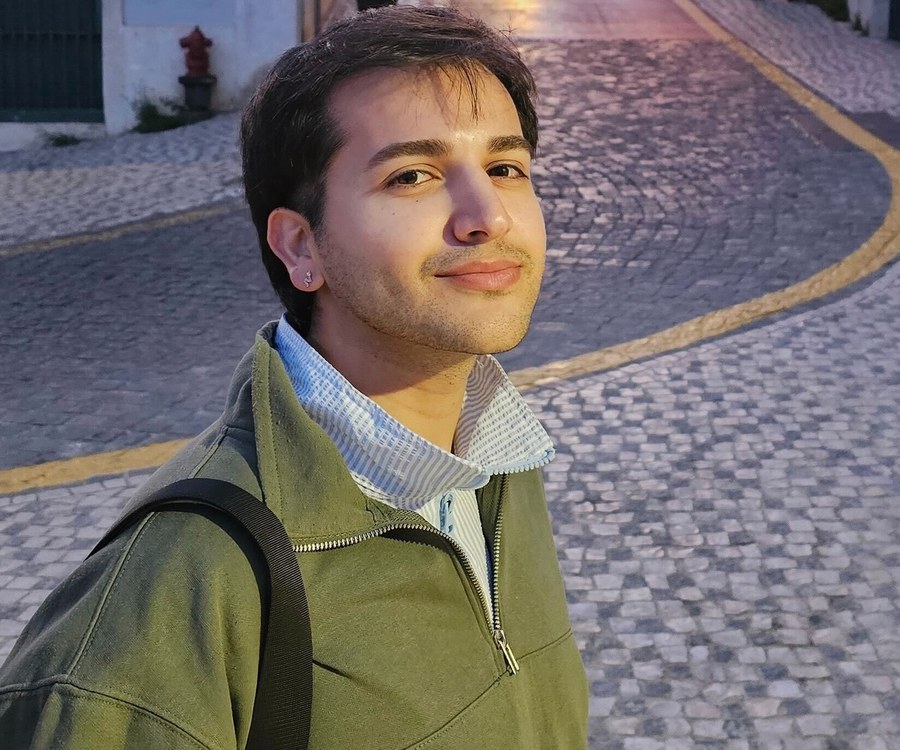
Fatih is a Master's student in Clinical, Social and Intercultural Psychology at the University of Padua and has research experience in the fields of career counseling, social inclusion and applied psychological diagnostics. He is currently expanding his methodological and interdisciplinary research skills at CeTI through his work on human-robot interaction, stress regulation and social touch. He uses neurophysiological and behavioral approaches such as fNIRS and movement-based analysis.
- Expertise: Clinical and social psychology
- Research interests: Stress, emotion regulation, emotional intelligence, affective touch and user-centered technology research
- Favorite touch experience: Wind blowing through my hand from the car window and fine sea sand between my fingers
Maryam Alipour

Maryam is a Master’s student in Developmental and Educational Psychology at the University of Padova. She is currently completing her internship and Master’s thesis at TU Dresden, where her research explores how the brain distinguishes between self and other during virtual touch interactions, and how multisensory cues modulate these boundaries in immersive virtual environments.
- Expertise: Psychology, Neuroscience
- Research interests: Self-other distinction, affective and social touch, embodiment in virtual reality, imaging techniques
- Favorite touch experience: The soft warmth of loved ones' skin and the delicate feeling of cool seawater between the fingers
Laura Baccaro
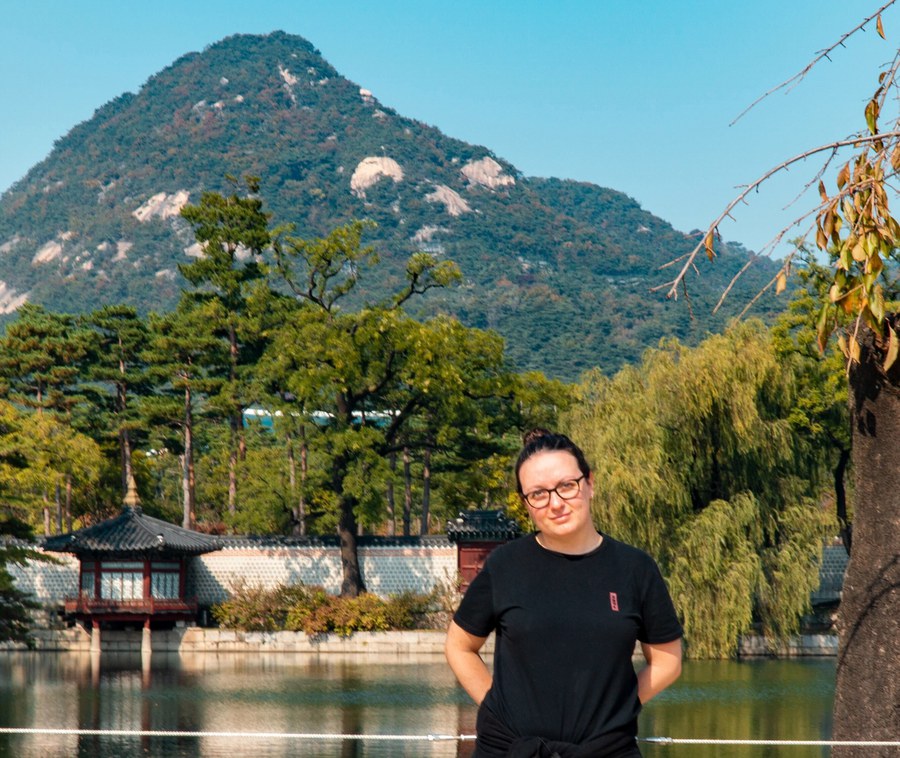
Laura has a Bachelor's degree in Psychological Sciences and Techniques and Imaging and Radiation Therapy Techniques. She is currently pursuing a Master's degree in Neuroscience and Neuropsychological Rehabilitation at the University of Padua. She has also spent time studying in South Korea and Norway. Laura is passionate about research and is interested in exploring human-machine and human-human relationships.
- Expertise: Psychology, neuroscience, imaging techniques
- Research interests: Neuroimaging techniques, VR, human-human and human-machine relationships.
- Favorite touch experience: Firm handshake
Melanie Fernandez
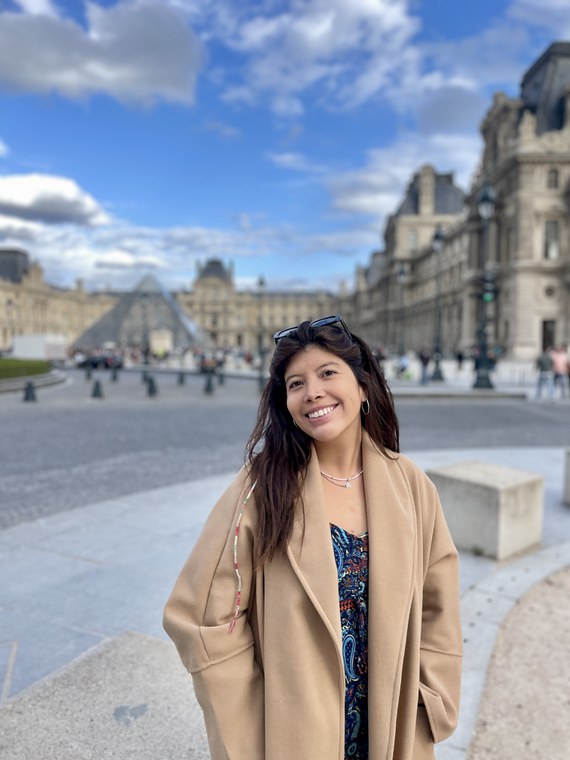
Melanie Fernandez is currently completing an internship at CeTI as part of her Master's degree in Community Psychology, Well-Being Promotion, and Social Change at the University of Padua. Originally from Bolivia, her academic and professional journey has taken her across various European contexts, including Italy, Belgium, Greece, and Germany. These experiences have deepened her interest in migration, social inclusion, and the psychological dimensions of belonging and exclusion.
Her academic background is in community and social psychology, with experience in educational, psychosocial, and community-based work with vulnerable and marginalized groups, including migrants and refugees. Through this experience, she has developed a particular interest in how people cope with displacement, social transitions, and questions of identity in diverse cultural and social contexts.
At CeTI, she is expanding this perspective within an interdisciplinary research environment that combines psychology, human interaction, and new technologies. She is particularly interested in how psychological processes such as selective empathy, collective memory, and social perception shape human interaction, emotional experiences, and inclusion in both social and technological contexts.
- Expertise: Community and social psychology, migration and inclusion, psychosocial support, educational and community-based interventions
- Research interests: Selective empathy, collective memory, social perception, migration and belonging, emotional experience, human interaction, inclusion and well-being in technological contexts
- Favorite tactile experience: The warmth of a hot shower after a long day or the refreshing sensation of the cool sea on a summer day
Max Wileschek
Max Wileschek is a PhD candidate at the Doctoral Centre for Social, Health and Economic Sciences at the Universities of Applied Sciences in Saxony-Anhalt. His research focuses on the ethnographic study of haptic interfaces in their development and application, particularly in the context of mixed-reality technologies. His work is based on the media-theoretical thesis that the culture of digitality is increasingly constituted by a tactile paradigm. He understands technological development as a socio-cultural process of negotiation that goes beyond engineering feasibility. As part of his doctoral thesis, he analyses how research groups digitise the sense of touch and what implicit assumptions and interpretations underlie this process. His interest lies in the question of how the emerging digital sense of touch – mediated by haptic interface technologies – transforms the conditions of self-perception and world perception as a sensory paradigm of digitality.
Max holds an M.A. in Applied Media and Cultural Studies from Merseburg University of Applied Sciences alongside a B.Eng. in Media Technology from HTWK Leipzig.
Expertise: Digital media philosophies, post-phenomenology, immersive media technologies, qualitative research
Research interests: Qualitative investigation of the cultural and epistemological implications of digital tactility, in particular how haptic technologies shape new forms of perception and interaction in hybrid realities.
Favourite tactile experience: the invisible touch which takes control and slowly tears you apart
Former team members
Giovanna Furlan
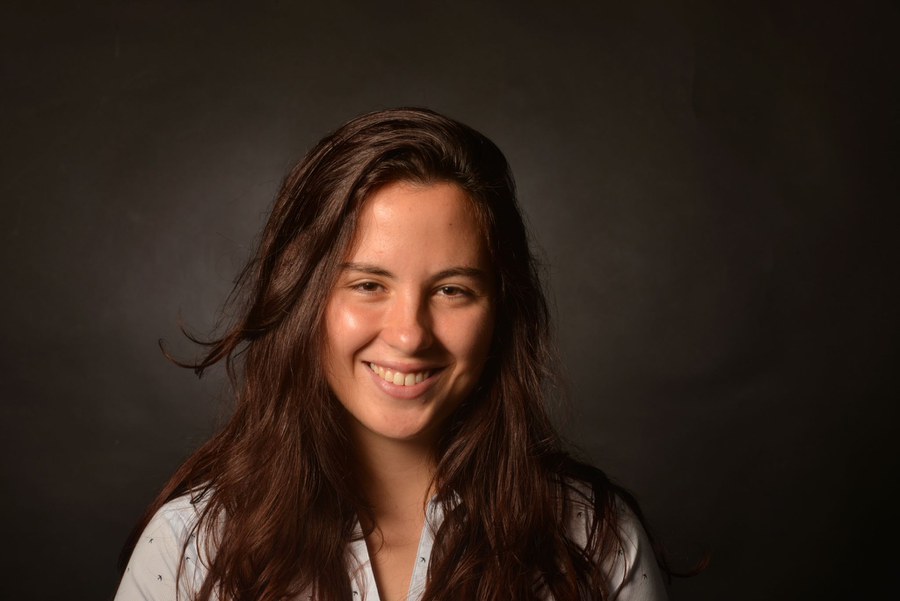
Giovanna has a BSc in Psychology and is very interested in the reasons behind the overuse of social media. After a year with us, she has embarked on a new adventure and will be starting a Masters degree at UCL in London.
- Expertise: Psychology
- Research interest: The role of touch in social media overuse and how haptic feedback redirects users' attention
- Favorite touch experience: Playing with Noctiluca scintillans, a bioluminescent algae that sparkles when the water around it is touched
Juliette Fairhurst
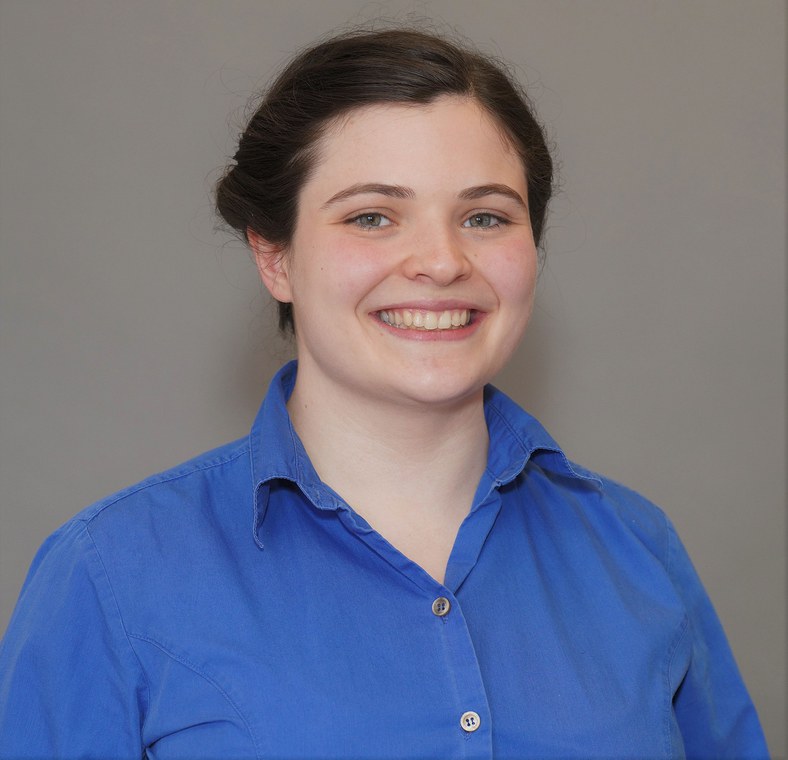
Juliette is studying for a Bachelor's degree in Computational Linguistics and Classics at Heidelberg University.
- Expertise: Computational Linguistics
- Research interest: How different people perceive touch and how touch can be used to make people feel better
- Favorite touch experience: Petting kittens
Louise Staring
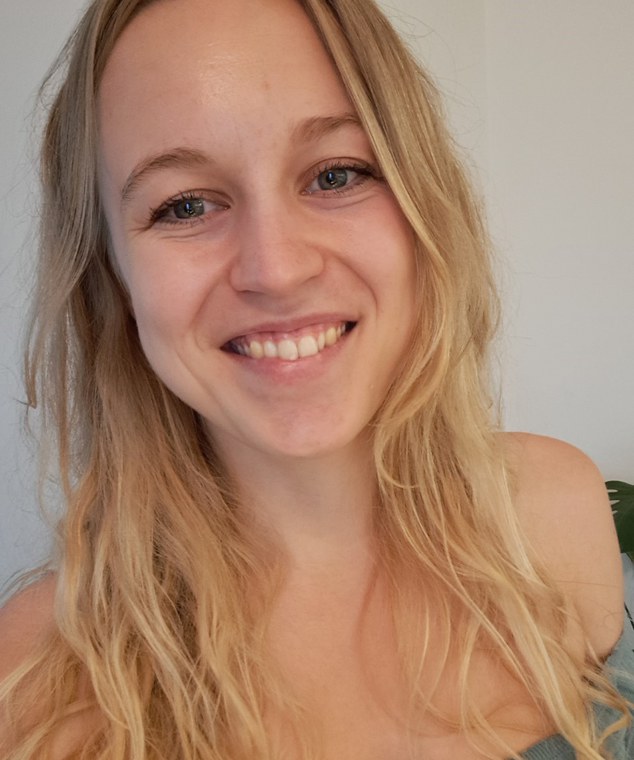
Louise holds a Master's degree in Clinical Psychology from the Free University of Brussels, where she recently started her PhD studies. During her Master's studies, she specialized in biological psychology and has since gained clinical experience in the field of adolescent mental health care. She is therefore very interested in the interface between biological and developmental psychology. In her Master's thesis, she investigated how a four-week daily intervention of gentle stroking improved infants' psychophysiological stress regulation and resilience, which led her to further investigate the underlying mechanisms of affective touch by parents.
Sensitouch: with funding from the Research Foundation Flanders, Louise is conducting a longitudinal study examining mothers, fathers/partners and infants to investigate how infants' sensitivity to affective touch develops in early life and how this is shaped by their developmental context. With the future goal of identifying infants' sensitivity to affective touch in an accessible and clinically relevant way, she is also investigating whether infants can visually discriminate affective from non-affective touch and, if so, what underlying mechanisms play a role in this.
- Expertise: Clinical psychology
- Research interest: How our early life experiences and interactions make us who we become
- Favorite touch experience: the feeling of soft, freshly laundered sheets after a hot shower
Camille Sallaberry
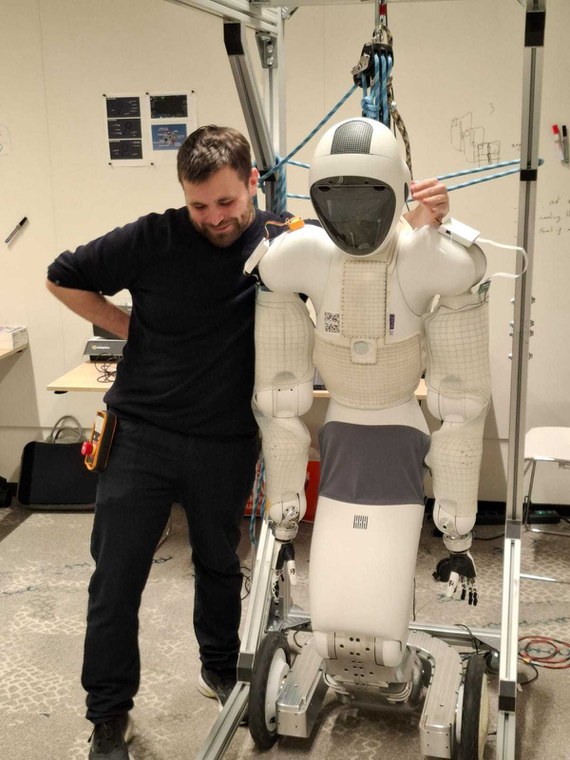
Camille is a social roboticist with a strong interest in the complexity of (social) interactions that take place during human-robot and human-mediated communication. His core research areas are asymmetric access to social information in mediated communication, particularly in relation to avatar robots as mediators and to the sense of touch. Camille also participated in a transdisciplinary project to design and develop innovative co-created robotic solutions, for which he promoted human-robot teamwork and semi-autonomous capabilities, as well as an advancement of people's robotics knowledge.
His current project investigates people's sense of co-presence during a remote interaction and its variation influenced by the type of media used and their communication settings.
- Expertise: Remote Social Touch and Avatar Mediated Interaction
- Research interest: How we access our senses via a robotic avatar and how much not accessing these senses affects our social experience
- Favorite touch experience: Petting your dog
Yasemin Abra

Yasemin holds a BSc in Biology and an MSc in Neurocognitive Psychology from LMU Munich. Her acting experience has allowed her to incorporate practices from theater into her research, where she used the "Mirror Game" exercise to investigate coordination dynamics as a function of expertise and wrote her thesis at the NEVIA Lab on interpersonal synchronicity and autism-like traits. She is a fellow of the Neuropsychoanalysis Association and studies with Prof. Mark Solms.

The effect of expertise on creative coordination in groups using a novel Zoom-based mirror game: People coordinate in groups not only for functional reasons, but also to achieve greater creative potential. Although the dynamics underlying creative coordination have received attention in recent years, no previous research has investigated the impact of expertise on our interaction within a group. In this study, we investigate how coordination and complexity of movement in a Zoom-based mirror game are influenced by expertise and how this combination affects our feelings towards others.
- Expertise: Neurocognitive psychology
- Research interest: How nonverbal interaction dynamics help us stay together in time
- Favorite touch experience: Playing with brown sugar
Giulia Anilia Gambaretti
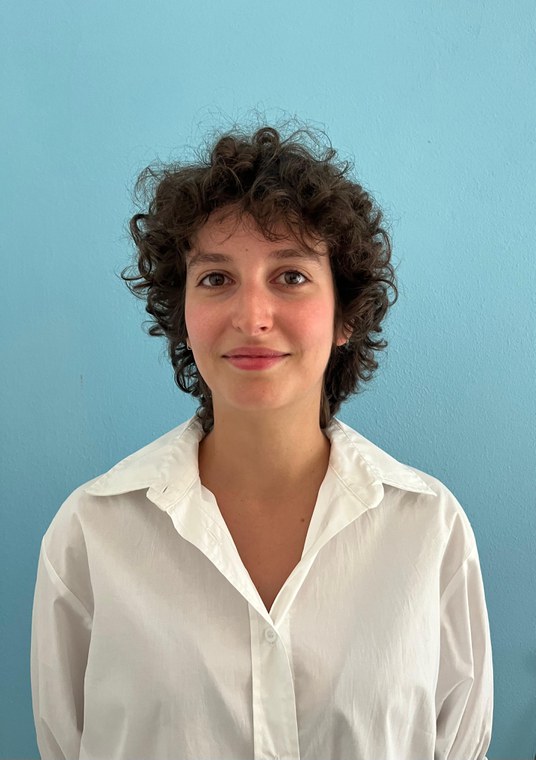
Giulia studies Neuroscience and Neuropsychological Rehabilitation at the University of Padua.
- Expertise: Neuroscience
- Research interest: Interpersonal synchronicity and neurological imaging techniques
- Favorite touch experience: dipping her fingers into the waves
Nicola Visentin
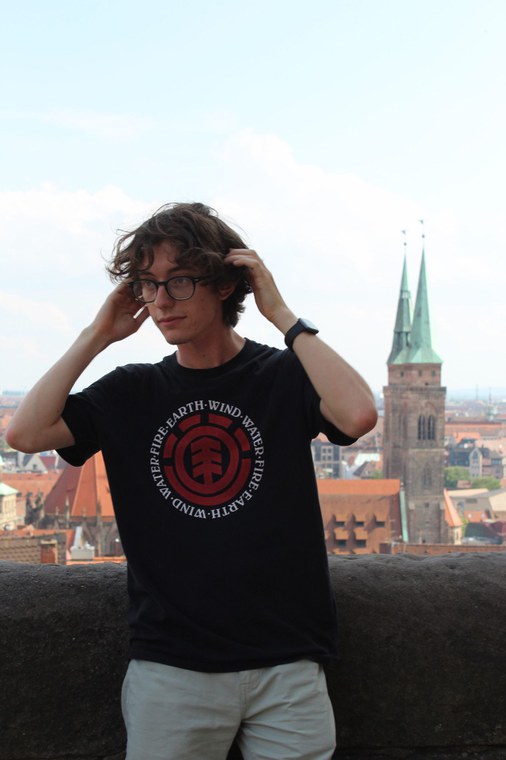
Nicola holds a BSc in Cognitive Psychology and Psychobiology and is currently attending the Master's program in Applied Cognitive Psychology in Padua.
VEIIO x Social Affective Touch: Nicola is currently working on a project that involves the development of an AI-controlled T-shirt that can help with physical activity by implementing vibrating haptic feedback to correct people's posture. The aim is to help people with the ever-growing problem of lower back pain related to poor posture by developing a system they can trust, just like a human physiotherapist.
- Expertise: Cyberpsychology
- Research interest: How technology influences and shapes human behavior and experience
- Favorite touch experience: The light and reassuring flipping of pages under your finger
Helene Krämer
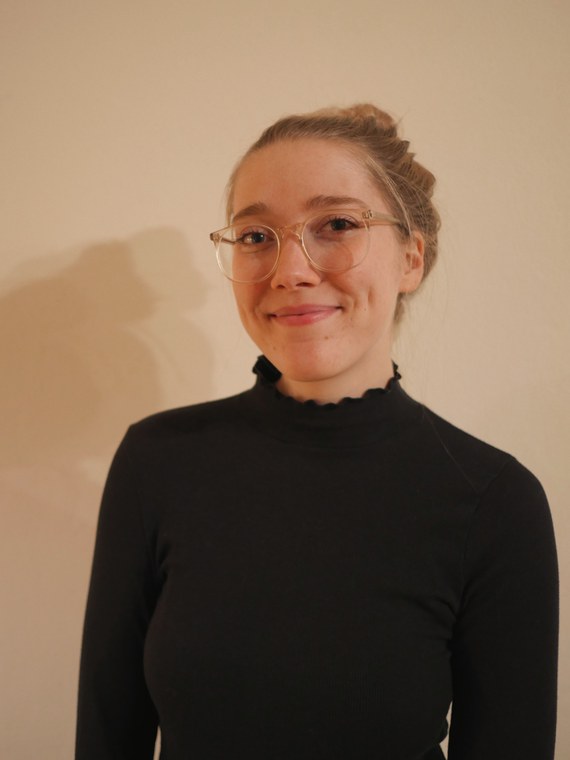
Helene completed her Bachelor's degree in Psychology at Friedrich Schiller University Jena and completed the Master's program in Psychology (Human Performance in Socio-Technical Systems) at TU Dresden. During her Master's degree, she focused on human-machine interactions and the question of how technology can be designed so that people can work efficiently with it. She completed internships in the clinical field and in suicide prevention for adolescents and is currently writing her dissertation at the Chair of Social Affective Touch on the topic of touch in virtual reality, with a special focus on in-group/out-group dynamics.
- Expertise: Psychology
- Research interest: How touch is perceived in virtual reality and how it can influence our behavior
- Favorite touch experience: Petting my dog
Marco Ganio Mego
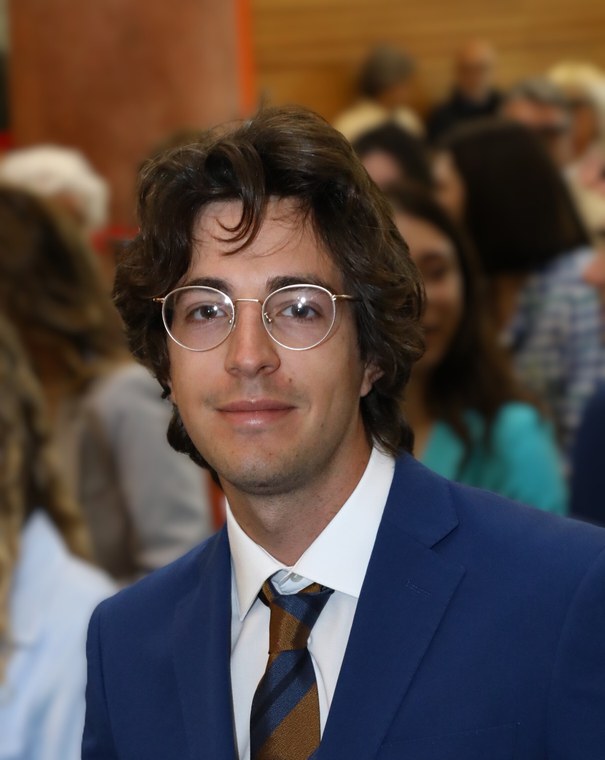
After completing his Bachelor's degree in Psychology at UNIMORE, he is currently pursuing his Master's degree in Neuroscience and Neuropsychological Rehabilitation at UNIPD, studying how touch in virtual reality affects social dynamics.
- Expertise: Neuroscience, cognitive psychology
- Research interest: Social touch
- Favorite touch experience: the feeling of gently stroking moss
Visiting researchers
Carmen Padilla Moledo
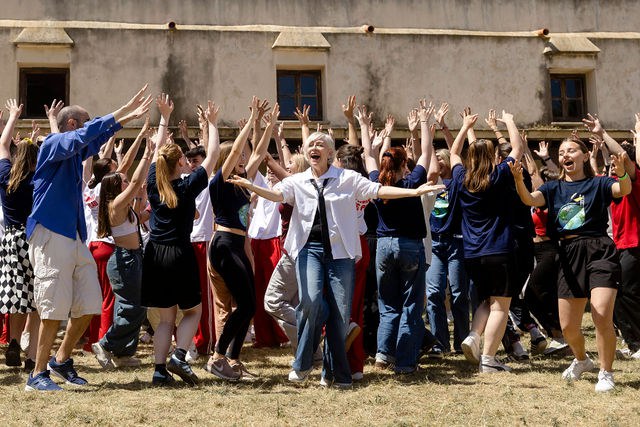
Carmen has a Bachelor's degree in Exercise Science and Sport. International doctorate from the University of Cádiz (Spain) and the Karolinska Institute (Sweden): "Physical fitness, psychosocial positive health, health risk behaviors and health complaints in children aged 6 to 17 years". She currently works as Associate Professor, teaching in the Bachelor's Degree in Physical Activity and Sport (Body Expression and Dance), Master's Degree in Physical Activity and Health (Biodance) and Master's Degree in Secondary Teaching: Physical Education (Trainnership) at the University of Cádiz (Spain).
Research activity: https://produccioncientifica.uca.es/investigadores/113131/detalle, https://www.expresiva.org, https://sea-eu.org/dancing-bip-at-the-university-of-cadiz/
- Expertise: Creative movement, physical-activity-and-well-being.
- Research interest: Creative movement and its social interaction and health.
- Favorite touch experience: Her father's and mother's hugs. And pseudo-touch when her body glides over the water while swimming or the sand under her feet when she walks on the beach.