
Research areas
At the Chair of Robotics, our research advances intelligent, networked, and physically embodied systems across five core thematic areas:
Skill Transfer & Acquisition
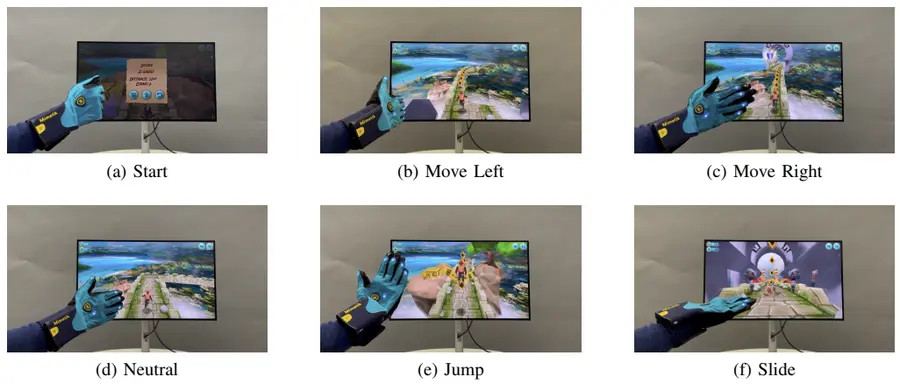
Developing intuitive interfaces and learning frameworks that enable robots to acquire, adapt, and refine complex manipulation skills directly from human demonstration.
Collaborative (Active) Perception
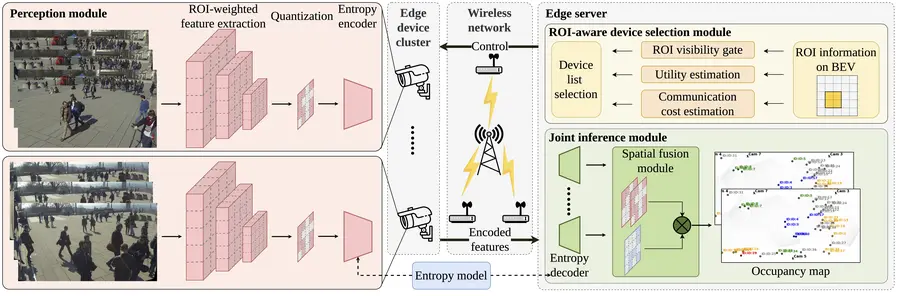
collaborative perception
Leveraging multi-robot communication and goal-driven sensor planning to build shared, real-time spatial awareness for mobile autonomous fleets.
Reinforcement Learning for Optimal Control
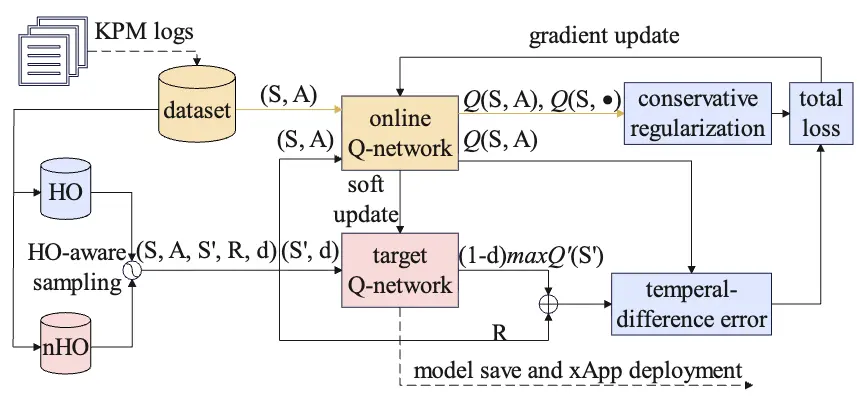
reinforcement learning
Synthesizing data-driven RL methods with model-based control theory to deliver stable, high-performance execution under strict safety and timing constraints.
Softwarized Infrastructure for Physical AI
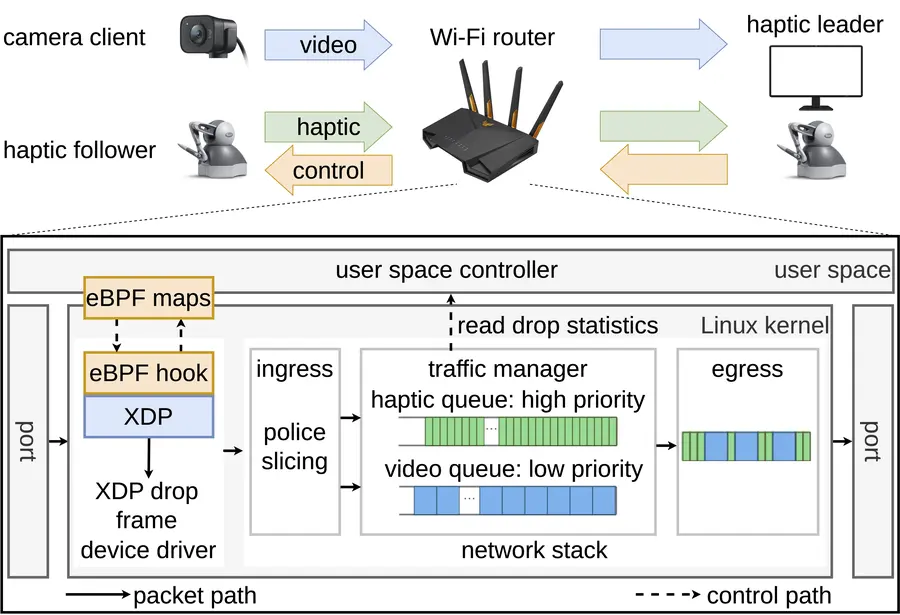
Engineering low-latency, softwarized network technologies (e.g., eBPF, P4, openWRT) to seamlessly execute compute-heavy AI workloads at the physical edge.
Simultaneous Localization & Mapping (SLAM)
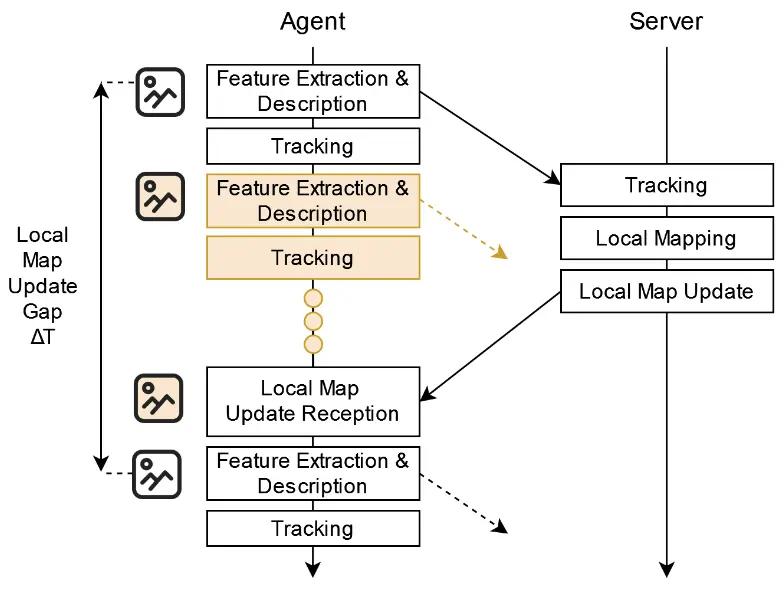
Pushing the boundaries of robust multi-modal feature fusion and distributed spatial mapping to enable precise, real-time navigation in dynamic or unmapped environments.