
Jun 06, 2026
Better IHA recognition to strengthen organ donation processes in Germany
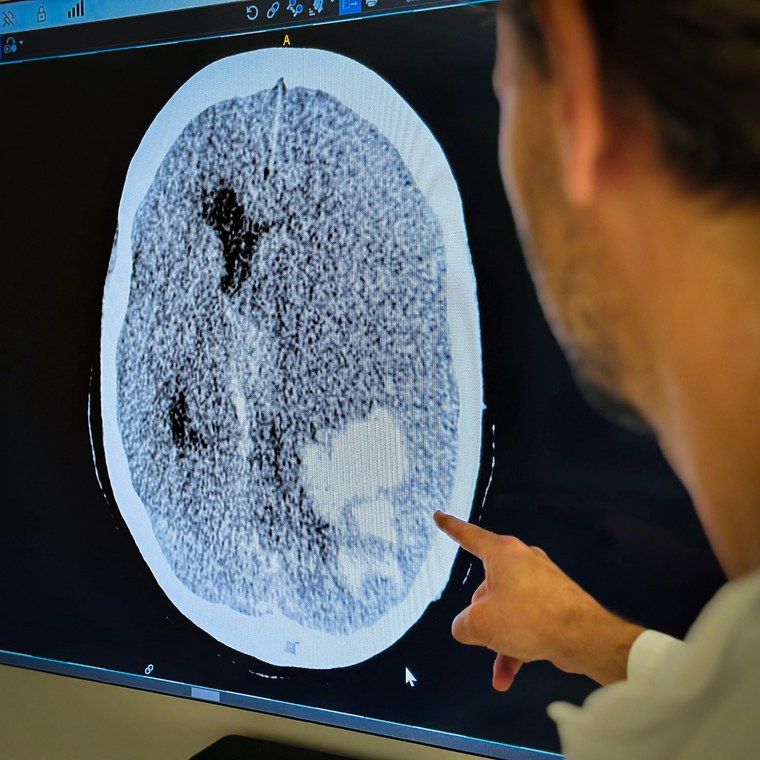
Germany has had one of the lowest organ donation rates in Europe for years. At the same time, analyses show that potential cases of irreversible loss of brain function (ILBF, colloquially known as "brain death") are sometimes recognized too late or not at all in everyday clinical practice. However, the determination of ILBF is an indispensable prerequisite for post-mortem organ donation in Germany.
At the Department of Neurology at the TUD Faculty of Medicine and the Carl Gustav Carus University Hospital Dresden, the detection and diagnosis of ILBF is being scientifically investigated from various perspectives. The research team led by Prof. Kristian Barlinn and Dr. Daniela Schöne is working together with the German Organ Transplantation Foundation (DSO) on innovative approaches. These range from the early detection of patients at risk and support for diagnostics to a better understanding of clinical progression.
Better understanding ILBF courses
In a Germany-wide analysis of more than 6,400 patients recently published in Critical Care, the temporal dynamics leading up to the diagnosis of ILBF were examined for the first time. The results show that the course and speed of development of an ILBF depends significantly on the age and cause of the brain injury. The data provide important guidance for intensive care teams when assessing critical time windows in clinical practice. The study is the largest analysis of patients with ILBF to date.
Recognizing potential ILBF cases
With DETECT, Dresden researchers have developed a digital support system that automatically analyzes routine clinical data and points out constellations of findings that may indicate impending ILBF. The multicentre randomized DETECT-IVE study is currently investigating at 19 hospitals in Germany whether this can improve the detection of potential ILBF cases and improve organ donation processes.
Making neurointensive care expertise available regardless of location
The diagnosis of ILBF requires specialized neurointensive care expertise that is not always available in every hospital. The VISTA-BD study is therefore investigating the use of assisted reality technology to provide telemedical support for neurological clinical examinations. The aim is to make neurological expertise more readily available outside of specialized centers.
Prof. Hagen Huttner, Director of the Department of Neurology, sees these projects as an important contribution to the further development of neurointensive medicine: "The Dresden research projects combine care research, digitalization and telemedicine with the common goal of improving the detection and diagnosis of irreversible loss of brain function and thus also positively influencing the organ donation situation in Germany in the long term."
On Organ Donation Day, the projects are drawing attention to the medical conditions that make post-mortem organ donation possible in Germany.