Project A09
Development of sex-specific therapeutic approaches towards glucocorticoids-driven metabolic dysfunction
Over the past two funding periods, we have made substantial progress in uncovering the molecular mechanisms underlying sexual dimorphism in GC signalling. Transcriptomic analyses revealed distinct set of genes involved in cholesterol metabolism that are differentially regulated in both sexes. Additionally, we uncovered a cluster of miRNAs that are sex-specifically regulated, influencing key components of systemic metabolism including lipid and glucose homeostasis. These findings suggest that males and females exhibit divergent metabolic responses to GC exposure, which could be crucial for understanding sex-biased disease outcomes.
In the final funding, project A09 will address sex-specific differences in GC signalling at genetic, hormonal, and metabolic levels by investigating how males and females respond differently to GC-driven metabolic processes. Our objective is to translate these molecular insights into therapeutic strategies. Project A09 will focus on evaluating the therapeutic potential of miRNA inhibitors targeting sex-specific miRNAs in experimental models with an emphasis on how these therapies affect cholesterol regulation and cardiovascular health in males and females. Additionally, we will explore the role of GR-associated cofactors in modulating cholesterol homeostasis and their contribution to the sexual dimorphism observed in metabolic disorders. By integrating these mechanistic insights with therapeutic approaches, we aim to develop sex-specific treatments that improve clinical outcomes for diseases such as cardiovascular disease, obesity, and diabetes.
Aims
(I) Define the sex-specific therapeutic impact of combinatorial miRNA targeting in atherosclerosis and hypercortisolism
(II) Identify co-regulators driving GC-controlled male/female-specific cholesterol metabolism in the liver
| Principal Investigators | Institution |
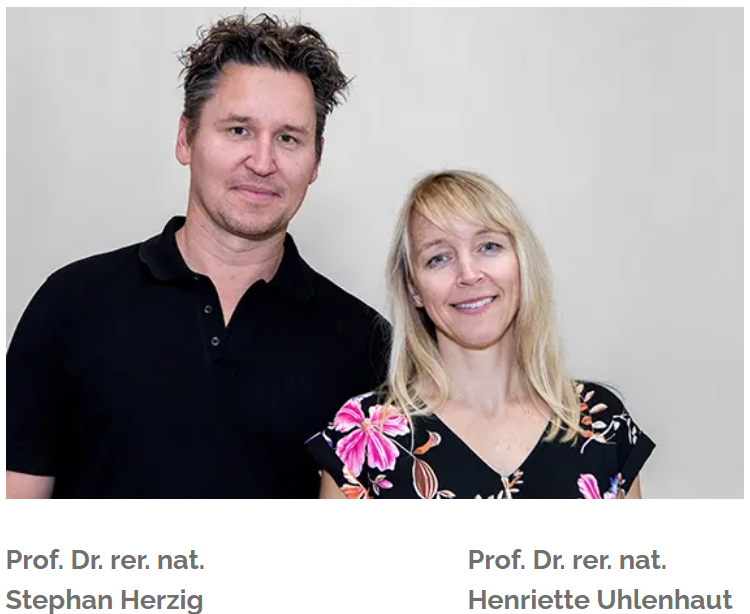
| Prof. Dr. rer. nat. Henriette Uhlenhaut | TUM |
| Prof. Dr. rer. nat. Stephan Herzig | HMGU |