Sonderforschungsbereich / TransRegio 237: Nucleic Acid Immunity
The research network, which includes the Faculty of Medicine at TUD Dresden University of Technology, Ludwig-Maximilians-Universität Munich (LMU Munich), and the University of Bonn, investigates the mechanisms of genetic material recognition and their significance for health and disease. The goal is to develop innovative approaches for the diagnosis and treatment of infectious, inflammatory, and tumor-related diseases.


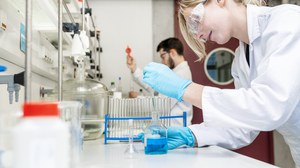 © Crispin-Iven Mokry
Immunology research on nucleic acid recognition
The immune system is constantly exposed to foreign genetic material: Bacteria, viruses, and other pathogens introduce their nucleic acids, that is, DNA and RNA, into the body. Specialized receptors detect whether the genetic material is endogenous or foreign and, in the event of an intruder, trigger a targeted immune response. This balance is vital, as it protects against infections while simultaneously preventing the immune system from attacking the body’s own structures. If this mechanism gets out of balance and the body’s own DNA or RNA is mistaken as foreign, this can lead to serious consequences such as chronic inflammation, autoimmune diseases, or tumor development.
Against this backdrop, the German Research Foundation (DFG) is funding the Collaborative Research Center/Transregio 237 “Nucleic Acid Immunity” with approximately EUR 14.6 million in a third funding period. Approximately EUR 4.1 million of the grant funding is allocated to the Dresden site under the leadership of Min Ae Lee-Kirsch, professor at the Clinic for Pediatrics and Adolescent Medicine and head of Molecular Pediatrics at the TUD Faculty of Medicine, as well as spokesperson for the third funding period.