

Studium
Die Professur für Methoden der Psychologie und kognitive Modellierung ist für die Methoden- und Statistik-Ausbildung im BA-Studiengang Psychologie sowie in den beiden MA-Studiengängen CAN und HPSTS zuständig. Darüber hinaus bietet die Professur zusätzliche Spezialveranstaltungen an.
— Eine Übersicht über die angebotene Lehre finden Sie unter "Lehrplan".
Wir bieten fortlaufend Themen für betreute Abschlussarbeiten an.
— Mehr Informationen hierzu finden Sie unter "Abschlussarbeiten".
Außerdem beraten wir Studierende auf methodisch-statistischem Gebiet bei der Anfertigung ihrer Bachelor- bzw. Masterarbeit sowie bei Forschungspraktika im Rahmen einer offenen Statistiksprechstunde.
— Mehr Informationen hierzu finden Sie unter "Statistiksprechstunde".


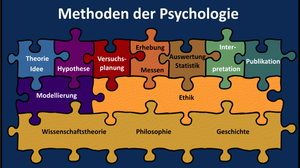 © StS
© StS
Studium und Lehre
Die Professur ist im obligatorischen Studium für folgende Module bzw. Veranstaltungen zuständig:
BA-Studiengang Psychologie: Modul M1 - Methoden der Psychologie
BA-Studiengang Psychologie: Modul M2 - Versuchsplanung und Statistik
BA-Studiengang Psychologie: Modul M3 - Multivariate Statistik
BA-Studiengang Psychologie: Modul M4 - Experimentalpsychologisches Arbeiten
BA-Studiengang Psychologie: Modul M5 - Evaluation und Metaanalyse
MA-Studiengang Psychologie: CAN - Modul CAN6 - Advanced Statistical Methods
MA-Studiengang Psychologie: HPSTS - Modul HPSTS7 - Advanced Multivariate Statistics
BA-Studiengänge Biologie und Molekulare Biotechnologie - Biostatistik (1994 - 2020)
Darüber hinaus bieten wir fakultative Veranstaltungen an:
- Einführung in die Datenanalyse mit R
- Vertiefungsseminar zur Modellierung für Studierende des Bachelor- und der Masterstudiengänge Psychologie
- Seminar Umweltpsychologie
- Seminar Angewandte Improvisation für (angehende) Psychotherapeut:innen
Zudem erbringen wir umfangreiche Statistik-Beratungsleistungen im Rahmen von Abschluss- und Qualifizierungsarbeiten.
Regelmäßig betreuen und begutachten wir Bachelorarbeiten bzw. Masterarbeiten in den Studiengängen CAN und HPSTS.
Zur Unterstützung und Vertiefung der Methodenausbildung in den Modulen M1, M2 und M3 sowie CAN6 und HPSTS-7 haben wir ein e-Learning Modul entwickelt, das von den Studierenden sehr gut angenommen wird und innerhalb und außerhalb der TU Beachtung gefunden hat und angewendet wird.