
Auslandsaufenthalt in Taiwan - Semiconductor Talent Incubation Program (STIPT)
Inhaltsverzeichnis
Du möchtest gern einzigartige Einblicke in die hochmoderne Produktion und Forschung in der Halbleiterindustrie erhalten und dabei wichtige Kompetenzen für deine berufliche Laufbahn sammeln? Dann bewirb dich für das „Semiconductor Talent Incubation Program” (STIPT) in Taiwan.
Was wir bieten
2024 Semiconductor Talent Incubation Program Taiwan © Wissenschaftliches Koordinierungsbüro des Freistaats Sachsen in Taiwan
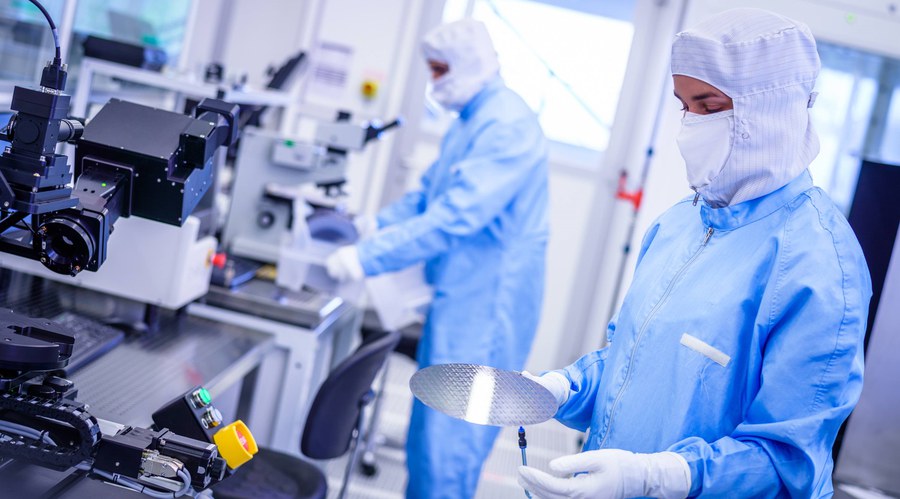
Das sechsmonatige STIPT-Program kombiniert ein Studienprogramm im Halbleiterbereich mit einem praktischen Training bei TSMC, einem weltweit führenden Unternehmen im Halbleitersektor.
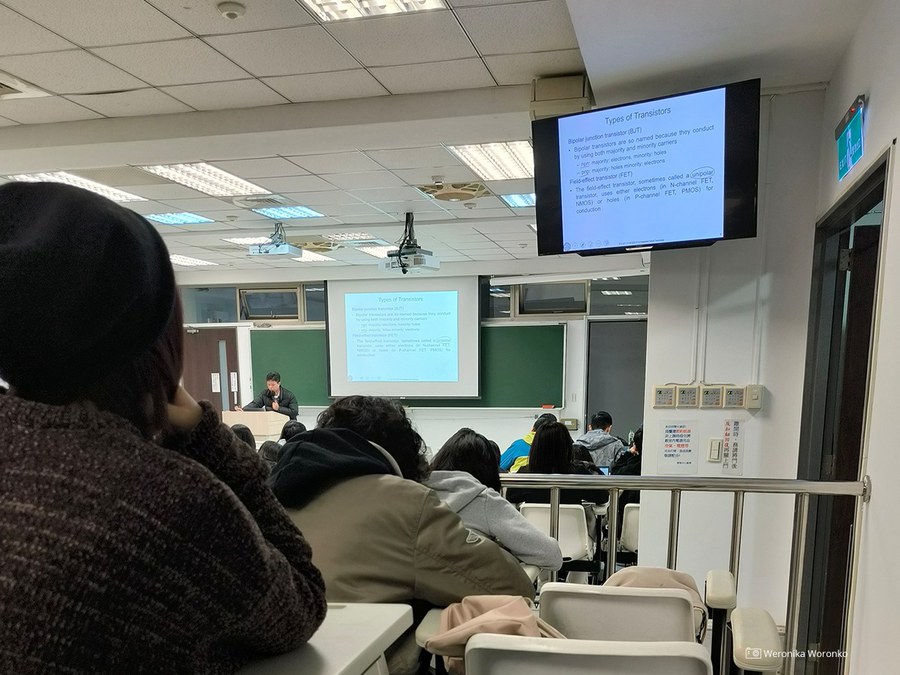
Von März bis Juni bzw. September bis Dezember studierst du an einer führenden taiwanischen Universität.
Im Anschluss absolvierst du im Juli/August bzw. Januar/Februar ein mehrwöchiges praktisches Training im Newcomer Training Center & Fab bei TSMC (Taichung).
Die ausgewählten Kandidat:innen erhalten zusätzlich zu den Studien- und Programmgebühren einen Zuschuss zu den Lebenshaltungskosten in Taiwan von 700,00 EUR pro Monat und einen Reisekostenzuschuss von 1.500,00 EUR. Die Unterkunft wird in den meisten Fällen gestellt, muss aber von den Teilnehmenden selbst bezahlt werden.
Einblicke
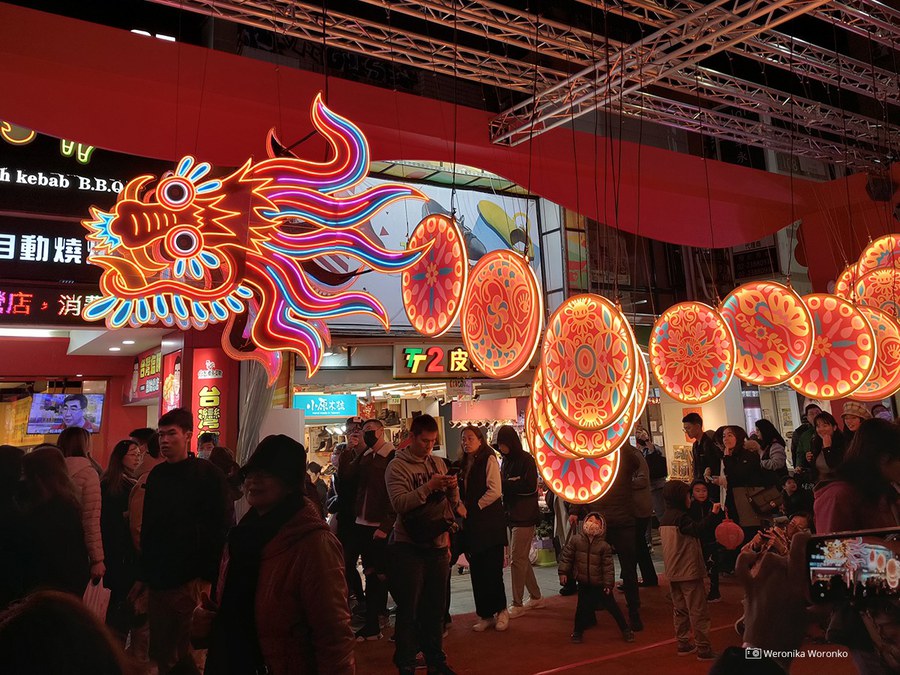
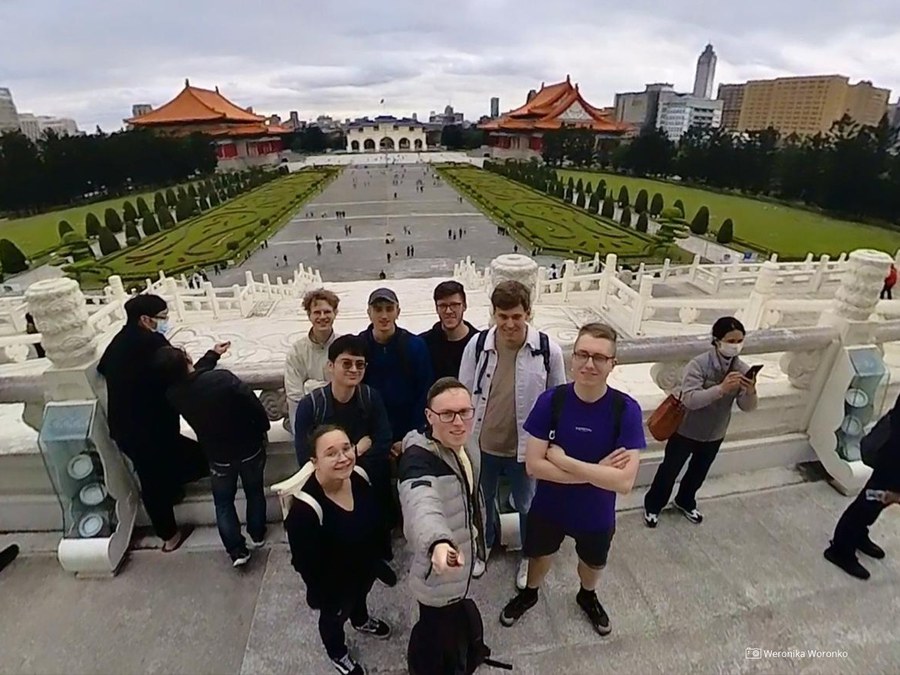
Viele Studierende aus Sachsen haben bereits ein Semester in Taiwan verbracht und ihr Praktikum beim Chiphersteller TSMC absolviert. Die tagesschau hat fünf von Ihnen vor Ort getroffen und sie zu ihren Erfahrungen befragt. Zum Artikel der tagesschau
© Weronika Woronko
© Weronika Woronko
© Weronika Woronko
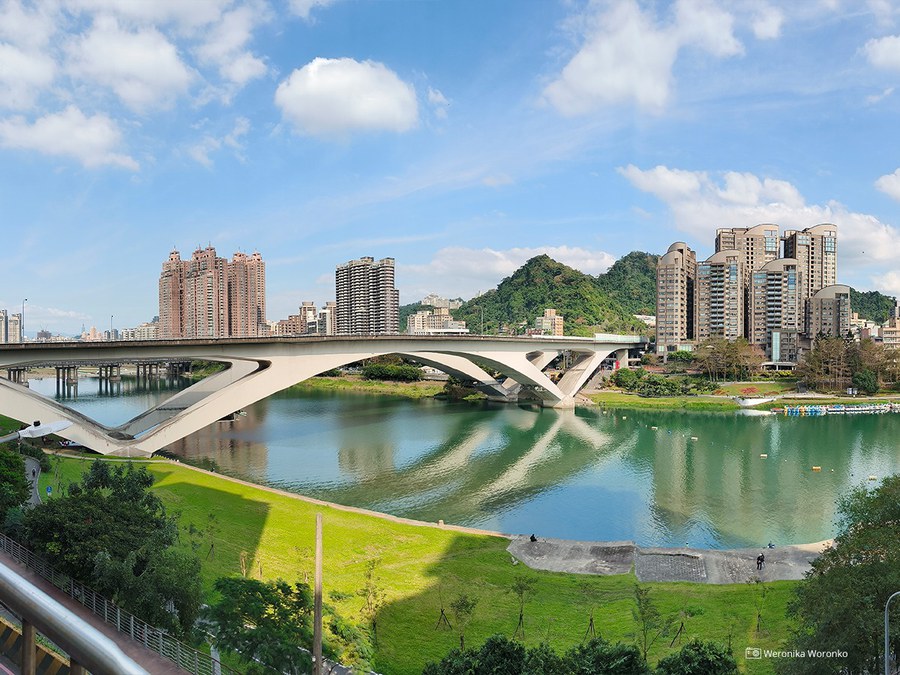
© Weronika Woronko
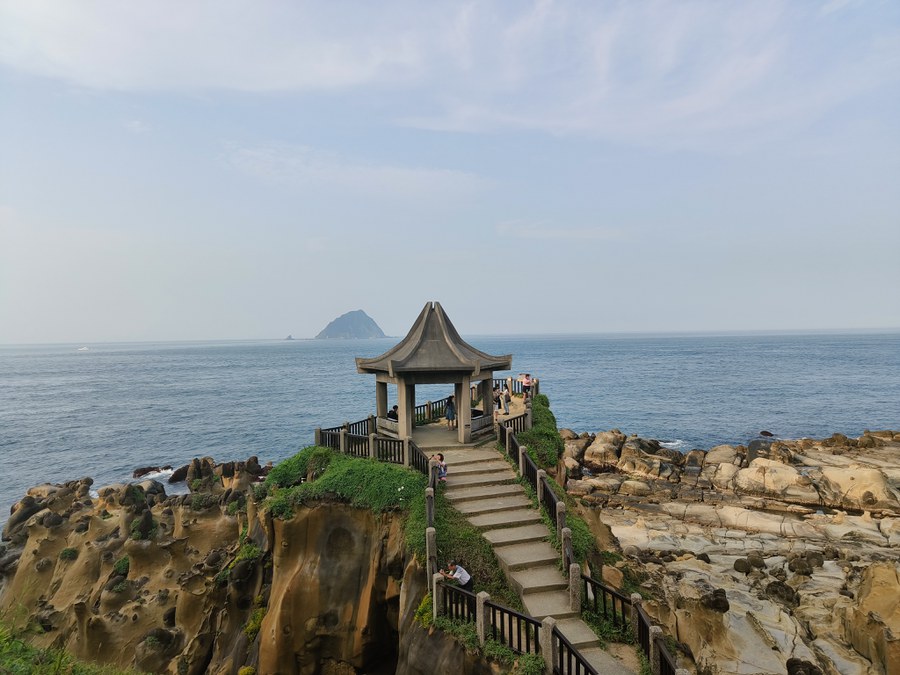
© Weronika Woronko
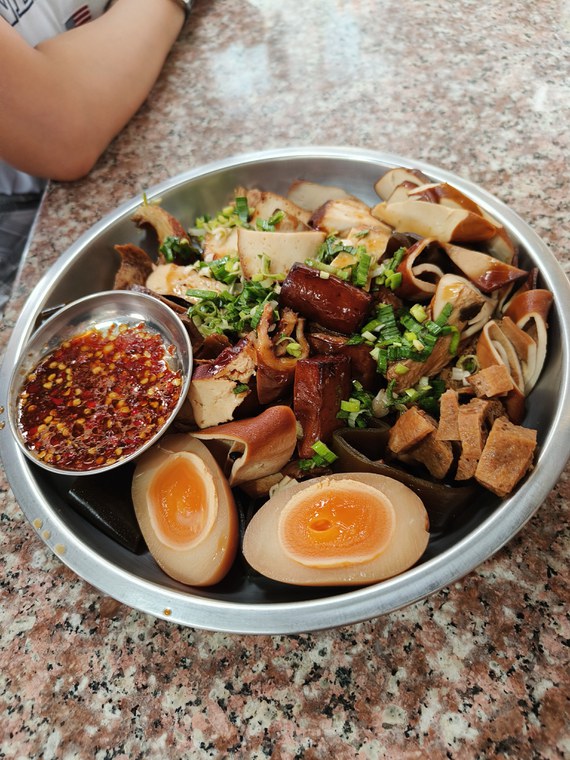
© Weronika Woronko
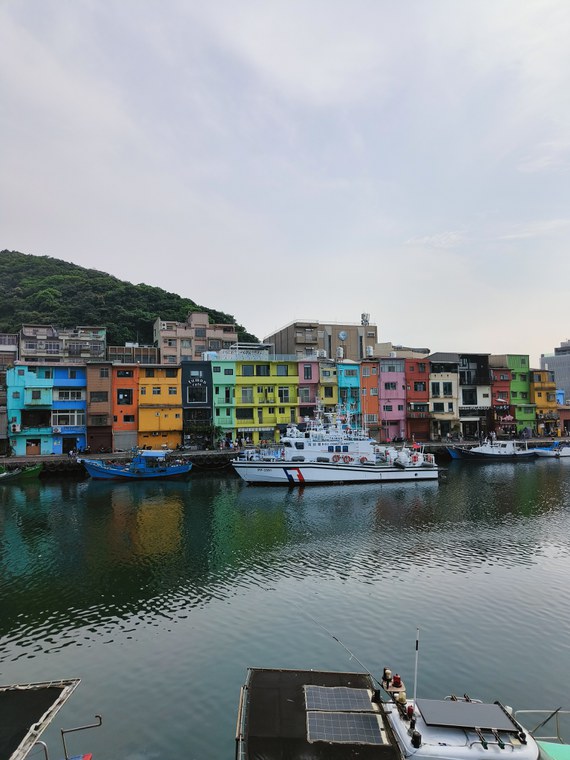
© Weronika Woronko
© Weronika Woronko
© Weronika Woronko




Was du mitbringst

Antragsberechtigt sind Studierende aller deutschen Hochschulen, die in einem Masterstudiengang eingeschrieben sind oder sich mindestens im 2. Semester eines Bachelor- oder Diplomstudiengangs befinden.
Dieses Programm steht Studierenden offen, die einen Abschluss in einem MINT-Fach anstreben. Zu den zulässigen Studienfächern gehören:
- Elektrotechnik (Electrical Engineering)
- Mikroelektronik (Microelectronics)
- Nanoelektronik (Nanoelectronics)
- Werkstoffkunde (Materials Science)
- Mechatronik (Mechatronics)
- Maschinenbau (Mechanical Engineering)
- Gerätetechnik (Equipment Engineering)
- Automatisierungstechnik (Automation Technology, Automation Engineering)
- Robotik (Robotics)
- Sensortechnologie (Sensor Technology)
- Physik (Physics)
- Chemie (Chemistry)
Weitere Informationen zur Organisation und dem Ablauf erhältst du auf der ausführlichen Seite zum Programm beim LEONARDO SACHSEN.
Online-Bewerbung & Fristen
Bewerbungsphase (Aufenhalt im WS 2027/28):
15. November - 15. Dezember 2026 (12 Uhr)
Für interessierte Studierende findet am 27.11.26 eine Online-Infoveranstaltung statt. Die Anmeldung zur Infoveranstaltung erfolgt über die Website des Leonardo-Sachsen Büros (ab Mitte Oktober).
Für die Online-Bewerbung benötigst du folgende Dokumente:
- Immatrikulationsbescheinigung
- Notenübersicht (Transcript of Records)
- Nachweis der Englischkenntnisse (mindestens B2 CEFR)
- Bachelor-Zeugnis oder Vordiplom (wenn vorhanden)
- Lebenslauf (in Englisch)
- Praktische Erfahrungen mit fachlichem Bezug zur Halbleiterindustrie (optional)
- Sprachkenntnisse in Mandarin (optional)
Den Link zur Online-Bewerbung findest du auf der Leonardo-Sachsen Seite.
Kontakt
Wenn du vor der Abreise Fragen zum Programm, einschließlich des Bewerbungsverfahrens, der erforderlichen Qualifikationen, der Unterbringung und der Finanzen hast, wende dich gern an unsere Kolleg:innen vom LEONARDO SACHSEN.
LEONARDO SACHSEN
Kontakperson
Juan Manuel Barragan Fuentelsaz
Tel.: +49 351 463-37688
Die Betreuung nach deiner Ankunft vor Ort erfolgt durch unser Wissenschaftliches Koordinierungsbüro des Freistaates Sachsen in Taiwan.
Wissenschaftliches Koordinierungsbüro des Freistaates Sachsen in Taiwan
Leiter Dr. Josef Goldberger
Tel.: +886 2 7735 7500-9590
Besuchsadresse:
German Trade Office Taipei (AHK Taiwan)
11012, Taiwan, Taipei City, Xinyi District,
Section 1, Keelung Rd. 333, 19F-10
Dieses Programm ist eine gemeinsame Initiative des Bundesministeriums für Forschung, Technologie und Raumfahrt (BMFTR), des Sächsischen Staatsministeriums für Wissenschaft, Kultur und Tourismus (SMWK), der TU Dresden und der Taiwan Semiconductor Manufacturing Company Limited (TSMC).