
Mar 18, 2026
Learning to build the future - ESD project week at TU Dresden
At the end of 2025, around 60 students from Bertolt-Brecht-Gymnasium visited TU Dresden as part of the "Education for Sustainable Development" (ESD) project week. They were given a variety of insights into research and teaching topics from the Faculty of Civil Engineering, the Faculty of Mechanical Science and Engineering and the Faculty of Environmental Sciences, which deal with sustainability issues from different perspectives.
The Faculty of Civil Engineering kicked off the week with a trail consisting of two stations at the Institute of Concrete Structures and the Institute of Building Construction. The aim was to make the breadth of Civil Engineering visible: from its social mission to urban transformation processes and current research approaches in sustainable material and construction systems.
Station 1: ESD workshop on SDG 11 - Institute of Concrete Structures
The first stop was the Beyer Building. In a basic workshop on sustainable construction, Oliver Wege provided an insight into the motivations and tasks of Civil Engineering in the context of sustainable development. (Figure 1)
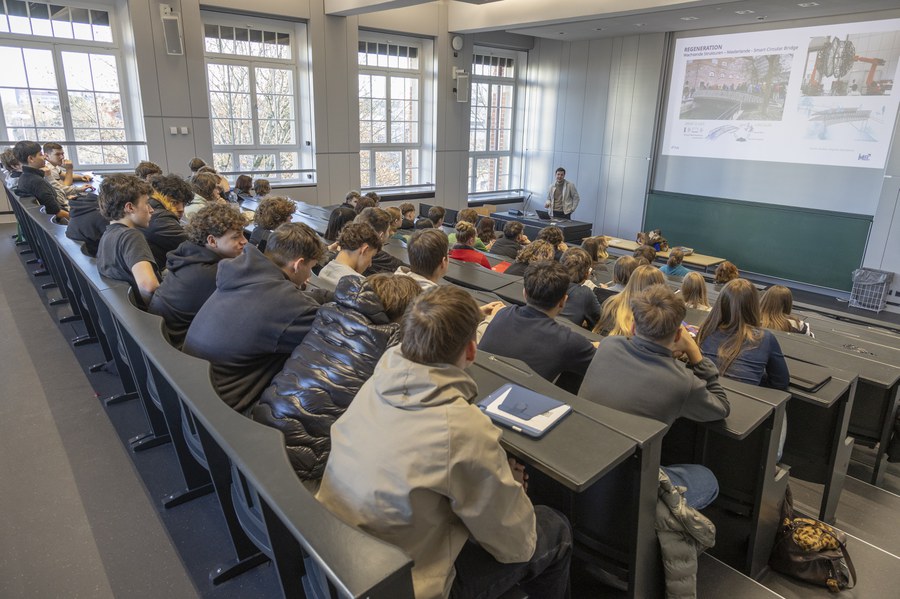
Figure 1: ESD Workshop in the Beyer Building
The Sustainable Development Goals (SDGs) of the United Nations (UN) served as a common orientation framework, with a special focus on Goal 11 "Sustainable Cities and Communities". This goal illustrates why construction and urban development are key levers for sustainable change. The development goals and guidelines of "Zukunft Dresden 2035+", the city of Dresden's integrated urban development concept, were used to discuss how strategic urban planning brings together issues such as housing, mobility, the environment and climate protection - and why integrated planning is key to thinking about sustainability not as an individual measure, but as a coordinated overall system.
This was followed by a focus on systemic resource issues. Which materials do we use? What material cycles are created? How can stocks be used more wisely instead of rashly replacing them? And what does "sustainability" mean when climate conditions, availability and social requirements change at the same time? The students were given insights into current research approaches: from building with clay to the reuse of reinforced concrete components from existing buildings as a building block for circular value creation. This was supplemented by perspectives on robotic production and new production technologies that enable more precise use of materials and new construction logics.
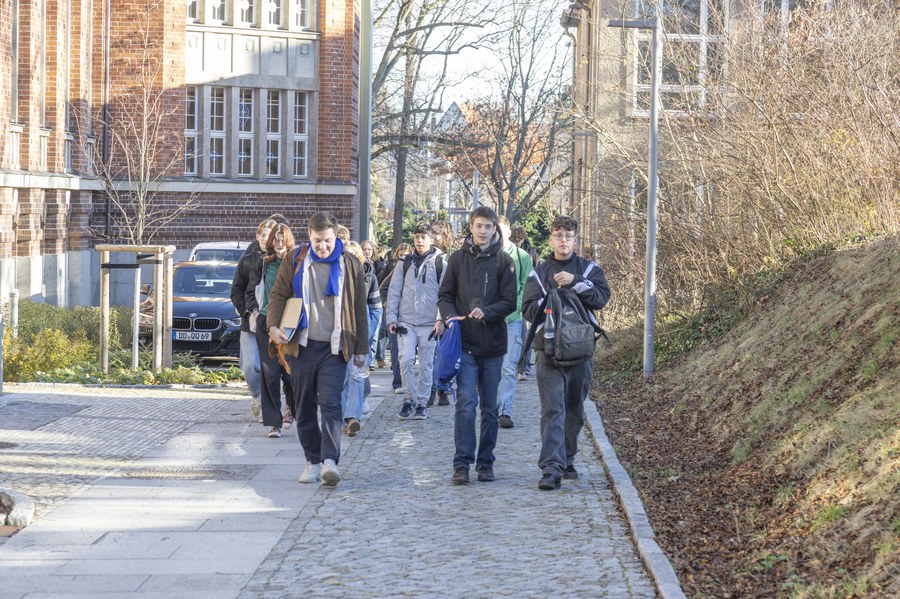
Figure 2: Campus Walk
Finally, a look was taken at the visions and research fields of the Cluster of Excellence CARE ("Climate-Neutral and Resource-Efficient Construction"). CARE addresses the transformation of construction towards climate neutrality and resource efficiency and bundles approaches to building materials, construction principles, manufacturing technologies as well as digital and sustainability-related evaluation frameworks.
Station 2: Tour of the "Sustainable Learning" mock-ups - Institute of Building Construction
A short campus walk took the students to the Friedrich Siemens Laboratory of the Institute of Building Construction. An interactive station on the topic of sustainable building awaited them there (Figures 2, 3 & 4).
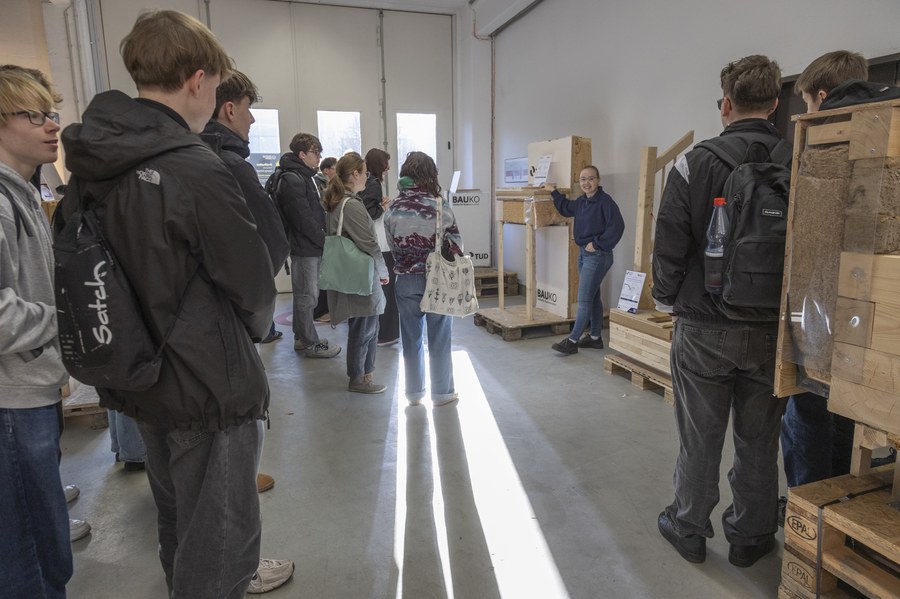
Figure 3: Students touring the Friedrich Siemens Laboratory during a presentation by Laura Oberender
In a dialog with Laura Oberender, the students learned what a decisive influence the choice of the right materials and building constructions has on the sustainability of a building and its environmental impact. This became particularly tangible through construction models on a scale of 1:1, which were planned and built by students as part of the "Sustainable Learning" seminar (Figure 4).
This seminar, which was launched as part of a student success project, aims to increase the motivation and academic success of young students - especially women - by giving them practical tasks to work on. The students develop sustainable designs for various components of a building and build mock-ups (1:1 scale models) that illustrate the complex relationships between construction methods, choice of materials and deconstructability.
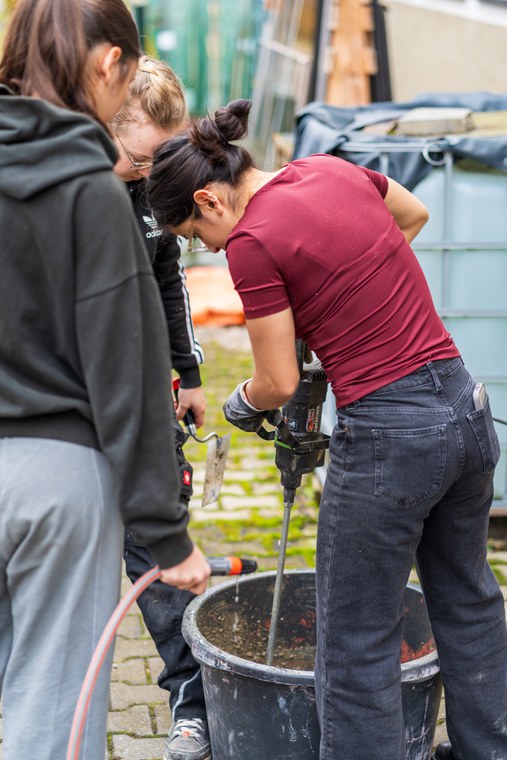
Figure 4: Students building sustainable structures; mixing plaster
Together with the students, the individual mock-ups were examined step by step: How is a floor constructed? Can it be recycled or dismantled? What alternatives are there for a more sustainable construction method? Where do the high CO₂ emissions from certain building materials come from? These and many other questions were discussed in order to raise awareness of the impact of building construction on our environment.
The laboratory visit enabled the young people to experience the basics taught in the first station directly and practically and to actively reflect on the challenges and opportunities of sustainable construction. Together, they discussed ways in which a turnaround in construction towards more sustainability can succeed, and were encouraged and inspired to study at TU Dresden.
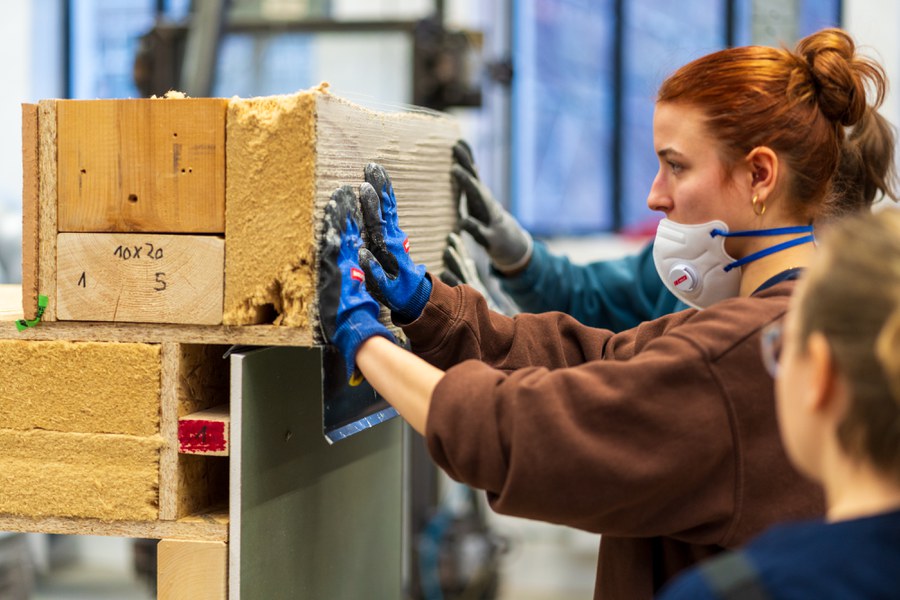
Figure 5: Students building sustainable structures as part of the “Sustainable Learning” seminar; embedding reinforcing mesh into the exterior plaster
Special thanks go to the TU Dresden's school contact office, in particular Anne Bruder and Nadja Bauer, who provide targeted advice and support for the faculties' involvement in student formats and scientific dissemination. We would also like to highlight the commitment of Michael Heller, who, as a student at TU Dresden, played a key role in the organization of the school contact point.
Would you like to communicate your research results to the youngest target groups? Then you can find more information at: https: //tu-dresden.de/studium/vor-dem-studium/service-fuer-schulen
Authors:
Laura Oberender (Institute of Building Construction) & Oliver André Wege (Institute of Concrete Structures)