
Mid-term Study Tour for the AvH International Climate Protection Fellows 2025
Travel report of the Midterm Study Tour 2025
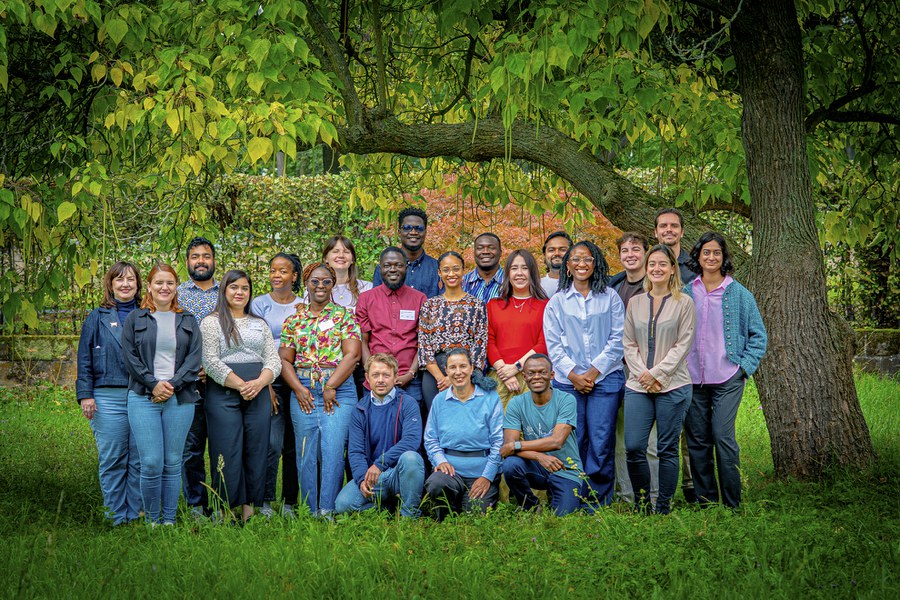
Group photo with the Alexander von Humboldt Foundation's 2025 International Climate Protection Fellows: Dr. Dechyeva (TUD), Dr. Schildt (AvH), and Dr. Huettner (GIZ)
"Truth itself is precious, but even more precious is the ability to find it." (Alexander von Humboldt)
The International Climate Protection Fellows of the Alexander von Humboldt Foundation are taking bold steps on their Midterm Study Tour 2025. Together with the Centre for International Postgraduate Studies of Environmental Management (CIPSEM) at TU Dresden, the Fellows visited key locations of German climate policy, from Dresden and Leipzig to Berlin.
The trip combined scientific expertise with political practice and personal exchange. Whether sustainable urban development, biodiversity, or international climate diplomacy: the fellows experienced how knowledge is translated into concrete strategies, what problems exist, and how solutions can be found and implemented.
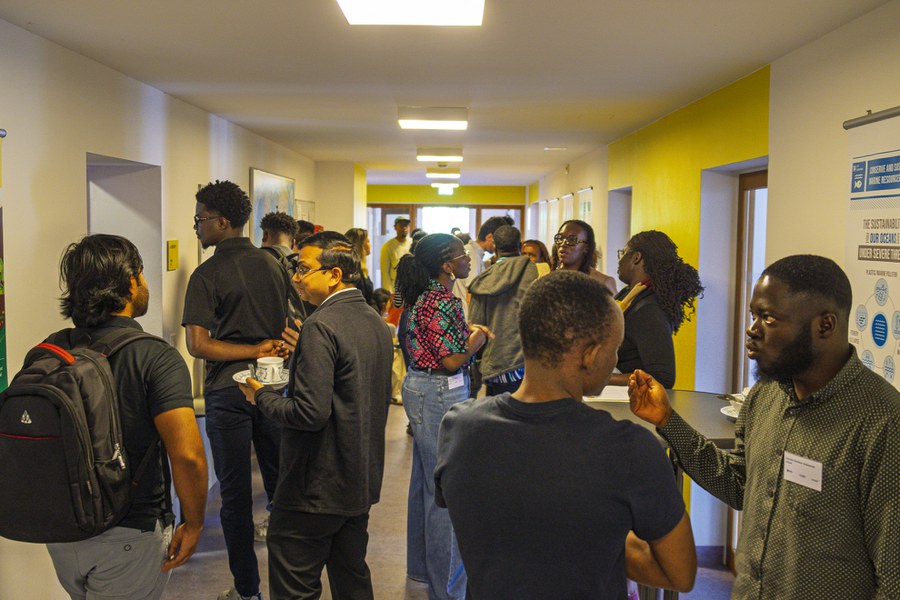
Meeting of the IKS Fellows 2025 and participants of the 92nd UNEP/UNESCO/BMUKN International Short Course — Sustainable Mobility: Transforming Urban Spaces (SC92).
The result is a lively learning space - and a global network of people who not only analyze climate protection, but courageously promote it.
1st Dresden: Where science meets political realities
Monday, September 15: Kick-off with vision
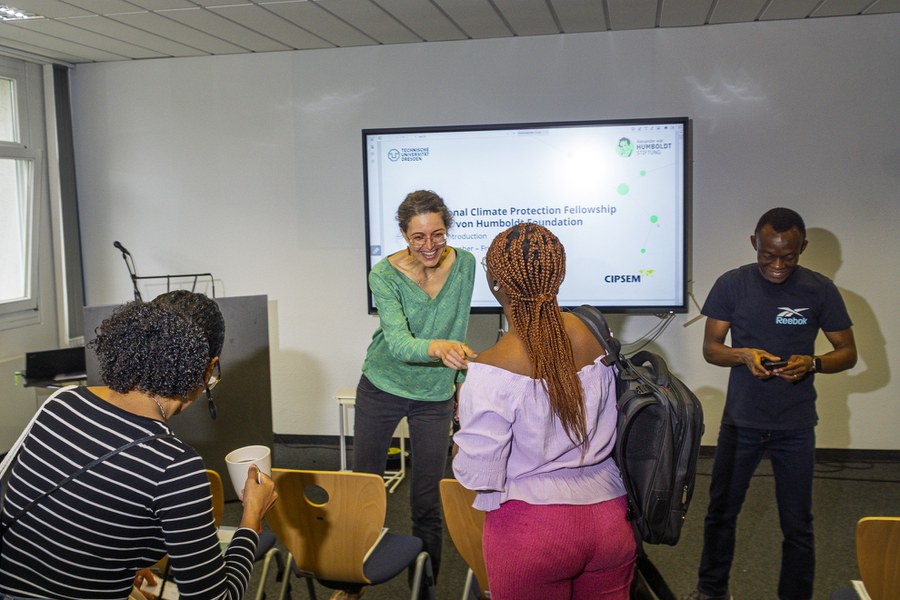
Dr. Görner, Managing Director at CIPSEM, welcomes the 2025 ICP-Fellows
The international climate protection fellows were warmly welcomed to CIPSEM. Dr. Anna Görner, Managing Director of CIPSEM, and Dr. Daryna Dechyeva, organizer of the Midterm Study Tour, greeted the participants and introduced them to the seminar programme.

Dr. Dechyeva presents the program for the midterm study tour.
Following the introduction, Dr. Dechyeva hosted a Fellow-for-Fellow session. In this session, the participants shared their experiences of living and working in Germany.
The exceptional support provided by the CIPSEM team set the tone for the entire trip and was received very positively by the fellows. One participant summed up the general appreciation:
"The unique care and excellent organization by the CIPSEM team made this study trip very special."
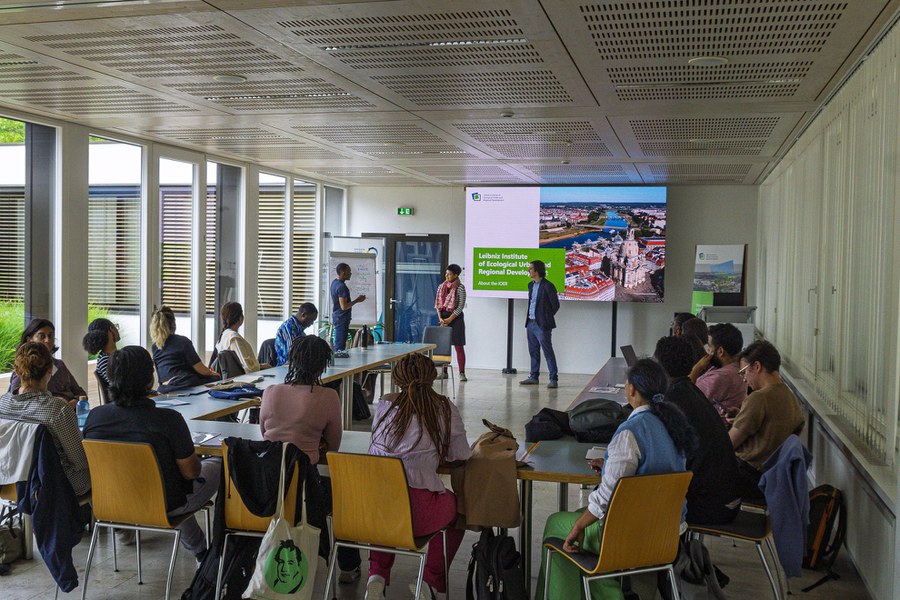
The fellows reflect on fairness and language at the Institute for Ecological Spatial Development
The introduction was followed by a workshop at the Leibniz Institute of Ecological Urban and Regional Development (IOER). The Fellows immersed themselves in the complex world of sustainable urban development, with Dr. Joshi and Dr. Mazzaro's contributions making a particular impression: Technical solutions alone are not enough - sustainability requires integrative approaches that incorporate social justice and economic factors in equal measure.
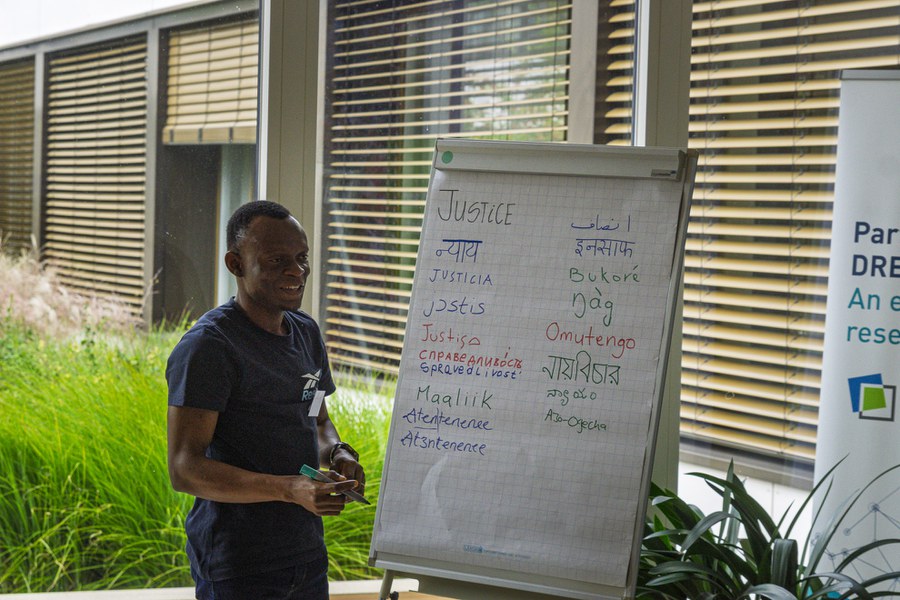
Fellow David Omata speaks at the Leibniz Institute for Ecological Urban and Regional Development
The workshop's interdisciplinary and practical orientation was very well received. Interesting points on technology and sustainability were raised. One Fellow summed this up succinctly:
"The mix of interdisciplinary practicality and interactive format was excellent. Especially the introduction on the topic of justice in different languages immediately got us talking to each other."
Tuesday, September 16: The human side of transformation
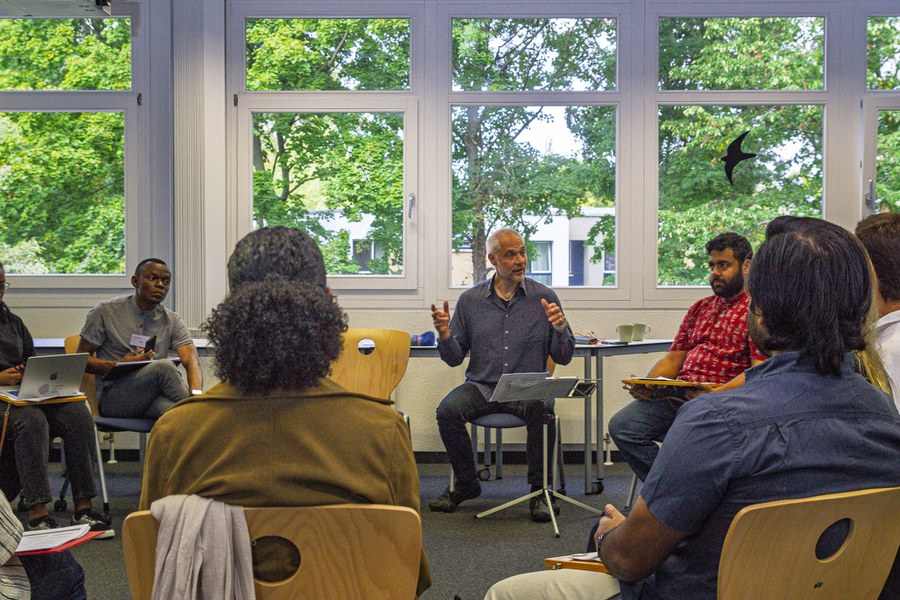
Workshop on leadership with Ullrich Lorenz
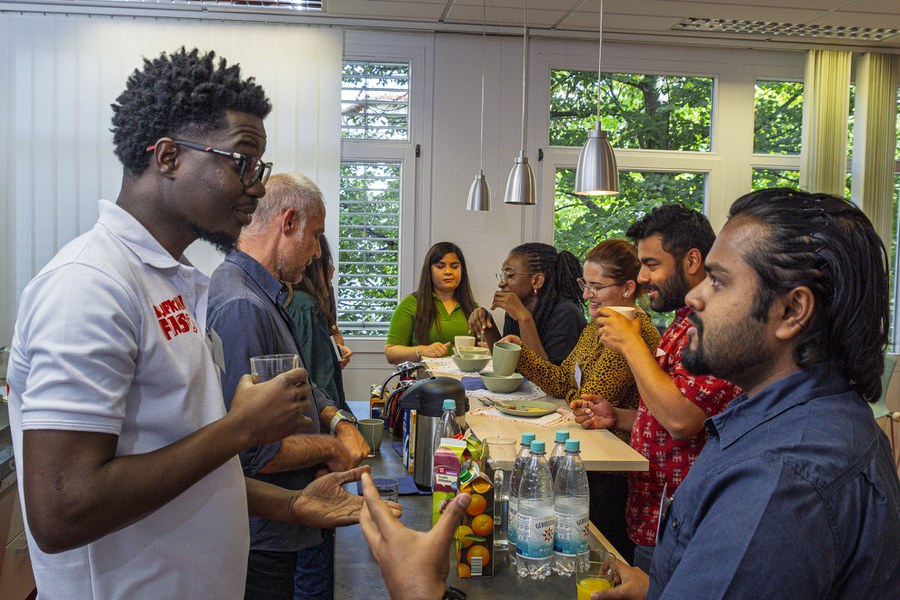
Despite the break, the discussions will be intensified.
The second day of the Midterm Study Tour was dedicated entirely to leadership and personal effectiveness. In the workshop "Improving Leadership Abilities for Climate Protection" with Ullrich Lorenz, the focus was not on models or numbers, but on people. How do you mobilize others? How do you overcome resistance in communication and behavior?
In interactive exercises, the fellows experienced firsthand that successful climate policy requires interpersonal skills just as much as specialist knowledge.
The participants learned how change becomes effective - and which mental methods are necessary for this. One Fellow summed up the intensity of the day:
"The art of listening as a leadership tool - this session was an impressive demonstration of how effective communication can succeed."
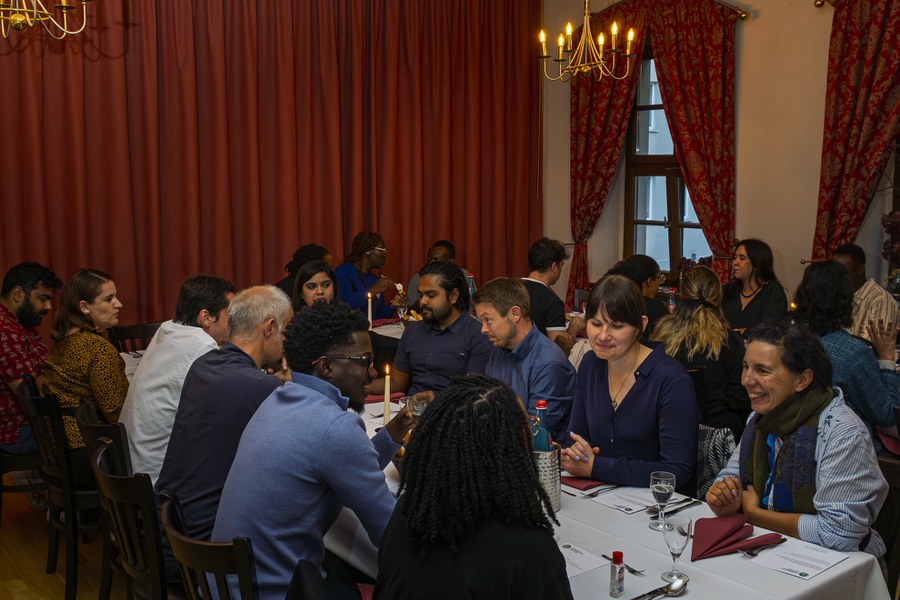
Networking dinner with representatives of the Alexander von Humboldt Foundation, the ICP fellows, and Dr. Michael Hüttner (center).
Wednesday, September 17 - Forests in a changing climate
The third day was as practical as a climate conference: in an interactive workshop with Dr. Michael Huettner (GIZ), the Fellows immersed themselves in the role of forests in climate policy. A lively role-playing game allowed them to slip into different positions and negotiate the protection of tropical forests - intense, inspiring, and remarkably lively despite the complexity.
The documentary "Guardians of the Earth" then gave the UN climate negotiations a human dimension, making the personal stories and power interests behind the diplomacy more visible. The combination of both formats left a strong impression, which one Fellow summarized as follows:
"The role play conveyed the challenges of global climate policy directly - exciting and instructive. Together with the impressive power analyses in the film, this resulted in a well-rounded, albeit sobering picture."
Thursday, September 18: Excursion to Leipzig: Focus on biodiversity
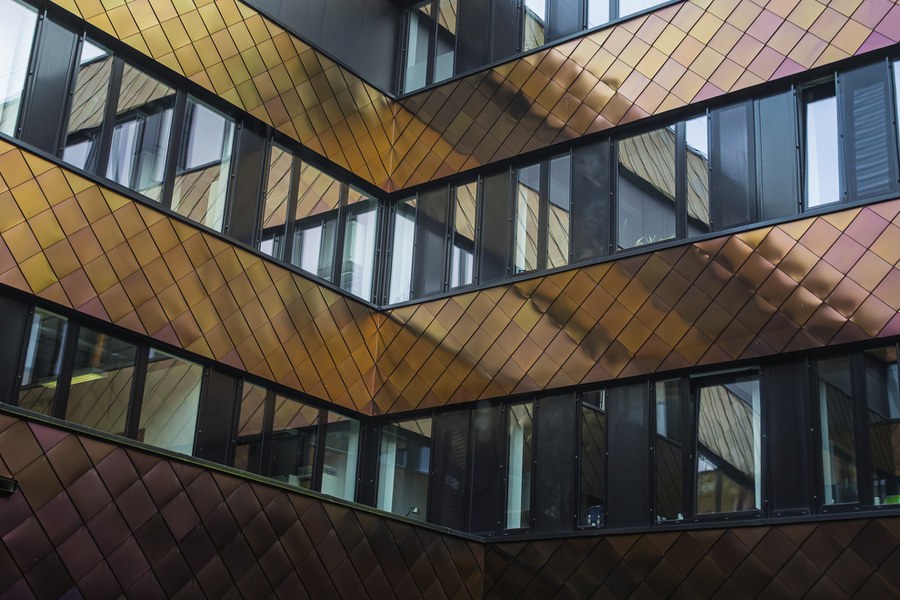
The building of the iDiv resembles the skin of an animal.
On Thursday, an excursion led to Leipzig to the German Center for Integrative Biodiversity Research (iDiv). At iDiv, the Fellows were welcomed by Dr. Jessica Junker from Re:wild and by Dr. Nicole Sachmerda-Schulz and Leonie Friedrich, employees at iDiv.
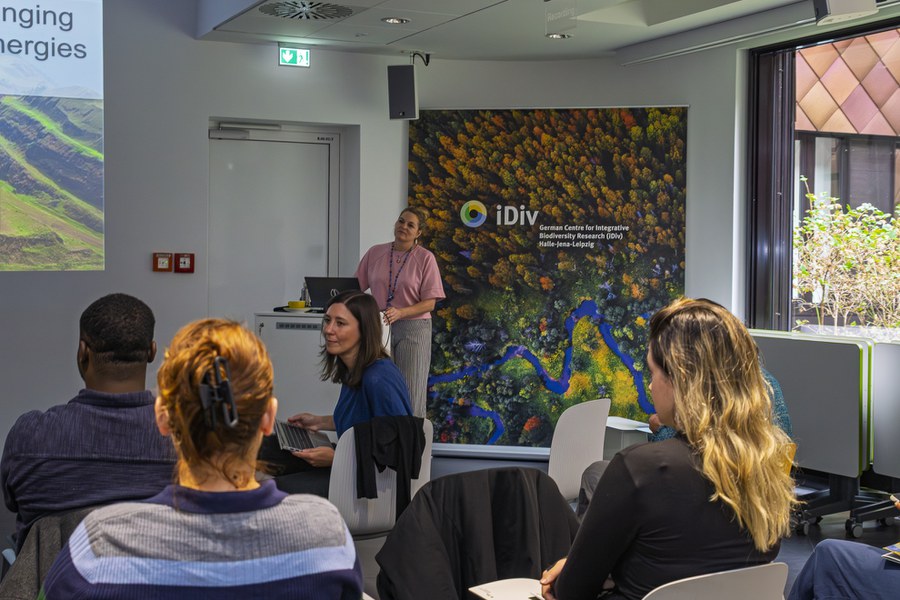
Dr. Jessica Junker talks about her work.
Dr. Junker presented her impressive research findings on the protection of great apes in mining areas in African countries. The vivid demonstrations made clear how sensitively ecological balances react to human intervention - and how crucial evidence-based research is for political decisions.
The participants were impressed by the methodological precision and the clear link between research and policy:
"I was amazed at the amount of fieldwork required for this quantitative research. The presentation highlighted the complex dynamics between mining, biodiversity and social justice."
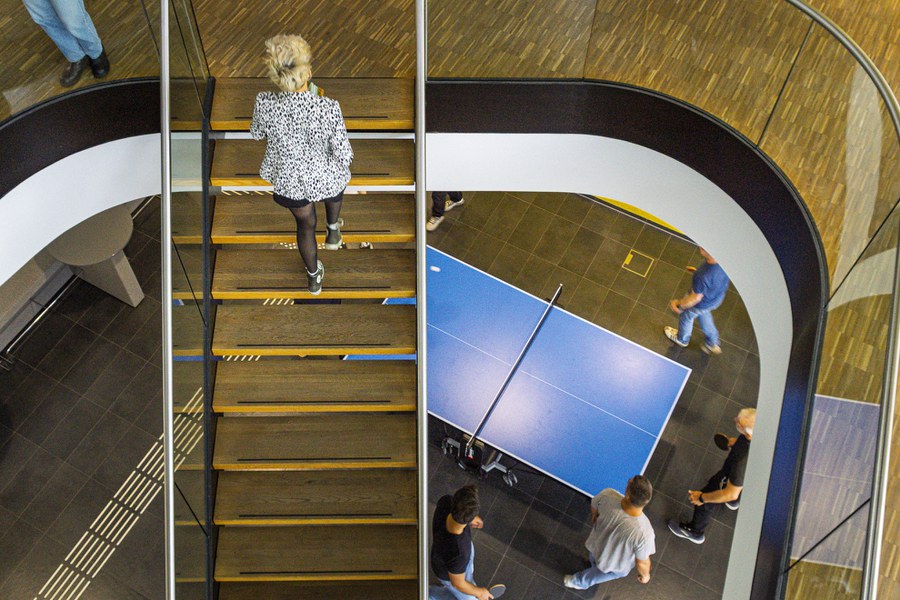
Tour of iDiv
Dr. Nicole Sachmerda-Schulz and Leonie Friedrich (iDiv) then presented the research and funding opportunities for early-career researchers. The cross-institutional cooperation and the German research approach to biodiversity in different ecosystems were particularly emphasized. The international networking opportunities were met with great interest, as one Fellow explained:
"I was particularly impressed by the wide range of opportunities for early-career researchers and the cooperative research work between different institutions. The systemic approach of German biodiversity research was very informative."
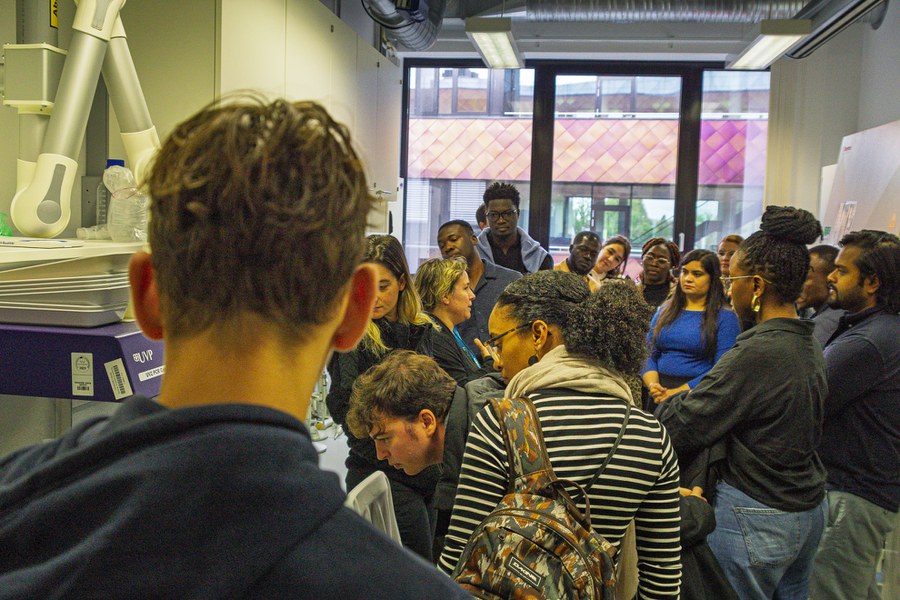
The laboratories at iDiv
A tour of the laboratories and research areas rounded off the visit to the German Center for Integrative Biodiversity Research.
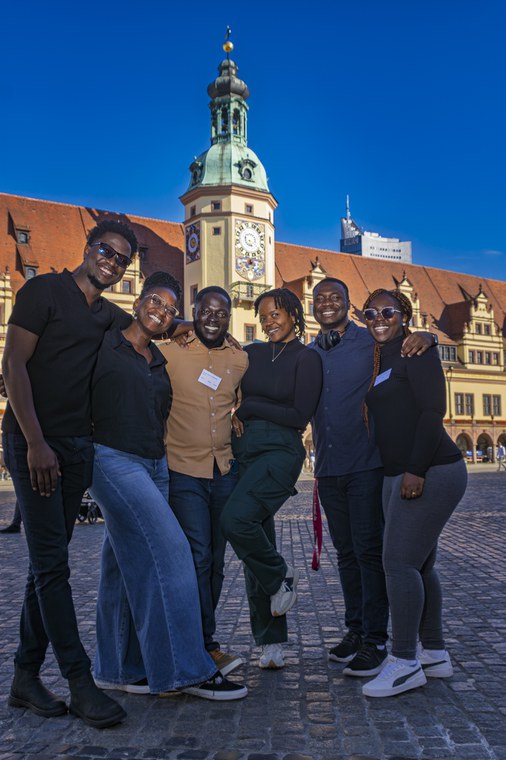
Group photo in front of the old town hall in Leipzig.
In the afternoon, Victor Smolinski (CIPSEM) guided the group through Leipzig's city center and the Forum of Contemporary History.
The exhibition impressively linked garden culture, GDR history, and sustainable food production, showing how urban greening and food sovereignty contribute to social resilience. It also highlighted the changing role of gardens over time, from places for producing food security to objects of prestige.
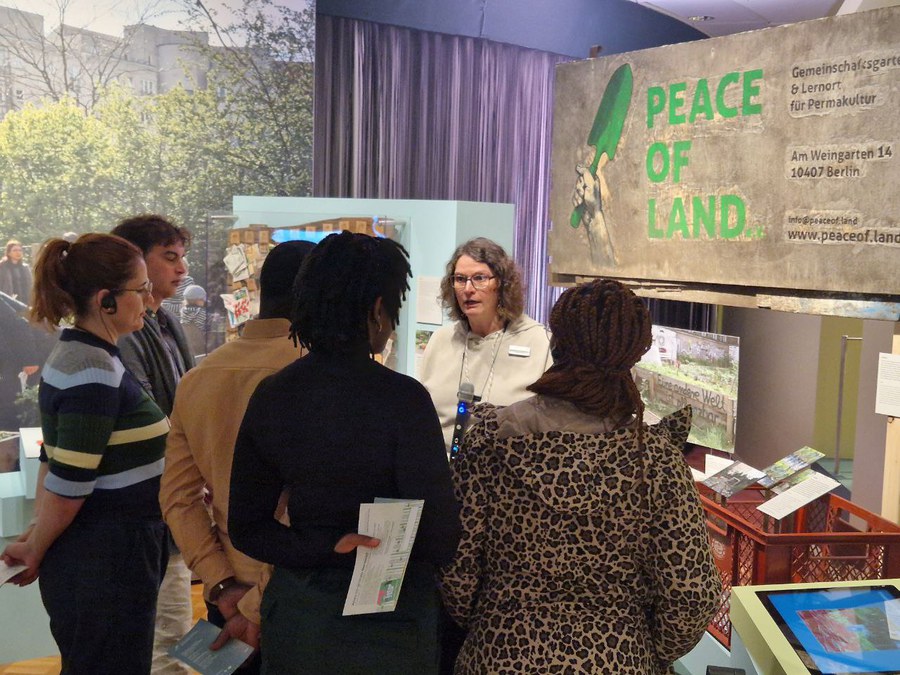
Visit to the exhibition “Over the Fence: Gardens and People” at the Forum of Contemporary History in Leipzig
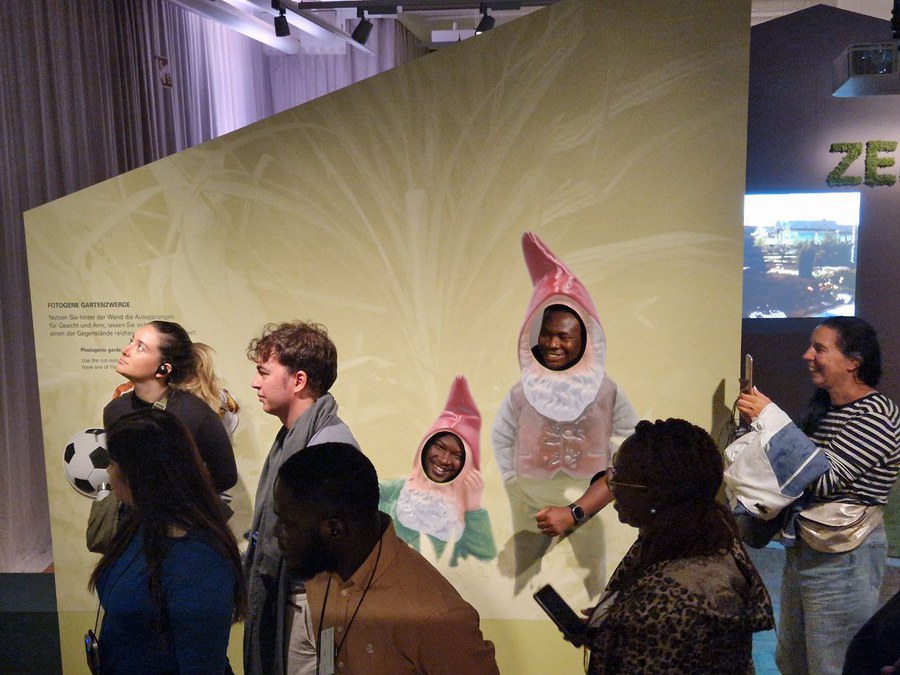
The exhibition “Over the Fence: Gardens and People” offered a change of perspective.
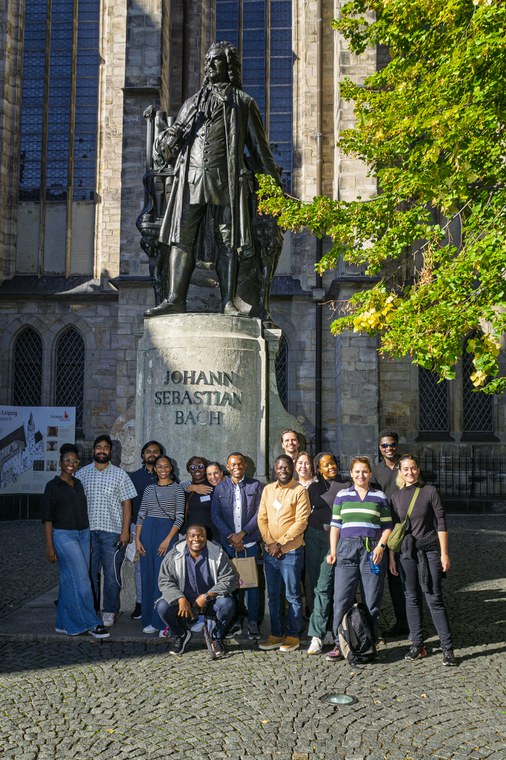
Group photo in Leipzig at the famous St. Thomas Church.
Friday, September 19: Water, food and empowerment
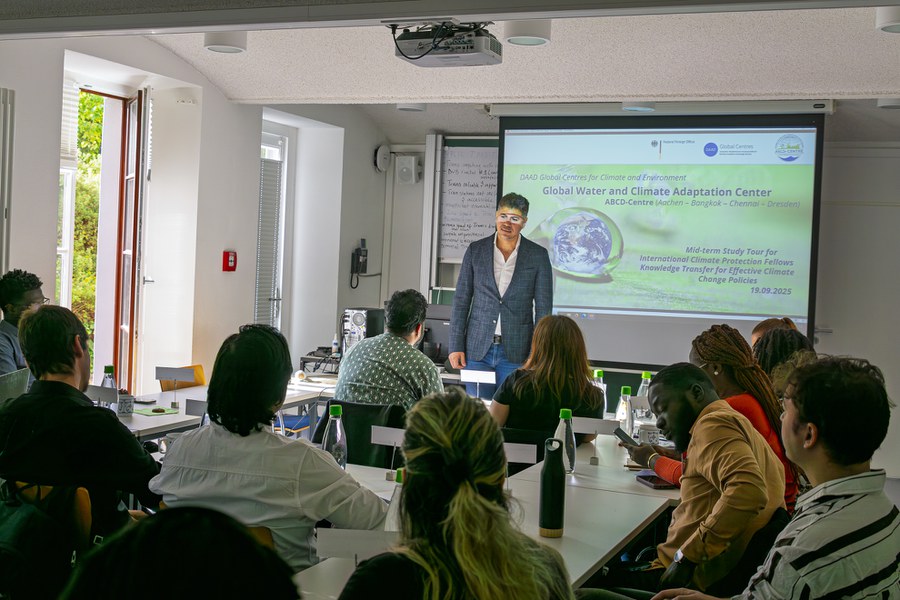
Dr. Firas Aljanabi from the ABCD Centre explains the global water crisis.
Friday at CIPSEM began with an in-depth overview of global water resources. Dr. Firas Aljanabi from the Global Water and Climate Adaptation Centre (ABCD Centre) combined scientific findings with practical solutions for climate adaptation; concrete project examples, in particular, highlighted the challenges of water management.
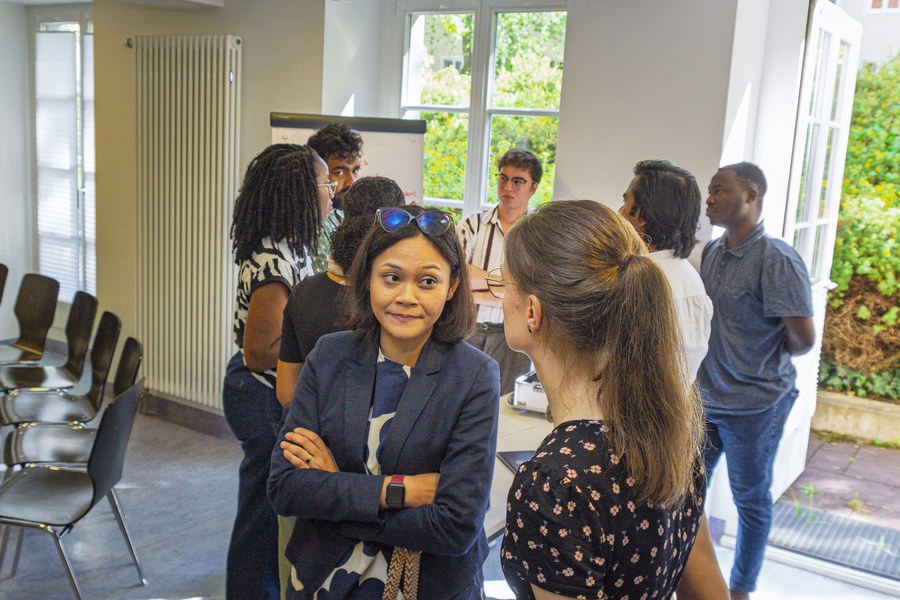
Juliane Dziumla and Atiqah Fairuz Salleh from UNU Flores discuss practical applications and risks to food security.
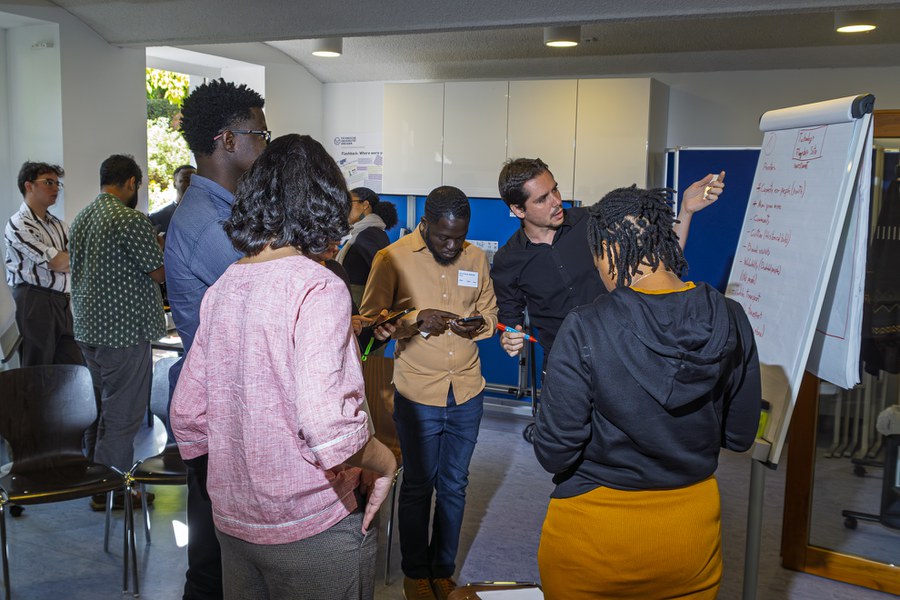
Workshop on food security.
In the afternoon, Juliane Dziumla and Atiqah Fairuz Salleh from UNU-FLORES introduced the Fellows to innovative approaches to sustainable food security. From vertical farming and stakeholder dynamics to community-based solutions, the participants gained practical insights into how research, politics, and society interact.
The fellows then attended the Positive Assertiveness and Empowerment workshop with Anja Wiede from the TUD Dresden University of Technology. Anja Wiede - an expert in discrimination prevention - created a special space for personal development and provided tools for a safe and inclusive work culture through empathic exercises and assertiveness training.
The fellows were positively impressed by the session:
"This workshop took us seriously as people with feelings. The exercises helped us to reflect on ourselves and develop tools for difficult situations. An unexpectedly valuable space for personal growth. "
Saturday, September 20: Saxon Switzerland National Park - A day to take a deep breath
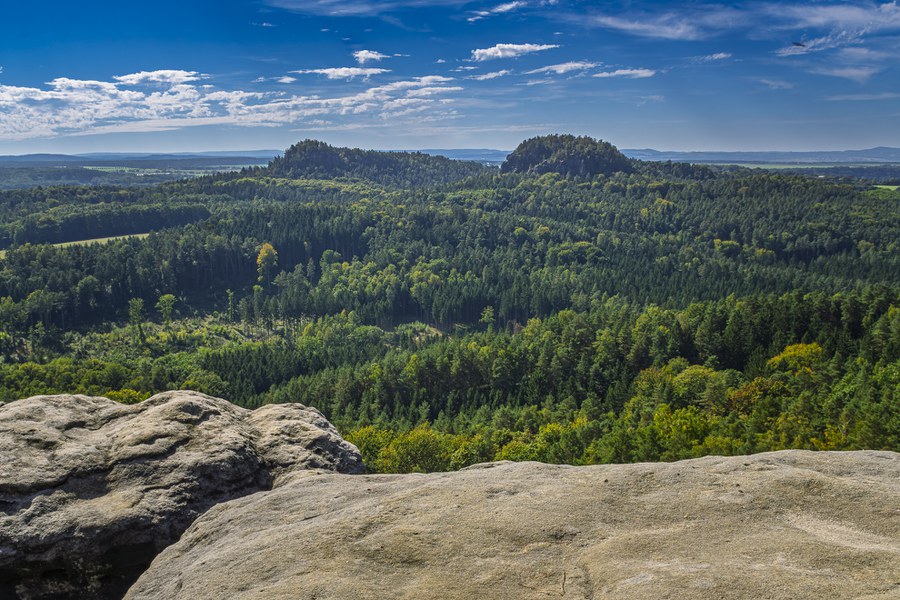
Excursion to the Saxon Switzerland.
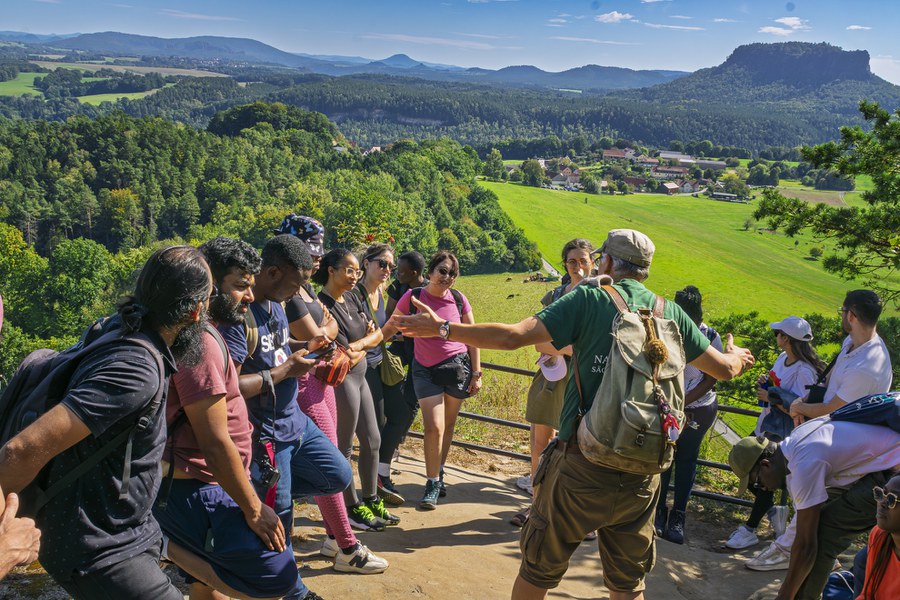
A ranger from Saxon Switzerland National Park talks about the history and importance of tourism.
The day began with a leisurely walk to the train station and a picturesque train ride to Rathen. In the Saxon Switzerland National Park, we were welcomed by a ranger who introduced the group to the geology, flora, fauna, and tourism of the region and vividly explained the challenges of nature conservation.
The ascent to the summit of the Rauenstein was rewarded with a breathtaking panorama: craggy rocks, deep valleys, and autumnal forests offered an unforgettable picture. On the way back, the landscape invited the participants to experience nature from new perspectives.
One Fellow experienced the excursion like this:
"The hike was breathtaking. The view from the Rauenstein connected us with nature and with ourselves. The ranger's explanations gave the tour a special depth - it was more than a hike, a real lesson in ecology, history, and local culture."
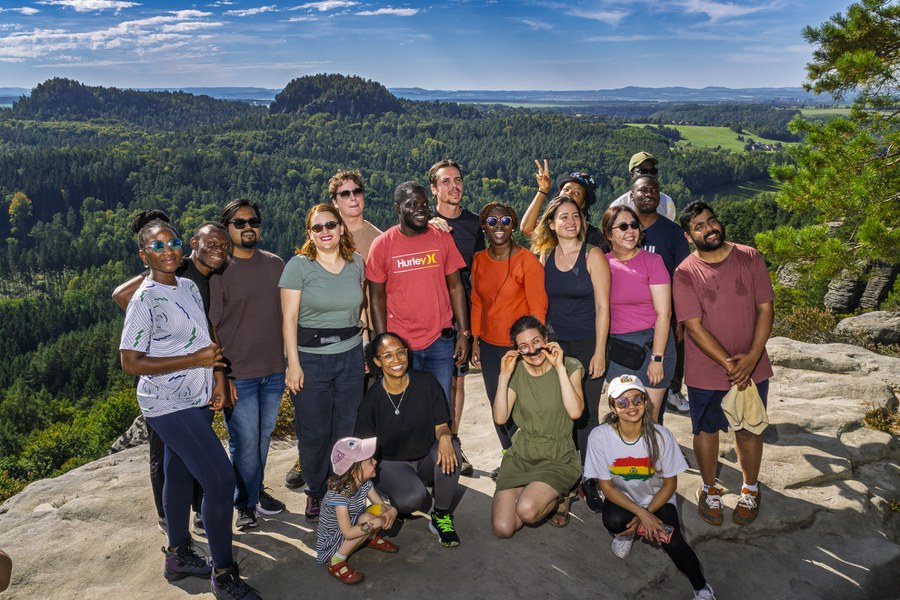
Group photo on a peak in Saxon Switzerland.
The excursion combined nature experience, exercise and knowledge transfer in an inspiring way and created space for reflection and group dynamic exchange.
2nd excursion Cottbus and Spreewald: Transformation in the former opencast coal mine.
Bus trip to Lakoma and Berlin.
At dawn, the group set off on a journey between mining heritage and living nature. The first stop was the Cottbus Ostsee - Germany's largest artificial lake.
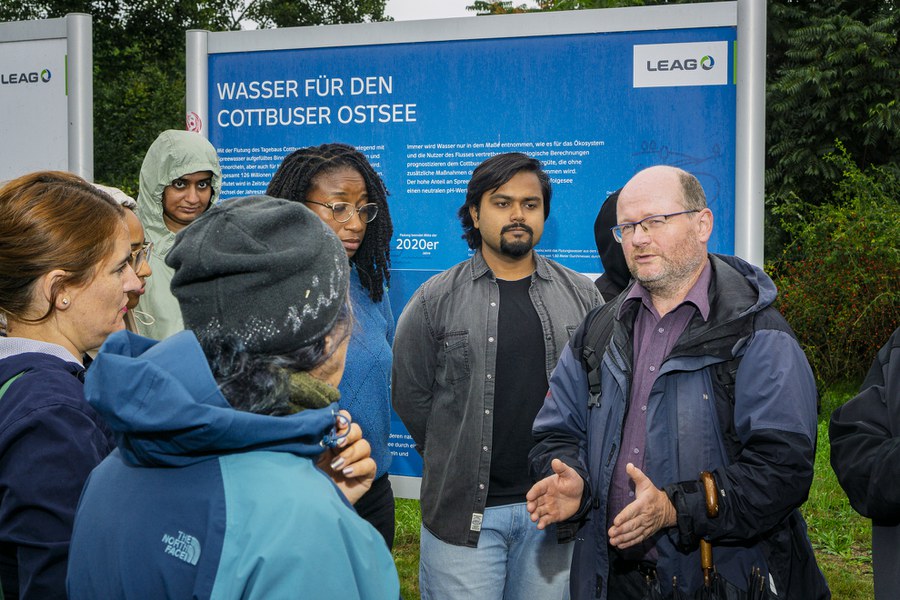
René Schuster discusses the history and significance of the open-cast mining region in eastern Germany.
Here, René Schuster (GRÜNE LIGA) and Daniel Kowal, an education expert on sustainable development in the Spreewald, not only illustrated the ecological and social transformation of Lusatia but also drew a line to future renaturation landscapes.
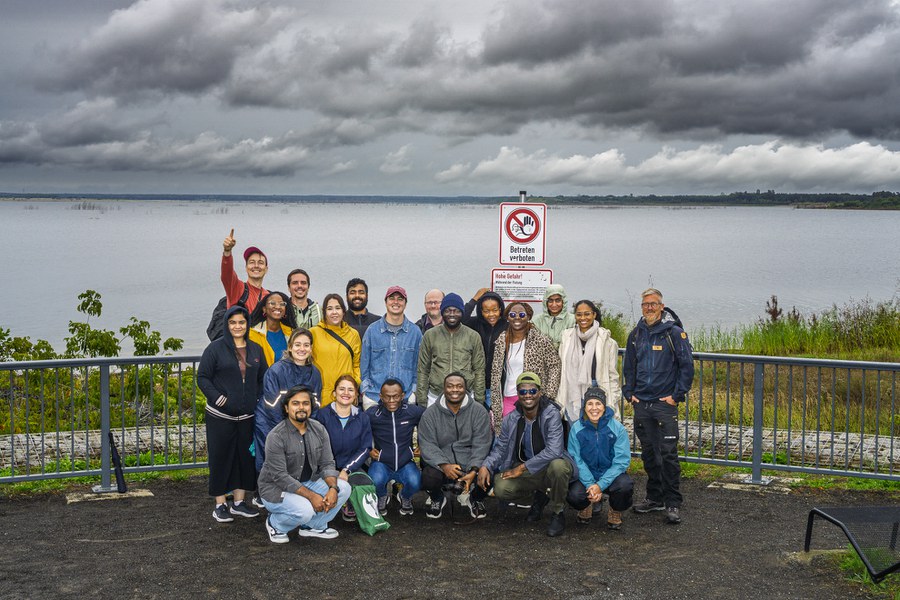
Group photo at the largest artificial lake in Germany.
The focus was on the transformation of the lignite mining region: from active open-cast mines to lake landscapes and protected areas. The Fellows experienced the extent to which ecological, social, and demographic challenges are interwoven here. One participant summed up their impressions in a nutshell:
"The transformation of the mine into a lake was fascinating. The subsequent walk through the Spreewald and the atmosphere of the biosphere reserve created an inspiring space to think about mining and renaturation."
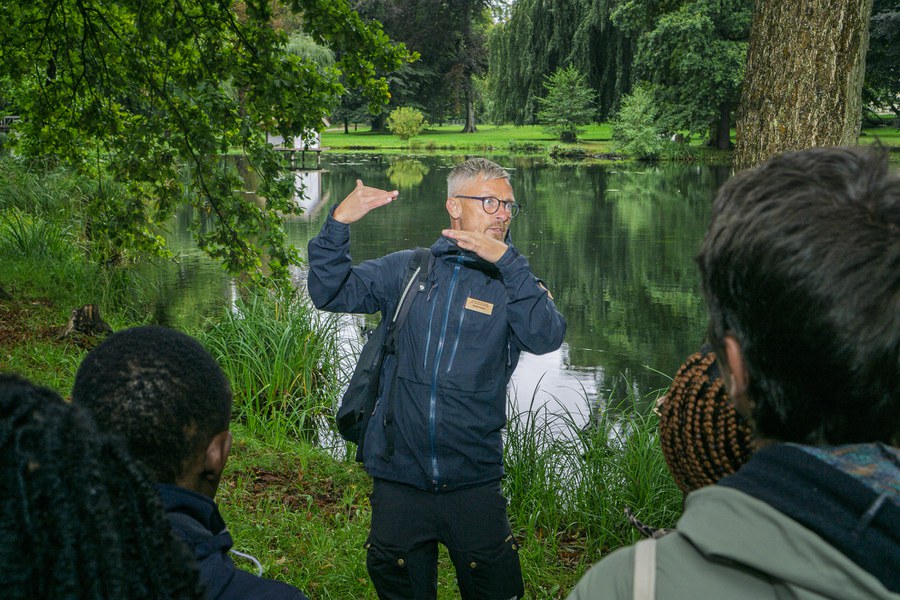
Daniel Kowal talks about the Spreewald Biosphere Reserve and its sustainable development in the context of climate change and tourism.
The combination of contemporary history, environmental experience and direct experience of nature encouraged reflection on sustainable transformation and showed innovative approaches to solutions in practice.
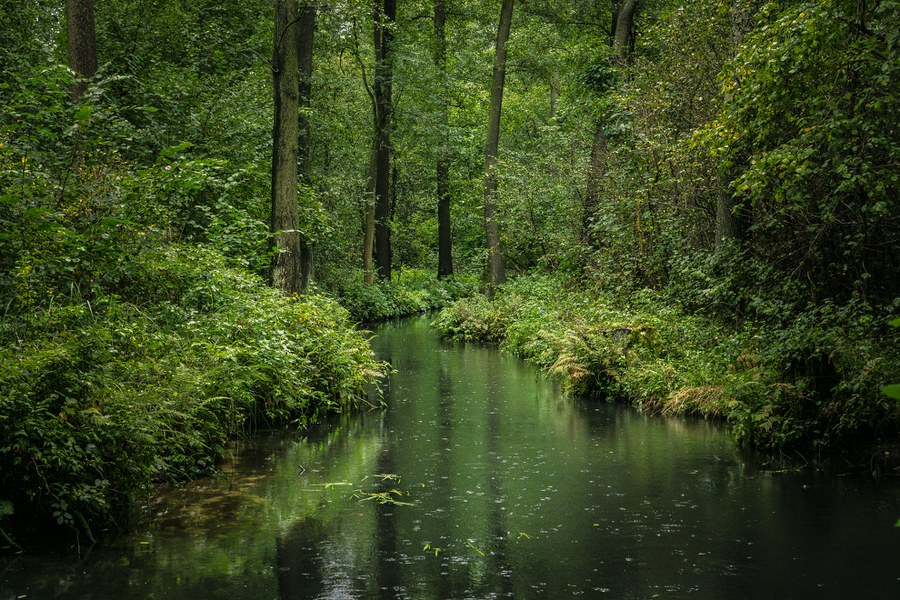
The Spreewald UNESCO Biosphere Reserve
3rd Berlin: Politics, innovation and conclusion
Tuesday, September 23: Politics and urban solutions
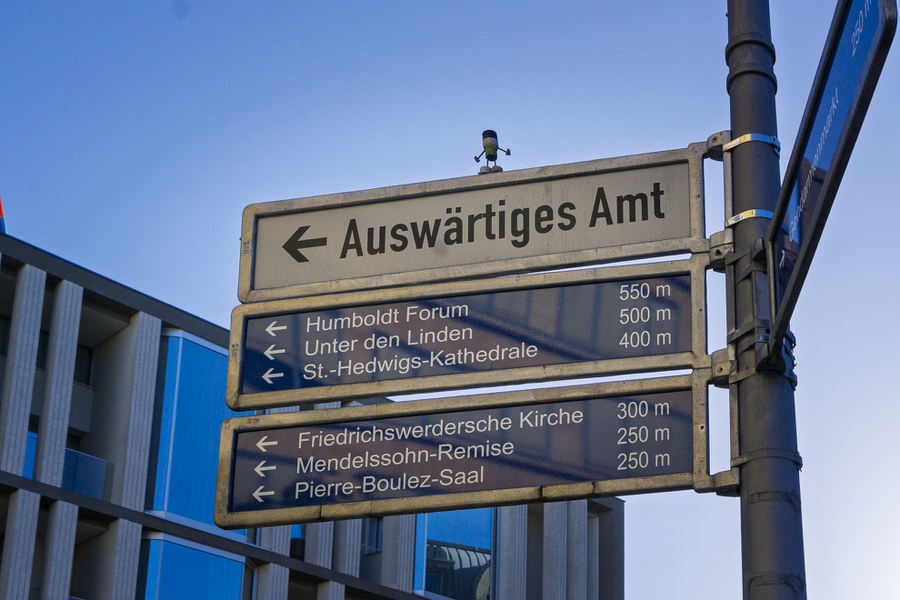
Berlin - On the way to the Foreign Office.
After arriving in Berlin, the next day focused on political processes and urban innovation. The morning took the fellows to the Federal Foreign Office, where an open exchange on German climate policy and international strategies took place.
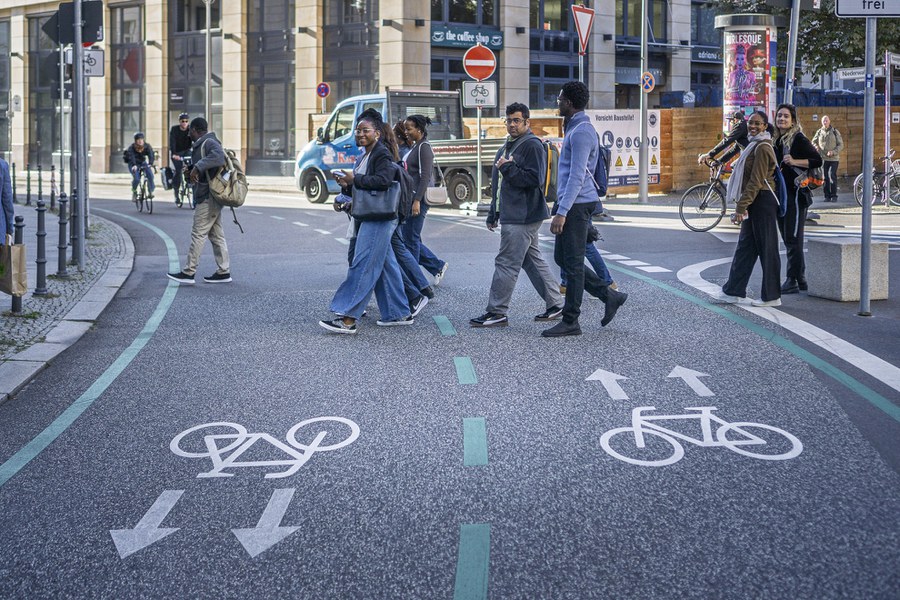
The fellows cross modern bike paths on their way to the external office.
The fellows appreciated the authentic insights:
"The exchange with the staff at the Federal Foreign Office was valuable - understanding how they think, allocate funds, and develop climate adaptation strategies deepened our understanding of climate policy processes in Germany."
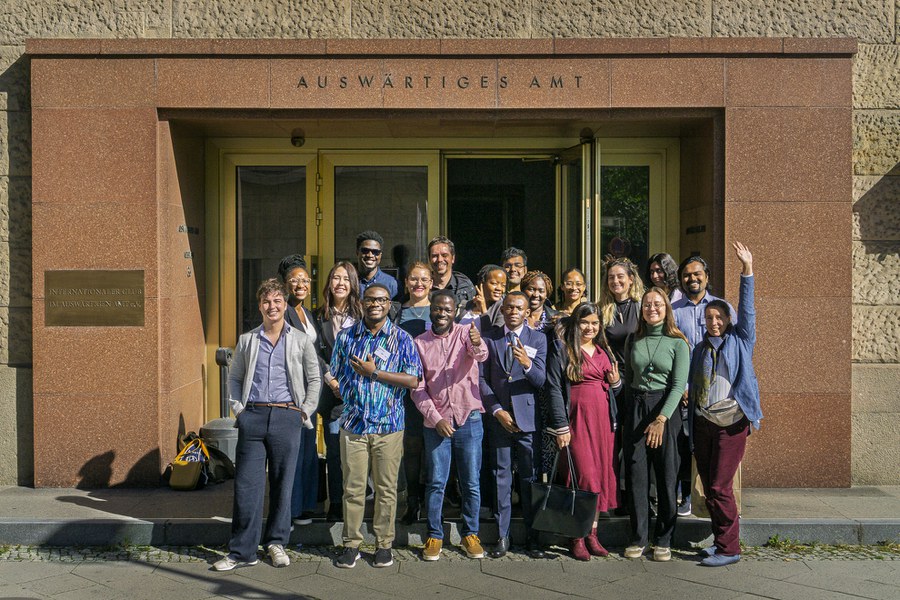
Group photo in front of the Foreign Office.
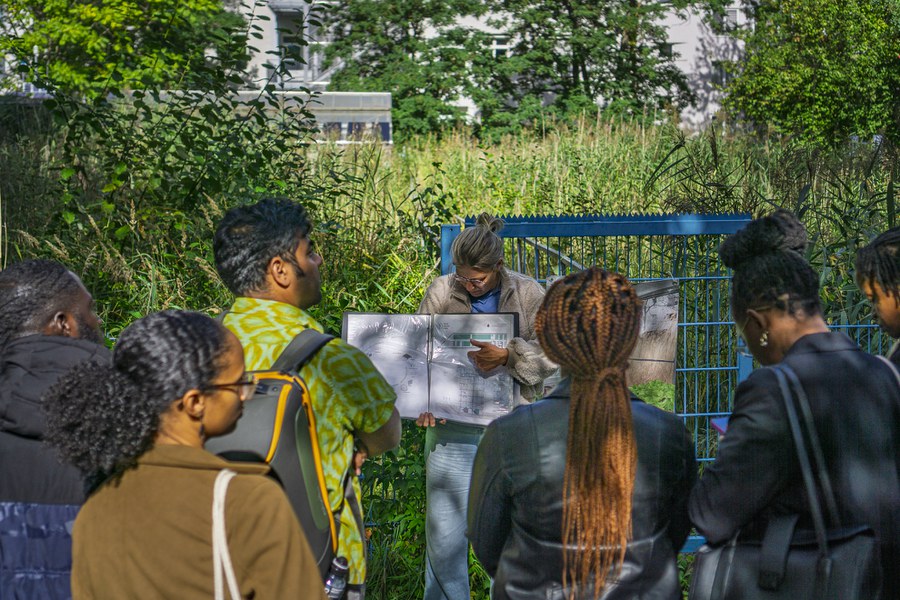
Dr. Anja Steglich presents the history of the Roof Water Farm facility.
In the afternoon, Dr. Anja Steglich presented the Roof Water Farm. The Fellows experienced how gray water treatment and urban agriculture can be combined innovatively and with nature-based methods. They were very enthusiastic:
"It's impressive how these space-saving solutions with graywater use can be implemented anywhere - especially for urban areas! Dr. Steglich conveyed this with great persuasiveness."
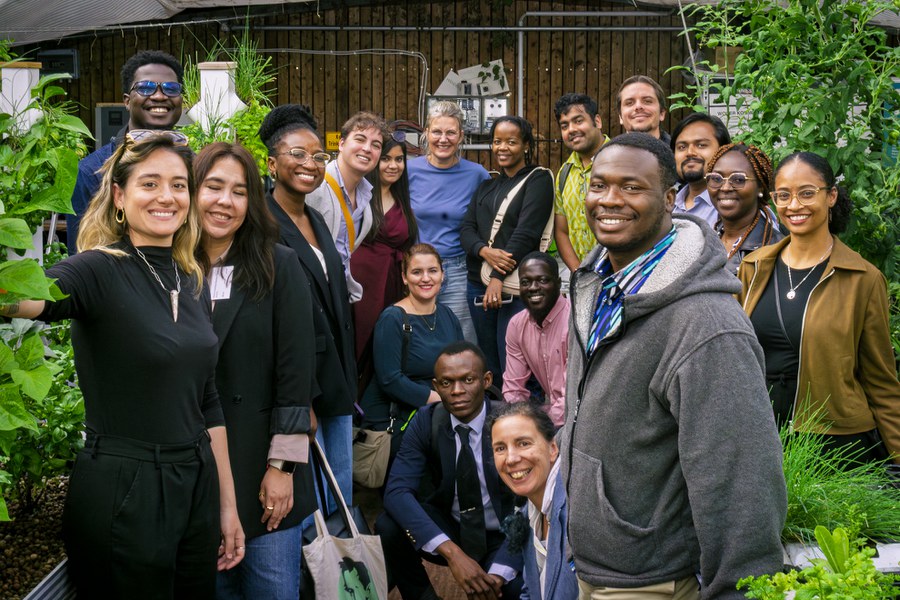
Gruppenfoto im Gewächshaus der Roof Water Farm.
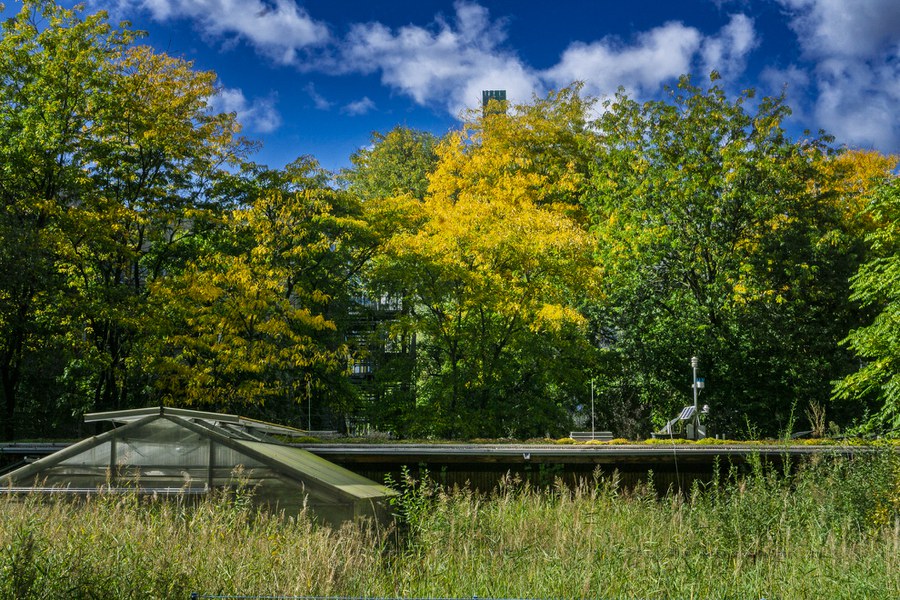
Exterior view of the Roof Water Farm in Berlin-Kreuzberg.
Wednesday, September 24: Industry and the energy transition
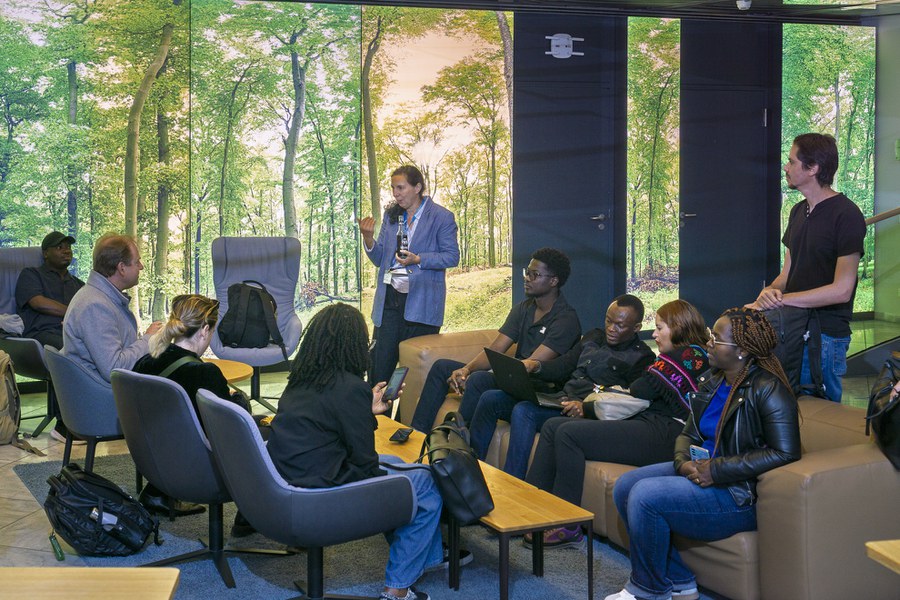
Dr. Dechyeva talks to Dr. Rottenburg (left).
Wednesday began with a visit to the headquarters of the Federation of German Industries (BDI). Dr. Eberhard von Rottenburg, advisor on energy and climate policy, explained the balancing act between industry interests and climate targets and illustrated the complex reality of the German energy transition.
"Thediscussion showed the different perspectives of industry and civil society and made it clear how important compromises are for the success of the energy transition."
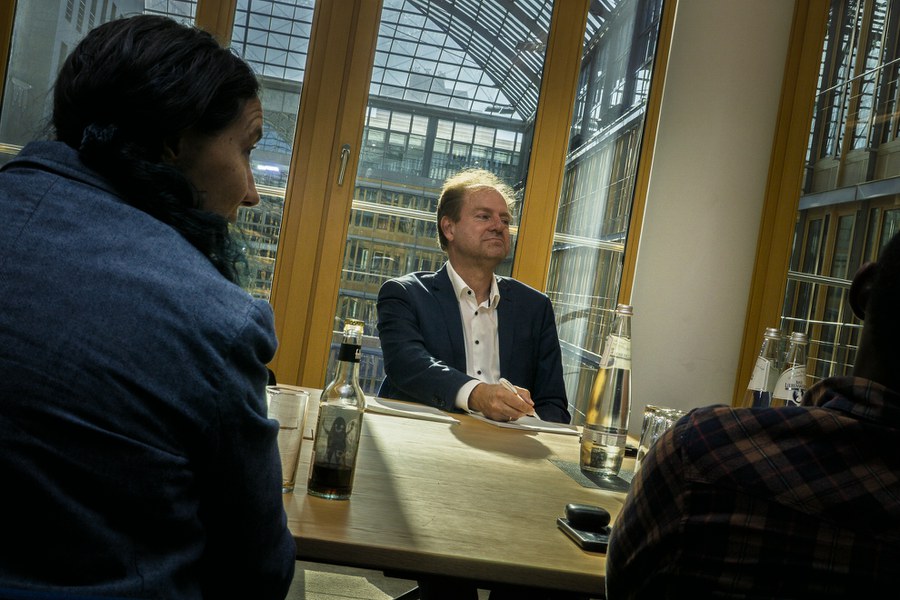
Dr. Eberhard von Rottenburg talks to the fellows about the costs of the energy transition.
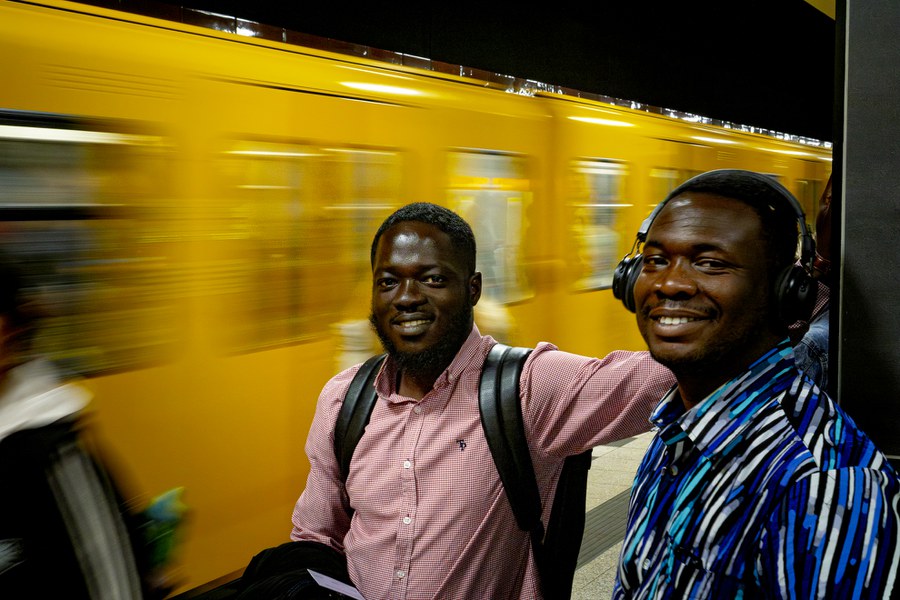
Fellow Darius Ankamah and Fellow Manuel Mensah
From compromises to practical exercises in the afternoon. The visit to the Renewables Academy AG (RENAC) put the fellows in an interactive role play,
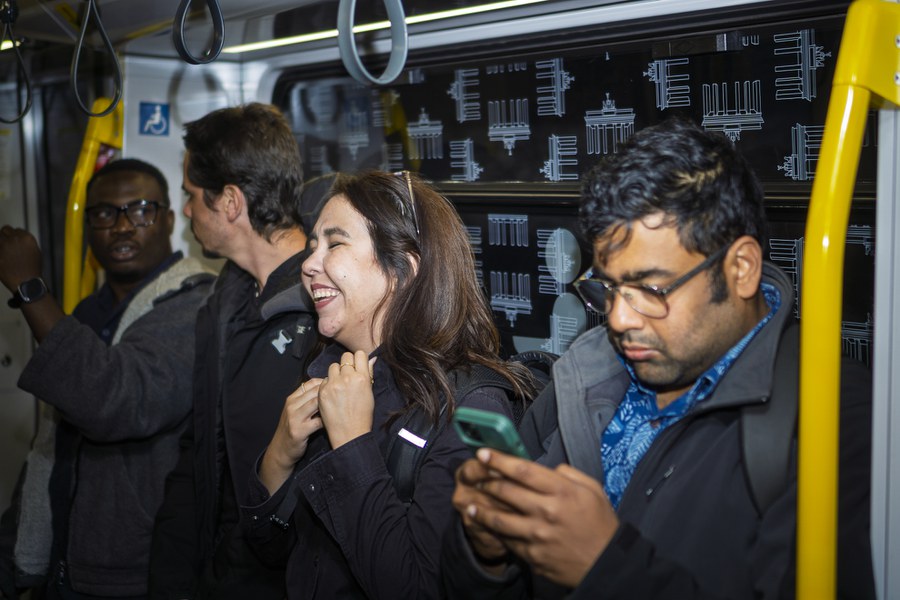
We quickly covered the long distances between appointments by subway.
which brought together all the previous learning content of the Study Tour - from negotiation skills to just transformation processes.
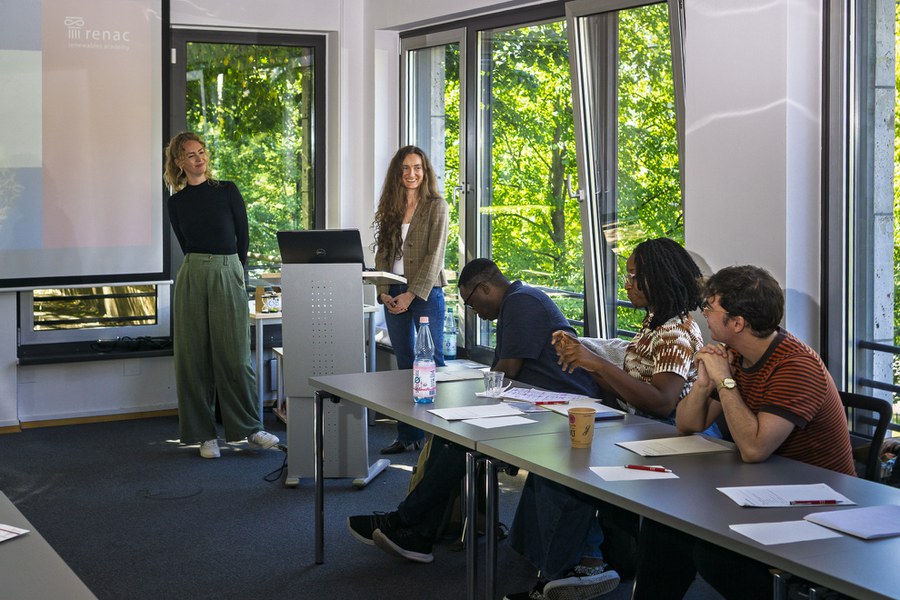
Charlene Rossler (left) and Marta Stetsiv explain the role play in the workshop.
The participants concluded:
"The role play perfectly summarized everything we had learned - an engaging, interdisciplinary training that went far beyond a mere exercise and prepared us comprehensively for the challenges of a just transition."
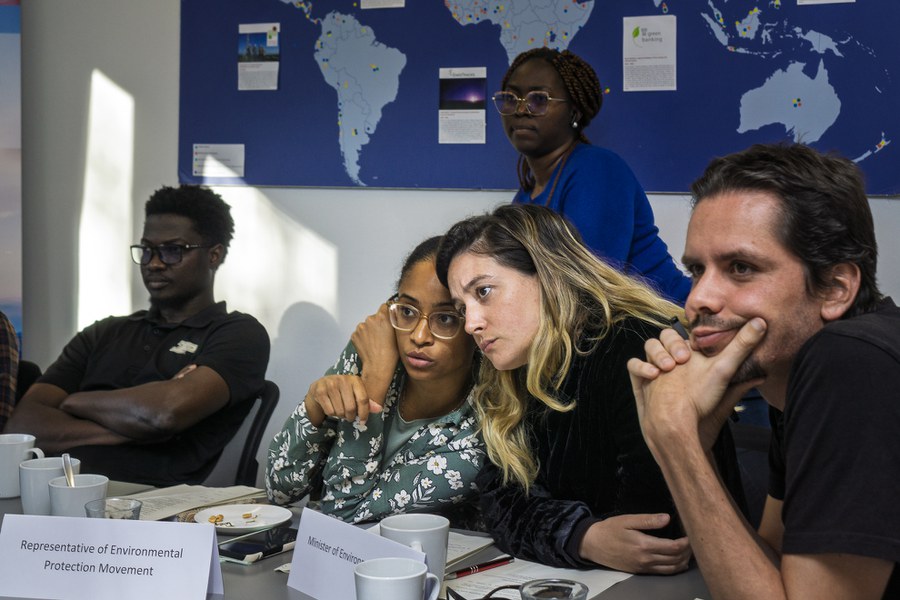
Intense discussions between the parties in the role-playing game at the Renac AG workshop.
Thursday, September 25: Science and closure
Our last day in Berlin began with an inspiring visit to the Ecologic Institute - Science and Policy for a Sustainable World.
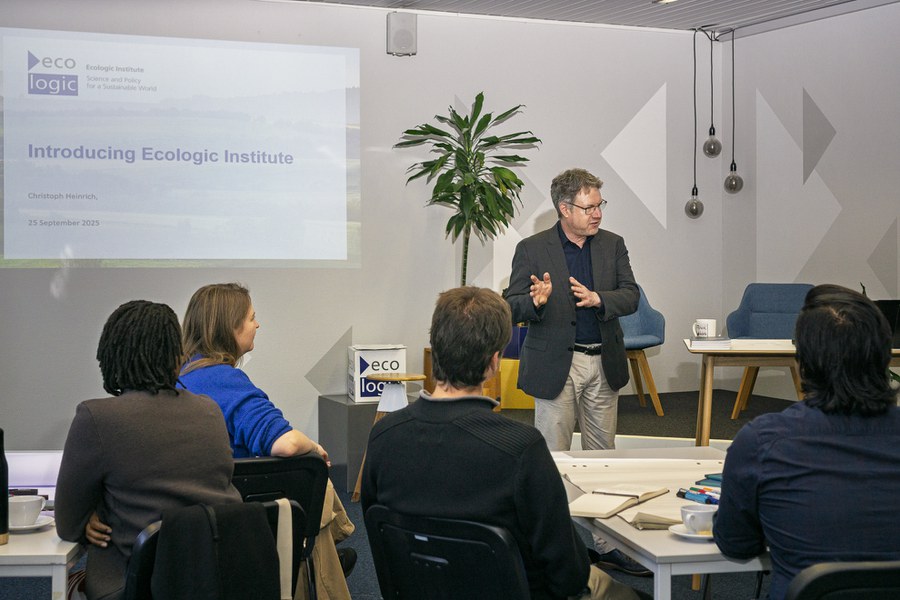
Christoph Heinrich - Director of the Ecologic Institute.
Former WWF Executive Director Christoph Heinrich, now Executive Director at Ecologic Institute, as well as Ewa Iwaszuk, Senior Fellow, and Nico Stelljes, Staff, gave practical insights into projects on nature-based solutions, biodiversity, and urban governance.
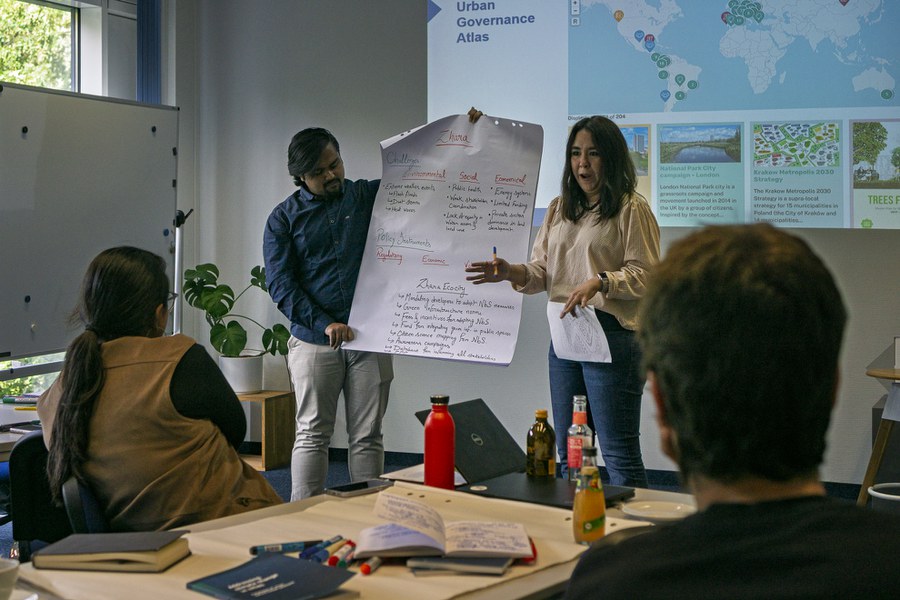
Fellow Rocio Fimbres and Fellow Samrat Deb present their workshop findings at Ecologic Institute.
The session impressed with its immediate applicability:
"An all-round successful session - with practical examples, innovative approaches and the ability to convey complex urban contexts in an understandable way."
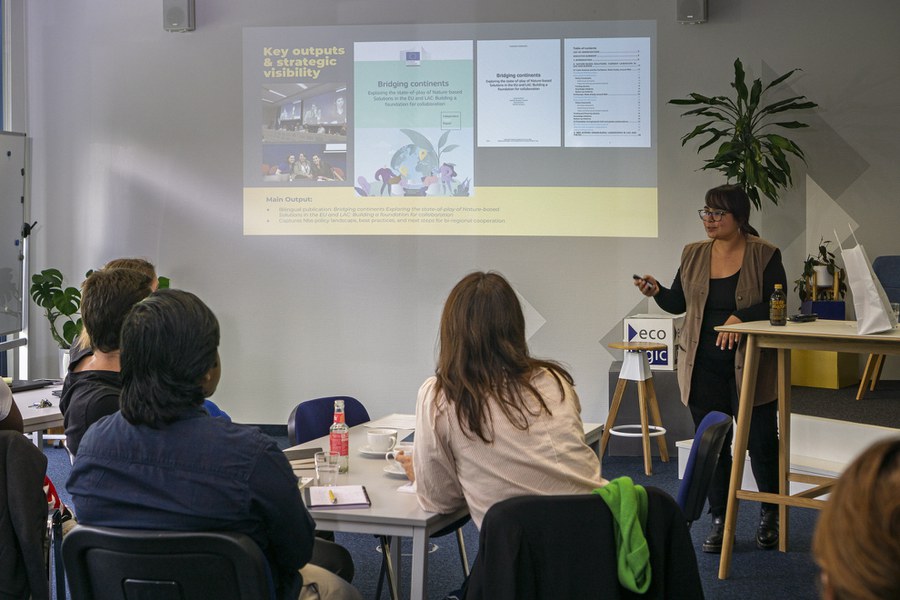
Natalia Burgos Cuevas, former fellow and alumna of the AvH, discusses her moving and inspiring career.
In the afternoon, Karen Kleinwort from Zukunft - Umwelt - Gesellschaft (ZUG), project manager of the International Climate Initiative (IKI), explained the effective use of climate funding and the implementation of gender strategies.
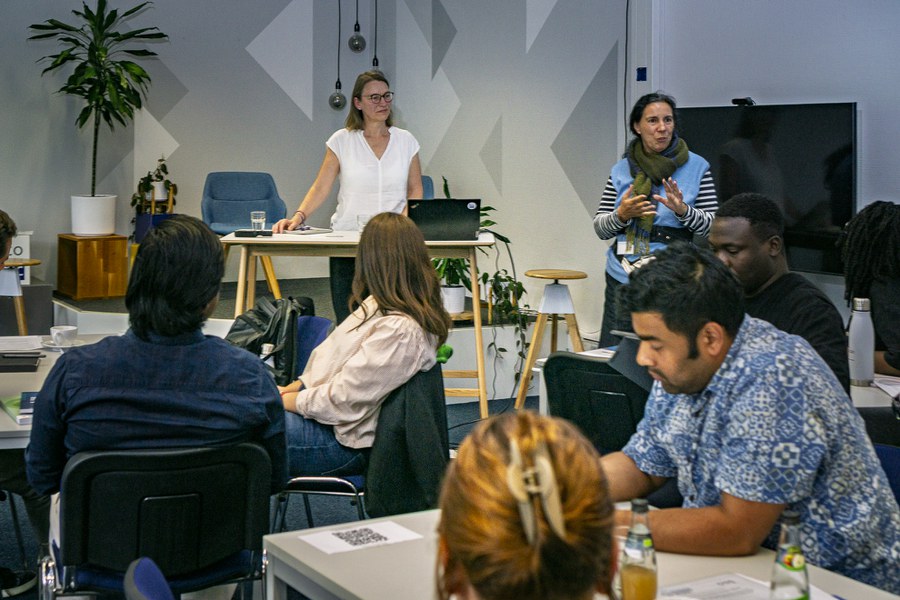
Karen Kleinwort of the Zukunft – Umwelt – Gesellschaft (ZUG)
Particularly valuable for the Fellows:
"The concrete insights into the allocation of funding and the presentation of projects that have already been implemented - an excellent orientation for future project applications."
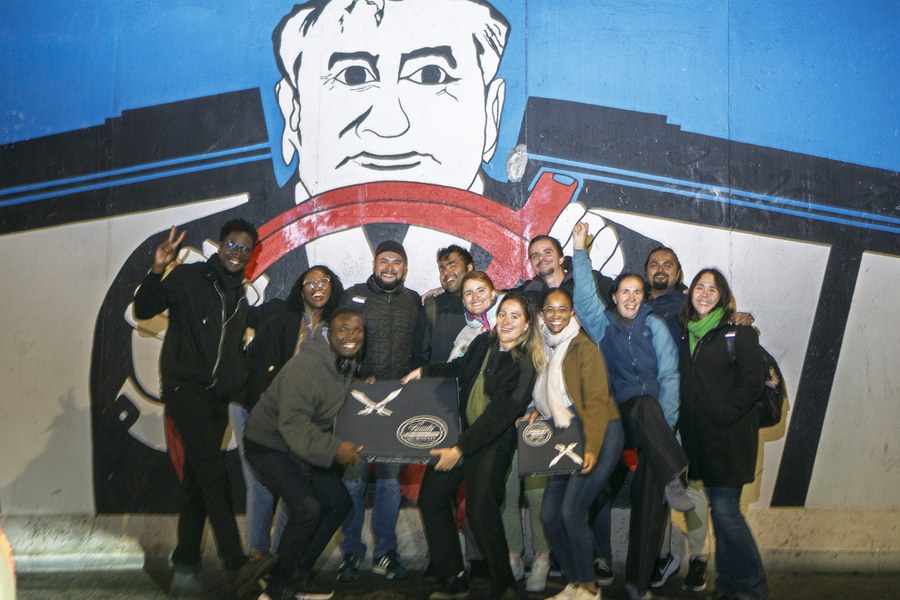
Late in the evening, a final group photo in front of the Berlin Wall with Mikhail Gorbachev and pizza.
The event concluded with a social gathering, which rounded off an eventful week and deepened personal exchanges within the group.
Friday, September 26: Art and finale
On the last day of the study trip, there was a cultural highlight to round things off: a visit to the National Gallery of Contemporary Art – Hamburger Bahnhof. The guided tour, which focused on “Feminist Perspective,” gave us a deep insight into contemporary art. One conclusion from the group:
"It felt super important to learn about these women artists and their relationship to the world around them. The exhibition was beautiful, and it was very important that we, as a group, were exposed to new approaches to art at the end of the study tour."
The visit was a worthy conclusion to an intensive and inspiring week in Berlin - full of insights into politics, energy, sustainability, science, and culture.
4 Conclusion: Theory and practice sustainably linked
The Midterm Study Tour 2025 was more than just a study trip - it became a catalyst for effective climate protection policy. The fellows appreciated the thematic diversity, the clear structure, and the strong practical relevance.
The trip made it clear that sustainable transformation requires more than just data—it thrives on the power of collaboration across disciplines and cultures. For many fellows, the tour represented a turning point, as they summed up:
"More than a study tour - a confirmation that our work can bring about real change."
Science becomes effective when it builds bridges: to politics, society and to ourselves. The connections forged on this trip will continue - in projects, partnerships, and the shared vision of a climate-friendly future.
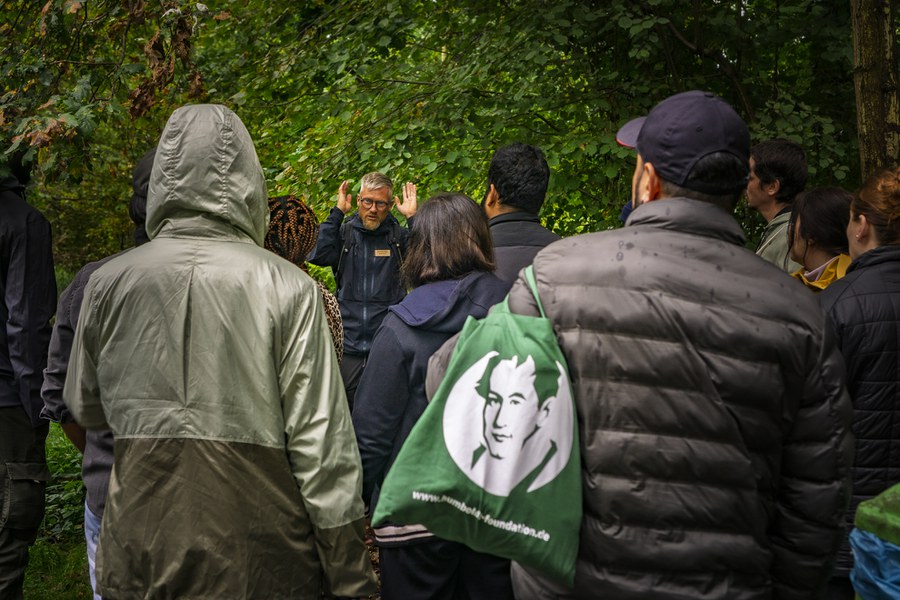
Hike with Daniel Kowal in the UNESCO World Heritage Site Spreewald. Alexander von Humboldt was there in spirit.
The CIPSEM team at TU Dresden would like to thank everyone involved - especially the Alexander von Humboldt Foundation, the host institutions, and the fellows - for their contribution, their openness, and the shared spirit that characterized this trip.