
Research stay in Shanghai
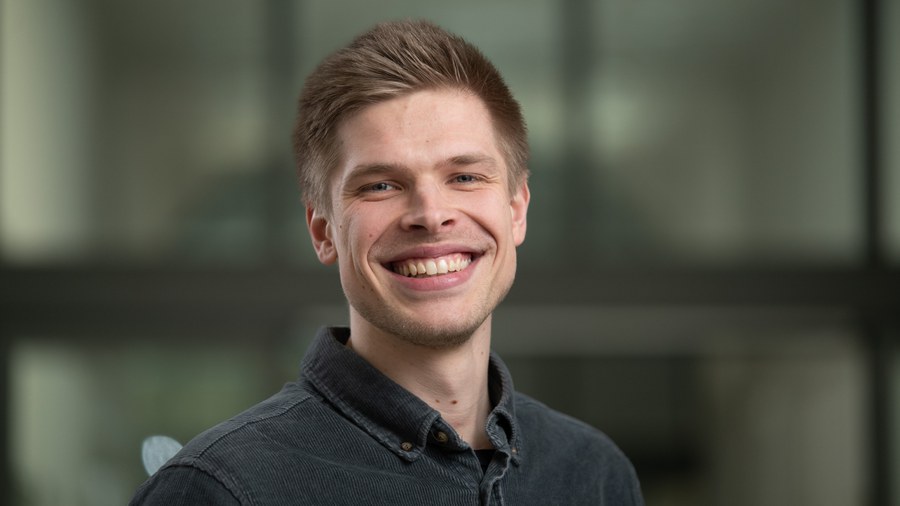
Alexander Blume (Chair of Business Administration, esp. Industrial Management) was a visiting researcher at the School of Economics and Management (SEM) at Tongji University in Shanghai for three months - from mid-September to mid-December 2025. He was invited by Prof. Qiang Su, an internationally renowned expert in the field of healthcare operations management with a methodological focus on operations research, who also has extensive research experience in supply chain management in the energy sector, particularly in the Chinese context.
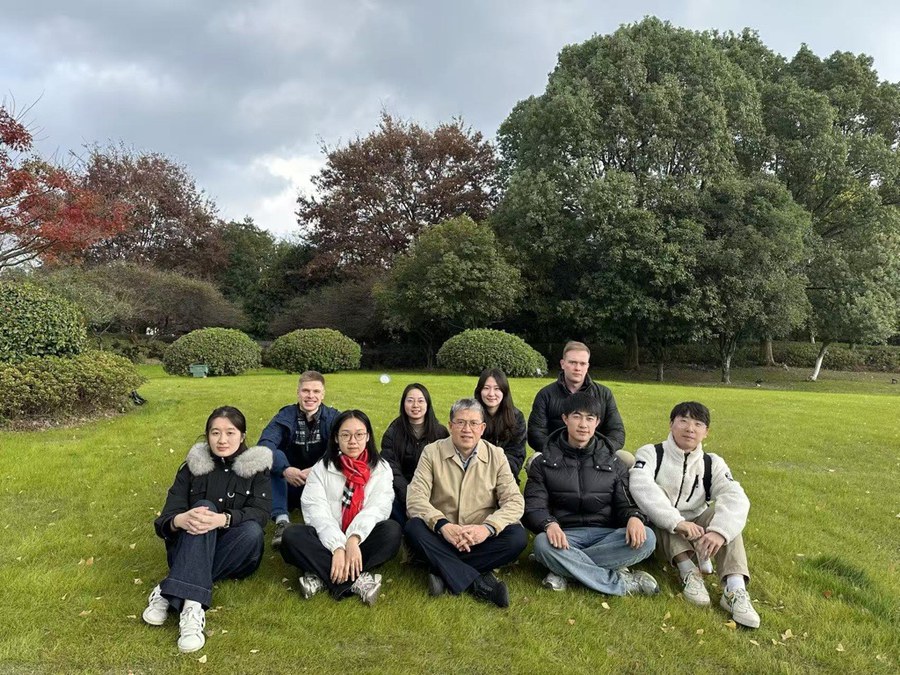
© Alexander Blume
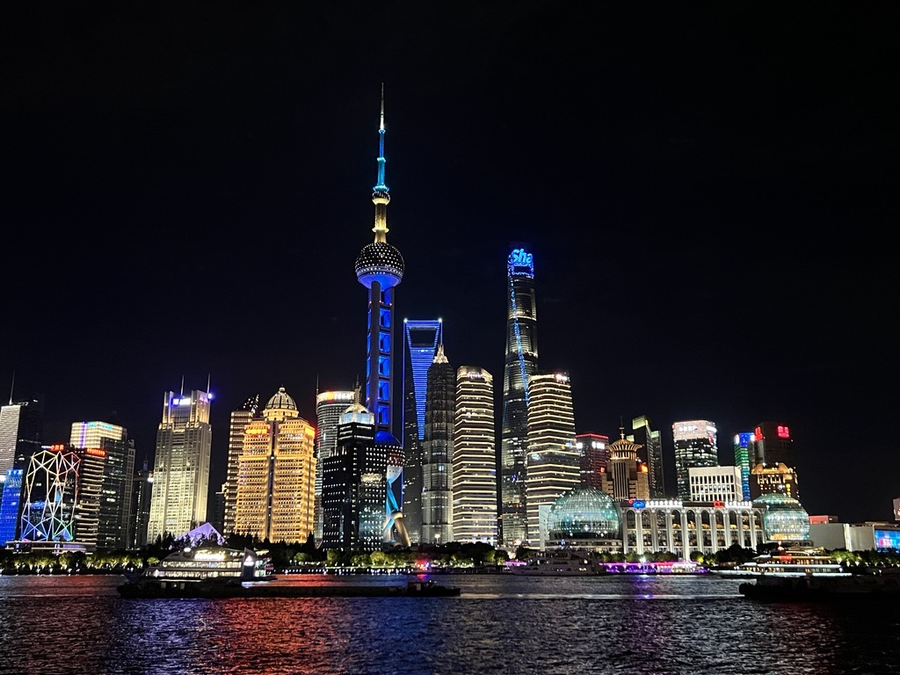
© Alexander Blume
© Alexander Blume
How did the research stay come about? How much time passed between the initial idea and its implementation? Were there any hurdles in planning the stay?
The research stay emerged from the Chinese-German University College (CDHK), a joint institution of the DAAD and Tongji University. Since its foundation in 1998, the CDHK has been one of the most successful programs in Sino-German academic exchange. Against the background of common research interests, particularly in the areas of optimization, production planning and supply chain management, my supervisor Prof. Udo Buscher, as an active member of the CDHK, finally established contact with Prof. Su in April 2025. After an initial professional exchange, concrete joint research topics were quickly identified and the time frame for a stay in the last quarter of 2025 was set. Only around six months passed from the initial idea to the start of the stay. Funding was provided by the "Tongji University Key National International Doctoral (Advanced Study) College Funding Project", a scholarship program specifically for European doctoral students.
A particular challenge in the planning was that the exchange and funding were intended for PhD students for the first time. Accordingly, organizational aspects such as accommodation, visa, formal application and application to Tongji University had to be clarified independently by me. The same applied to local coordination and onboarding in Shanghai. However, as is so often the case, someone has to take the first step. I am therefore all the more confident that future stays for doctoral students will be much more routine - not least because established exchange programs at Bachelor's and Master's level are already working very well today.
What can you tell us about your stay in Shanghai? How did the collaboration with the researchers there work?
I experienced my research stay in Shanghai as both challenging and enriching. The challenges included language barriers in particular, as most of the teamwork was in Chinese and English is only used to a limited extent in everyday life. In addition, the academic working culture differs significantly from that in Dresden: there is less coordination with supervisors, which requires a very independent way of working. This was exacerbated by the fact that the doctoral students work in teams at different locations, sometimes at considerable distances, and the research topics and methodological approaches are very heterogeneous. Regular professional exchange was therefore only possible to a limited extent.
At the same time, I found the working mentality on site extremely inspiring. The highly dynamic and pragmatic approach to new ideas had a significant impact on my research stay. The collaboration with Prof. Su resulted in a new publication idea on a highly topical issue in the Chinese context - efficient waste recycling. The further development of this contribution will be a central part of my dissertation and will be continued after my return to Germany.
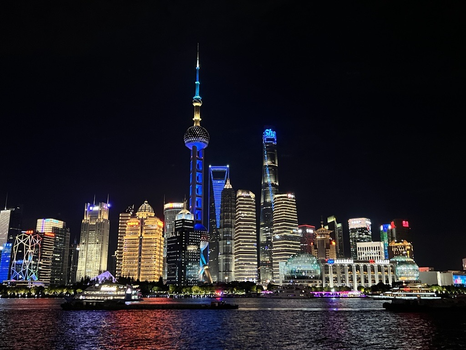
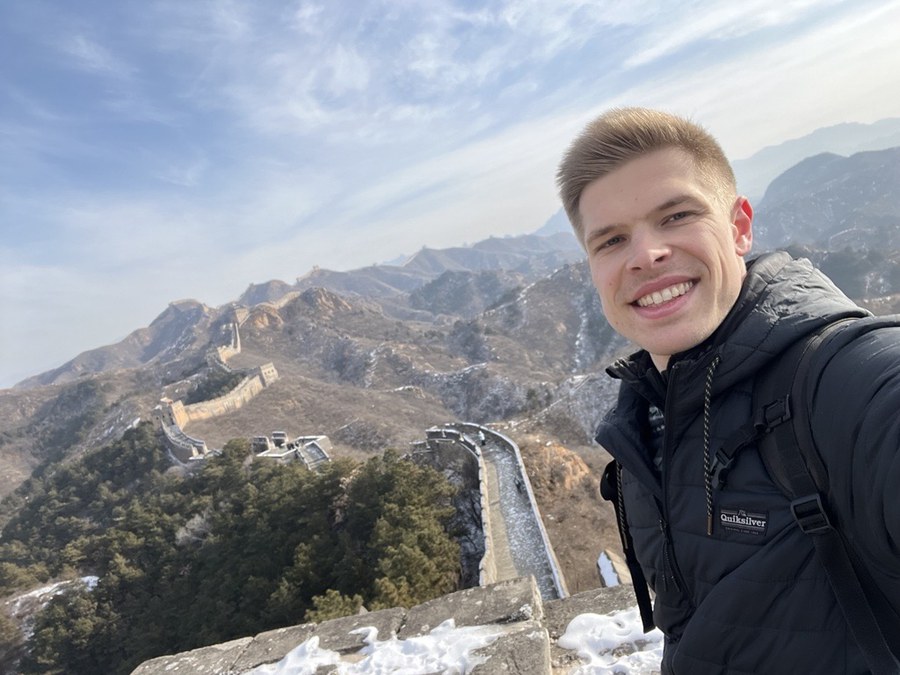
In addition to my research, I had plenty of time to explore China at the weekends. In addition to impressive metropolises such as Shanghai, Hangzhou, Suzhou, Chongqing or Beijing, which are characterized by modern infrastructure and impressive skylines, visits to the Huangshan Mountains or the Great Wall of China near Jinshanling also offered an exciting contrast. I also particularly remember the culinary diversity and the exceptionally high level of digitalization and smartphone use, which encompasses almost all areas of everyday life.
What experiences will you take back to Dresden?
Above all, I'm taking away a new perspective on my own work from my research stay. The high pressure to perform and the great commitment of many young academics in China have made it clear to me how privileged the conditions for doing a doctorate are in Germany, and at the same time motivated me to use my time more consciously and to sharpen my own expectations of research.
I also learned to be more open to challenges and to leave my comfort zone more often. Despite having little previous experience in operations research, many of my Chinese colleagues develop extremely sophisticated optimization models and algorithms - an attitude that has shown me that even complex methodological issues can be mastered primarily through perseverance and continuous work.
Last but not least, I have a very positive overall impression of China. The openness and hospitality of the people as well as the high degree of digitalization and efficiency in everyday life made a lasting impression on me. Overall, the stay was formative both professionally and personally and will influence my future work in Dresden.