
Feb 11, 2026
Women in Science 2026
Over the next weeks, we will publish short interviews with our female group leaders. Stay tuned!
Prof. Catherina G. Becker
Dr. Tatiana Sandoval-Guzmán
Prof. Yael Politi
Prof. Franziska Knopf
Dr. Anna Czarkwiani
Prof. Catherina G. Becker
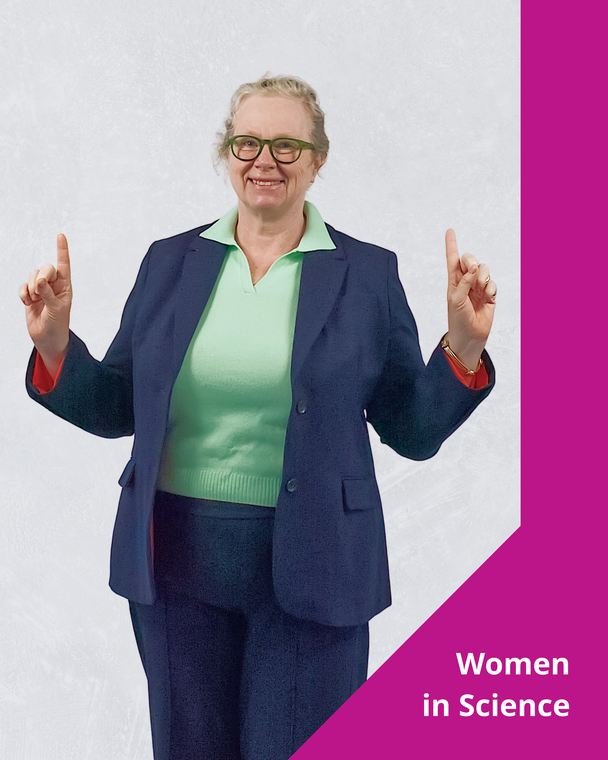
Which female scientist (historical or a personal mentor) has had the biggest impact on how you approach your research?
Professor Chica Schaller was a wonderful inspiration for what shapes mentorship can take and what change support can make.
In your experience, what is the most important skill for group leader that isn't taught in a lab?
Personnel management. Nobody teaches you that your students and postgrads are not going to be all “mini-me”.
What is the most rewarding 'eureka' moment you’ve experienced in the lab so far?
I recall sitting in a small, dark microscopy room and noticing a particular population of motor neurons that switched on a transgene within a two-hour time period. This formed the basis for a drug screen, the discovery that dopamine from the brain controls spinal neurogenesis, our first Developmental Cell paper.
What is one thing about a career in research that you think would surprise a 15-year-old girl today?
How diverse each day is.
Besides scientific expertise, what is a 'hidden talent' or unexpected skill that has surprisingly helped you in your career?
I had singing lessons as a teen – great to control your voice in meetings and lectures.
I can see small inconsistencies (or similarities) in images, very helpful to assess phenotypes.
Learn more about the Becker group and their research on their website.
Dr. Tatiana Sandoval-Guzmán
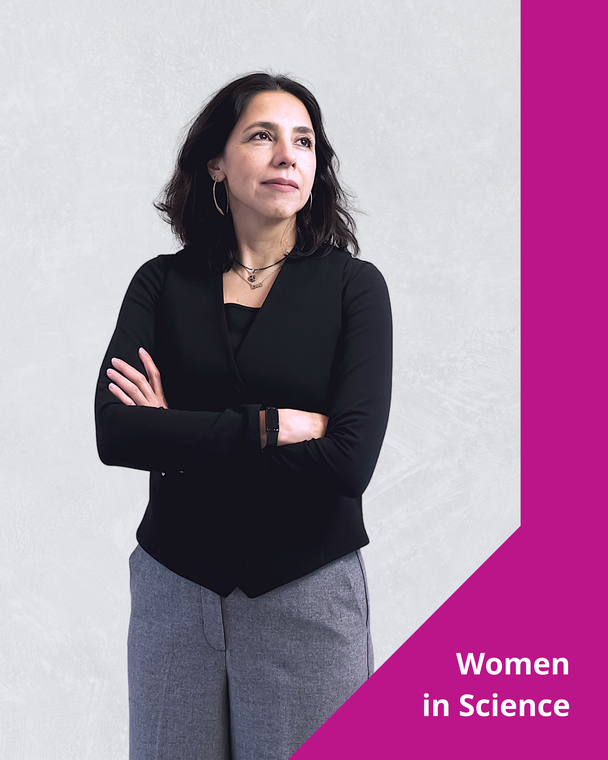
What is one thing about a career in research that you think would surprise a 15-year-old girl today?
Science can be a way for your mind to feel free. It can be genuinely enjoyable and you get to meet people that value reasoning and share your enthusiasm (very often leading to true and long-lasting friendships!).
Which female scientist has had the biggest impact on how you approach your research?
My Ph.D. supervisor Naomi Rance for many reasons, but most of all for inspiring me to love science focused on discovery, not for glory or recognition.
In your experience, what is the most important skill for group leader that isn't taught in a lab?
Service - a good leadership begins with service.
Besides scientific expertise, what is a 'hidden talent' or unexpected skill that has surprisingly helped you in your career?
Appreciating art in its many forms. I believe it boosts creativity, curiosity, observation, and communication. Art can greatly enrich the way science explores the world and searches for meaning.
Learn more about the Sandoval-Guzmán group and their research on their website.
Prof. Yael Politi
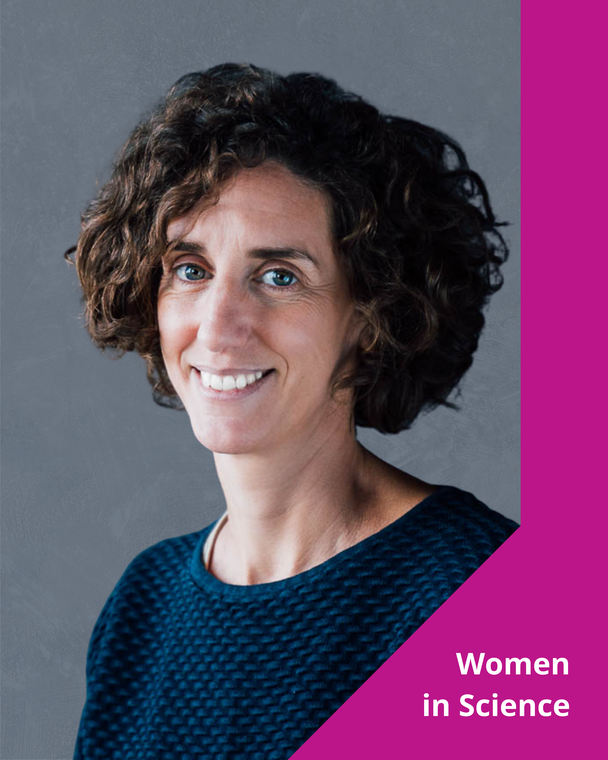
The interview can be found here.
Learn more about the Politi group and their research on their website.
Prof. Franziska Knopf
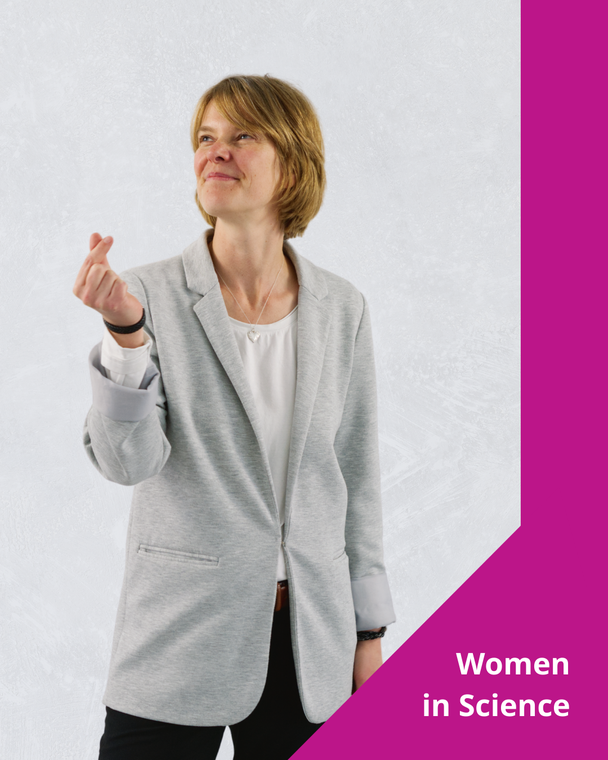
Which female scientist (historical or a personal mentor) has had the biggest impact on how you approach your research?
My biology teacher might not have been a full-time scientist, but she was a truly great teacher: knowledgeable, lovely, funny, and very motivating. Thanks to her, I chose to study biology!
What is one thing about a career in research that you think would surprise a 15-year-old girl today?
There are many different paths in a research environment, ranging from performing experiments in the laboratory to managing a lab or being a scientific coordinator (just to name a few). You choose what suits you best!
Besides scientific expertise, what is a 'hidden talent' or unexpected skill that has surprisingly helped you in your career?
Being able to connect with people and being a good listener.
Learn more about the Knopf group and their research on their website.
Dr. Anna Czarkwiani
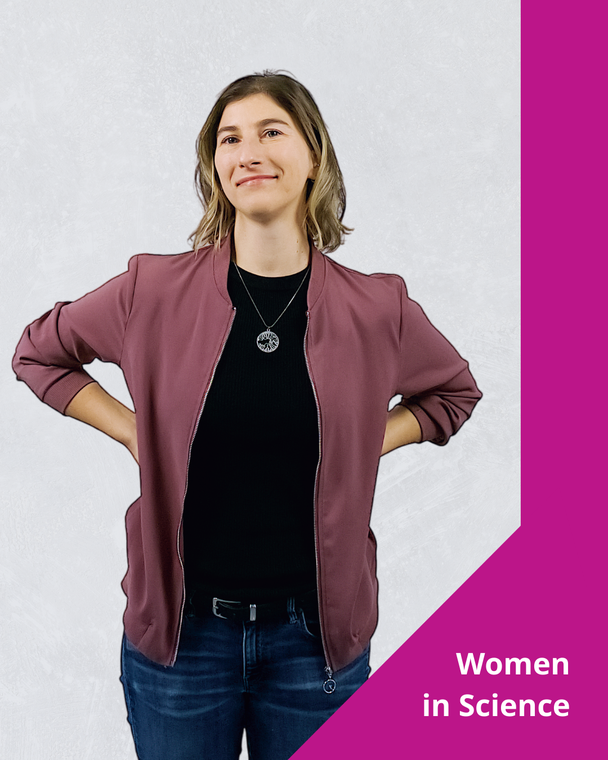
In your experience, what is the most important skill for group leader that isn't taught in a lab?
I think entering a leadership position requires primarily a change of perspective from thinking “what I can do to push the research forward” to “how best to support and empower others to push the research forward”?
That comes with a whole new skill-set to learn including management, good communication, and mentorship, none of which are taught in the lab.
What is one thing about a career in research that you think would surprise a 15-year-old girl today?
I think there is still a lot of misconceptions around the question: “what does a scientist look like”? In my experience, researchers are as diverse a people as in any other profession. With a whole spectrum of social skills, family situations, hobbies, and personalities, and come from all kinds of backgrounds.
Besides scientific expertise, what is a 'hidden talent' or unexpected skill that has surprisingly helped you in your career?
Throughout my career I have always compensated my lack of experience or knowledge with enthusiasm and a will to learn and that has been my driving force.
Learn more about the Czarkwiani group and their research on their website.