
Sep 15, 2026
BiodivERsA Call 2026 open! “Novel ecosystems: biodiversity, socio-ecological consequences and future trajectories”
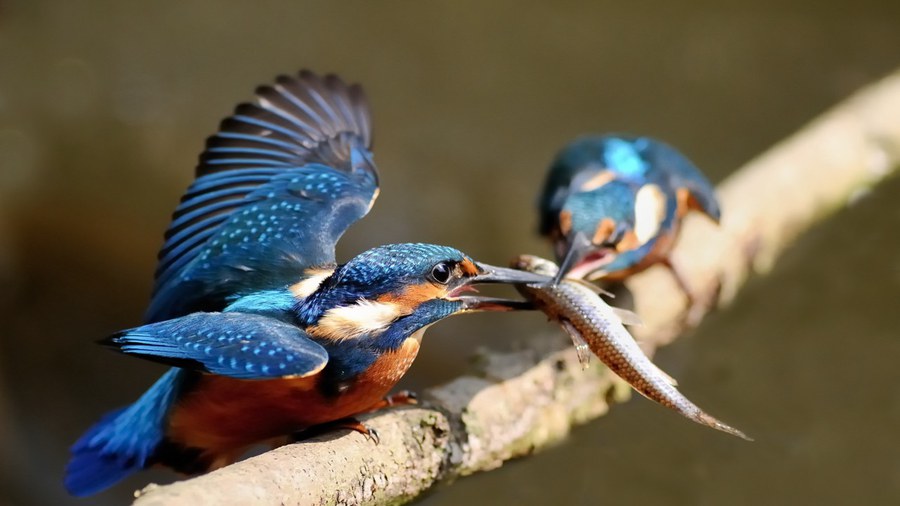
|
Biodiversa+ announced the new transnational joint research call entitled Novel ecosystems: biodiversity, socio-ecological consequences and future trajectories (BiodivFuture). BiodivFuture supports forward‑looking international research on biodiversity, emerging ecosystems and their social and ecological implications. The call targets the drivers, biological responses and consequences of current and future environmental change across terrestrial, freshwater, marine and coastal systems worldwide. It aims to fund innovative, high‑quality transnational projects that use holistic, integrated and systemic approaches to advance our understanding of novel ecosystems and offer potential for societal and policy impact. In the face of inevitable and potentially irreversible change, knowledge generated under this call should ultimately lead to actions to achieve impacts that sustain resilient, interconnected, diverse and ecologically functioning ecosystems. Research priorities covered by BiodivFuture are structured into three non-mutually exclusive themes. Projects are welcome to address one or several of these themes. Call Topics: THEME A – NOVEL ECOSYSTEM FUNCTIONING: Understanding the functioning of novel ecosystems and their links to socio-cultural and socio-economic dynamics, identifying mechanisms and developing approaches that can facilitate biodiversity gains. THEME B – PATHWAYS TO NOVEL ECOSYSTEMS: Studying robust, plausible, and concrete pathways to novel ecosystems and associated socio-ecological dynamics to prosper under temporal asynchronies and uncertainties. THEME C – BIODIVERSITY BENEFITS AND EQUITY IN THE CONTEXT OF NOVEL ECOSYSTEM: Studying fair and equitable sharing of biodiversity benefits in the context of novel ecosystems, supported by inclusive, collaborative, and investment-oriented pathways for nature-positive socio-ecological transformation. Research proposals shall demonstrate significant transnational added value of the project, and are strongly encouraged to pursue inter- and transdisciplinary approaches. They should span a wide range of relevant academic disciplines and include non-academic stakeholders to co-produce actionable impactful knowledge while adhering to the ethics and principles of responsible research. Important facts:
Participating countries: Austria, Belgium, Brazil, Bulgaria, Czech Republic, Denmark, Faroe Islands, Finland, France, Germany, Hungary, Israel, Italy, Lithuania, Moldova, Netherlands, Norway, Poland, Portugal, Romania, Slovak Republic, Slovenia, Spain, Switzerland, Taiwan, Tunisia, Türkiye, United Kingdom Important LINKs: |
Contact at EPC:
 © TU Dresden
Project Manager
NameMr Dr. Stefan Schuldt
ERA-Nets, BMBF Complementary measures
Send encrypted email via the SecureMail portal (for TUD external users only).
Visiting address:
FAL Falkenbrunnen BT-A Würzburger Straße 35
01187 Dresden