
Nov 17, 2026
NNG on the Road: Travel Report from Wrocław
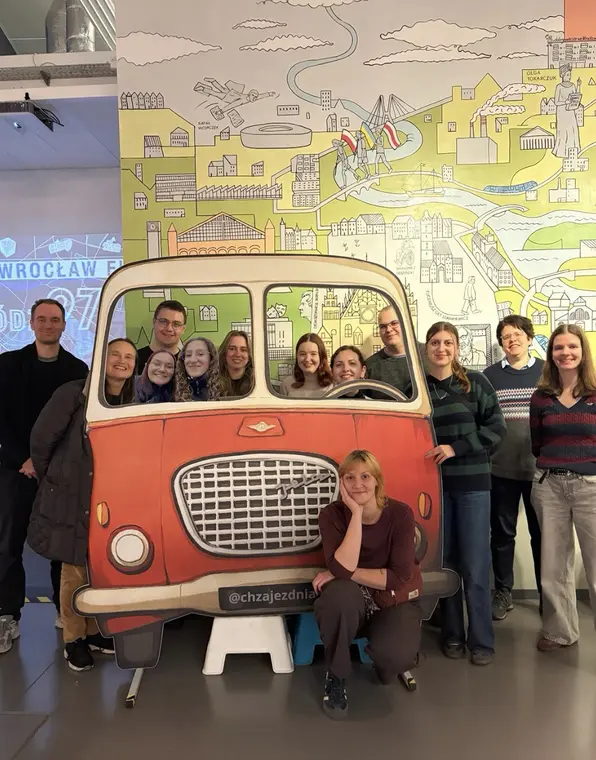
On November 12 and 13, 2026, the Department of Modern and Contemporary History, together with students from TU Dresden, undertook a two-day field trip to Breslau (Wrocław). The focus was on the city’s Jewish history and the political and social upheavals of the 19th and 20th centuries.
The excursion began with a visit to the Tadeusz Taube Institute for Jewish Studies at the University of Wrocław. Dr. Tim Buchen gave a tour of the historic building on Sand Island—a former Augustinian monastery—and explained its eventful history.
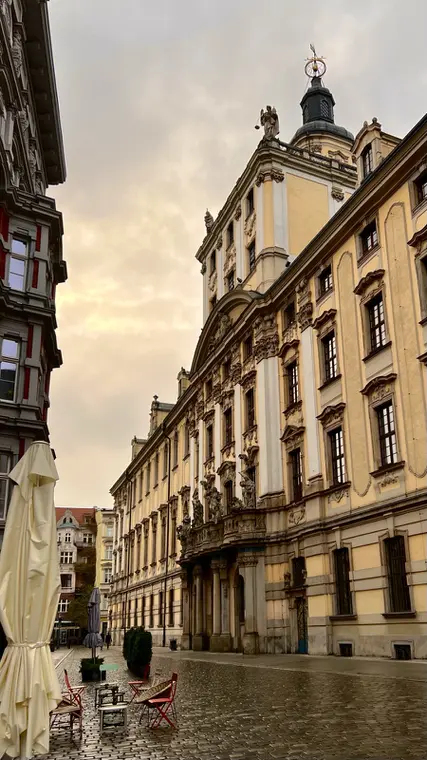
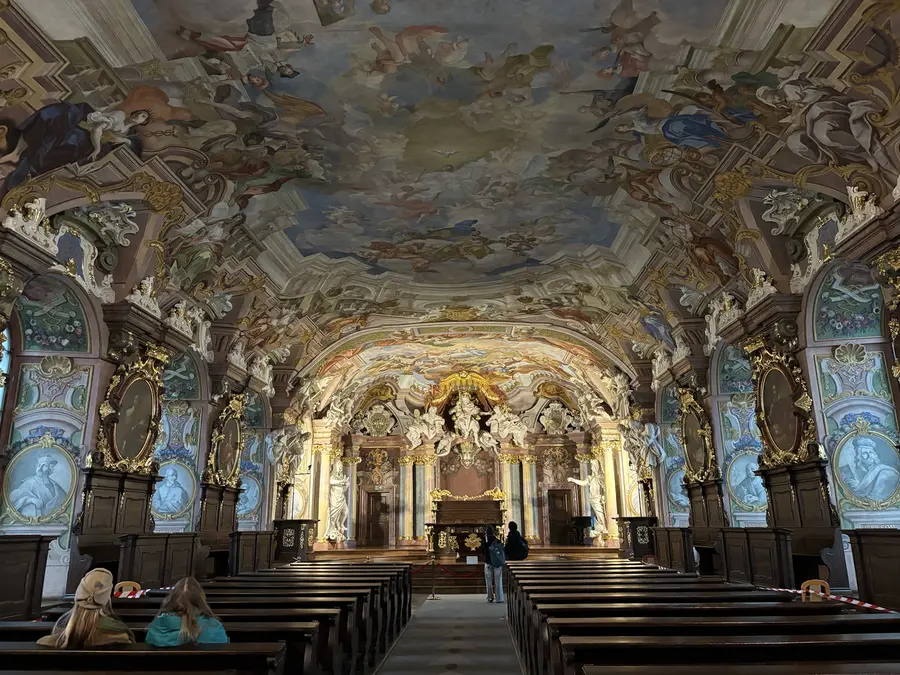
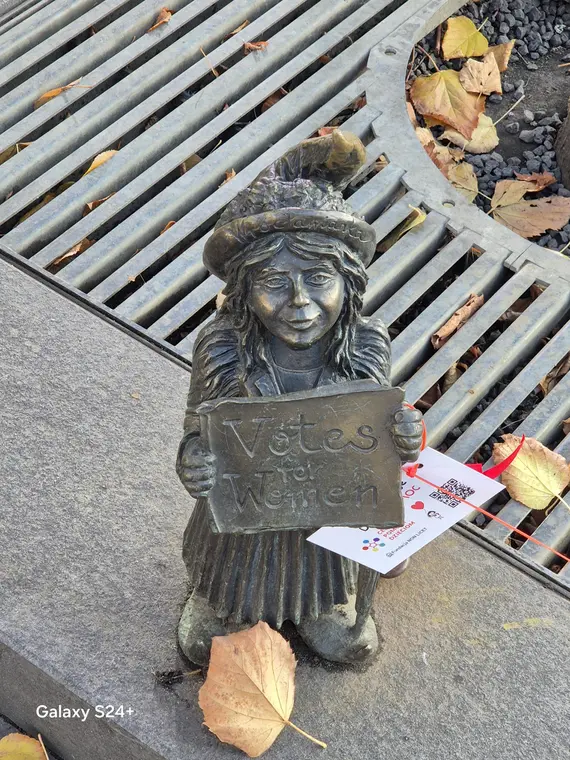
We then toured the University Museum, which features the magnificent Baroque Aula Leopoldina and the Mathematical Tower, offering a breathtaking view of the city. The Wrocław Dwarfs also stood out in the cityscape—small bronze figures commemorating the “Orange Alternative” political opposition movement of the 1980s.
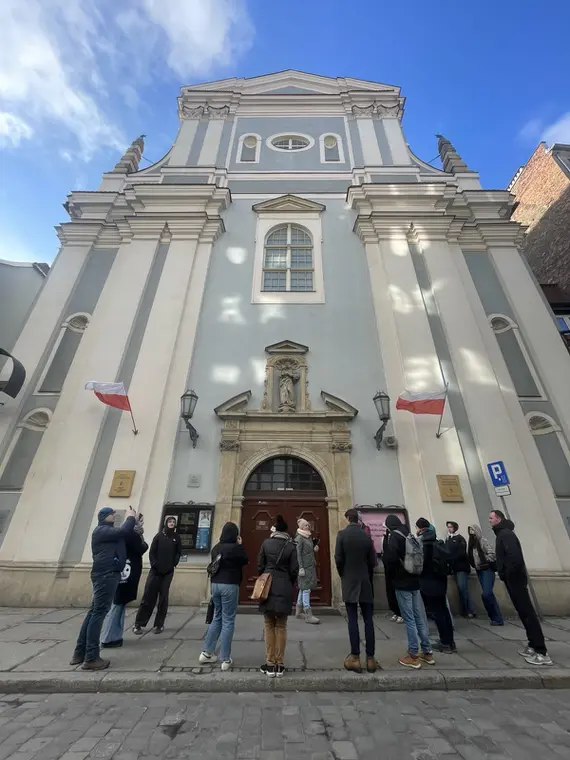
The second day of the excursion began with a guided tour highlighting Wrocław’s religious diversity. In the so-called “Quarter of the Four Denominations,” we visited a Protestant church, a Catholic church, an Orthodox church, and the White Stork Synagogue. These four places of worship illustrated the diversity of religious coexistence in the city.
Afterward, we made our way to the Old Jewish Cemetery. At the gravesites of notable figures such as Ferdinand Lassalle, Louis Galewsky, and Auguste Stein—the mother of Edith Stein—we gained insights into the history of Wrocław’s Jewish community and its influential figures.
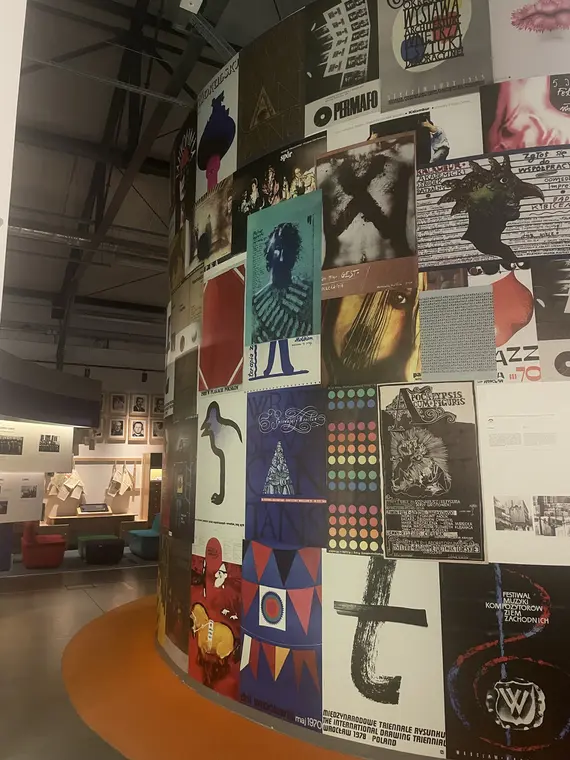
The tour concluded with a visit to the Centrum Historii Zajezdnia, whose exhibition traces the history of Wrocław since 1945. Flight and expulsion, resettlement and the city’s reconstruction, as well as the Solidarność opposition movement, provided numerous points of reference for exploring German-Polish history and the culture of remembrance.