
Jul 27, 2026
IHI Research Featured Prominently in ARD Wildfire Documentary
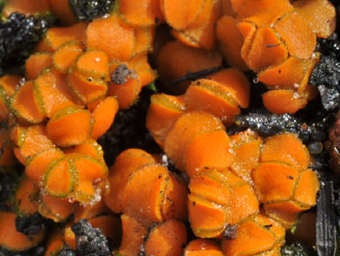
Breitsporiger Brandstellenbecherling Anthracobia platyspora Karich, R. Ullrich & Van Vooren, sp. nov.
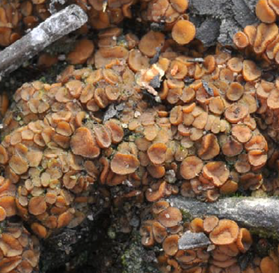
Larsens Brandstellenbecherling Anthracobia larsenii Karich & Van Vooren, sp. nov.
Since the large-scale wildfires in August 2022 in the Saxon Switzerland National Park and the Gohrischheide Nature Reserve (NSG), scientists at the IHI Zittau have been investigating various aspects of fire ecology in forests. On selected study plots, researchers have been investigating the natural recolonization of burned tree trunks and soils. This is a topic covered in the major ARD documentary “From the Ashes—What Comes After a Wildfire?”, which aired on July 27 on Das Erste and is now available in the video library. IHI mycologist Alexander Karich makes a prominent appearance in the documentary.
In the initial phase of nature’s reclaiming of these heavily burned areas, various mosses and fungi dominate. In this context, a detailed species inventory can provide deeper insight into the sequence of such successions. For example, scientists at the IHI Zittau have succeeded in describing two new species of post-fire cup fungi ( https://ascomycete.org/Journal/Article/art-0421), which may represent a
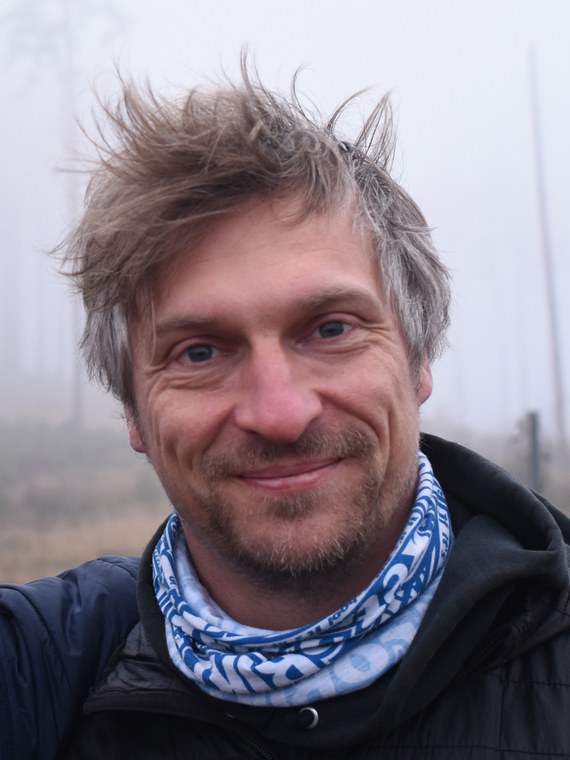
Alexander Karich
key role in the recolonization of fire sites in temperate climates. They likely feed on sugary plant sap that seeps from fire-damaged trees as a result of heat exposure. These pyrophilic fungi and their biochemical activities consequently form the basis for successful intrinsic restoration, i.e., the self-healing of burned areas. The successful studies of the burned areas are the result of intensive scientific collaboration between the IHI Zittau and Saxon scientists from the National Park (Dr. Annika Busse) and the Nature Reserve (Dr. Torsten Bittner), as well as with the Belgian mycologist Nicolas van Vooren.
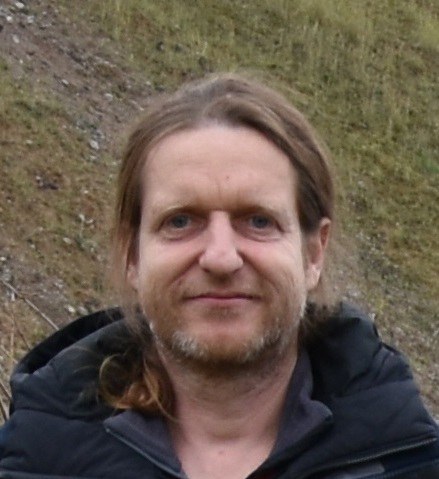
René Ullrich