
Jun 05, 2026
Touch in VR: when connection matters more than realism
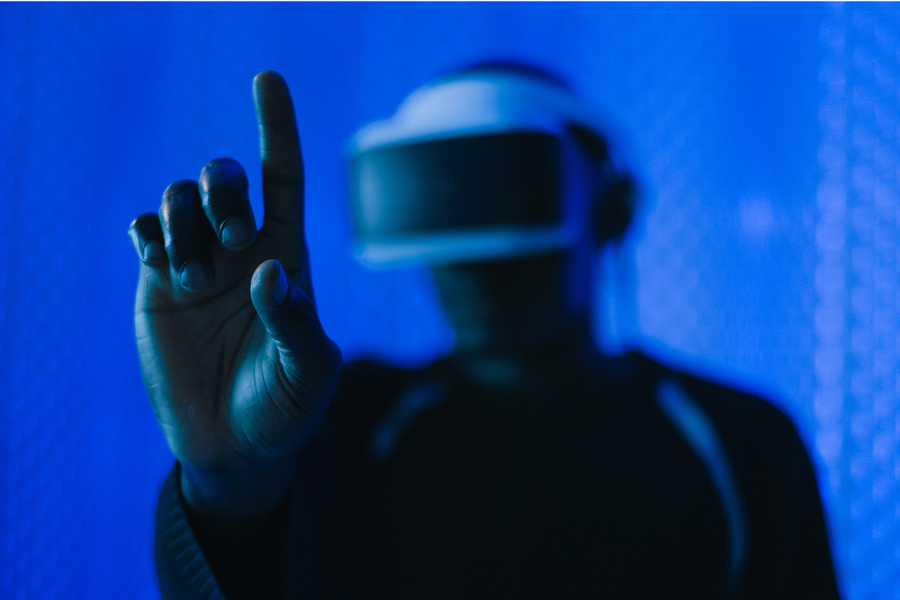
When people think about touch in virtual reality, they often imagine one thing: realism. Can a virtual button feel solid? Can a digital object feel soft, heavy, or resistant? These are important questions, but they may not be the most important ones. Touch is not only about sensing the world accurately. It is also one of the most intimate ways we connect with other people. In everyday life, touch helps communicate comfort, affection, trust, and emotional presence. That is why its role in VR may be much bigger than making virtual environments feel technically convincing.
This is especially important because virtual environments are no longer just spaces for seeing and hearing. They are increasingly becoming spaces for meeting, interacting, and sharing experiences. Research on social touch in human–computer interaction suggests that even mediated touch can shape physiological responses, increase trust and affection, and strengthen the feeling of social presence. In other words, touch does not need to perfectly copy real life in order to matter. Its value may lie in helping people feel socially connected.
At the same time, touch is psychologically complex. For a touch to feel social, the brain must distinguish between sensations caused by ourselves and sensations caused by someone else. This self–other distinction is fundamental. It helps us understand whether a sensation is self-generated, externally caused, comforting, surprising, or socially meaningful. In immersive virtual environments, where touch may come from an avatar, another person, or a digitally altered version of the self, this distinction becomes even more interesting.
So perhaps the real promise of touch in VR is not just that it can make virtual worlds feel more real. It is that it can make them feel more human. Touch may become one of the key ways immersive technologies support not only perception, but also presence, closeness, and connection. Now we ask you, how can we harness the power of touch in virtual reality to deepen human connections and enhance the emotional experiences of users?
References
Price, S., Jewitt, C., & Yiannoutsou, N. (2021). Conceptualising touch in VR. Virtual Reality, 25, 863–877.
van Erp, J. B. F., & Toet, A. (2015). Social touch in human–computer interaction. Frontiers in Digital Humanities, 2, 2.
Boehme, R., & Olausson, H. (2022). Differentiating self-touch from social touch. Current Opinion in Behavioral Sciences, 43, 27–33.