
Experimental models of myocardial infarction, phenotyping and immune-metabolic characterisation of patients with acute MI
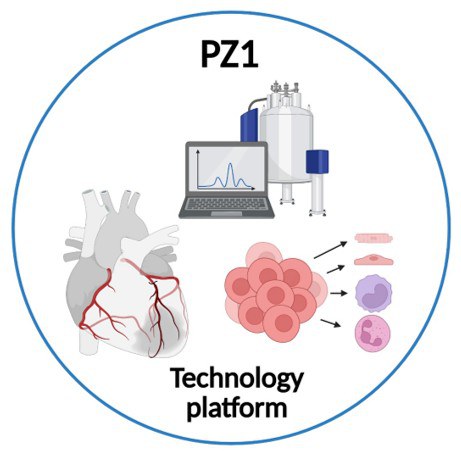
Translational rodent models of myocardial infarction (MI) are indispensable tools for investigating the mechanisms and effects of experimental interventions and developing future therapeutic strategies. In this project, we will provide two well-established mouse MI models to the FOR ETNA consortium: (i) permanent occlusion of the left anterior descending (LAD) coronary artery, and (ii) ischemia-reperfusion (I/R) injury via transient LAD occlusion followed by abrupt revascularisation. Permanent LAD occlusion produces larger infarcts and offers two major advantages: (i) it consistently induces progressive heart failure (HF), closely reflecting the clinical HF population, and (ii) it provides ample infarcted tissue for comprehensive multi-omic profiling of multiple cardiac cell types from a single heart. In contrast, the I/R model yields moderate, more variable injury that rarely progresses to HF but better mimics clinical revascularisation after acute MI. To dissect the post-MI inflammatory response without confounding chronic inflammatory conditions (e.g., atherosclerosis) or comorbidities, MI induction will be performed in otherwise healthy mice during the first funding period, enabling precise characterization of the innate immune response to acute ischemic injury. Cardiac function will be monitored in conscious mice using wireless telemetry systems that enable high-precision and stress-free recording of ECG and blood pressure, providing robust physiological data under undisturbed conditions. To complement in vivo studies, the consortium will have access to a human induced pluripotent stem cell (iPSC)-based, multi-cell type organ-on-a-chip (OoC) platform. This platform integrates cardiac cells and functional endothelial barriers to model myeloid cell infiltration following I/R injury. Human iPSC-derived cardiomyocytes, endothelial cells, monocytes, macrophages, and neutrophils will be generated from both male and female donors, accounting for sex-specific effects. Genetically engineered iPSC lines will be developed to facilitate mechanistic investigations across FOR ETNA subprojects. By integrating iPSC-based OoC systems with murine models, we aim to assess the translational relevance of in vivo findings in human in vitro platforms. Quantitative metabolomics, based on mass spectrometry and nuclear magnetic resonance, represents the most advanced phenotypic technology to resolve cellular states and functional adaptations with high sensitivity and biochemical specificity. We will provide these core methodologies across FOR ETNA for the comprehensive assessment of immune cells, myocardial tissue, and blood/plasma samples to enable multi-layered insight into immunometabolic remodelling post-MI.
Participating persons
Applicants
Professor Dr. Ali El-Armouche • Dresden TU, Department of Pharmacology and Toxicology
Professorin Dr. Kaomei Guan • Dresden TU, Department of Pharmacology and Toxicology
Professor Dr. Peter Mirtschink • Dresden TU, Institute of Clinical Chemistry and Laboratory Medicine