
Mar 03, 2026
International Networking in the Field of AI and Digital Health Infrastructures
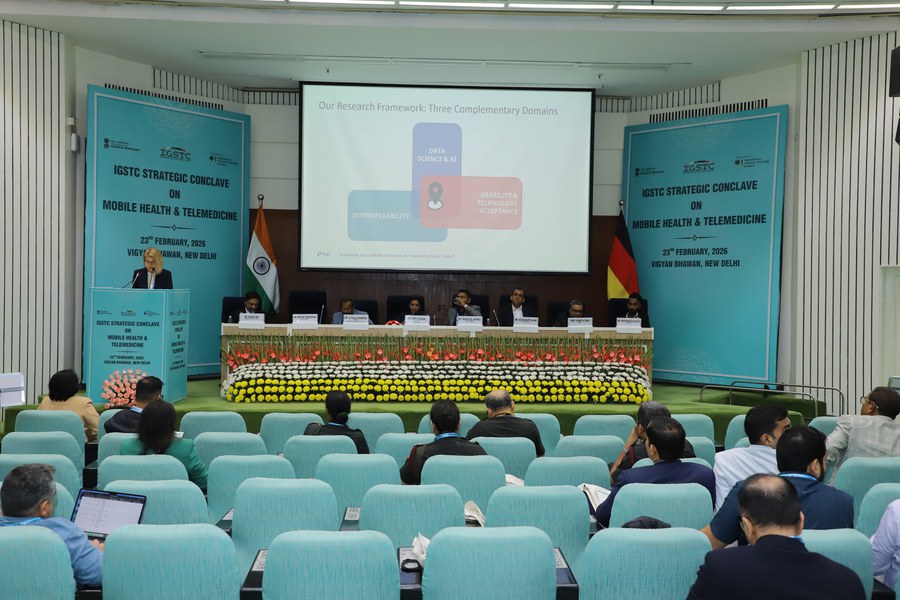
Visit to the AI Impact Summit India and the IGSTC Conclave on Mobile Health and Telemedicine in New Delhi
In February 2026, our Head of the Interoperability Research Division, Dr. Eveline Prochaska, participated on behalf of the Center for Medical Informatics in two high-level international events in New Delhi: the AI Impact Summit India 2026 and the IGSTC Conclave on Mobile Health and Telemedicine.
Both events impressively demonstrated the momentum with which India is currently advancing the expansion of its digital and AI-supported health infrastructure:
AI Impact Summit India 2026 – AI as a Strategic Field of the Future
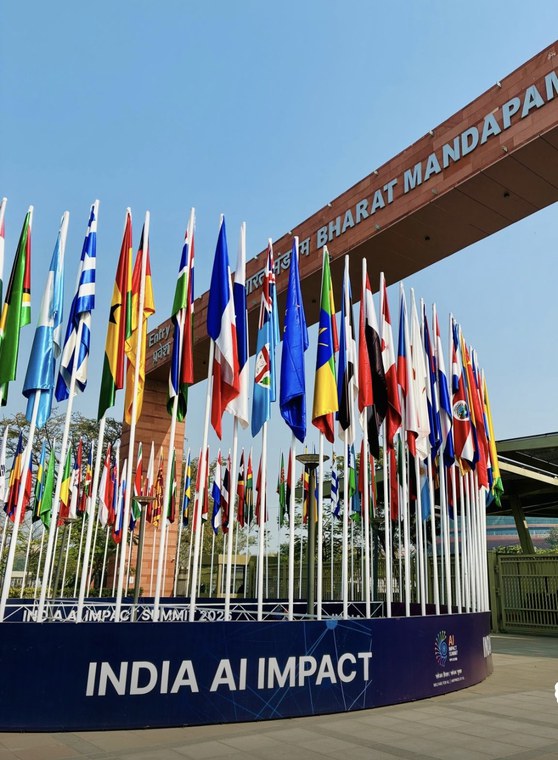
India AI Impact Summit 2026

India AI Impact Summit 2026
The AI Impact Summit 2026 was one of the largest AI events in the country. Several thousand participants from politics, industry, research, and start-ups discussed current developments around:
• regulatory pathways for AI-based medical devices
• national AI strategies
• scalable implementation of AI in healthcare systems
• digital sovereignty and data ecosystems
Regulatory institutions, international technology companies, and emerging health-tech enterprises were particularly strongly represented. Various sessions made it clear: the translation of AI into healthcare delivery is less a purely technical problem – rather, it is a question of infrastructure, governance, and implementation.
IGSTC (Indo-German Science and Technology Center) Conclave on Mobile Health and Telemedicine
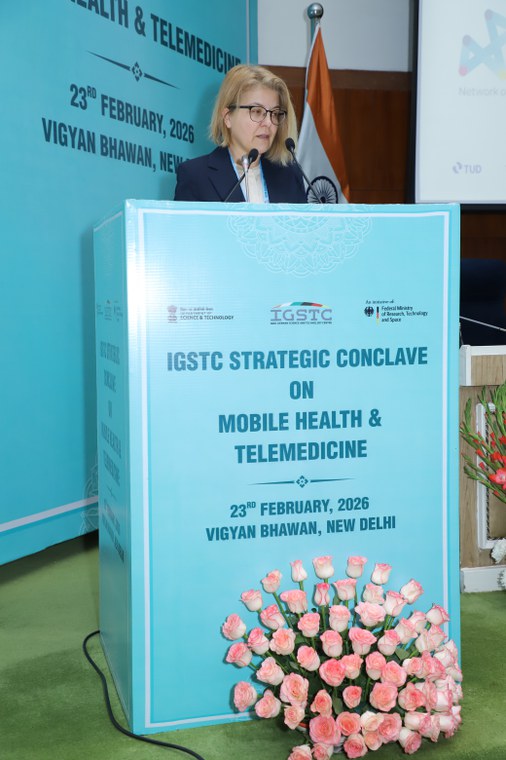
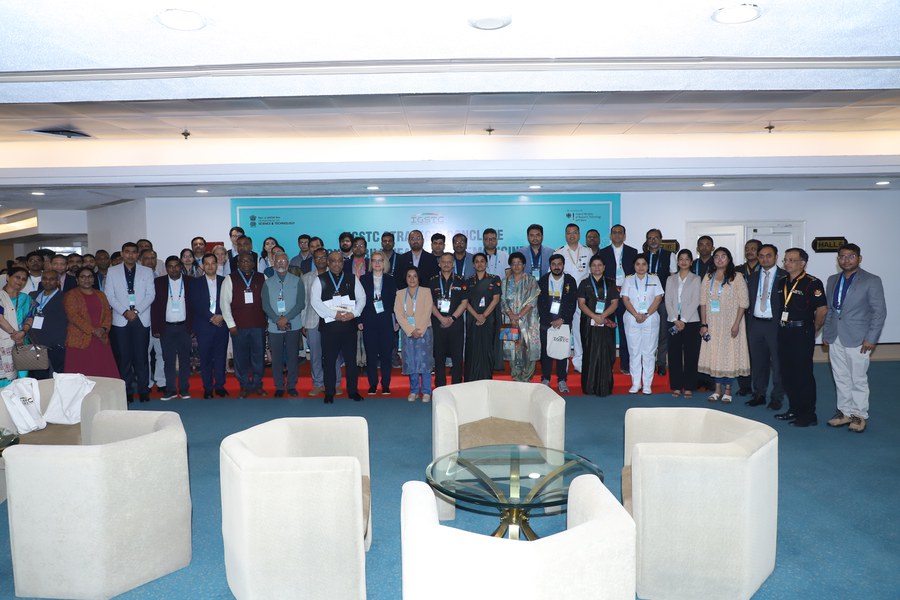
Conclave on Mobile Health and Telemedicine
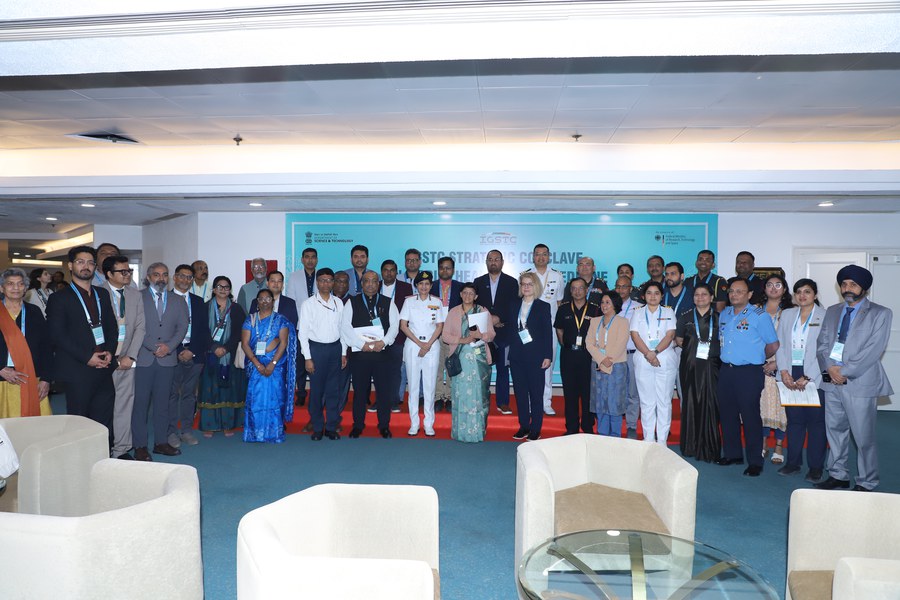
Conclave on Mobile Health and Telemedicine
At the IGSTC Conclave on Mobile Health and Telemedicine, organized by the Indo-German Science & Technology Centre (IGSTC), Indo-German research collaboration was the central focus.
Here, the Center for Medical Informatics had the opportunity to present its work. The following were presented:
• the integration of the Center within Germany’s national health data infrastructure (including the Medical Informatics Initiative and NUM),
• regional integration approaches for networking clinical data,
• as well as concrete use cases from the three research areas:
- Data Science & AI
- Interoperability
- Usability & Technology Acceptance
It was emphasized that successful translation into healthcare delivery can only succeed if:
- interoperable data structures are in place,
- AI methods are based on validated, structured data, and
- applications are integrated into clinical workflows in a user-centered manner.
The presented use cases exemplified that no research area operates in isolation – rather, data infrastructure, algorithmic development, and usability + acceptance research mutually depend on one another.
National Health Data Infrastructure in India
Another focus of the event was the presentation of India’s national digital health architecture. With the Ayushman Bharat Digital Mission (ABDM), India is building a comprehensive health data infrastructure that:
- provides for a digital health ID for citizens,
- is intended to enable interoperable data flows between healthcare institutions, and
- supports telemedical care models, particularly in rural areas.
However, the discussions also revealed clear challenges:
- heterogeneous healthcare structures
- large geographical distances
- varying levels of technical maturity
- issues of data security and governance
- implementation barriers in everyday telemedical practice
Numerous research projects are therefore addressing the question of how mobile health approaches, AI-supported diagnostics, and telemedical care can be sustainably implemented in a country with over one billion inhabitants.
Classification and Outlook
The trip underscores the importance of international cooperation in the field of digital health infrastructures. While Germany is working with structured initiatives to harmonize clinical research data, India is pursuing a strongly scalability-oriented approach with a national digital identity and infrastructure strategy.
The exchange made it clear:
The major challenges – data integration, governance, regulatory pathways, and clinical implementation of AI – are globally similar. Solution approaches therefore benefit significantly from international networking.
The Center for Medical Informatics will continue this dialogue and examine opportunities for future research collaborations in the field of interoperable health data ecosystems and AI-supported healthcare delivery.