
21.05.2026
Tierisch reich: Die Rolle der Kois auf dem japanischen Zierfischmarkt
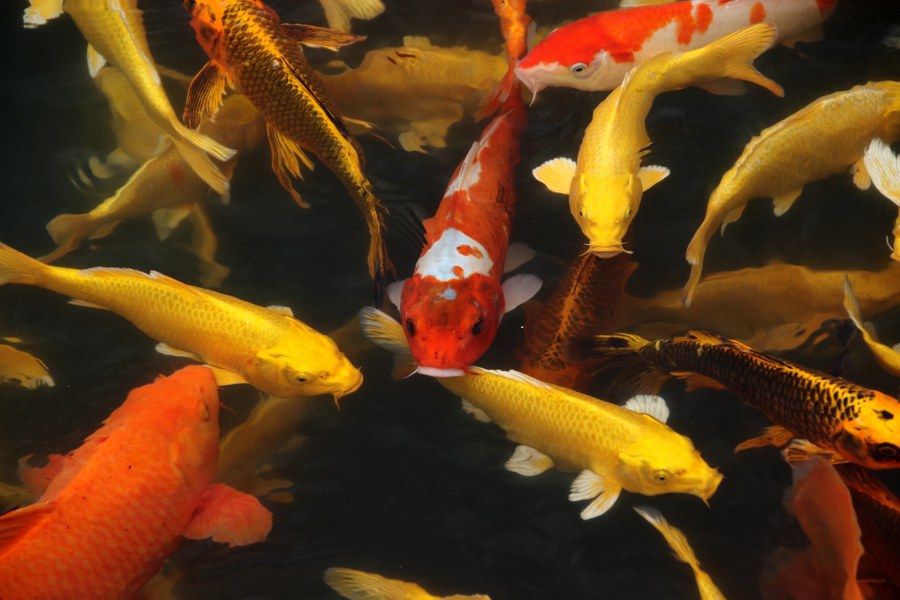
Kois verkörpern in der japanischen Kultur Erfolg, Mut und Ausdauer. Mit ihren leuchtenden Farben sind sie ein weltweit beliebter Zierfisch und machen über ein Drittel des Marktwertes in diesem Sektor aus – ein wichtiger Beitrag zu Japans Wirtschaft.
Du strebst nach Erfolg, Mut und Ausdauer? Dann leg dir einfach einen Koi zu! Für diese Eigenschaften ist die Karpfenart in Japan sehr begehrt. Zierfische, insbesondere Kois, haben mit ihren leuchtenden Farben und unverwechselbaren Mustern weltweit eine lukrative Zucht- und Handelsindustrie geschaffen. Kois von höchster Qualität werden für mehrere tausend Dollar verkauft und machen damit einen wesentlichen Teil des Zierfischmarktes aus. Japanische Züchter aus der Präfektur Niigata wurden auf die leuchtenden Farben und Muster der Kois aufmerksam, die ursprünglich als Speisefische gezüchtet wurden [1]. Umfangreiche Kreuzungen führten zur Entstehung des Nishikigoi (zu Deutsch „Brokatkarpfen“) der heute als Koi bekannt ist [2] und sich als Zierfisch weltweit etabliert hat [3]. Sie sind nicht nur ein Symbol kultureller Schönheit, sondern auch ein Produkt, das hohe Umsätze erzielen kann. Die Kohaku-Variante beispielsweise wird für mehrere hundert US-Dollar verkauft [4].
Schätzungen nach betrug der weltweite Koi-Markt im Jahr 2023 2,3 Milliarden US-Dollar [5], während der weltweite Markt für Zierfische im gleichen Jahr mit 6,36 Milliarden US-Dollar beziffert wurde [6]. Daher macht der Koi-Markt 36–39 % des gesamten Marktwerts in diesem Sektor aus. Im Jahr 2014 wurde der Zierfischmarkt noch von zwei anderen Arten dominiert, die günstiger sind und als Zierfische für Anfänger gelten: der Guppy (𝘗𝘰𝘦𝘤𝘪𝘭𝘪𝘢 𝘳𝘦𝘵𝘪𝘤𝘶𝘭𝘢𝘵𝘢) und der Neonsalmler (𝘗𝘢𝘳𝘢𝘤𝘩𝘦𝘪𝘳𝘰𝘥𝘰𝘯 𝘪𝘯𝘯𝘦𝘴𝘪), die zusammen nur 14 % des Gesamtwerts ausmachten [7]. Diese Verschiebung des Marktwerts bestätigt, dass Kois in den letzten Jahren zunehmend an Bedeutung gewonnen haben.*
Die Preise für Kois hängen von Farbe, Muster und Züchtung ab. So wurde beispielsweise ein 90 cm langes „Super Mango Sakai“-Weibchen für 18.900 € angeboten [8]. Gleichzeitig beträgt der Wert eines 51 cm großen „Hi Utsuri Shinoda“-Männchens 990 € [19]. Auf Auktionen und Märkten werden die Tiere in der Regel in einer Preisspanne von 53 bis 560 US-Dollar verkauft [9]. Der Rekordpreis für einen Koi betrug im Jahr 2017 200 Millionen Yen, umgerechnet etwa 1,8 Millionen US-Dollar [4]. Diese Beispiele verdeutlichen den potenziellen wirtschaftlichen Wert dieser Zierfische. Wie trägt der Koi-Handel zur japanischen Wirtschaft bei? Japan hatte 2021 ein nominales BIP von etwa 5,01 Billionen US-Dollar [10, 11]. Der Beitrag der Landwirtschaft (einschließlich Aquakultur) zum japanischen BIP betrug 2021 etwa 0,95 % (entspricht 47,6 Milliarden US-Dollar) [16]. Der Umsatz der Koi-Branche im asiatisch-pazifischen Raum ist in den letzten Jahren gestiegen und erreichte im Jahr 2023 805 Millionen US-Dollar. Japan trug dazu etwa 35 % bei, was 281,75 Millionen US-Dollar entspricht [12, 13]. Die Koi-Industrie in Japan macht somit etwa 0,06 % des Agrarsektors bzw. 0,006 % des japanischen BIP aus. Hinzu kommen indirekte wirtschaftliche Vorteile wie der Koi-Tourismus, also das Besuchen von Zuchtbetrieben [14]. Die wirtschaftlichen Auswirkungen werden jedoch gering sein, da diese Touristenattraktionen hauptsächlich von kleinen Unternehmen betrieben werden und der gesamte Tourismusmarkt in Japan nur 1 % zum BIP beiträgt [15].
Diese Berechnungen zeigen, dass sich der Koi-Fischmarkt zu einer globalen Industrie von beträchtlicher Größe entwickelt hat. Seine Bedeutung zeigt sich sowohl im kleinen Maßstab, wie beispielsweise im japanischen Tourismus, als auch auf dem globalen Markt im Vergleich zu anderen beliebten Arten wie Guppys. Dieses japanische Kulturerbe ist heute zu einem globalen Symbol für Schönheit und Ausdauer geworden, das kulturelle und geografische Grenzen überschreitet.
Konrad Skowronek, Übersetzung Rachel Baraboj
* Anmerkung der Redaktion: Bei der Übersetzung des Textes fiel auf, dass die im Text genannten Daten für das Fazit nicht hinreichend sind. Die angegebenen Quellen belegen jedoch starkes Wachstum des Koi-Marktes in den letzten Jahren [5], wie vom Autor angegeben.