
Frontiers in Science
Zwei Mal jährlich vermitteln international renommierte Gäste hochmoderne Forschungsergebnisse zu gesellschaftsrelvanten Themen
Über die Veranstaltung "Frontiers in Science"

Der Vorlesungsreihe liegt der Anspruch zugrunde, aktuelle Themen und Fragestellungen aus dem Bereich der internationalen Spitzenforschung aufzugreifen und einem breiten, multidisziplinären Publikum innerhalb der universitären Öffentlichkeit zu vermitteln.
Ein weiteres Ziel von Frontiers in Science ist der Dialog mit den Zuhörern: Kritik und Informationsaustausch tragen zu einer wissenschaftlich versierten Gesellschaft bei. Im Gespräch mit Forschenden, Studierenden und der Öffentlichkeit können so auch Partnerschaften und Netzwerke entstehen.
Die Veranstaltung wird aufgezeichnet und ist im Anschluss online auf den Kanälen der TUD einsehbar.
Frontiers in Science - mit Prof. Seth M. Cohen
- 25. Juni 2026: "Medizinische und anorganische Chemie kombiniert – vom Labor zum Krankenbett" mit Prof. Seth M. Cohen (University of California, San Diego)
- Live im Fritz-Foerster-Bau 244 der TU Dresden.
- Die Veranstaltung findet in englischer Sprache statt.
Metalloenzyme stellen eine wichtige, aber bislang wenig erforschte Gruppe von therapeutischen Zielstrukturen dar. Metalloenzym-Hemmer werden klinisch bei einer Vielzahl von Erkrankungen eingesetzt, von Viruserkrankungen wie HIV/AIDS über Grippe bis hin zu systemischen Erkrankungen wie Bluthochdruck und Krebs. Trotz dieser wichtigen Fortschritte ist jedoch die überwiegende Mehrheit der Metalloenzym-Zielstrukturen noch nicht pharmakologisch zugänglich. In diesem Vortrag werden die Ansätze zur Weiterentwicklung der fragmentbasierten Wirkstoffforschung im Bereich der Metalloenzyme (metalloenzyme fragment-based drug discovery - mFBDD) als Ansatz für eine Optimierung der Identifizierung vielversprechender Verbindungen für diese Zielstrukturen beschrieben (Hit-to-Lead-Phase). Insbesondere werden die jüngsten Fortschritte bei der Verwendung und Charakterisierung von metallbindenden Isosteren (MBIs), die Entwicklung neuer Fragmente sowie auch die Verwendung von mFBDD zur Entwicklung chimärer Moleküle für den gezielten Proteinabbau (TBD) erläutert.
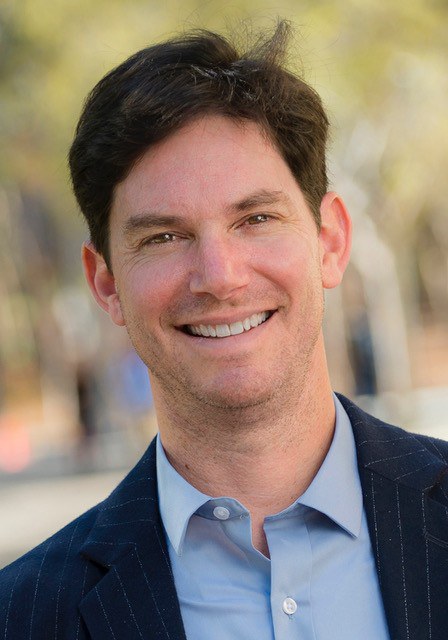
Prof. Seth M. Cohen
Was fasziniert Sie an der anorganischen Chemie am meisten?
Ich habe Freude daran, neue Moleküle zu entwerfen und herzustellen, manchmal für einen bestimmten Zweck, manchmal auch einfach nur, um kreativ zu sein. Die anorganische Chemie erweitert die herkömmlichen Möglichkeiten der organischen Chemie und bietet noch mehr Möglichkeiten für chemische Synthesen (und Eigenschaften), was meiner Meinung nach ein Grund dafür ist, warum ich sie so mag.
Medizinische und anorganische Chemie kombiniert – vom Labor zum Krankenbett
18:30 - 20:00 Uhr
Fritz-Foerster-Bau, Saal 244 (FOE/244)
Mommsenstraße 6
Wer oder was hat Sie auf dem Weg in dieses Fachgebiet geprägt?
Die anderen Menschen in diesem Fachgebiet. Ich habe das große Glück, Teil einer sehr kollegialen und kooperativen Fachrichtung zu sein. Von meinem Doktorvater bis hin zur Unterstützung von Menschen wie meinem Humboldt-Gastgeber Prof. Kaskel habe ich unglaubliche Unterstützung und Ermutigung von meinen Mentoren und Kollegen erhalten.
Wo und wie verschieben Sie in Ihrer Forschung wissenschaftliche Grenzen?
Ich denke, indem ich immer versuche, etwas Neues und Anderes zu finden als das, was bereits in der wissenschaftlichen Literatur beschrieben wurde. Einige der Forschungsbereiche, in denen ich gearbeitet habe, sind extrem wettbewerbsintensiv. Um mithalten zu können, habe ich immer versucht, die Dinge ein wenig anders zu betrachten und mich in meiner Forschung von meiner Neugier treiben zu lassen.
Welche Auswirkungen erhoffen Sie sich von Ihrem Fachgebiet auf die Gesellschaft in 20 Jahren?
Ich arbeite in zwei verschiedenen Bereichen der anorganischen Chemie – Metallorganische Gerüstverbindungen (MOFs) und der Entwicklung von Medikamenten, die auf Metalloenzyme abzielen (das Thema meines Vortrags). MOFs wurden 2025 mit dem Nobelpreis für Chemie ausgezeichnet und haben eine vielversprechende Zukunft für Anwendungen, die wir meiner Meinung nach bereits in weniger als 20 Jahren sehen werden. Was unsere Arbeit zur Entwicklung von auf Metalloenzyme ausgerichteten Wirkstoffen angeht, wäre es mein Traum, dass unser Ansatz zu einem Molekül führt, das die Lebensqualität verbessert oder sogar Leben rettet. Ich hoffe, dass dieser Traum innerhalb der nächsten 20 Jahre Wirklichkeit wird.
Publikationen von Prof. Cohen
Lebenslauf von Prof. Cohen
Einen Lebenslauf von Prof. Cohen finden Sie hier.
Ansprechpartnerin für "Frontiers in Science"
 © Nein
Referentin der Prorektorin Forschung und Technologietransfer
NameDr. Lisa-Marie Langesee
Eine verschlüsselte E-Mail über das SecureMail-Portal versenden (nur für TUD-externe Personen).