
01.06.2026
Dresden im Jahr 2040: Europas Zentrum für Zukunftstechnologien
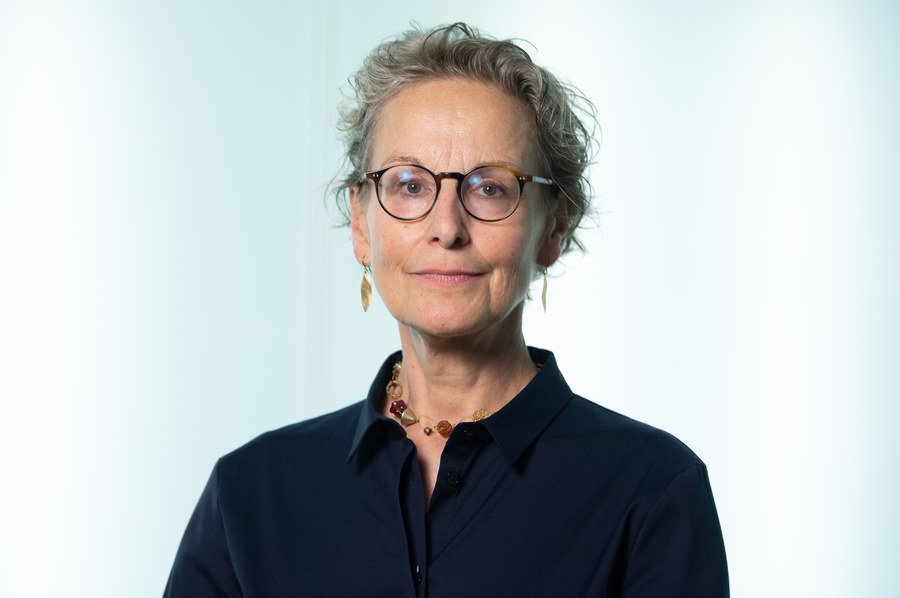
Prof.in Ursula M. Staudinger, Rektorin der TUD.
Im Rahmen der Reihe „30 Visionen für Dresden“ der Sächsischen Zeitung hat auch die Rektorin der TUD, Prof.in Ursula M. Staudinger, über ihre Vorstellungen von der weiteren Entwicklung der sächsischen Landeshauptstadt gesprochen. Im Folgenden der Wortlaut des Gastbeitrages.
„Dresden 2040 ist der Ort, an dem die Zukunft Deutschlands und Europas wesentlich mitgestaltet wird“
Dresden 2040 ist eine Stadt, die ihre Geschichte nicht hinter sich lässt – sondern aus ihr Kraft und Haltung für die Zukunft schöpft. Eine Stadt, die weltweit als Florenz an der Elbe bewundert wird und zugleich zu den sichtbarsten Wissenschafts- und Innovationsstandorten Europas zählt. Eine Stadt, die durch ihre lebendige Startup-Szene und die enge Verbindung von Wissenschaft und Wirtschaft Wertschöpfung schafft – und von der Lösungsimpulse für die zentralen Herausforderungen unserer Zeit ausgehen.
Dresden: Standort für Spitzenforschung und Innovation
Dresden ist ein international sichtbarer und prägender Standort für Spitzenforschung. Wir haben hier einen Ort geschaffen, an dem sich exzellente Forschung, erfolgreicher Transfer in die Wirtschaft und Wirkung in die Gesellschaft gegenseitig verstärken. Als Exzellenzuniversität tragen wir als Motor zu dieser positiven Entwicklung maßgeblich bei.
Ein Schlüssel dafür ist unsere herausragende Patentstärke: Dresden hat mit seiner TUD die patentstärkste Hochschule Deutschlands – mit großem Abstand und mit mehr als 100 Patentanmeldungen jedes Jahr. Das zeigt: In Dresden entstehen dank der TUD Forscherinnen und Forscher sowie solcher der DRESDEN-concept Allianz nicht nur wissenschaftliche Durchbrüche – hier werden sie zu marktfähigen Lösungen. Aus der TUD hervorgegangene, mit Millionen an Investoren-Geldern ausgestattete und in Dresden ansässige Unternehmen wie Wandelbots oder Seamless Therapeutics stehen beispielhaft und eindrücklich dafür, wie aus bahnbrechender Forschung wirtschaftliche Dynamik entsteht und wie neue Märkte erschlossen werden.
In einer Zeit knapper werdender Ressourcen bei gleichzeitig hoher Nachfrage nach leistungsstarker Mikroelektronik tragen wir als TUD maßgeblich dazu bei, den größten europäischen Halbleiterstandort hier in Dresden weiterzuentwickeln. Denn leistungsfähige Mikroelektronik ist die Grundlage nahezu aller Zukunftstechnologien – von KI über das Internet von morgen bis hin zur Mobilität. Meine Vision hierzu ist, dass wir bis 2040 aufgrund unserer exzellenzgeförderten Forschung Lösungen für Hochleistungschips entwickelt haben, die weniger Energie verbrauchen und zugleich so konzipiert sind, dass ihr Material wiederverwendet werden kann. Darauf aufbauend wird Dresden auch bei den nächsten Technologiesprüngen eine führende Rolle einnehmen – wie zum Beispiel der sicheren und schnellen Kommunikation auf der Basis von Quantentechnologie.
Fundament für die Zukunft: Nachhaltigkeit, Zusammenhalt und Demokratie
Meine Vision für Dresden ist untrennbar mit einer tiefgreifenden Transformation verbunden: hin zu einer nachhaltigen, auch künftig lebenswerten und resilienten Stadt mit großer Innovationskraft. Dresden wird eine Net-Zero-City sein mit allen Vorteilen, die das mit sich bringt – klimaneutral, ressourcenschonend und wirtschaftlich nachhaltig. So werden mit Hilfe der TUD-Forschung Gebäude nicht nur kostengünstig gebaut – sondern bereits so geplant, dass sie am Ende ihres Lebenszyklus wieder in ihre Bestandteile zerlegt und neu genutzt werden können. Auch unsere Mobilität wird sich verändern: mehr Raum für Fußgängerinnen und Fußgänger, teilautomatisierter öffentlicher Nahverkehr, der vor allem auch außerhalb der urbanen Zentren verfügbarer wird.
All das braucht ein starkes gesellschaftliches Fundament. Dresden hat eine besondere historische Verantwortung – und daraus erwächst für mich ein klarer Auftrag: unsere freiheitlich-demokratische Grundordnung aktiv zu schützen und zu stärken. Untrennbar damit verbunden ist die Freiheit von Forschung und Lehre: Sie ist Grundlage unserer Innovationskraft und damit auch Grundlage, dass hier neue Ideen und daraus Unternehmen entstehen. Gerade in einer Zeit geopolitischer Spannungen macht uns diese Offenheit noch attraktiver für internationale Studierende und Forschende. Davon profitiert die Wissenschaft, die Wirtschaft – und damit auch die ganze Stadt.
Ich bin überzeugt: Dresden steht für die Übernahme von Verantwortung und für ein respektvolles Miteinander. Diese Stadt weiß, was der Verlust von Gewissheiten und tiefgreifender Wandel bedeuten und hat genau daraus gelernt, diese Transformationen mit Zuversicht und Mut zu gestalten. Nicht zuletzt aufgrund der spezifisch ostdeutschen Umbruchserfahrung geht von Dresden ein wichtiges Signal für ein stärkeres Miteinander in unserem Land aus.
Europäisches Zentrum der Zukunftstechnologien
Das Dresden in meiner Vision für 2040 ist der Ort, für den sich Konzerne aus den Bereichen Mikroelektronik, Künstliche Intelligenz und Biotechnologie als Standort für ihre Hauptsitze entscheiden. Denn hier vereinen sich wissenschaftliche Exzellenz, technologische Innovationskraft, kulturelle Inspiration, eine weltoffene Gesellschaft sowie eine außergewöhnlich hohe und bezahlbare Lebensqualität auf einzigartige Weise. Es ist der Ort, an dem die besten Talente leben und arbeiten wollen. Dresden 2040 ist der Ort an dem die Zukunft Deutschlands und Europas wesentlich mitgestaltet wird.
Der Originalbeitrag ist am 30. Mai 2026 erschienen: https://www.saechsische.de/lokales/dresden/tu-rektorin-ursula-staudinger-in-dresden-wird-deutschlands-zukunft-mitgestaltet-SYMETLW5T5CB3BC5Z4E3NOZQEY.html