
05.03.2026
Hohe Erwartungen, wenig Unterstützung: John-Dewey-Forschungsstelle für die Didaktik der Demokratie stellt Studie zu Selbstverständnis und Rahmenbedingungen der politischen Bildung vor
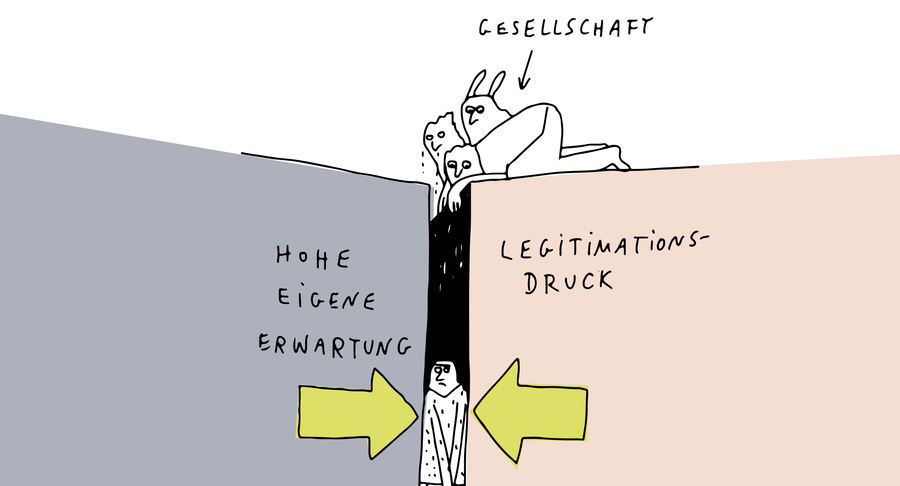
Politische Bildung ist essenziell für eine lebendige und wehrhafte Demokratie. Wie aber nehmen Akteurinnen und Akteure in der politischen Bildung ihren Beruf selbst wahr und welche Unterstützung benötigen sie für die berufliche Weiterentwicklung? David Jugel und Stefan Breuer von der John-Dewey-Forschungsstelle für die Didaktik der Demokratie (JoDDiD) an der Technischen Universität Dresden (TUD) haben in einer Studie Professionsverständnisse und Professionalisierungsbedarfe in der außerschulischen politischen Bildung ermittelt. Dabei zeigte sich, dass die Professionalisierung außerschulischer politischer Bildnerinnen und Bildner vor allem durch Finanzierungsstrukturen und antidemokratische Entwicklungen unter Druck gesetzt wird.
Gerade im außerschulischen Bereich beobachten die Wissenschaftler, dass hohe Erwartungen an Akteurinnen und Akteure der politischen Bildung gestellt werden: Sie sollen demokratische Werte vermitteln, zur Teilhabe befähigen, gesellschaftliche Konflikte moderieren und werden zugleich durch antidemokratische Entwicklungen umfassend herausgefordert. Trotz dieser großen gesellschaftlichen Relevanz existieren wenig strukturierte Angebote zur Qualifizierung und Weiterbildung.
Prof. Anja Besand, Direktorin der JoDDiD, fordert: „Wer sich um gute demokratische Bildung bemüht, muss sich auch mit der Frage beschäftigen, wie die Aktiven in diesem Feld in ihrer Qualifikation unterstützt werden können.“
Auf Grundlage von 16 leitfadengestützten Interviews sowie einem partizipativen Werkstattgespräch mit Praktikerinnen und Praktikern rekonstruieren die Autoren mittels qualitativer Inhaltsanalyse, wie politische Bildnerinnen und Bildner ihren Beruf verstehen, ausüben und wie ihr professionelles Handeln durch strukturelle Herausforderungen wie prekäre Förderlogiken, hohe Erwartungen, administrative Anforderungen und antidemokratische Konfliktlagen geprägt ist.
Stefan Breuer, Autor der Studie, hält fest: „Die Studie macht deutlich, dass zum Teil völlig unrealistische gesellschaftliche und politische Erwartungen an die demokratische Bildung gestellt werden. Dies gilt insbesondere für jene Räume, die durch rechtsextreme Dominanz geprägt sind.“ David Jugel, ebenfalls Autor der Studie, konstatiert: „Die Studie zeigt zudem, dass Professionalität in der außerschulischen politischen Bildung vor allem als reflexiver, kontinuierlicher Prozess verstanden wird. Gleichzeitig stoßen individuelle Professionalitätsansprüche immer wieder an strukturelle Grenzen.“
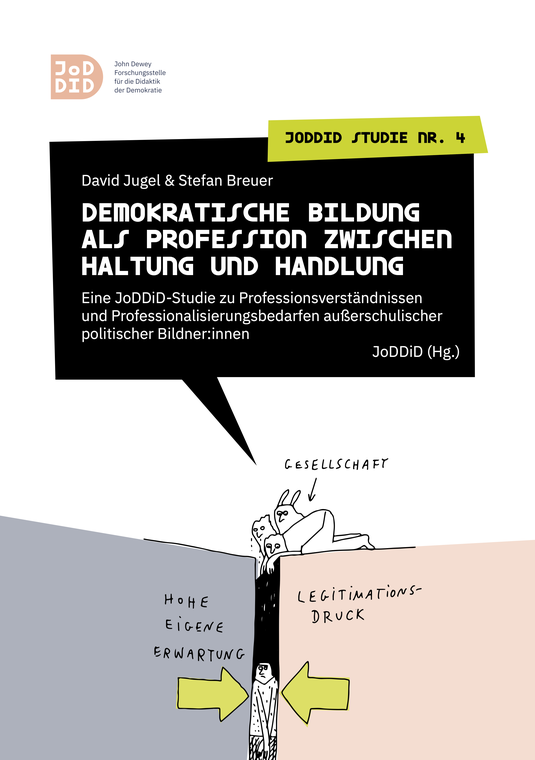
Ausgehend von den Erkenntnissen aus den Gesprächen leiten die Autoren konkrete Handlungsempfehlungen für Politik, Wissenschaft, Fördernde sowie Akteurinnen und Akteuren in der politischen Bildung zur Stärkung der außerschulischen politischen Bildung ab. So empfehlen die Wissenschaftler Professionalisierungsstrategien, Weiterbildungsstrukturen und ein Qualifizierungscurriculum für Akteurinnen und Akteure der politischen Bildung.
Die Empfehlungen und die komplette Studie ist hier zu finden: https://tud.link/u17jks
Die John-Dewey-Forschungsstelle für die Didaktik der Demokratie (JoDDiD)
Die John-Dewey-Forschungsstelle für die Didaktik der Demokratie versteht sich als Innovationszentrum im Feld politischer Bildung. Sie erforscht, entwickelt und reflektiert Konzepte, Methoden und Strukturen demokratischer Bildung und unterstützt dabei insbesondere Akteurinnen und Akteure der außerschulischen politischen Jugend- und Erwachsenenbildung.
Die JoDDiD auf Instagram: https://www.instagram.com/joddidforschungsstelle/
YouTube-Kanal der JoDDiD: https://www.youtube.com/@joddidforschungsstelle5387
Kontakt:
David Jugel
Wissenschaftlicher Mitarbeiter
Telefon: +49 351 463-41143
E-Mail:
Stefan Breuer
Wissenschaftlicher Mitarbeiter
Telefon: +49 351 463-32876
E-Mail: