
25.03.2026
Ehrenamt in Gesellschaft und Forschung. Ein Interview mit Dr.in Julia Schlicht
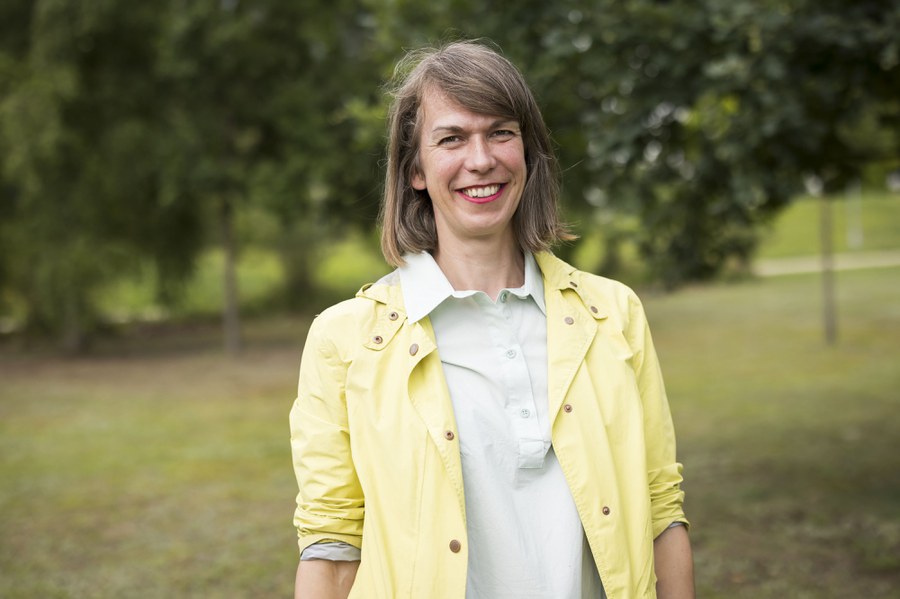
In der aktuellen culTUre-Ausgabe beschäftigen wir uns mit gesellschaftlichem Engagement und Ehrenamt. Dafür haben wir mit Dr.in Julia Schlicht von der Deutschen Stiftung für Engagement und Ehrenamt (DSEE) zu den Themen Demokratie und Ehrenamt, aber auch die Forschungsperspektive auf freiwilliges Engagement, gesprochen.
culTUre: Warum braucht die Gesellschaft Ehrenamt und Engagement?
Julia Schlicht: Um diese Frage zu beantworten, müssen wir erst einmal klären, was Engagement überhaupt ist. Engagement ist „eine freiwillige Tätigkeit, die unentgeltlich, gemeinschaftlich, im öffentlichen Raum und gemeinwohlorientiert“ ausgeübt wird. Es sind also alle Aktivitäten, die unsere Gesellschaft gestalten. Durch die konkreten Handlungen, die meist auch in Gruppen, bspw. in Vereinen oder Initiativen, stattfinden, wird das soziale Miteinander gestärkt. Dadurch entsteht ein tragfähiges Fundament für Zusammenhalt und Kooperation. Zudem entstehen Aushandlungsprozesse, also demokratische Gestaltungsprozesse. Erleben ist wichtiger als Erfahren. Engagement ist daher auch ein Ort, an dem demokratische Prozesse gelernt und praktiziert werden.
Doch auch für Einzelne ist Engagement gewinnbringend. Die Forschung zeigt: Engagement fördert das Erleben von Selbstwirksamkeit, steigert das psychische Wohlbefinden, ermöglicht Sinnerleben und höhere Lebenszufriedenheit. Engagement kann daher ein Gewinn für Einzelne und für die Gemeinschaft sein.
culTUre: Inwiefern kann Ehrenamt ein Motor für die Demokratie sein?
Julia Schlicht: Auch hier hilft ein Blick in die Wissenschaft. In einer jüngst veröffentlichten Studie der Universität Leipzig und der Deutschen Stiftung für Engagement und Ehrenamt haben wir Engagement und politische Einstellungen untersucht. Dafür haben wir in der Leipziger Autoritarismus-Studie, die im zweijährigen Rhythmus politische Einstellungen in Deutschland erfasst, auch Fragen zum Engagement gestellt. Das Ergebnis zeigt: Die Einstellungen der Engagierten sind deutlich demokratischer, als die der Nichtengagierten. Engagierte vertreten signifikant seltener rechtsextreme und menschenfeindliche Einstellungen als Nichtengagierte.
culTUre: Viele Menschen empfinden die anhaltenden globalen Krisen als Belastung. Welche Auswirkungen hat das auf das ehrenamtliche Engagement?
Julia Schlicht: Engagement reagiert häufig auf Krisenerfahrungen – jedoch eher in Form einer Krisenlösungskompetenz: Engagierte helfen bei Naturkatastrophen im Ahrtal, haben Menschen aus der Ukraine aufgenommen oder gehen für Demokratie und Menschenrechte auf die Straße.
Die aktuellen Zahlen des Freiwilligensurveys von 2025 zeigen eindrucksvoll, dass trotz krisenhafter Erfahrungen die Engagementquote über Jahrzehnte konstant hoch ist. Veränderungen gibt es allerdings in der Form, wie das Engagement ausgeführt wird, und in den Bereichen, in denen die Menschen aktiv sind. Hier sieht man deutlich, dass immer dort angepackt wird, wo Unterstützung gebraucht wird.
culTUre: Welchen Platz findet Ehrenamt in der Forschung? Was sind zentrale wissenschaftliche Erkenntnisse?
Julia Schlicht: Engagement ist so vielfältig und bunt. Wir reden hier über sehr unterschiedliche Aktivitäten, die bei der freiwilligen Feuerwehr, bei Fridays for Future oder bei der Studierendenvertretung stattfinden können. Diese Vielfalt spiegelt sich auch in der Engagementforschung wider, die durch eine starke Interdisziplinarität, aber leider geringe institutionelle Verankerung geprägt ist.
Interessanterweise haben Forschungsarbeiten ergeben, dass einigen Menschen der Zugang zum Engagement erschwert wird. Das sind häufig weniger privilegierte Menschen, wie bspw. Menschen mit Migrationsgeschichte, die auch im Engagement Diskriminierungserfahrungen machen. Für die demokratische Teilhabe aller ist es daher wichtig, Hürden im Engagement abzubauen und allen Menschen gleichermaßen Teilhabechancen zu ermöglichen.
Hintergrund: Deutsche Stiftung für Engagement und Ehrenamt
Millionen Menschen in Deutschland engagieren sich ehrenamtlich. Die Deutsche Stiftung für Engagement und Ehrenamt (DSEE) unterstützt diese Menschen und ihre Organisationen konkret mit vielfältigen wie zahlreichen Förderungs-, Vernetzungs-, Beratungs- und Bildungsangeboten.
Die Bundesstiftung hat im Juli 2020 ihre Arbeit in Neustrelitz aufgenommen. Damit gibt es erstmals eine bundesweit tätige Anlaufstelle zur Förderung ehrenamtlichen Engagements. Ziel der Stiftung ist es, insbesondere in diesen Landesteilen das Ehrenamt nachhaltig zu stärken – in Abstimmung mit bereits bestehenden Bundesprogrammen.
Die Gründung der DSEE selbst ist ein zentrales Ergebnis der Kommission „Gleichwertige Lebensverhältnisse“. Sie wird vom Bundesministerium für Familie, Senioren, Frauen und Jugend, dem Bundesministerium des Innern und für Heimat sowie vom Bundesministerium für Ernährung und Landwirtschaft finanziert. Der Vorstand der DSEE ist Jan Holze.