
23.03.2026
Vom FOSTER-Projekt zur Promotion
Bericht von Jana Skrobanek
Wie wir, müssen auch Pferde zum Zahnarzt – zur Vorsorge als auch um Erkrankungen zu behandeln. In den letzten Jahren konnten Studien hohe Häufigkeiten teils schwerwiegender Zahnerkrankungen bei Pferden als auch bei Eseln beobachten. Nun stellte sich die Frage, warum? Ist dies einfach ein Problem der Pferdeartigen oder haben wir als Menschheit versagt? Weil wir historisch die Tiere domestiziert haben, die zufällig schlechten Zähne hatten, oder weil wir heute die Tiere falsch füttern?
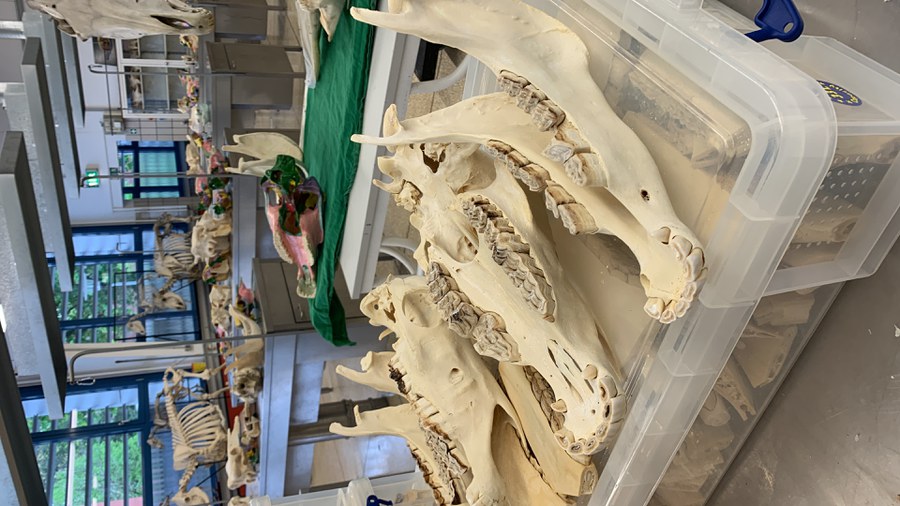
Blick in den Lehrsaal der JLU Gießen
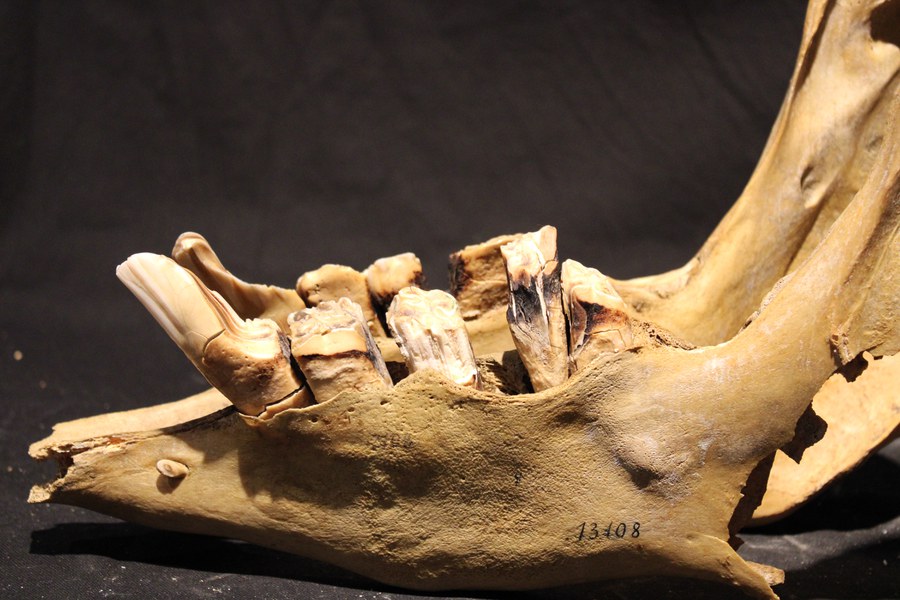
Um dieser Frage nachzugehen, habe ich für meine Masterarbeit Schädel verschiedener Gruppen begutachtet. Um die Frage zu klären, ob es sich um ein Problem der Pferdeartigen handelt, habe ich mir Schädel dieser (also von Zebras, Halb- und Wildesel) in Naturkundemuseen angeschaut. Da die Schädel von wilden Populationen als auch von Zootieren stammten, konnte ich hier auch den Einfluss der menschlichen Fütterung von 1880 bis 1940 untersuchen. Aber wie sieht es mit Hauspferden aus, die nicht modern gefüttert wurden? Schädel aus archäologischen Ausgrabungen gaben hierüber Auskunft.
Jedoch bin ich Biologin und keine Tiermedizinerin, sodass neben den Reisen zu den Schädeln auch ein Aufenthalt an der Veterinärmedizin der JLU Gießen nötig war, um das entsprechende Fachwissen zu erlangen. Diese Reisen wurden mir durch die FOSTER-Förderung ermöglicht.
Und nun? Wir sind anscheinend schuld, und zwar nicht vor 5000 Jahren, sondern heutzutage und auch schon im 19. und 20. Jahrhundert. Egal ob domestiziertes Hauspferd oder Bergzebra, wenn diese Tiere in den letzten 150 Jahren von Menschen gefüttert wurden, erhöht sich die Häufigkeit insbesondere für schwerwiegende Erkrankungen.
Was jedoch nun genau das Problem zu sein scheint, wie sich die Zahngesundheit vielleicht sogar verbessern lässt und wie es eigentlich bei heute in Zoos gehaltenen Zebras aussieht, ist noch völlig offen. Meine anschließende Promotion soll diese Fragen klären.