
StuFoExpo 2025
StuFoExpo presents: Fail Better - Die Kunst des Scheiterns in der Forschung
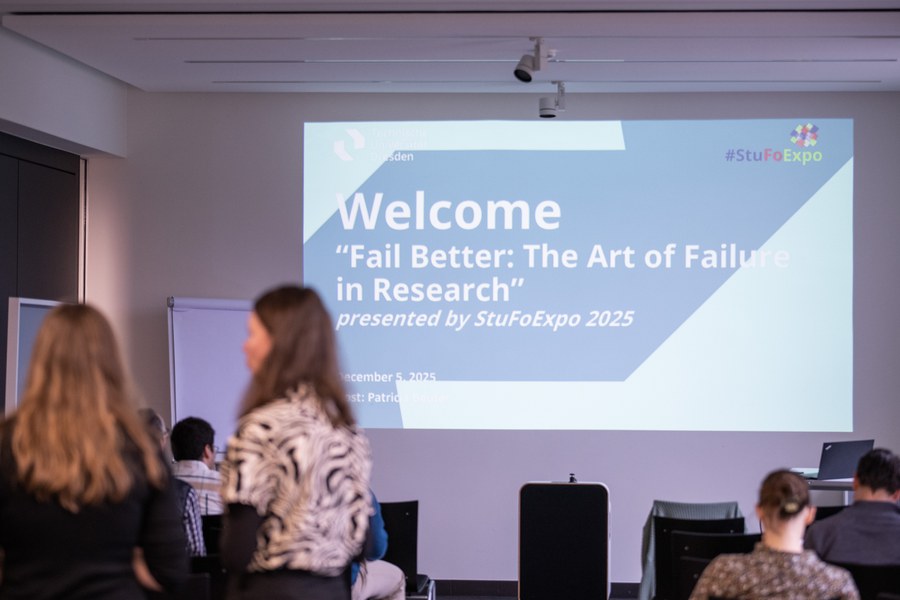
Am 5. Dezember 2025 feierten wir bei der StuFoExpo ein ganz besonderes Thema: Die Kunst des Scheiterns in der Forschung. Denn Scheitern gehört zur Wissenschaft genauso dazu wie Erfolge. Experimente scheitern, Daten bleiben ohne Aussagekraft oder Hypothesen erweisen sich als falsch. Darüber wird oft zu wenig gesprochen. Mit Fail Better @ StuFoExpo wollten wir genau das ändern.
In einem geschützten Rahmen berichteten Studierende über Projekte, die anders liefen als geplant und darüber, was sie daraus gelernt haben. Unser Ziel war es eine positive Fehlerkultur an der TU Dresden fördern, zu zeigen, dass Scheitern auch eine Chance sein kann und dem Thema damit den Schrecken nehmen.
Durch den Nachmittag leitete Patricia Beuter als Moderatorin. Darüber haben wir uns sehr gefreut, da sie zwei Jahre lang studentisches Mitglied des StuFoExpo-Organisationsteams war.
Programm-Highlights
Inspirierender Auftakt mit Rico Nerger
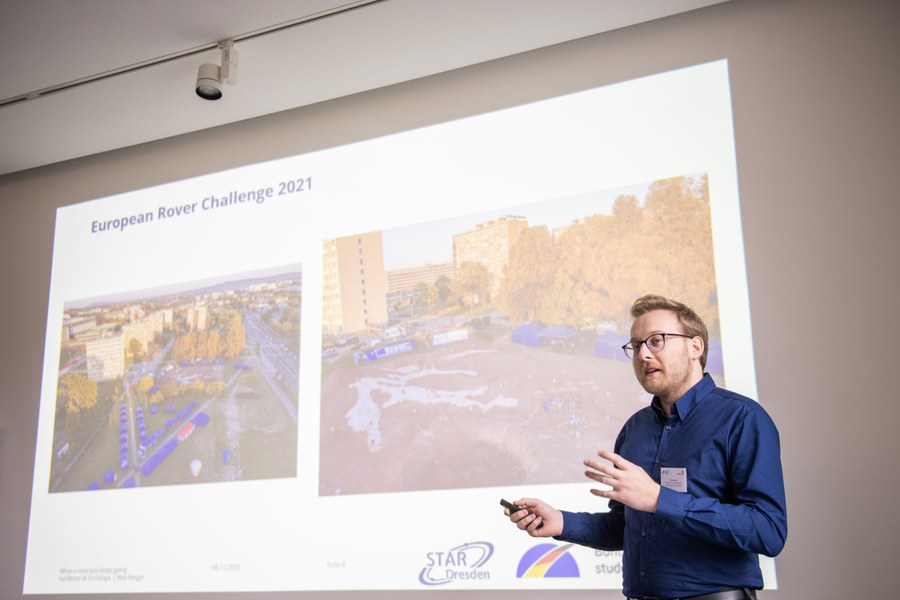
Den Nachmittag eröffnete Rico Nerger, Wissenschaftlicher Mitarbeiter an der Professur für Raumfahrtsysteme, mit seinem Vortrag: „When a rover just keeps going – Error Culture in student (space) projects“.
Er schilderte persönliche Erfahrungen aus dem studentischen Projekt STAR und der European Rover Challenge 2021. Sein Fazit: Rückschläge und Fehler sind keine Sackgasse, sondern ein Sprungbrett für Veränderungen und Verbesserungen.
Mit diesem motivierenden Impuls ermutigte er Studierende und Gäste, sich nicht von Fehlern entmutigen zu lassen, sondern daraus zu lernen und weiterzumachen.
Studierenden-Vorträge: Projekte und ihre Herausforderungen
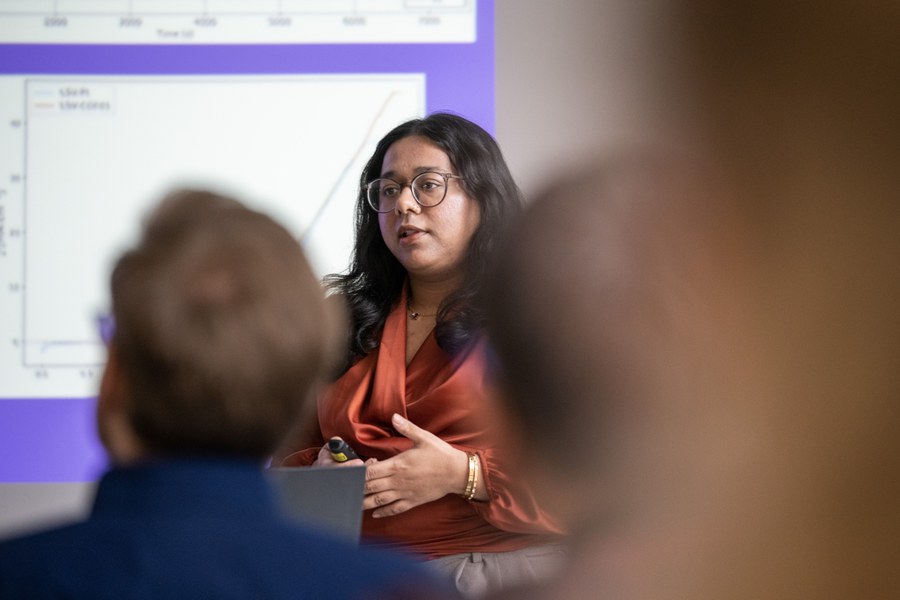
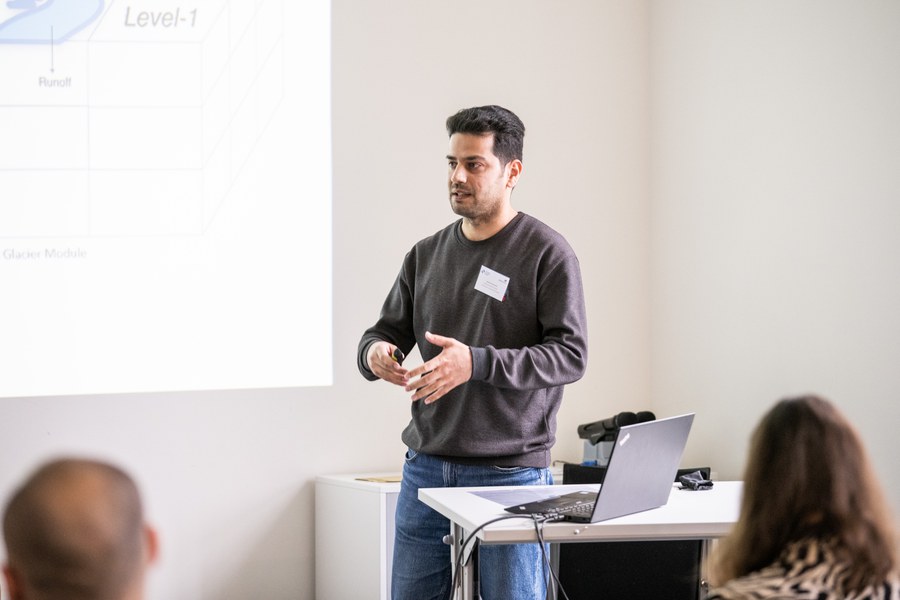
In kurzen 2-Minuten-Pitches präsentierten drei Studierende ihre Forschungsprojekte und die damit verbundenen Schwierigkeiten:
- Riya Rajayyan (Chemie)
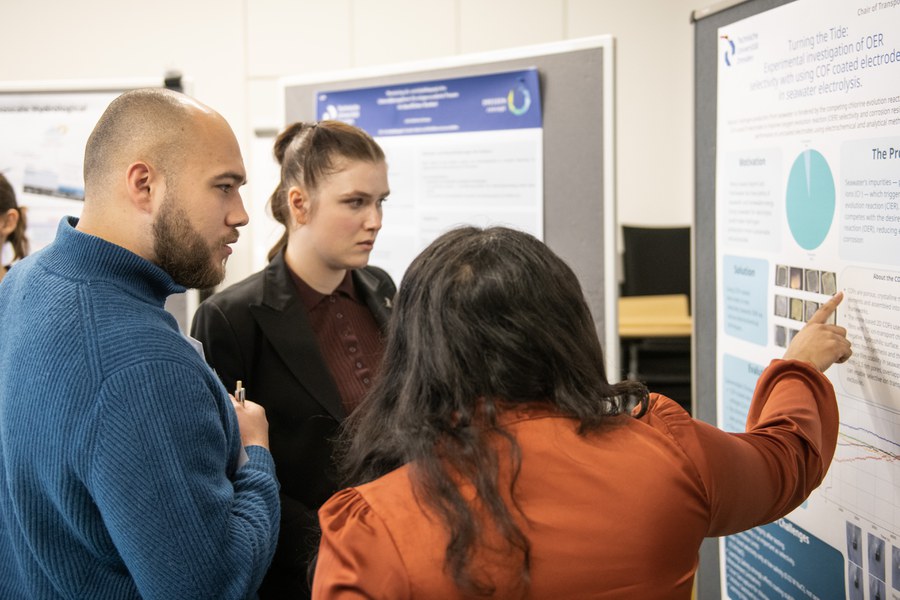
Experimental investigation of OER selectivity with using COF-coated electrodes in seawater electrolysis - Julia Katharina Kampa (Erziehungswissenschaften/Public Health)
Missing Perspectives – Where is the research of mentoring for immigrant women? - Salar Sarvarinouri (Umweltwissenschaften)
Modeling Glaciers in the Mesoscale Hydrological Model (mHM)
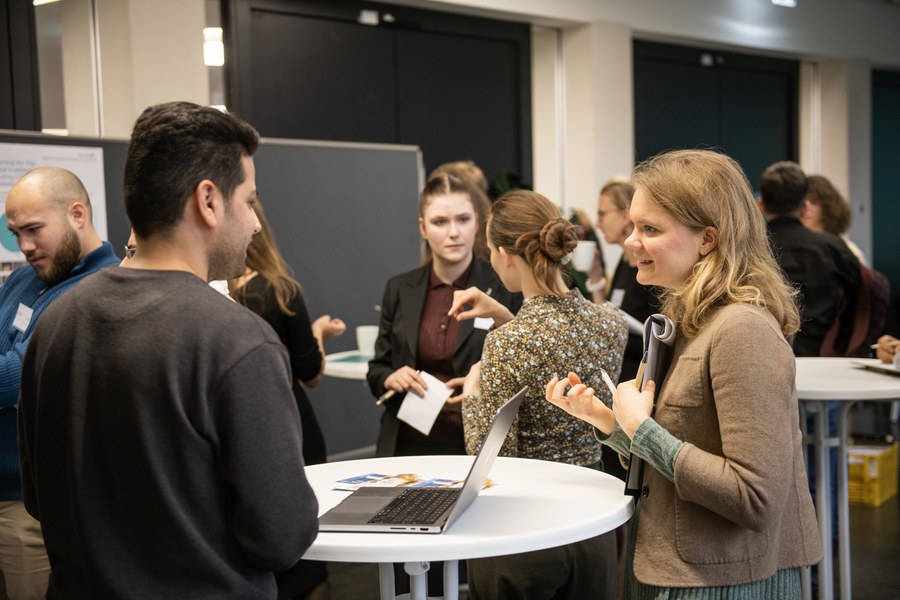
Im Anschluss bot eine Postersession bei Finger Food und Getränken die Möglichkeit, sich über die Projekte und die Erfahrungen der Teilnehmenden und Gäste im Umgang mit Rückschlägen in der Forschung auszutauschen.
Den Abschluss der studentischen Präsentationen bildete Gabriel Pinto Veas (Biology in Science) mit seinem Science Slam „Failed to reproduce: How everything went wrong with my thesis“.
Er nahm das Publikum mit auf seine persönliche Reise voller Rückschläge und zeigte, wie wichtig es ist, offen über das Scheitern zu sprechen.
© Sven Ellger
© Sven Ellger
© Sven Ellger
© Sven Ellger
© Sven Ellger
© Sven Ellger
© Sven Ellger
© Sven Ellger
© Sven Ellger
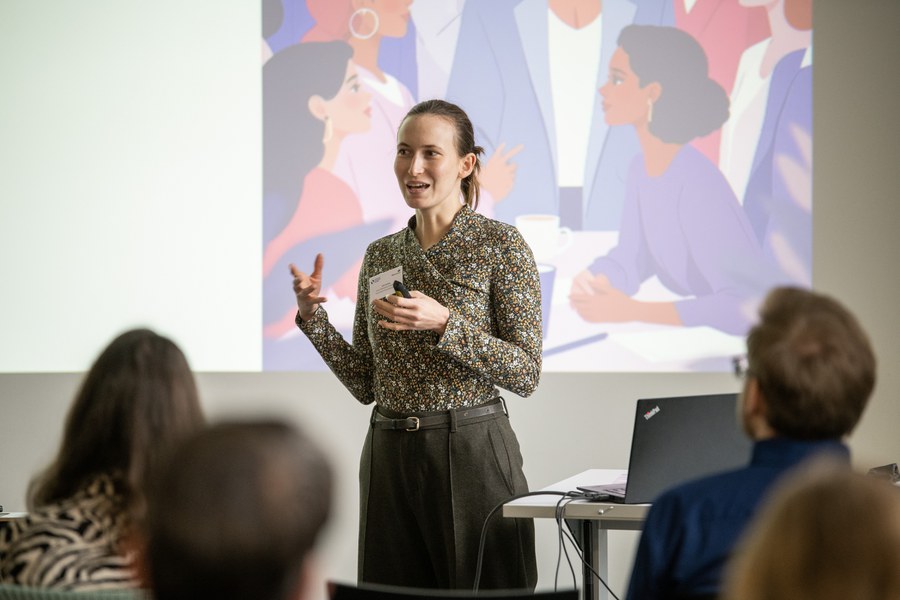
Interaktiver Workshop: „Navigating Failure: A Personal Approach“
Bei der Veranstaltung standen jedoch nicht nur Rückschläge, Fehler und das Scheitern im Mittelpunkt, sondern vielmehr der Umgang damit.
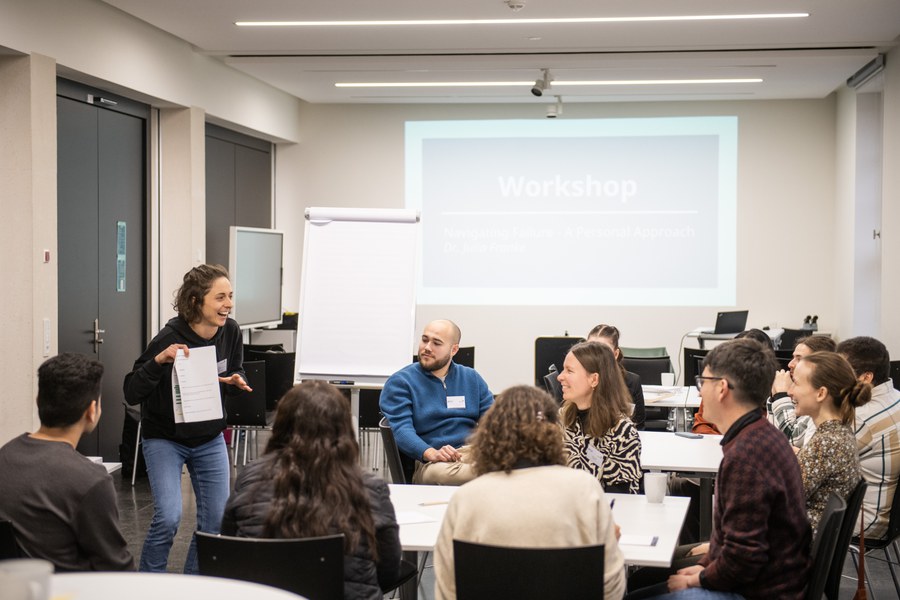
Dazu gab es für alle Teilnehmenden und Gäste den Workshop „Navigating Failure: A personal Approach” unter der Leitung von Julia Franke.
In dem Kurzworkshop setzten sich die Teilnehmenden damit auseinander, wie sie Momente des akademischen, aber auch persönlichen „Scheiterns“ mit Klarheit und Selbstmitgefühl bewältigen können. Gemeinsam reflektierten sie typische emotionale Reaktionen und erarbeiteten Strategien, um mit diesen Herausforderungen umzugehen und neue Motivation zu schöpfen.
Darauf aufbauend erstellten die Teilnehmenden eine persönliche „Failure First Aid Card“, eine praktische Hilfestellung für den Umgang mit schwierigen Momenten in zukünftigen Projekten und Vorhaben.
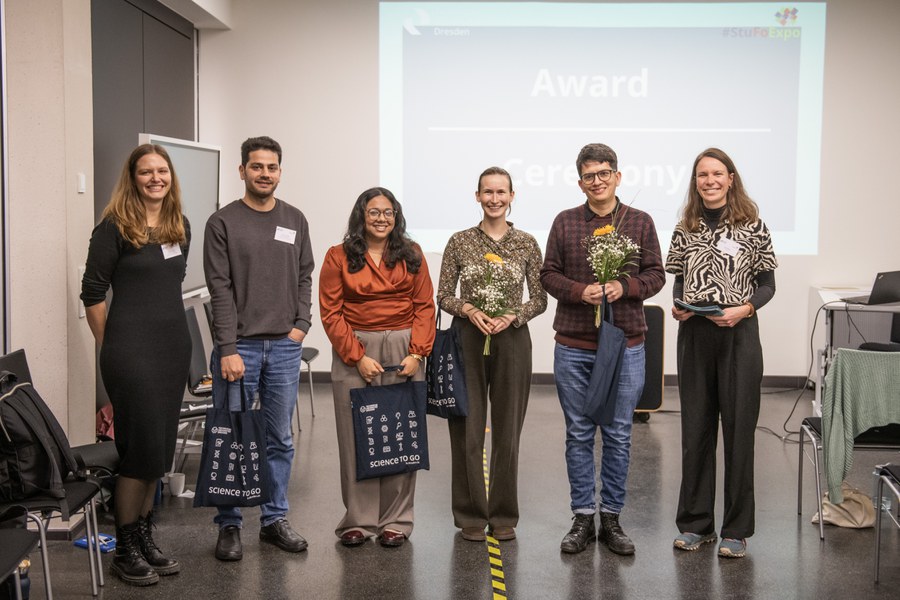
Zum Abschluss der Veranstaltung wurden die Vorträge von Gabriel Pinto Veas und Julia Katharina Kampa für ihre besonderen Beiträge ausgezeichnet.
Wir bedanken uns herzlich bei den Studierenden, die den Mut bewiesen haben auch gescheiterte Vorhaben mit uns zu teilen und allen Teilnehmenden für ihr Interesse an einer gelebten positiven Fehlerkultur.
Ein kleiner Exkurs zur Relevanz einer positiven Fehlerkultur in Wissenschaft und Forschung
Eine gute Fehlerkultur ist nicht nur ein Zeichen von Offenheit, sondern ein wesentlicher Baustein für den Fortschritt in Wissenschaft und Forschung. Fehler und unerwartete Ergebnisse gehören untrennbar zur wissenschaftlichen Arbeit, denn sie sind keine Rückschläge, sondern wichtige Lernprozesse, die uns ein Stück näher an die Wahrheit bringen. Eine Hochschule, die eine konstruktive Fehlerkultur fördert, schafft nicht nur Vertrauen, sondern auch Raum für echte Innovation. Wenn Fehler verheimlicht oder ignoriert werden, entstehen falsche Annahmen, die die Forschung verzerren und wertvolle Ressourcen verschwenden können (Stichwort: Publication Bias).
Besonders in der Wissenschaft ist es entscheidend, auch Nullergebnisse oder "gescheiterte" Experimente sichtbar zu machen, um unnötige Doppelarbeit zu vermeiden und die Qualität der Forschung zu sichern. Nur durch Transparenz und einen offenen Umgang mit Fehlern wird Wissenschaft nachhaltig und glaubwürdig.
Gerade an Hochschulen, wo die Grundlagen für das wissenschaftliche Arbeiten gelegt werden, ist es daher essenziell, eine Atmosphäre zu schaffen, in der Studierende und Forschende gleichermaßen dazu ermutigt werden, aus Fehlern zu lernen und diese als Teil des Erkenntnisprozesses zu akzeptieren. Wenn uns Wissenschaft und Forschung am Herzen liegen, führt kein Weg an einer positiven und reflektierten Fehlerkultur vorbei.