
WiSe 26/27 - Foundation course
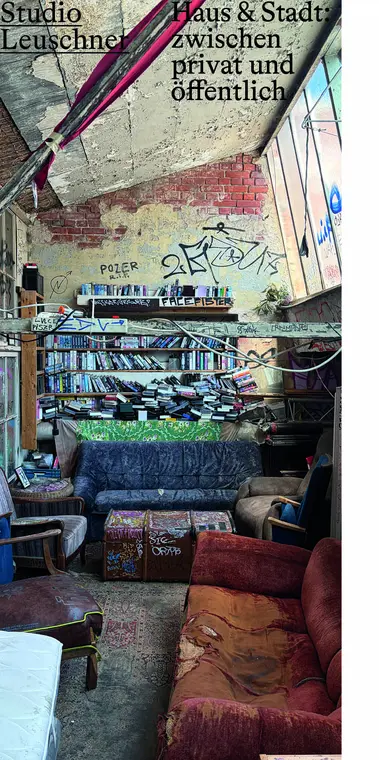
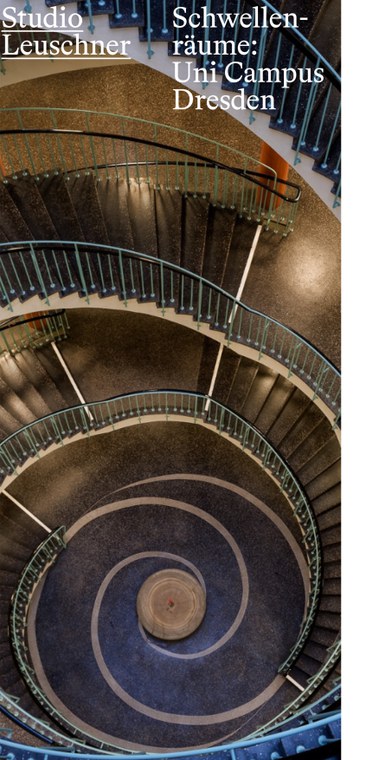
During the winter semester 2026/2027, we will examine spaces of transition between the private and the public as a fundamental concern of architectural design.
Our starting point is an understanding of the European city as a complex spatial fabric in which individual and communal life are interwoven in many different ways.
We will focus on threshold spaces situated between privacy and public life. They belong to a building, yet are also accessible to or usable by the public. As spaces in between, they make encounters, communication and appropriation possible, encourage social interaction, and contribute significantly to a place’s identity and atmosphere. By mediating between different realms, they create varying degrees of publicness and form important interfaces between architecture and urban space.
From the Borstei in Munich and the access-gallery housing in Bern and Bolzano to passages, courtyards and housing estates in London, Berlin and Copenhagen, many examples show how spatial transitions can create atmosphere and foster a sense of community. Arcades, passageways, loggias, courtyards, staircases, canopies, forecourts and similar elements mediate between buildings and the city. Architecture is understood here as a framework for everyday life. It shapes not only buildings, but also the spaces between them. The careful design of outdoor spaces, thresholds and shared transitional areas is therefore as important as the design of the buildings themselves. These spaces help create identity, neighbourhood, community and quality of life, and have a lasting influence on how urban space is experienced.
The aim of the exercises is to develop a deeper understanding of the role threshold spaces play in mediating between architecture and the city. By analysing selected examples in Dresden, students will identify spatial principles that are fundamental to the design of buildings and urban spaces. The central question is how architecture can use transitions and spaces in between to encourage public life, community and a sense of belonging, thereby making a significant contribution to the quality of urban life.
Working in groups of four, students will document a total of 30 sites in Dresden.
__________________________________________
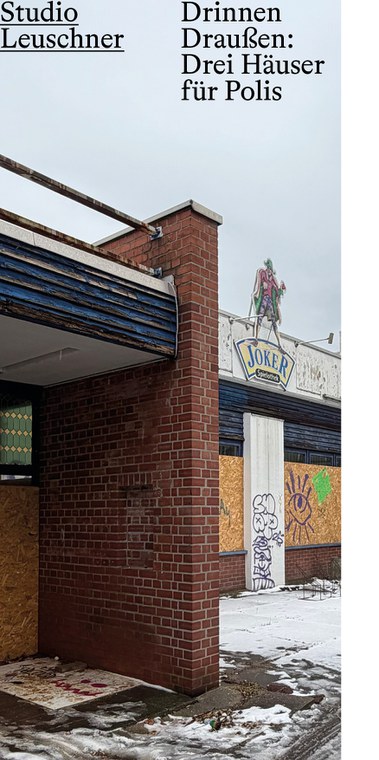
Summer Semester 2026
__________________________________________
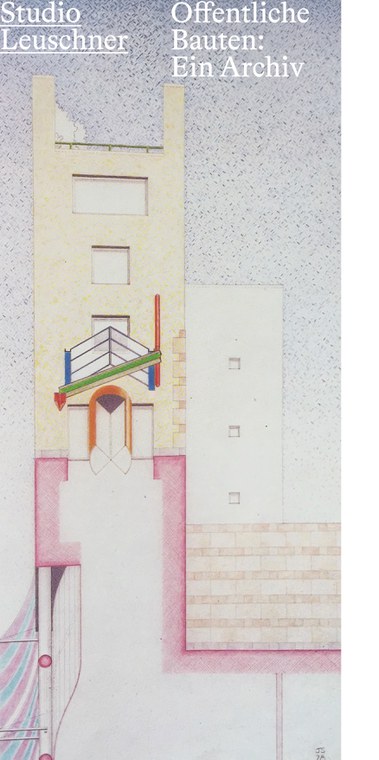
Winter semester 2025 - 2026
__________________________________________
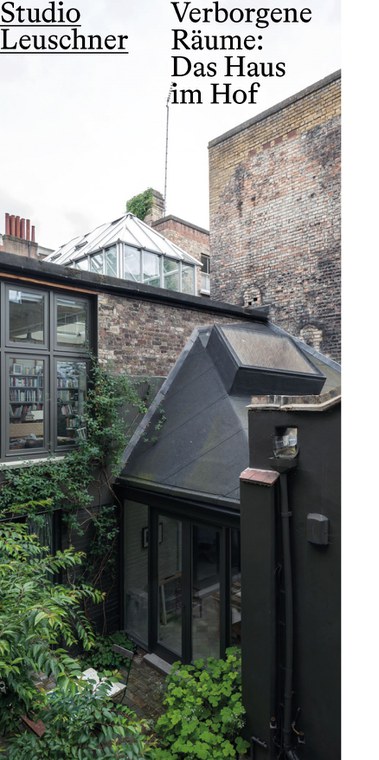
Summer semester 2025
__________________________________________
Winter semester 2024 - 2025
__________________________________________
Summer semester 2024
__________________________________________
Winter semester 2023 - 2024