
B.Sc. in Environmental Informatics - For Prospective Students
Table of contents

Studienverlauf B.Sc. Umweltinformatik
General Information About the Program
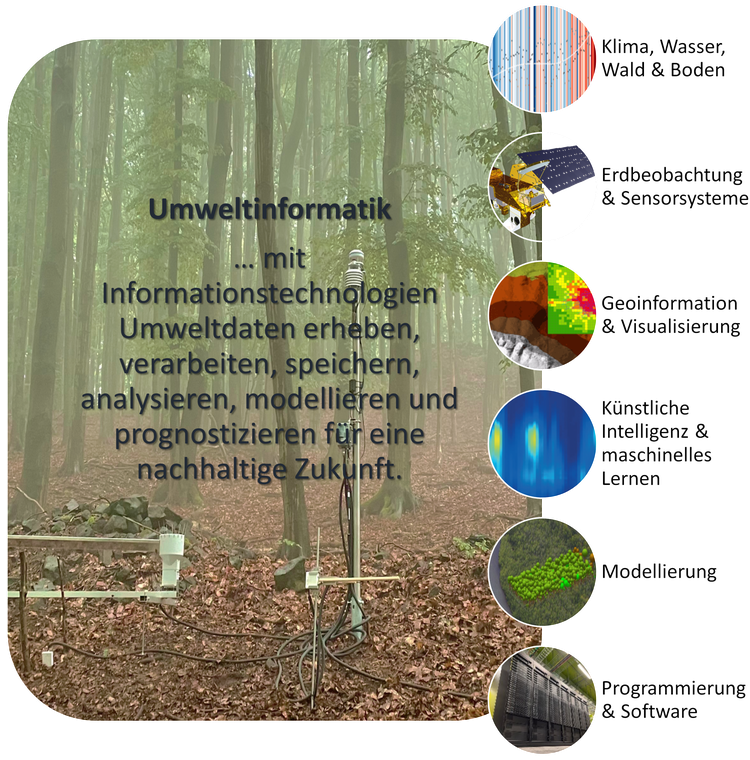
Addressing global environmental challenges such as climate change, species loss, and resource scarcity—and their impacts on the economy and society—requires innovative solutions. Computer science plays a key role in this effort—from environmental monitoring, early warning systems, and artificial intelligence to sustainable technologies. The Bachelor’s program in Environmental Informatics at TU Dresden integrates environmental sciences with computer science, thereby combining climate and ecological issues with big data, data analysis, and artificial intelligence. Offered by the Faculty of Environmental Sciences in cooperation with the Faculty of Computer Science, the program covers topics in geosciences, hydrology, forestry, and applied computer science. Graduates acquire in-depth knowledge of environmental processes, programming, data analysis, statistics, and machine learning, and are qualified for careers in environmental monitoring, planning, and data analysis at government agencies and companies.
The Environmental Informatics degree program offers an interdisciplinary education, as it promotes close collaboration with the Faculty of Computer Science in addition to modules in the environmental sciences. Graduates are thus optimally prepared for careers in environmental monitoring and data analysis and become experts at the intersection of IT, big data, artificial intelligence, machine learning, Earth observation, global change, and sustainability.
Program Content
The Bachelor’s program in Environmental Informatics consists of six semesters totaling 180 credit points. Part-time study is possible. Building on a broad foundation in the areas of environmental informatics, environmental sciences, computer science, and the fundamentals of mathematics—covered in required modules during the 1st through 3rd semesters—students specialize in one of two tracks starting in the 4th semester, culminating in an in-depth exploration of a topic in their bachelor’s thesis (6th semester). The degree program equips all students with broad methodological expertise.
The Bachelor’s program in Environmental Informatics includes, as part of its required curriculum, theoretical and methodological foundations in core subjects of environmental informatics such as:
- Fundamentals and research methods of environmental informatics, in particular the fundamentals of geoinformatics, cartography, geosoftware development, geostatistics, photogrammetry, and remote sensing
- Scientific research and environmental data management, and data analytics in the environmental sciences
- Fundamentals of mathematics, particularly linear algebra, analysis, and differential and integral calculus
- Fundamentals of the environmental sciences, in particular the fundamentals of hydrology and meteorology, biogeography, geology and soil science, and geophysics
- Advanced topics in geographic information systems and geodatabases, machine learning for environmental monitoring and modeling, and the fundamentals of geosensors
- Fundamentals of computer science, particularly programming, algorithms, and data structures, and human-computer interaction,
- Work experience from professional practice
- General transferable skills, such as presentation techniques, languages, organization, and management
A selection of concentration tracks allows students to differentiate their studies through specialization beginning in the fourth semester. This is ensured by the option to choose two out of seven concentration tracks. The available concentration tracks are:
- Geo- and Environmental Informatics
- Hydrology
- Meteorology
- Urban Development and Land Management
- Geodynamics
- Forest Ecology and Forestry
- Computer Science.
All specializations consist of required-elective modules, which allow for flexible course planning and the development of an individual academic profile.
The fifth semester is primarily dedicated to individual specialization and allows for a temporary stay at another university or a study abroad program (e.g., through ERASMUS). The only required module in the fifth semester is “General Key Competencies,” which can be fulfilled, for example, by taking a language course at a foreign university. All other modules in the fifth semester are required-elective modules selected from the two specializations.
At the beginning of the sixth semester, a 7-week professional internship is scheduled, which contributes to further developing the student’s professional profile. Additionally, students take another required elective module in the sixth semester, which is selected either from one of the two chosen specializations or from the overall course offerings. The sixth semester concludes with the thesis and an accompanying colloquium. The topic of the bachelor’s thesis is generally based on the content of the chosen specializations.
What are the career prospects after graduation?
Career Prospects
The fields of application and career paths for environmental informaticians are diverse and can be found both in public administration—for example, in the areas of environment, transportation, climate protection, and agriculture, as well as in the private sector—for example, at GIS and software companies, engineering and surveying firms, transportation companies, and network operators—and in geomarketing.
Further degree programs
Alternatively, you can proceed directly to a master’s program. This opens the door to leadership roles, and a career in the higher civil service or pursuing a Ph.D. is also possible. You can find more information here: After the Bachelor’s Degree.
Why study Environmental Informatics (B.Sc.) at TU Dresden?
© Biermann-Jung Kommunikation & Film, Carola Queitsch / TU Dresden
There are many reasons to study at TUD Dresden University of Technology. With over 30,000 students, it is one of the largest technical universities in Germany and has been designated a German University of Excellence since 2012. Studying at TU Dresden is characterized by diversity in course offerings, internationality, and family-friendliness. At the same time, the university’s teaching builds on a long tradition.
Dresden is considered one of the most livable cities in Germany:
- Whether it’s the graceful Baroque buildings in the Old Town or the charming trendy district in Dresden’s Neustadt—woven through by the bends of the Elbe River—Dresden’s beautiful city center captivates with a wealth of cultural experiences.
- The multitude of parks and green spaces make Dresden one of the greenest cities in Europe.
- Numerous bars, pubs, and clubs offer plenty of opportunities to turn night into day and have a good time.
- The area surrounding the city offers spectacular landscapes, such as the Dresden Heath or Saxon Switzerland.
- Other cultural cities, such as Prague, Berlin, Görlitz, or Wrocław, are easily accessible from Dresden.
Our Campus—The Place to Study
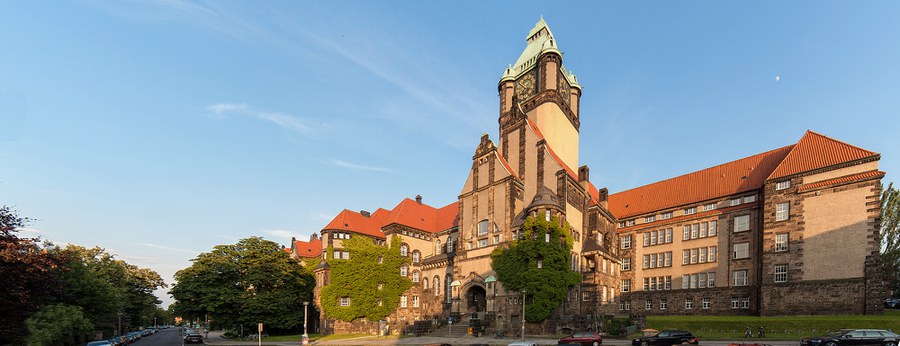
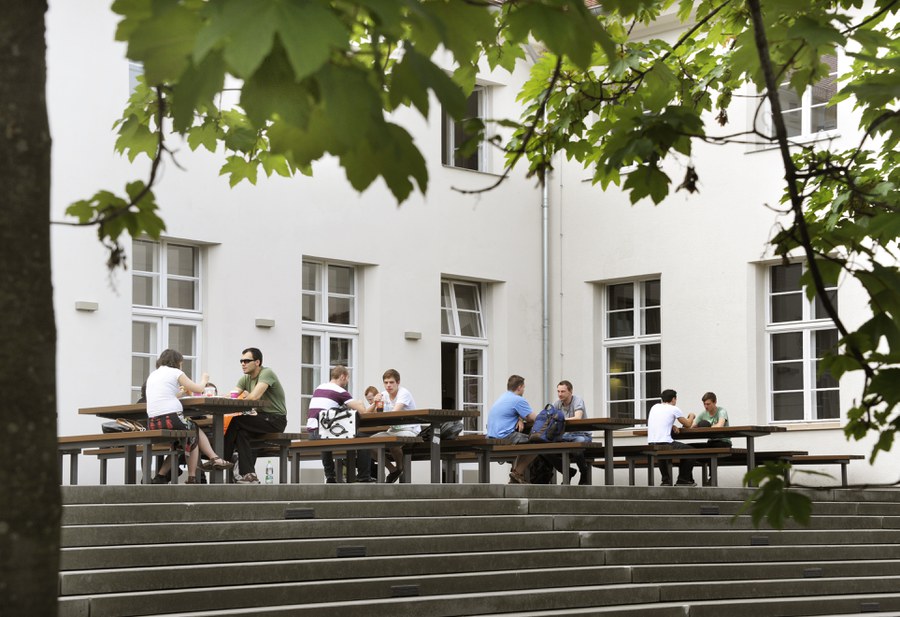
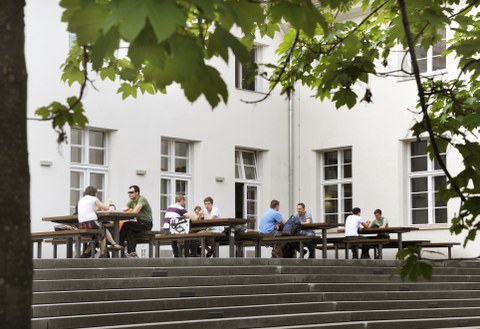
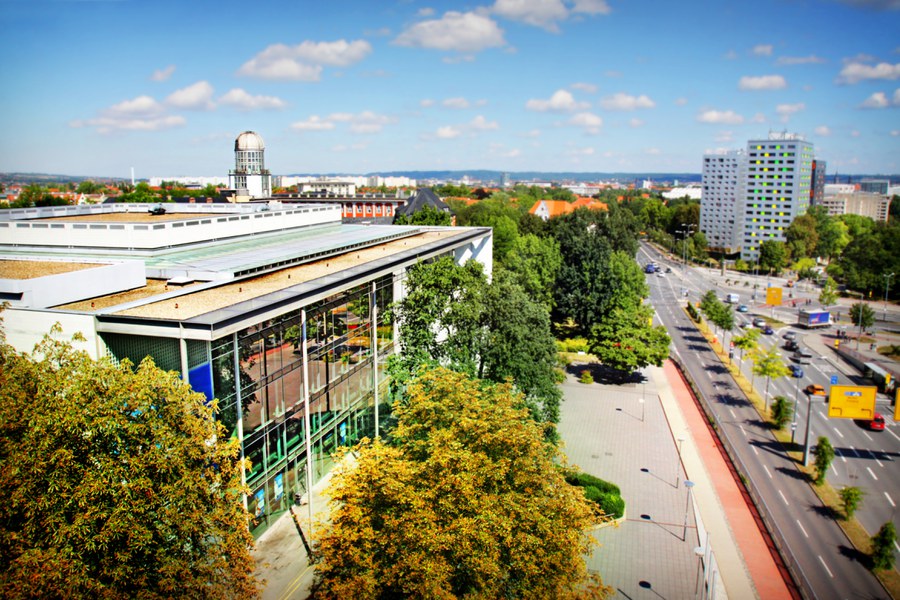
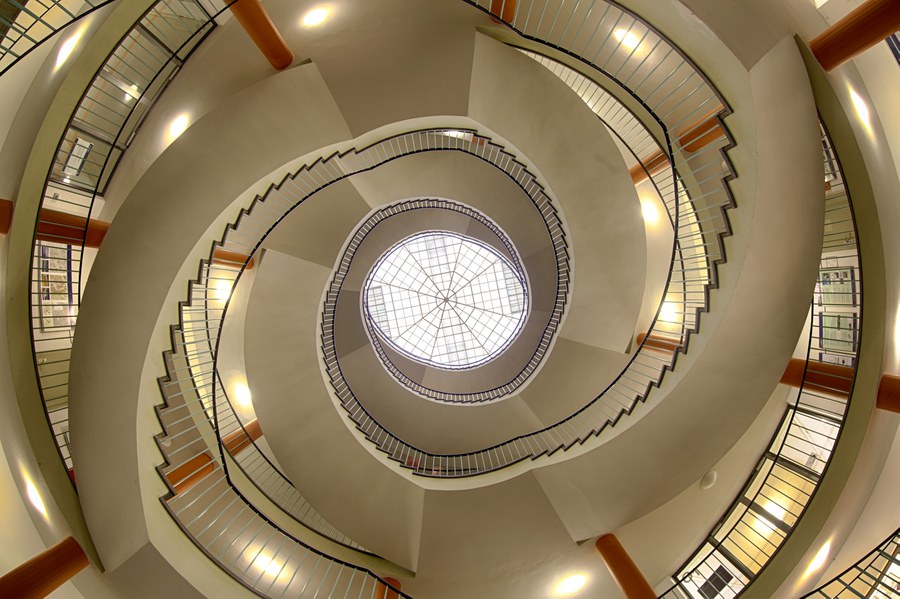
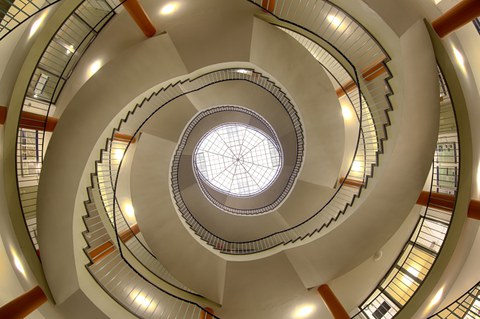
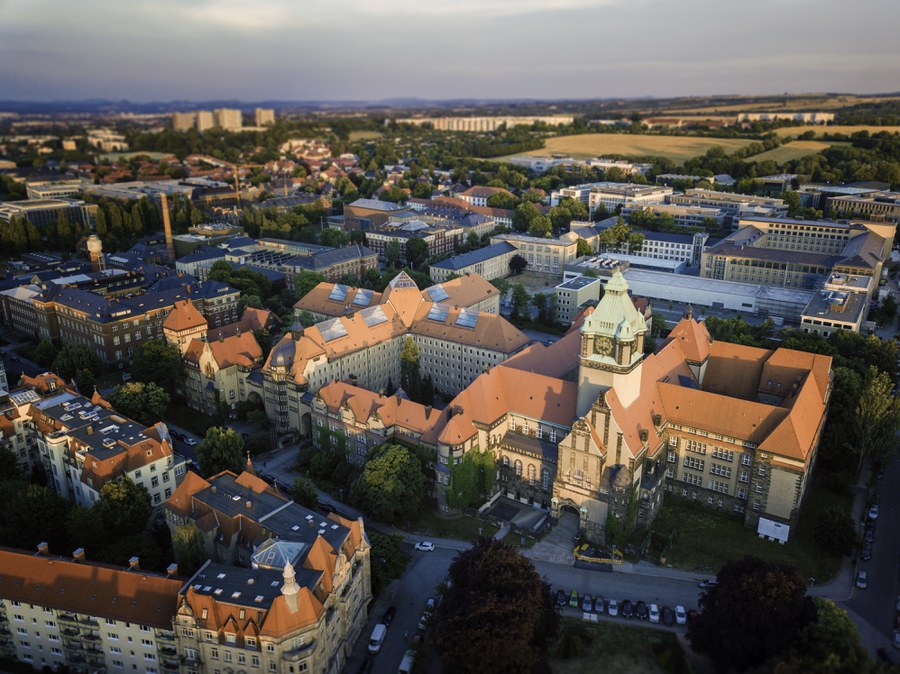
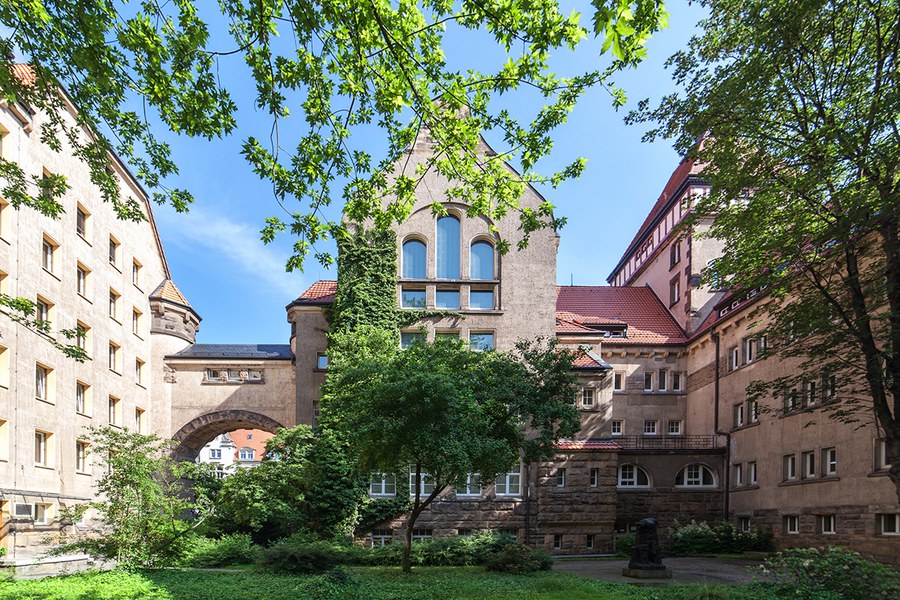
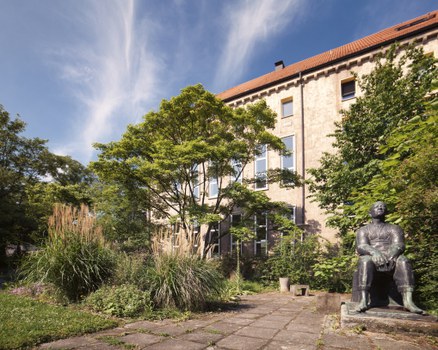
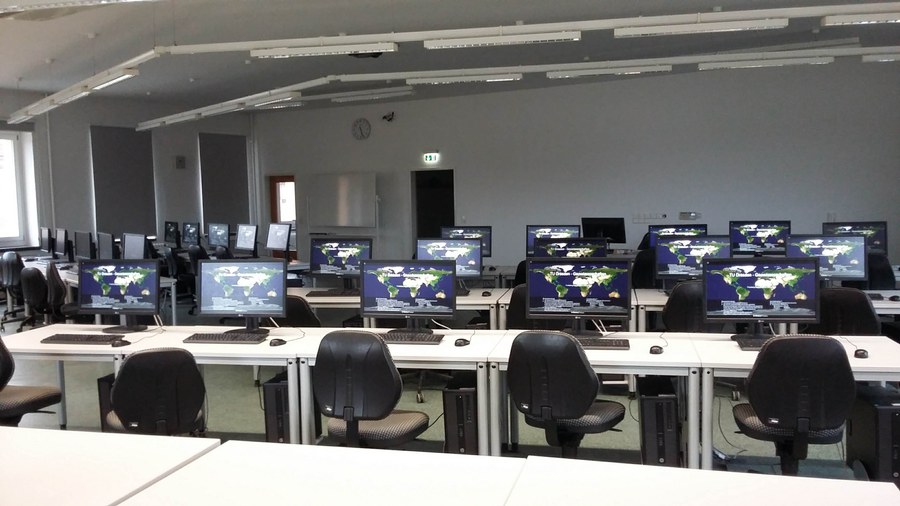
In the Department of Geosciences, you’ll study on the main campus of TU Dresden in the Südvorstadt district. The chairs, the Department Office, and the Dean's Office of the Faculty of Environmental Sciences are housed in the Hülße Building. Most of your courses will take place there, as well as in the adjacent Georg-Schumann Building and the Auditorium Center. You can use the computers in the Geopools in the Hülße Building and the adjacent Tillich Building before taking a break at the “insgrüne coffeebar” cafeteria. Our photo gallery offers you a glimpse of what it’s like.
© TU Dresden
© TU Dresden
© TU Dresden
© TU Dresden
© TU Dresden
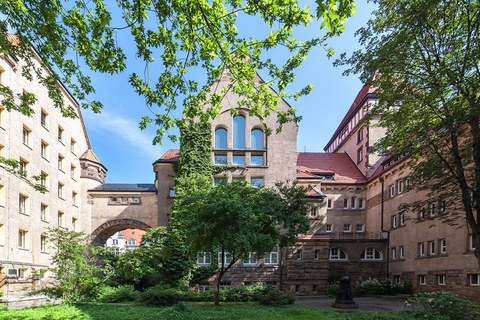
© TU Dresden
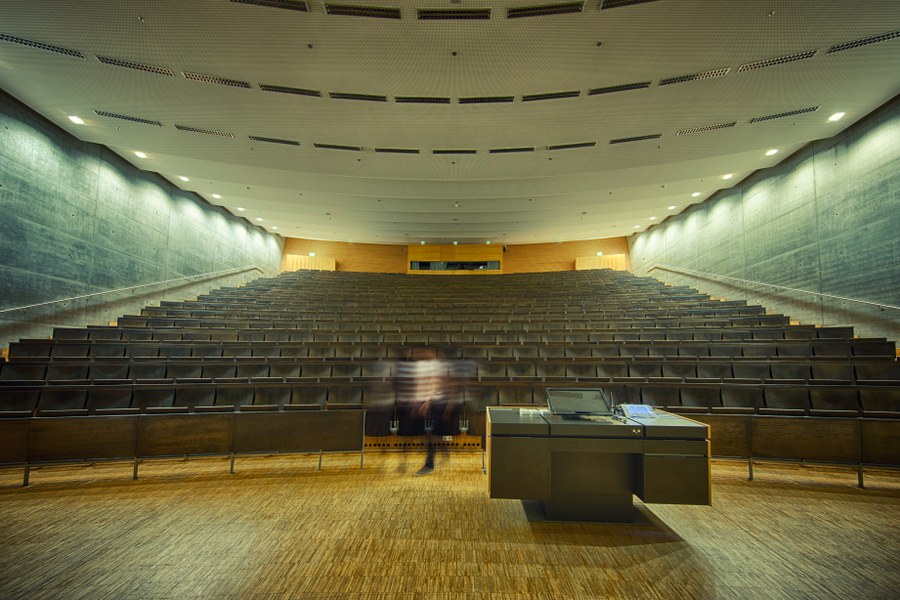
© TU Dresden
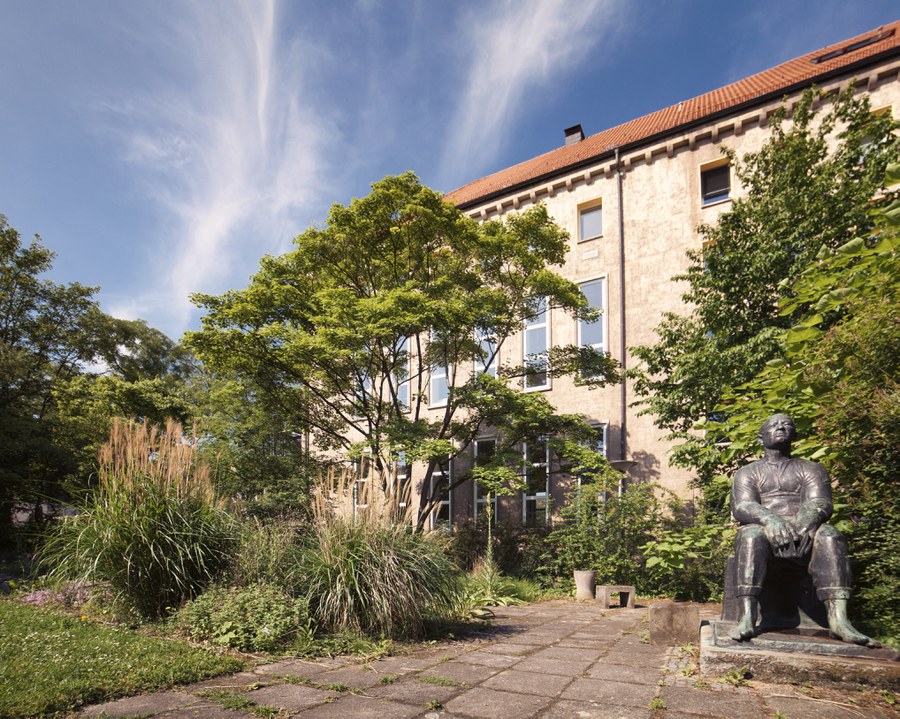
© TU Dresden
© P. Thiemt
Curious? Youcan findfurther important information and requirements for the degree program—such as admission requirements, deadlines, and the application link—in our central student information system.
Are you already studying Environmental Informatics (B.Sc.) at TU Dresden? Under “Information for Students,” you’ll find all the information relevant to your studies.
Contact and Advising
Do you have any questions about the program or the application process? Our advisors will be happy to assist you.
Academic Advisors for the B.Sc. in Environmental Informatics
Visiting address:
Hülsse-Bau, west wing, first floor, room 137 Helmholtzstr. 10
01069 Dresden
Postal address:
TUD Dresden University of Technology
Faculty of Environmental Sciences
Department of Geosciences
01062 Dresden
Office hours:
For office hours, please register in advance by e-mail, stating your concerns and approximate time requirements. Please ensure that you comply with the german 3-G rules (vaccinated, recovered, tested), I also offer the possibility of online counselling.
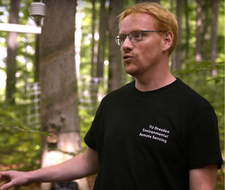 © EnvRS
Professor in Environmental Remote Sensing
NameProf. Dr. Matthias Forkel
Coordinator for BSc Env. Informatics and ERASMUS+ Geosciences
Send encrypted email via the SecureMail portal (for TUD external users only).
Office:
Hülssebau, Room 539 Helmholtzstr. 10
01069 Dresden
Deutschland
Office hours:
- Wednesday:
- 08:15 - 09:00
- Office hour (ERASMUS, BSc UI)
Eine Anmeldung zu den Sprechzeiten ist ausdrücklich nicht notwendig. Alternativ sprechen Sie mich vor oder nach den Vorlesungen an. Die Sprechstunde fällt aus am: 14.10.2026, 20.01.2027
Quick Facts
|
Degree |
Bachelor of Science (B.Sc.) |
|
Standard Duration of Study (Full-Time) |
6 semesters (3 years) |
|
Language of Instruction |
German |
|
Tuition per semester |
Semester fee, as well as second-degree and long-term tuition fees, if applicable |
|
Type of program |
Direct program |
|
Program Type |
Undergraduate |
|
Start of studies |
First semester: Winter semester |