
Sep 25, 2026
International PhD Summer School Combines Digital Education and International Collaboration (Update)
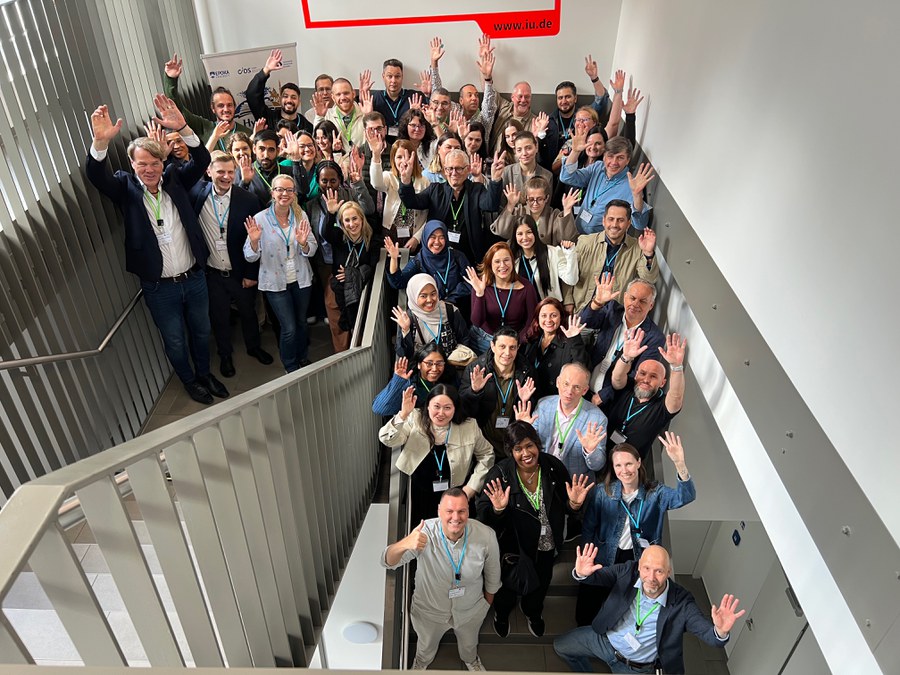
Participants in the Education & Technology 2026 Summer School
How can international collaboration, digital transformation, and doctoral training be combined across national borders? These were the questions addressed at the 19th International PhD Summer School “Education & Technology,” which took place in Dresden from September 14 to 18, 2026.
The Summer School was jointly organized by the Center for Open Digital Innovation and Participation (CODIP) at the TUD Dresden University of Technology and the International University Dresden (IUD). International researchers and doctoral candidates gathered for workshops, research presentations, and discussions on current developments in digital and hybrid education.
Key topics included perspectives on education in a hybrid world, the promotion of cognitive and non-cognitive skills through digital platforms, and the use of AI-powered chatbots to support educators in developing teaching formats. In addition, the doctoral candidates presented their research in poster sessions as part of this year’s GeNeMe conference.
The Summer School was a highlight of the “Hybrid PhD Education and Research” (Hy-PER) project, a bilateral collaboration between TU Dresden and EPOKA University in Albania. The DAAD-funded project is coordinated at CODIP by Dr. Mattis Altmann. It continues to develop approaches for hybrid doctoral education and aims, among other things, to strengthen the exchange between academia and civil society in the Western Balkans. It builds on the successful implementation of the 18th PhD Summer School “Education & Technology,” which took place in July 2025 at EPOKA University in Albania and brought together 30 international doctoral candidates as well as around 20 advisors from Europe, Asia, and South America—this year in Dresden, and next year in France.
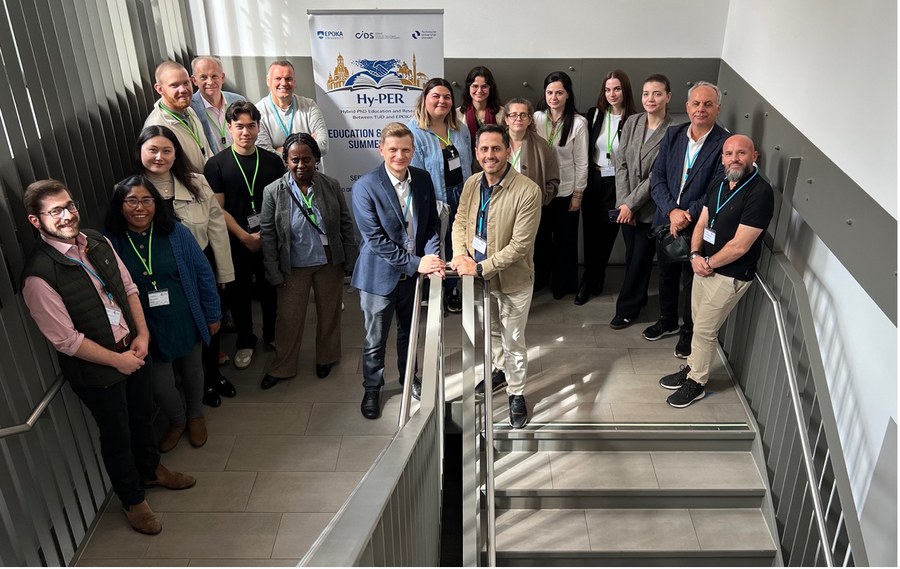
Gruppenbild der Summerschool
The previous online phase focused on the joint development of concepts for hybrid doctoral formats and Collaborative Online International Learning (COIL) in doctoral education.
Mattis Altmann, Silvia Blass, Kevin Hoang, as well as Magne Ortmann and Johanna Spirling from the TUD Dresden University of Technology warmly welcomed EPOKA University from Tirana to the IU in Dresden. EPOKA was represented by scholarship recipients and professors (Armando Demaj, Esmir Demaj, Sabrina, Ardita Begaj, Ardita Dorti, etc.).
Logo Hy-Per
Hy-PER is funded as part of the German Academic Exchange Service (DAAD)’s “University Dialogue with the Countries of the Western Balkans” program and aims to strengthen academic exchange between TU Dresden and EPOKA University, build capacity for international and hybrid doctoral programs, and develop new digital teaching and learning formats in doctoral education.
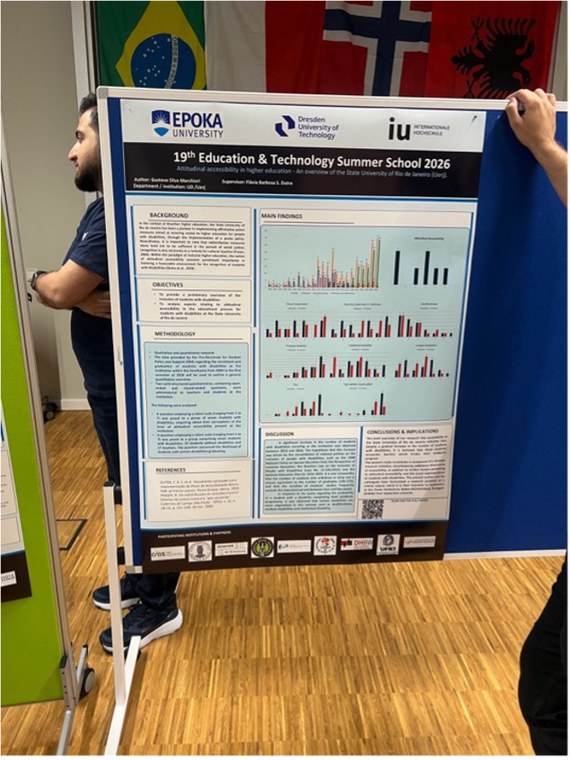
Postersession
A central component of the project is the joint design and testing of hybrid summer school formats that combine in-person and online elements and facilitate international collaboration.
Hy-PER: Strengthening International Doctoral Programs
The Hy-PER (Hybrid PhD Education and Research) project, coordinated by Mattis Altmann at the Center for Open Digital Innovation and Participation (CODIP) at TUD Dresden University of Technology, is a bilateral collaboration between TUD Dresden University of Technology and EPOKA University in Albania. During the GeNeMe conference, which took place on September 17–18, the PhD candidates had the opportunity to present their work as poster presentations and engage in discussions.
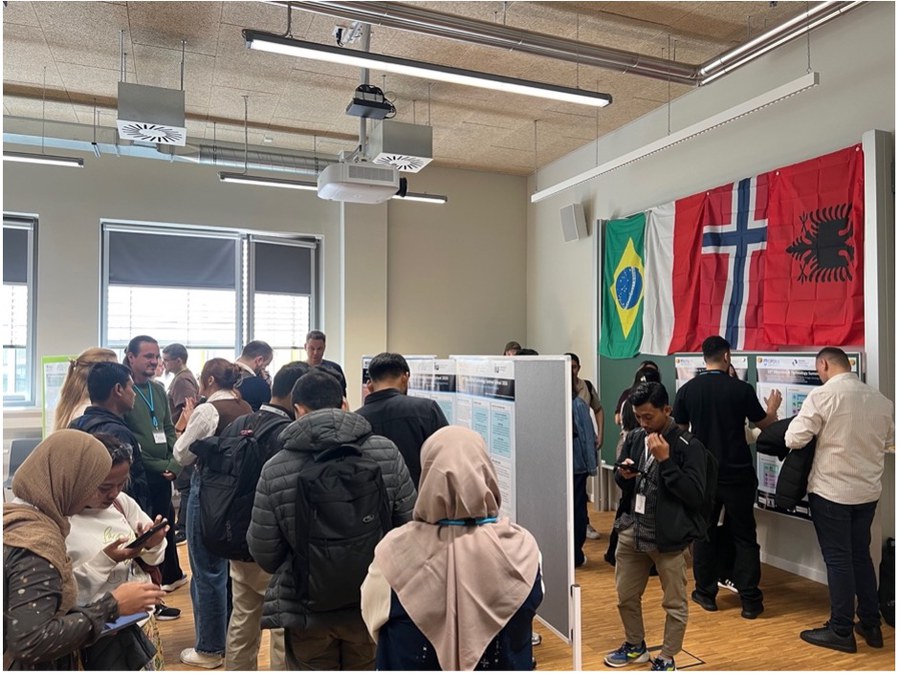
Postersession
Hy-PER: Strengthening International PhD Programs
As part of the project, scholarships are also awarded to students and advisors at EPOKA University. In total, there were eight one-week stays (four for doctoral candidates and four for advisors) as well as two one-month research stays at TU Dresden in Dresden. These enabled participants to gain international experience and learn about hybrid doctoral programs in practice.
Hybrid PhD Summer School 2026 in Dresden
The event brought together international doctoral candidates and advisors and continues the long-standing tradition of international academic collaboration that has characterized the E&T doctoral program for many years. The summer school impressively demonstrated how international cooperation, digital innovation, and academic exchange can work together to develop new forms of international doctoral education.
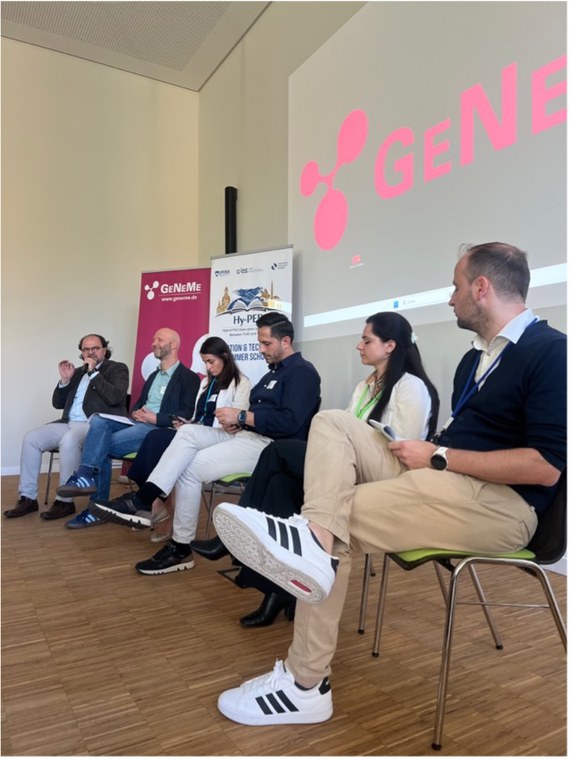
Podiumsdiskussion
GeNeMe Collaboration
For over 25 years, the GeNeMe conference series—“Communities in New Media”—has focused on online communities from the perspective of various disciplines, such as computer science and data science, media technology, education and Business Administration and Economics, information and administrative sciences, and social and communication sciences, as well as at their intersections.
Another component of Hy-PER was a public panel discussion that took place as part of the Summer School. The discussion centered on the role of civil society in the further development of higher education, international cooperation, and the teaching of future skills. Discussions also addressed how universities, local governments, and civil society stakeholders can work together to create sustainable structures for knowledge and skills development.
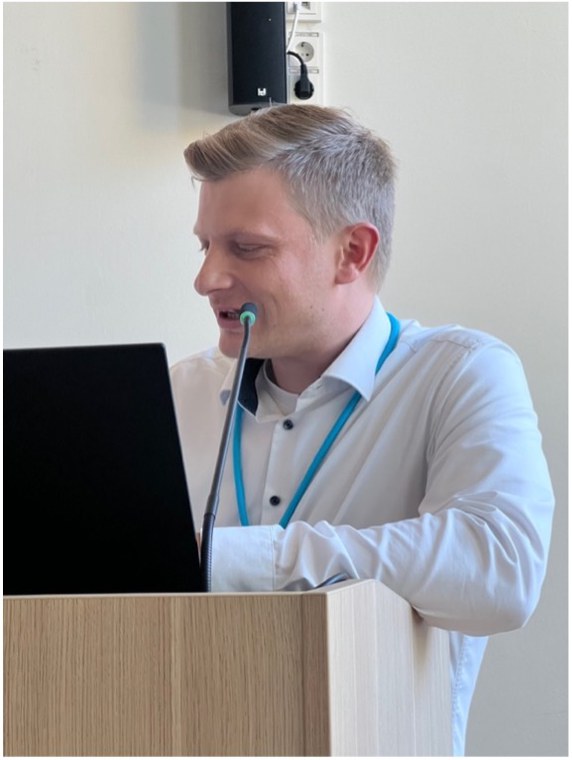
Dr. Mattis Altmann
Funding Note:
The Hy-PER (Hybrid PhD Education and Research) project is supported by the German Academic Exchange Service (DAAD) as part of the funding program “Higher Education Dialogue with the Countries of the Western Balkans.” The program’s goal is to strengthen academic exchange and sustainable cooperation between German universities and partner institutions in the countries of the Western Balkans.
This year’s Summer School builds on a collaboration between TUD and EPOKA University that has developed over several years. A recent article in the DAADeuroletter provides a more detailed insight into the development of this collaboration and the activities to date: https://www.daadeuroletter.de/mit-austausch-auf-dem-weg-in-die-eu/
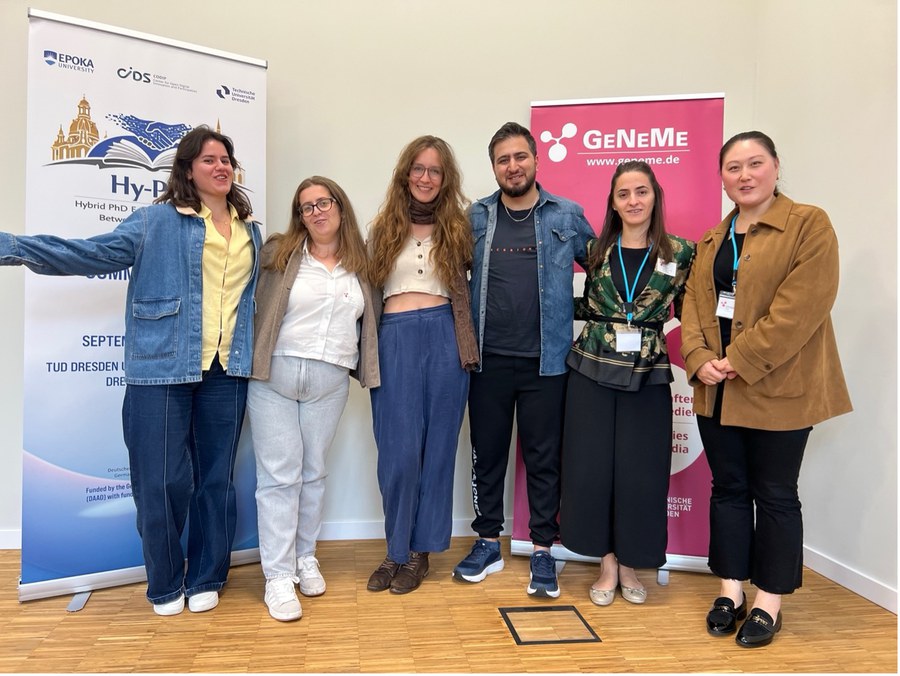
Gruppenbild der Organisatoren