
Doktorand:innen
Inhaltsverzeichnis
Laufende Promotionsprojekte
Aurelia Rager
Unterwegs mit der Kamera: Fotografien im öffentlichen Verkehr der DDR
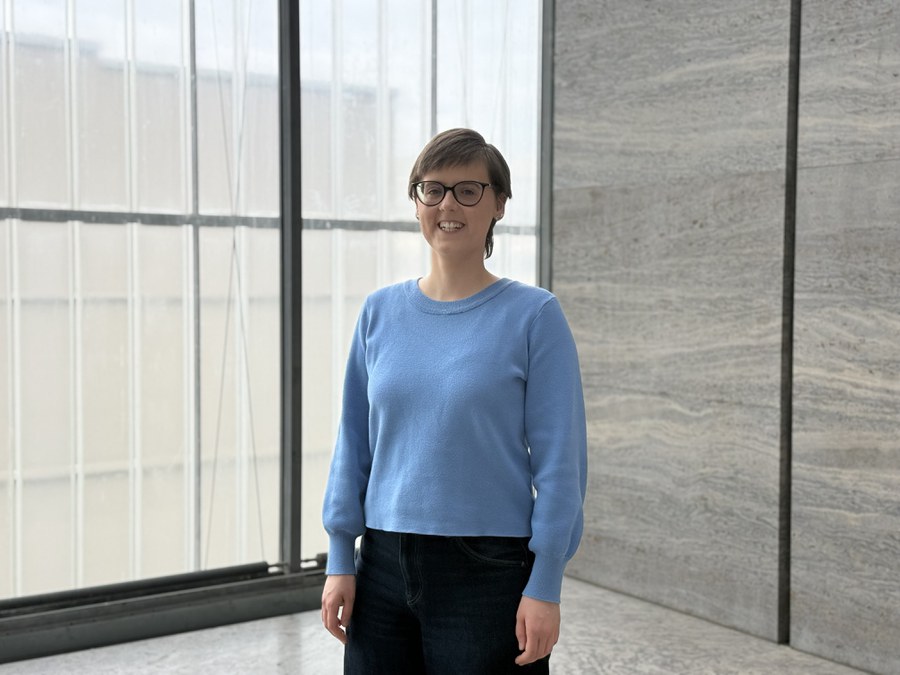
Das Promotionsprojekt widmet sich Fotografien (exemplarische Positionen u. a. von Ursula Arnold, Evelyn Richter, York der Knoefel), die im öffentlichen Verkehr der DDR entstanden sind und (anonyme) Mitfahrende abbilden. Die Untersuchung konzentriert sich auf die ästhetischen Formen fotografischer Aneignung sowie auf das Spannungsfeld zwischen Typisierung und Individualisierung der Bildsubjekte. Ausgehend davon wird die Verhandlung von Mobilität und alltäglicher sozialer Praxis im Zwischenraum der temporären Öffentlichkeit des öffentlichen Verkehrs untersucht. Zudem werden der Einfluss staatlicher Kunst- und Bildpolitik sowie die Sichtbarkeitsordnungen in der DDR analysiert. Ziel ist es, ein bislang kaum untersuchtes fotografisches Sujet der Fotografie in der DDR zu reflektieren und zu kontextualisieren.
Aurelia Rager ist als wissenschaftliche Assistenzkuratorin für das Ursula Arnold und Evelyn Richter Archiv der Ostdeutschen Sparkassenstiftung im Museum der bildenden Künste Leipzig tätig.
Jasmin Höning

Menschenbildnisse in der KI-Kunst
Das Promotionsvorhaben strebt eine Untersuchung von Menschenbildnissen in der KI-Kunst an. Die Forschungsarbeit leistet damit einen Beitrag zur Analyse und Kategorisierung von Kunstwerken, welche KI-Technologien zur Generierung synthetischer Menschendarstellungen nutzen und dabei werkimmanent über gegenwärtige Technikdiskurse reflektieren. Die Auswahl der Fallbeispiele rückt dabei Fragen nach Identitätsverhandlungen und Realismen in den Fokus. Ziel ist ein fruchtbarer Vergleich, welcher die hochaktuellen Fragen nach Möglichkeiten und Risiken von KI-generierten Menschenbildnissen in einen gesamtgesellschaftlichen Kontext einbettet.
Die Promotion wird im Rahmen der zweiten Projektphase des Forschungskollegs des Schaufler Lab@TU Dresden verfasst.
Weitere Informationen zur Person und zum Promotionsvorhaben finden Sie auf der Seite des Schaufler Lab.
Heidrun Mezger
(Post)koloniale Provenienzen von Kulturgut aus dem Pays Dogon (Republik Mali) in deutschen und französischen Sammlungen
Das Promotionsprojekt rekonstruiert die (post)kolonialen Provenienzen von Kulturgütern, insbesondere von sakralen Skulpturen aus Nekropolen im Felsmassiv von Bandiagara (Pays Dogon), die über den ‚Kunstmarkt‘ in deutsche und französische Sammlungen gelangten. Ziel ist es, in Zusammenarbeit mit malischen Forschenden mittels Methoden der Bildwissenschaft, Kunstgeschichte und Kulturanthropologie die Kulturgüter zu (re)kontextualisieren und ihre Beschaffungsumstände zu erhellen. Das Projekt zielt gleichzeitig darauf ab, die (post)kolonialen Rahmenbedingungen der Provenienzforschung selbst sichtbar zu machen und Ansätze zu deren Dekolonialisierung zu erarbeiten.
Heidrun Mezger ist Mitglied des Deutsch-Französischen Doktorand:innenkollegs „Unterschiede denken: Wissenschaft, Öffentlichkeit, Politik“. Weitere Informationen zum Promotionsprojekt finden Sie auf dessen Website.
Im Jahr 2025 war Heidrun Mezger wissenschaftliche Mitarbeiterin im vom Deutschen Zentrum für Kulturgutverluste geförderten Forschungsprojekt „Zur Provenienz von zehn Kulturgütern aus dem Pays Dogon (Republik Mali) in der Sammlung des Ethnologischen Museums Berlin“.
Tanja-Bianca Schmidt
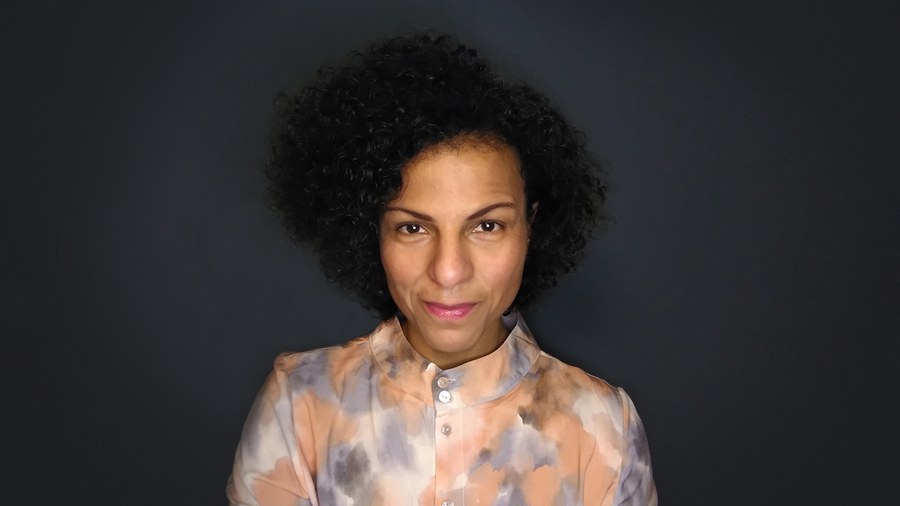
Bedrohte Körper – Videos von Polizeigewalt und Migration in den Sozialen Medien
Das Promotionsprojekt geht der Frage nach, inwieweit Kameratechniken, Bildbearbeitungswerkzeuge und der Netzwerkcharakter der Sozialen Medien die politische Bildkommunikation radikal verändert haben und stetig neue Bildästhetiken und -strategien hervorbringen. Mit einem Fokus auf visuelle Migrationspolitiken untersucht die Arbeit exemplarisch Bilder aus europäischen Grenzregionen, wie Melilla, die Ägäis oder die sogenannte Grüne Grenze. Ziel ist es entlang des visuellen Materials, die unterschiedlichen Perspektiven auf Migration und Grenze zu systematisieren und die operative Macht der verschiedenen, teils widersprüchlichen Bilder nachzuvollziehen.
Die Promotion wird im Rahmen des DFG geförderten Projekts "Bildproteste in den Sozialen Medien" verfasst.
Weitere Informationen zur Person sowie zum Promotionsvorhaben finden Sie auf der Webseite des DFG-Projekts.
Abgeschlossene Promotionsprojekte
Anja Degner
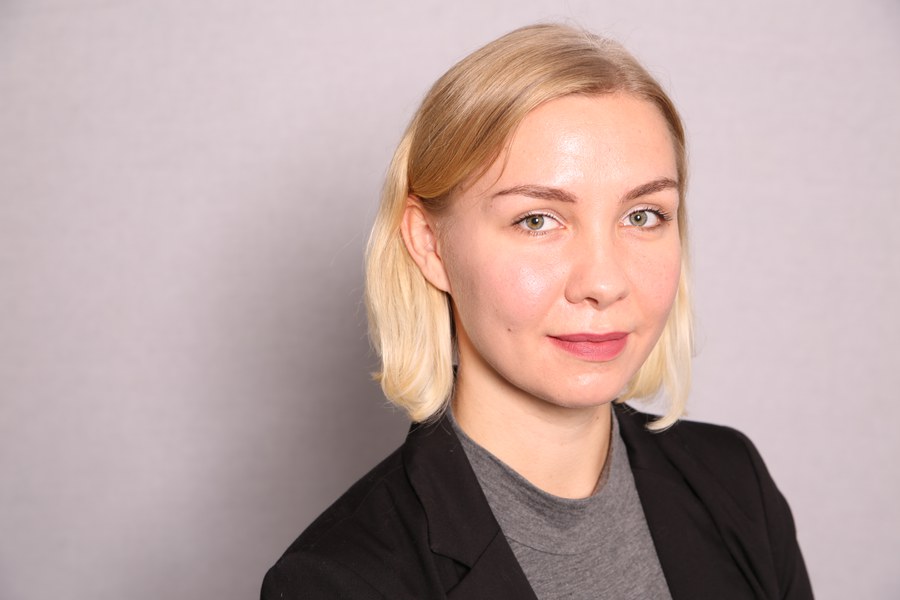
Die Frau als politisches Subjekt im Werk von Käthe Kollwitz
Das Promotionsprojekt erforschte die Schnittstellen zwischen der Künstlerin Käthe Kollwitz und der ersten deutschen Frauenbewegung und untersuchte, inwiefern die von gesellschaftlichen Umbrüchen geprägten sozialhistorischen Hintergründe auf das Werk der Künstlerin bezogen werden können. Im Zentrum der Arbeit standen insbesondere jene Kunstwerke, die weibliche Perspektiven in den Vordergrund rücken. Die Dissertation verband eine systematische Untersuchung von Kollwitz’ Darstellungen weiblicher Figuren mit der Kategorisierung und Analyse unterschiedlicher Bildstrategien der Künstlerin. Ziel war es, das eindimensionale Bild von Kollwitz als „Mutter der Nation“ aufzubrechen und zu revidieren, um sie und ihr Werk stärker in den frauenpolitischen und gesellschaftlichen Diskursen ihrer Zeit zu verankern. Dabei wurde Kollwitz als feministische Künstlerin und Akteurin geschlechterpolitischer Debatten ihrer Epoche herausgearbeitet, deren Engagement für die Rechte von Frauen ihr Leben auf mehreren Ebenen durchzog.
Das Promotionsprojekt wurde durch die Rosa-Luxemburg-Stiftung und die TU Dresden gefördert.
Die Dissertationsschrift wurde im September 2025 eingereicht und im Mai 2026 verteidigt (Gesamtprädikat: magna cum laude).
Michael Klipphahn-Karge

Anrufungen der Gegenwart: KI und Magie in der Kunst
Das Promotionsprojekt geht der These nach, dass eine Diskursverschränkung von Künstlicher Intelligenz (KI) und Magie in der Kunst der reflexiven Moderne nachweisbar ist. Dazu untersucht die Arbeit exemplarisch drei künstlerische Positionen des frühen 21. Jahrhunderts. Die Werke von Agnieszka Polska („The Demons Brain“, 2018), Jordan Wolfson („Female Figure“, 2014) und Hito Steyerl („This Is The Future“ und „Power Plants“, 2019) behandeln das Thema KI als Narrativ, künstlerische Strategie sowie als technisches Element und Material künstlerischer Arbeit, vermitteln gegenwärtige Technikdiskurse und machen sich dabei einen neuen, offeneren Magiebegriff zunutze.
Die Promotion erfolgte im Rahmen der ersten Projektphase des Forschungskollegs des Schaufler Lab@TU Dresden.
Die Dissertationsschrift wurde im Dezember 2023 eingereicht und im Mai 2024 verteidigt (Gesamtprädikat: summa cum laude).
Weitere Inforamtionen zur Person und zum Promotionsvorhaben finden Sie auf der Seite des Schaufler Lab.