
Apr 07, 2026
With Plasma Coating Towards Circular Metal-Plastic Hybrid Designs: The “KreisHybrid” Project Has Begun
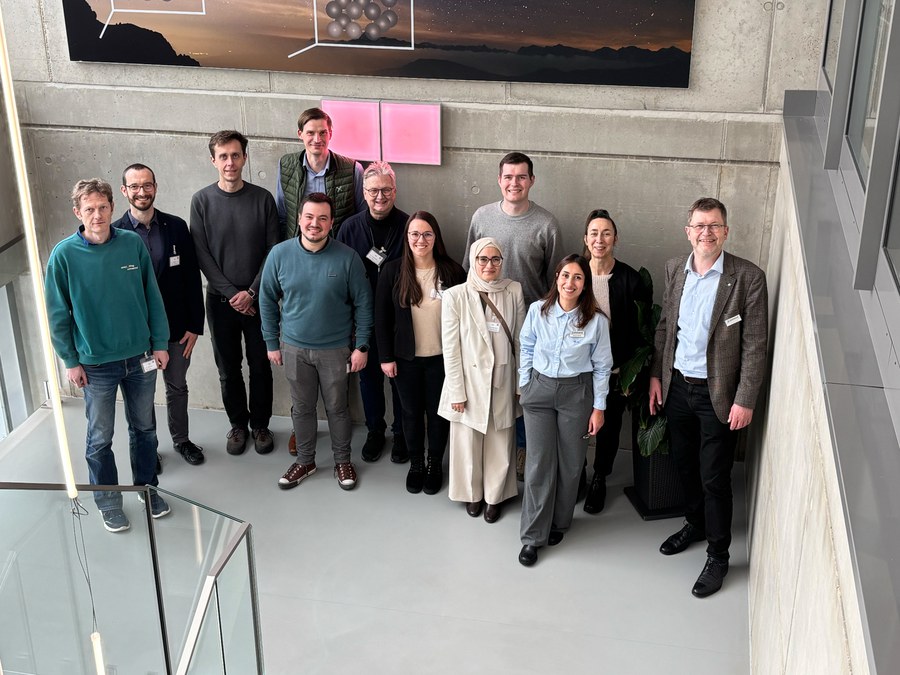
A multidisciplinary team of industrial partners – including the consortium leader Plasmatreat GmbH, ElringKlinger AG, AUMO GmbH , and COBES GmbH – is receiving support from two research institutes: the Leibniz Institute for Polymer Research Dresden (IPF) and the Institute of Lightweight Engineering and Polymer Technology (IILK) at TU Dresden. The project aims to make metal-plastic composites circular and marketable by exploring innovative plasma coating technologies.
Hybrid materials, particularly metal-plastic composites, are key technologies for functionally integrated lightweight structures across a wide range of industries. However, conventional bonding technologies face limitations in terms of load-bearing capacity, sealing, design flexibility, and recyclability. The “KreisHybrid” project addresses these challenges with innovative approaches. Its goal is to develop cohesive metal-plastic bonds through the use of atmospheric plasma coating. A special focus is placed on expanding the material spectrum, including combinations such as aluminum and polypropylene.
In addition to the development of new plasma coatings, the project places a strong emphasis on sustainability and digital transformation. A fully digital process chain ensures seamless data collection and analysis during production, while accompanying life cycle assessments evaluate the environmental impact of the new technologies. Key aspects of the circular economy are taken into account – from the use of pure recycled materials to repairability and the ability to disassemble components into pure fractions at the end of their life cycle. With this, “KreisHybrid” marks an important milestone for resource-efficient industrial manufacturing processes and the promotion of a circular economy.
The “KreisHybrid” research project is funded by the Federal Ministry for Research, Technology, and Space (BMFTR) and managed by Project Management Jülich (PtJ). The project officially began on November 1, 2025, and will run for a period of 36 months.