
Master's in Mechanical Engineering
Expected to begin in the 2027–28 winter semester.
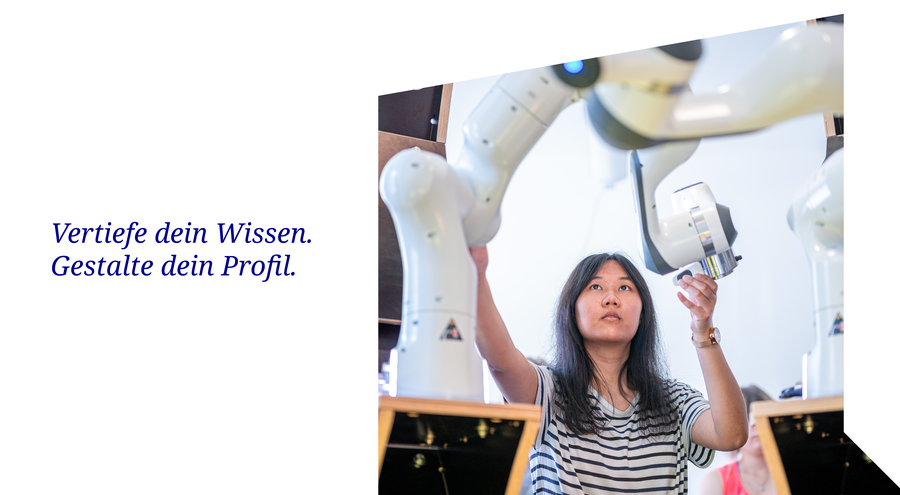
Develop technical systems for the future
Mechanical engineering is a core engineering discipline and the foundation of many technical developments in our modern world. Whether it’s energy, mobility, manufacturing, or everyday products—mechanical engineering is at the heart of the systems that shape our lives and enable industrial value creation. Against the backdrop of digitalization, automation, sustainability, and global change, mechanical engineering faces major challenges.
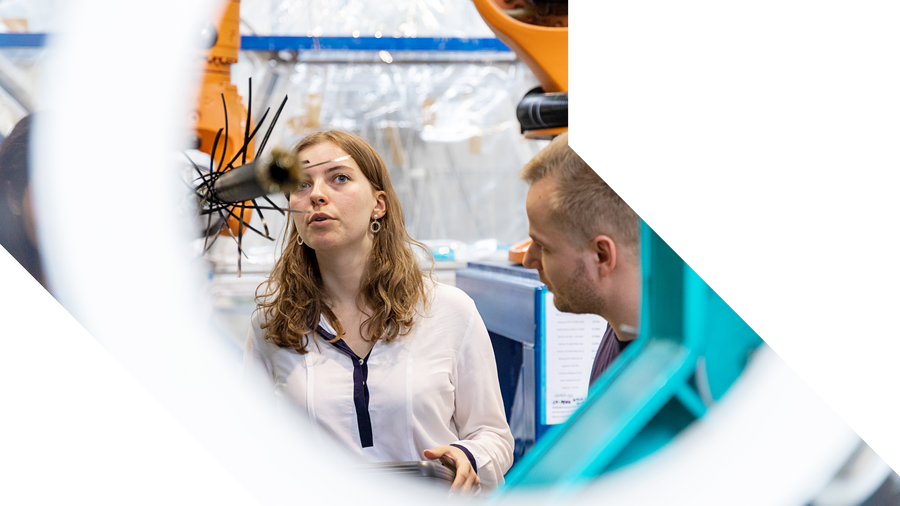
In this master’s program, you will deepen your knowledge of engineering and develop application-oriented skills in areas such as design, simulation, energy engineering, manufacturing, and mechatronic systems. You will learn to analyze, model, and further develop complex technical systems. In the process, you’ll also explore the interplay between various engineering disciplines and their interfaces with computer science, electrical engineering, Material Science, and economics. The goal is to understand technical systems in the context of technical, economic, and ecological requirements and to design them for the future.
What to Expect from the Program
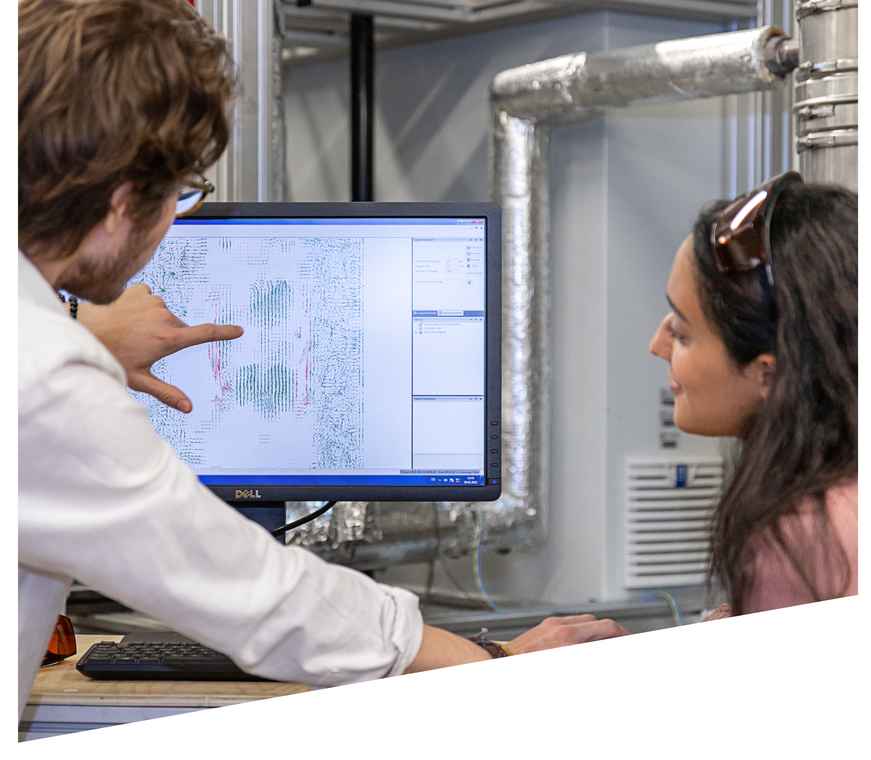
The master’s program deepens your existing knowledge through scientifically sound and application-oriented content. The focus is on modern methods of modeling, simulation, and design of technical systems, as well as current issues in design, energy engineering, materials behavior, production, and digitalization. At the same time, you’ll be introduced to project- and research-oriented work early on. As you progress through the program, you’ll tailor your course of study individually from a wide range of required-elective modules. Project- and research-oriented teaching formats complement the development of your individual academic profile. In the process, you will learn to independently tackle complex engineering problems, apply appropriate methods, and communicate results in a structured manner.
Individual Academic Profiles
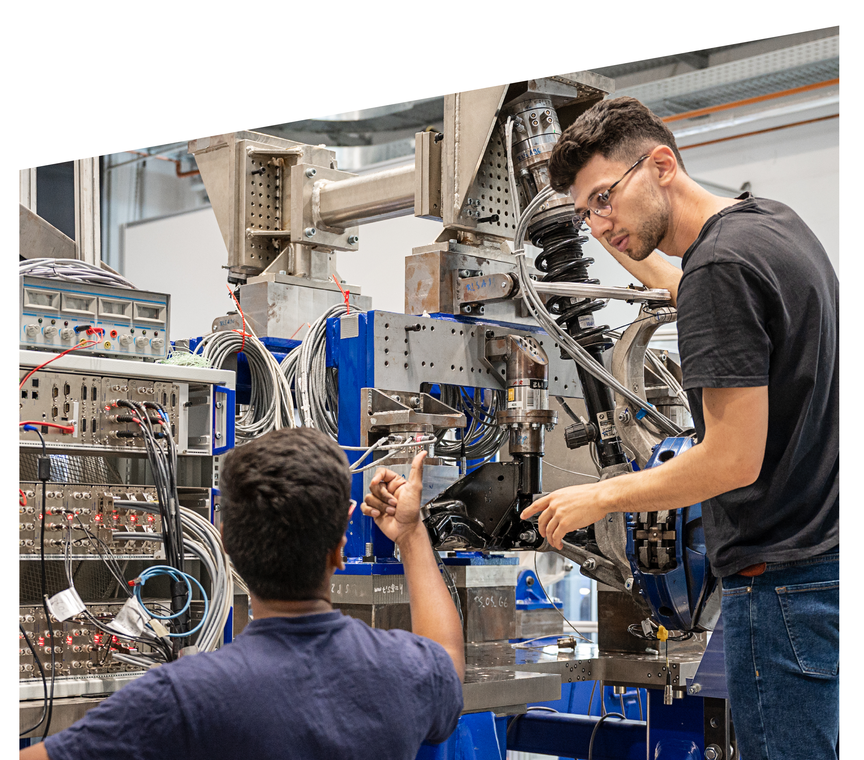
By selecting your elective modules, you can tailor your studies to your interests and set academic priorities. The modules can be individually combined. The following profile areas serve as a guide and suggestion for a meaningful combination of modules and the development of academic focus areas— however, fixed specializations are not prescribed.
Drive Technology and Mechatronic Machine Systems
You will explore the structure, design, and control of modern machines, as well as the interaction between mechanical, electrical, and IT components.
Computational Mechanics—Models, Data, Simulation
This area focuses on methods of modeling, numerical simulation, and data-driven analysis of technical systems.
Energy Engineering
You will study energy conversion, thermal processes, and energy-efficient and sustainable technical solutions.
Human Factors and Design in Sustainable Product Development
In this area, you’ll combine ergonomic, design, and user-centered aspects with engineering methods.
Lightweight Construction
The focus is on developing material- and resource-efficient components and structures for technical applications.
Mobility
This area focuses on technical solutions for modern, sustainable, and efficient mobility and transportation systems.
Resource-Efficient Production Technology, Logistics, and Packaging Systems
You will explore efficient production processes, logistics systems, and sustainable solutions across industrial value chains.
Overview of the Program Structure
Your Career Prospects
A master’s degree opens up a wide range of career paths in industry, research, and development. Thanks to the broad-based education and opportunity to develop your own professional profile, you’ll be qualified for roles in many technical sectors. Potential fields of work include:
- Development, design, and optimization of machines, components, and technical systems
- Work on new technologies, simulation, and the digitalization of technical systems
- Planning and improving production processes and resource-efficient systems
- Management of technical development projects and evaluation of complex systems
- Positions at universities and research institutions
The master’s degree qualifies you both for direct entry into demanding engineering positions and for an academic career, particularly a Ph.D.

Application
The Master’s program is scheduled to begin in the 2027–28 winter semester. All information regarding admission requirements, application deadlines, possible admission restrictions, and guidelines for international applicants will be published in the Student Information System (SINS) well in advance of the start of the program. Go to the Student Information System (SINS)
Applications are submitted online via the TU Dresden application portal:
Go to the online application
Contact
ServiceCenterStudium (general questions about studying)
℡ +49 351 463-42000
✉ scs@tu-dresden.de
🔗tud.de/scs
Academic Advising (subject-specific questions about the degree program)
✉ Studienberatung.mw@tu-dresden.de