
Master's in Materials Science and Engineering
Expected to begin in the 2027/2028 winter semester
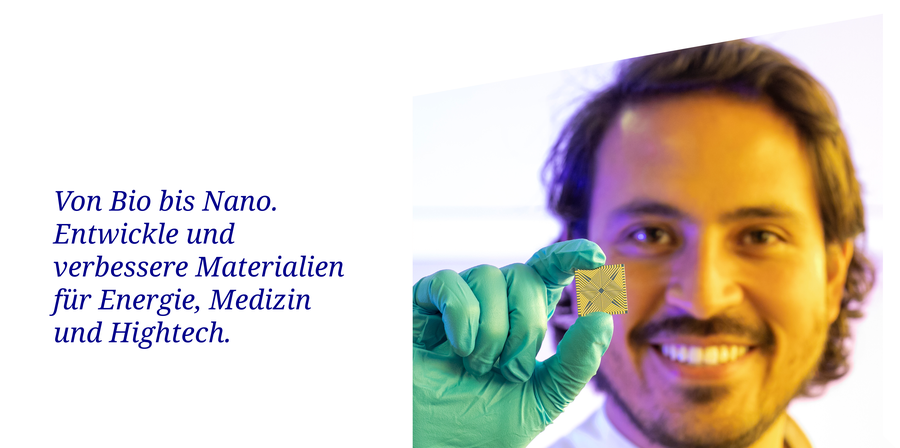
Develop materials for the technology of tomorrow
Materials form the foundation of technological developments—from components and machines to electronic components and applications in energy, mobility, and medicine. Materials science and engineering combines the study of materials with their development and technical application in a targeted manner.
In this master’s program, you’ll deepen your knowledge, ranging from materials synthesis and processing to mechanical engineering applications. You’ll explore different classes and systems of materials and learn to investigate, understand, and develop their properties in a targeted manner using scientific methods.
In doing so, you’ll combine knowledge from the natural sciences and engineering and explore current topics such as sustainable materials, biomimicry, materials for mobility and the energy transition, as well as digital methods. This will enable you to approach materials science questions holistically and develop scientifically sound material solutions for technical applications.
What to Expect from the Program
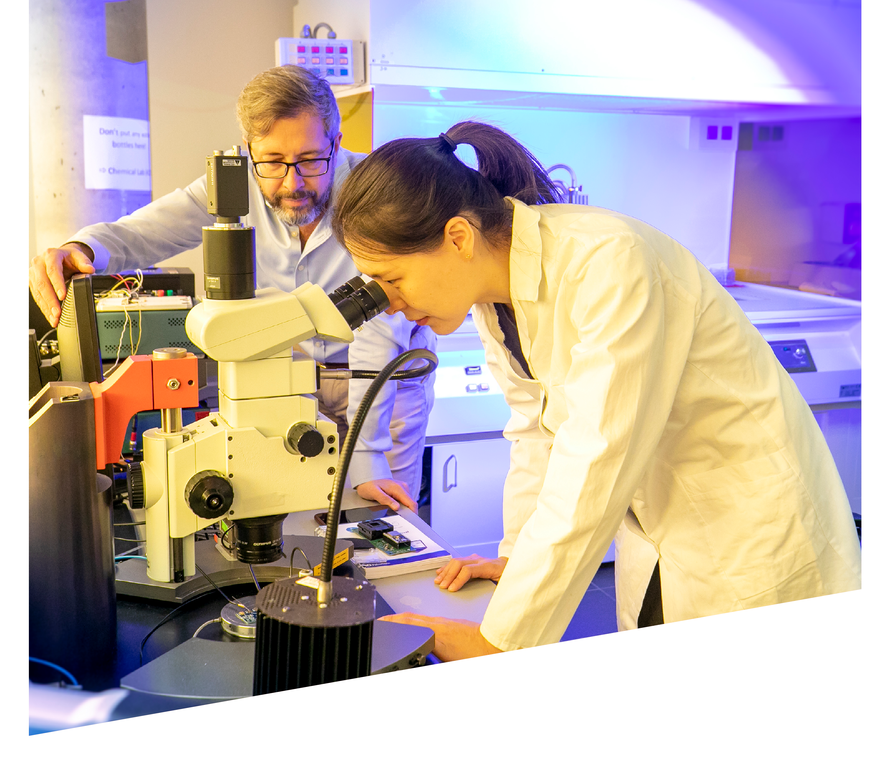
The four-semester Master’s program is research-oriented and combines in-depth knowledge of the natural sciences and engineering with an individualized focus within the field.
You will engage with current issues in materials science and engineering and deepen your knowledge of materials, their properties, and their technical applications. In the process, you will learn to analyze materials science problems using scientific methods, apply appropriate investigative and simulation techniques, and develop your own solutions based on them.
In addition to theoretical foundations, practical and project-oriented application plays an important role. Through laboratory labs and project-based activities, you’ll apply your knowledge, work in teams, and develop skills in self-organization and scientific work. Agile working methods such as SCRUM are also utilized.
As you progress through the program, you can tailor your studies to your individual interests and set your own academic focus areas. An interdisciplinary curriculum also allows you to broaden your profile with skills from related scientific fields as well as from the areas of languages, business, and the humanities.
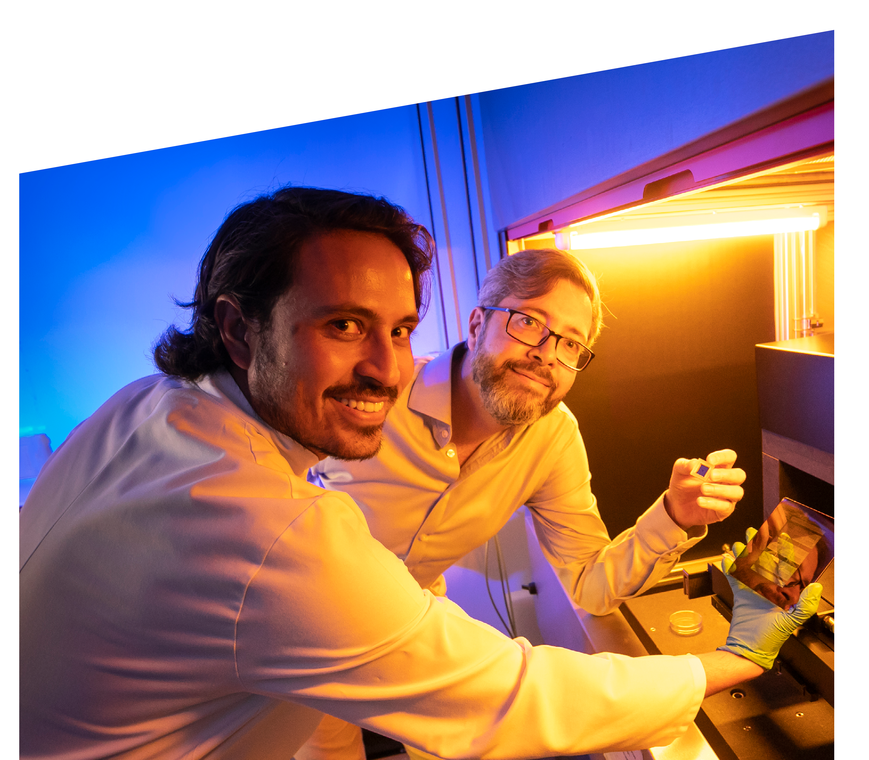
A special focus is placed on the research internship in the third semester. Here, you’ll work on a complex scientific project largely independently—from literature review and experimental design to the execution and evaluation of the study, and finally the presentation of your results. This prepares you in a targeted manner for your master’s thesis in the fourth semester.
Individual Academic Profiles
By selecting your elective modules, you can tailor your studies to your interests and combine different areas of materials science and engineering. In doing so, you can both deepen your foundational knowledge and acquire skills in a targeted manner for particular material classes and applications.
Fundamentals and Methods
Here, you’ll deepen your understanding of core competencies in materials science and engineering. This includes knowledge of material classes and material systems, solid-state physics, as well as methods and analyses specific to different materials. This area also offers you the opportunity to supplement and deepen your existing technical knowledge in a targeted manner.
Applied Material Science
In this required elective track, you can specialize your studies and explore different material classes and applications. The offerings range, for example, from materials for energy engineering and environmental technology, through medicine and electronics, to robotics, soft robotics, and mobility. In doing so, you can address current issues in materials development and, for instance, investigate how materials can be developed, optimized, and evaluated for new technical applications.
Interdisciplinary Qualifications
The interdisciplinary elective track expands your studies to include content from related fields of science. In addition, you can acquire skills in languages, business, and the humanities. This allows you to further develop your professional profile beyond the traditional boundaries of materials science and engineering.
Your Career Prospects
The master’s degree qualifies you for advanced engineering roles as well as positions in research and development. By combining materials science and engineering, you’ll be able to independently investigate current and future challenges in materials science and use scientific methods to develop targeted and sustainable materials solutions.
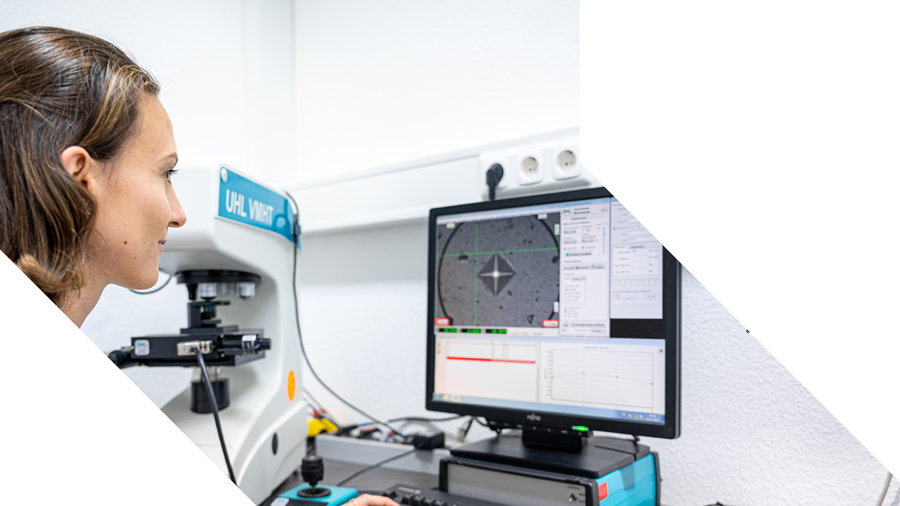
Possible career fields include, among others:
- Materials research and development
- Development and optimization of materials and material systems
- Material characterization and testing
- Failure analysis and quality assurance
- Development and evaluation of sustainable material solutions
- Research and Development in Technology-Oriented Companies
- Planning and evaluation of material systems from technical, economic, and environmental perspectives
- Academic work at universities and research institutions
Career opportunities are available in the semiconductor industry, the automotive industry, mechanical engineering, metal production, and energy technology, among others. In addition, positions in engineering firms, government agencies, and other institutions in the field of materials science and engineering are also possible.
This research-oriented degree program also provides a solid foundation for an academic career and a doctoral degree. Opportunities for further training in research and development are available, for example, at TU Dresden, the Dresden Materials Research Network, and other national and international research institutions.
Application
The master’s program is expected to begin in the winter semester of 2027/28. All information regarding admission requirements, application deadlines, potential admission restrictions, and guidelines for international applicants will be published in the Student Information System (SINS) well in advance of the program’s start. Go to the Student Information System (SINS)
Applications are submitted online via the TU Dresden application portal.
Go to the online application
Contact
ServiceCenterStudium (general questions about studying)
℡ +49 351 463-42000
✉ scs@tu-dresden.de
🔗tud.de/scs
Academic Advising (subject-specific questions about the degree program)
✉ Studienberatung.mw@tu-dresden.de
To the Study Information System (SINS):
https://tud.de/sins