
Aktuelles

Biobank Dresden beteiligt sich an bundesweitem Modellvorhaben zur Stärkung der Biobanken-Infrastruktur
Ein spannendes neues Projekt ist gestartet: Die Biobank-Plattform des Netzwerks Universitätsmedizin (BPD).
Sie vernetzt dezentrale Biobanken und ermöglicht durch einheitliche Qualitäts- und Datenschutzstandards einen einfachen und vertrauenswürdigen Zugang zu Gesundheitsdaten und Bioproben für die medizinische Forschung.
Die Biobank Dresden ist an der Biobank-Plattform im Netzwerk Universitätsmedizin (NUM) beteiligt und gestaltet deren Weiterentwicklung in mehreren zentralen Projekten aktiv mit.
Die Beteiligung aus Dresden erstreckt sich über mehrere zentrale Handlungsfelder: Im Bereich NUM-Preparedness der Biobanken, Langzeitprobenverwaltung und Gesamtkoordination übernimmt Dr. Heidi Altmann gemeinsam mit Dr. Gabriele Anton (Bielefeld) die Leitung. An der Integration der Biobank-Plattform in die NUM-Infrastrukturen und in den europäischen Forschungsraum (BPD IT) wirkt Dr. Brita Sedlmayr (MI-I Dresden) mit. Im Bereich Standardisierung, Qualifizierung und Nachhaltigkeit bringen Dr. Heidi Altmann und Katrin Zimmermann (MI-I Dresden) ihre Expertise ein. Darüber hinaus ist die Biobank Dresden am Aufbau eines intersektoralen Hub-Netzwerks zur regionalen Vernetzung von Biobanken beteiligt. Dieser Projektbereich wird von Prof. Dr. Alexandra Nieters (Freiburg) und Dr. Heidi Altmann (Dresden) geleitet; Dr. Katarina Vafia (BBD) unterstützt die Dresdner Beteiligung.
Die Förderung ermöglicht es, zusätzliche Projektmitarbeitende einzustellen und benötigte Laborausstattung zu finanzieren. Damit werden wichtige Voraussetzungen geschaffen, um die Biobank-Infrastruktur weiterzuentwickeln und die Zusammenarbeit zwischen Forschungseinrichtungen und weiteren Partnern zu stärken.
Wir freuen uns, an diesem deutschlandweiten Modellvorhaben mitzuwirken und gemeinsam die Zukunft der Biobanken-Infrastruktur sowie die medizinische Forschung nachhaltig mitzugestalten.
-----------------------------------------------------------------------------------------------------------------------------------
BioBank Dresden in der Sächsischen Zeitung
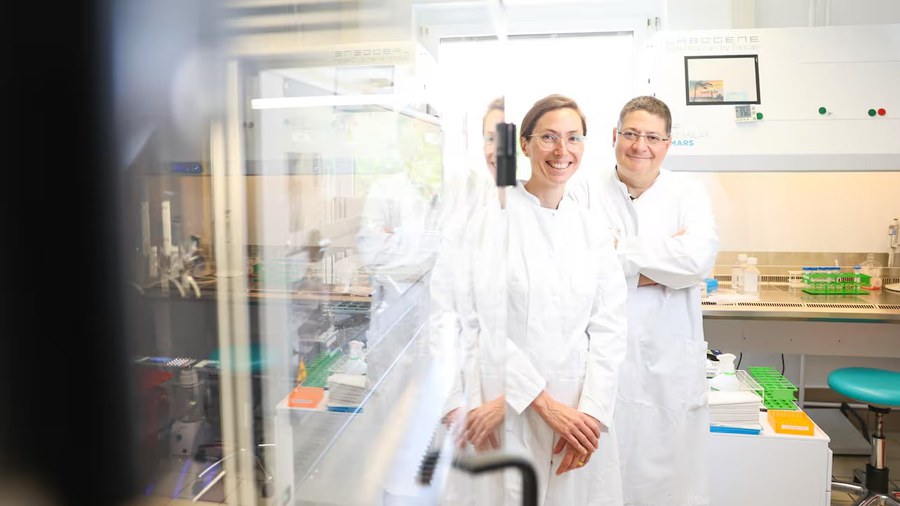
Die Sächsische Zeitung berichtet über die Erweiterung der BioBank Dresden: Künftig können – nach entsprechender Einwilligung – auch überschüssige Bioproben von Kindern und Jugendlichen für die Forschung gesammelt und langfristig gelagert werden. Damit schaffen wir eine wichtige Grundlage, um insbesondere seltene Erkrankungen sowie Infektions- und Immunerkrankungen künftig noch besser erforschen zu können.
Der Beitrag beleuchtet zudem die hohen Qualitäts- und Sicherheitsstandards der BioBank sowie die Bedeutung der standortübergreifenden Zusammenarbeit. Durch standardisierte Bioproben und die Vernetzung mit nationalen und internationalen Forschungspartnern leisten wir einen wichtigen Beitrag dazu, neue Erkenntnisse für die Diagnostik und Therapie von Erkrankungen bei Kindern und Jugendlichen zu gewinnen.
Den vollständigen Artikel der Sächsischen Zeitung finden Sie hier
----------------------------------------------------------------------------------------------------------------------------
Kick-off meeting zum Aufbau einer Biobank Plattform
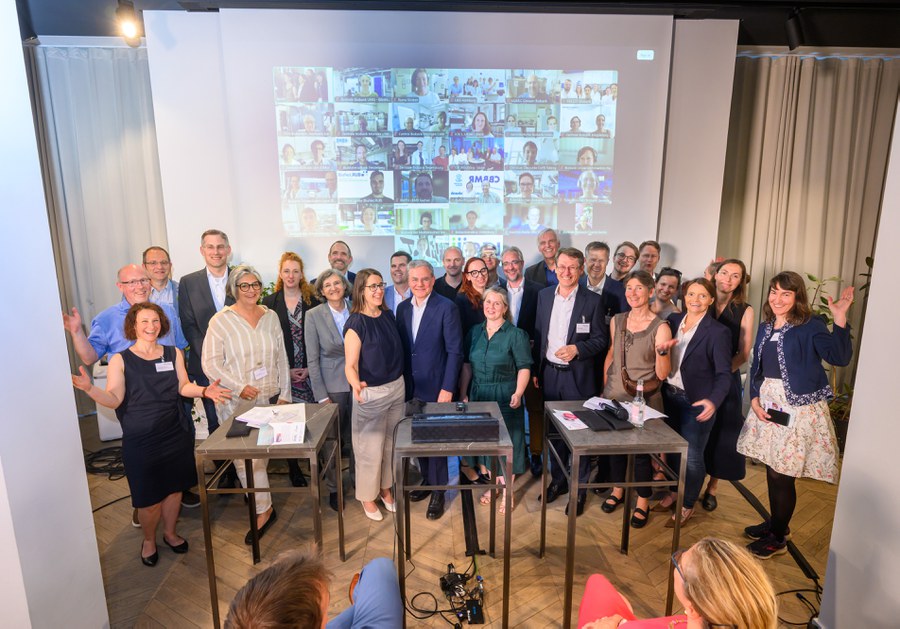
Die BioBank Dresden beteiligt sich am Aufbau der neuen „Biobank-Plattform für Deutschland“. Gemeinsam mit 37 weiteren universitären Biobanken entsteht eine bundesweite Forschungsinfrastruktur, die den Zugang zu Bioproben und medizinischen Daten erleichtert und so die Entwicklung innovativer Diagnose- und Therapieansätze unterstützt. Hier erfahren Sie ausführlich dazu.
----------------------------------------------------------------------------------------------------------------------------------
Internationale Delegation zu Gast bei der BioBank Dresden
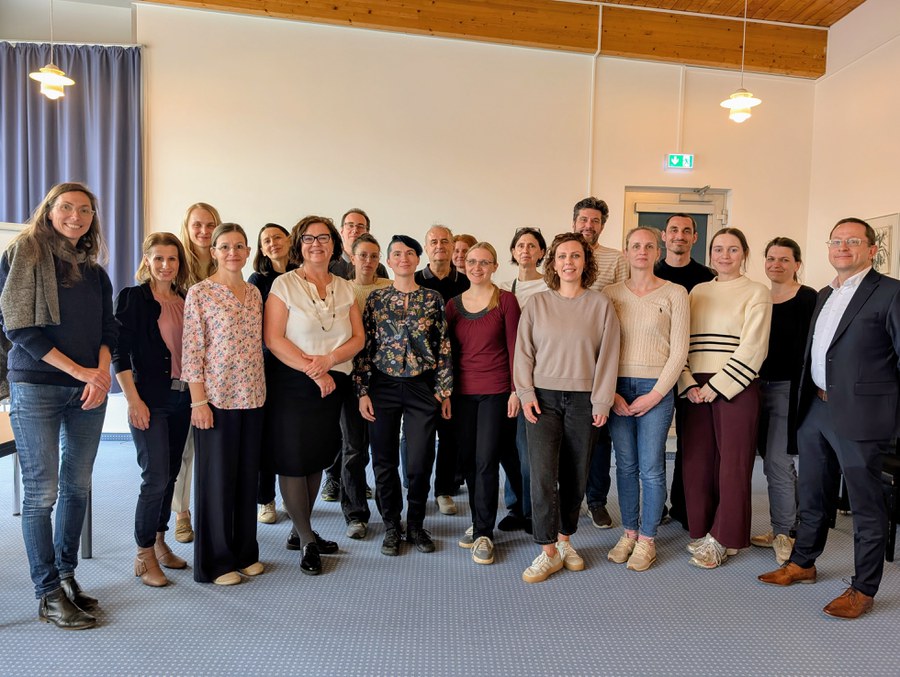
Am 14. April 2026 begrüßten wir eine hochrangige internationale Delegation aus der Slowakei und Tschechien. Die Besuchergruppe setzte sich aus Vertreterinnen und Vertretern von insgesamt sieben akademischen Standorten zusammen, darunter Universitätskliniken, medizinische Fakultäten sowie das nationale Krebsinstitut.
Ergänzt wurde die Delegation durch industrielle Partner aus dem Biobankensektor. Bereits zuvor hatte die Gruppe Station in Prag gemacht, im Anschluss führte die Reise weiter nach Heidelberg, unter anderem zum NCT-Liquid sowie zum DKFZ Repository.
Während ihres Aufenthalts in Dresden erhielten unsere Gäste umfassende Einblicke in die Strukturen und Arbeitsweisen der BioBank Dresden. Neben den jeweiligen Biobankleitungen nahmen auch zahlreiche Mitarbeitende aus verschiedenen Bereichen teil, was einen intensiven fachlichen Austausch ermöglichte. Ziel des Besuchs war es unter anderem, Inspiration für den weiteren Aufbau und Betrieb professioneller Biobanken in der Slowakei und Tschechien zu gewinnen. Zwar existieren in beiden Ländern bereits Biobanken, jedoch sind viele Prozesse bislang noch stark manuell geprägt und bieten Potenzial für weitergehende Automatisierung.
Ein besonderer Fokus lag auf der Besichtigung der technischen Infrastruktur der BioBank Dresden. Im Rahmen einer ausführlichen Führung durch die Labor- und Lagerbereiche wurden die bestehenden Automationslösungen detailliert vorgestellt und deren Einbindung in die täglichen Arbeitsabläufe erläutert. Unsere Gäste zeigten dabei großes Interesse an den eingesetzten Technologien, insbesondere an Systemen zur Zellisolation, modernen Pipettierrobotern sowie automatisierten Kryotanks für die Langzeitlagerung von Proben.
Neben der reinen Vorstellung der Geräte standen vor allem deren praktische Anwendung, die zugrunde liegenden Prozessketten sowie Aspekte der Standardisierung und Qualitätssicherung im Mittelpunkt. Dabei zeigte sich, welchen wesentlichen Beitrag automatisierte Systeme zur Effizienzsteigerung, Fehlerreduktion und Skalierbarkeit im Biobankbetrieb leisten können. Die gezeigten Lösungen verdeutlichten anschaulich, wie durch den gezielten Einsatz moderner Technologien ein hohes Maß an Prozesssicherheit, Nachverfolgbarkeit und Probenqualität gewährleistet werden kann.
Darüber hinaus entwickelten sich rege Diskussionen zu einer Vielzahl zentraler Themen des Biobankbetriebs. Im Mittelpunkt standen dabei unter anderem das Probenspektrum, Strategien zur Rekrutierung von Kontrollproben, IT- und Datenbanklösungen, Fragen des Broad Consent und der Ethik, die Verknüpfung von Bioproben mit klinischen und Analysedaten sowie unterschiedliche Finanzierungsmodelle. Auch Aspekte wie Personalstrukturen, Akkreditierung und Qualitätsmanagement wurden intensiv beleuchtet.
Ein weiterer wichtiger Punkt des Austauschs war die Rolle des deutschen Biobankennetzwerks (GBN) sowie mögliche Kooperationsoptionen auf europäischer Ebene. Die Gespräche unterstrichen das große Interesse an einer engeren internationalen Vernetzung und Zusammenarbeit. Perspektivisch ist ein weiterer Austausch, insbesondere auch mit dem GBN, bereits angedacht.
Wir bedanken uns herzlich für den Besuch und dem offenen, konstruktiven Dialog. Solche internationalen Begegnungen leisten einen wichtigen Beitrag zur Weiterentwicklung von Biobanken und zur Stärkung gemeinsamer Forschungsinfrastrukturen in Europa.
-------------------------------------------------------------------------------------------------------------------------------------
BioBank Dresden stärkt Forschung zu Long-COVID bei Kindern
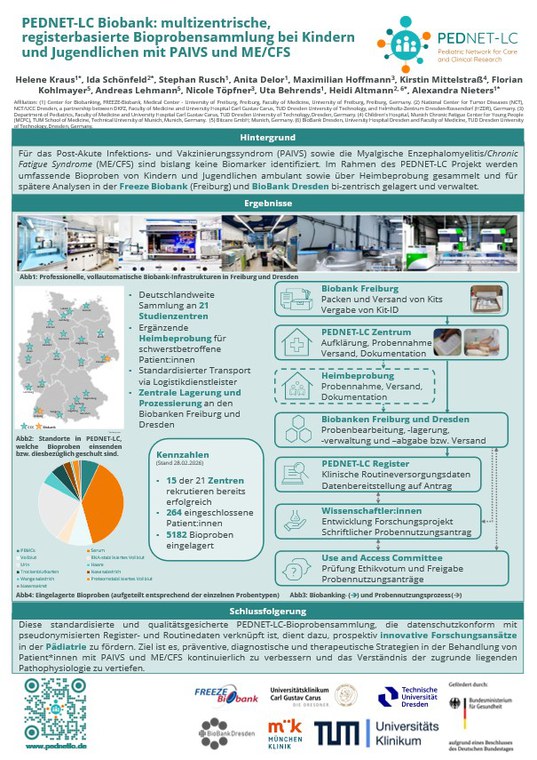
Am 13. März 2026 besuchte die Bundesgesundheitsministerin Nina Warken, die sächsische Staatsministerin für Soziales, Gesundheit und gesellschaftlichen Zusammenhalt Petra Köpping und weitere Vertreter aus der Politik das Universitätsklinikum Carl Gustav Carus Dresden, um einen Einblick in des PEDNET-LC-Projekt zu erhalten. Das bundesweite Netzwerk vereint 65 Kliniken und Forschungseinrichtungen und verfolgt das Ziel, die Diagnostik und Behandlung von Kindern und Jugendlichen mit Long-COVID und ähnlichen postinfektiösen Erkrankungen nachhaltig zu verbessern und eine umfassende Versorgung aufzubauen und sicherzustellen. Im Mittelpunkt stehen 20 spezialisierte Versorgungszentren, die seit 2025 interdisziplinär zusammenarbeiten – darunter auch die Klinik für Kinder- und Jugendmedizin in Dresden. Koordiniert wird das Netzwerk von Uta Behrends (München) und Nicole Töpfner (Dresden). Das Bundesgesundheitsministerium fördert PEDNET-LC über einen Zeitraum von vier Jahren mit insgesamt 41 Millionen Euro.
Wir als BioBank Dresden freuen uns Teil des Verbundprojektes zu sein und im Rahmen eines Arbeitspaketes zusammen mit der Freeze Biobank in Freiburg das Biobanking für das Netzwerk zu übernehmen. Gemeinsam koordinieren wir die Bereitstellung von Kits zur Probennahme, die Probennahme und Versand, die Aufarbeitung, die Lagerung und die langfristige Verwaltung der pädiatrischer Bioproben. Die Bioproben umfassen ein breites Panel an But-, Urin-, Haar, Abstrich und/oder Stuhlproben. Bis dato wurden knapp 5200 Bioproben von 264 Patienten eingesendet, Ziel im Förderzeitrum ist es den Bestand auf 40.000 Bioproben von 2000 Patienten zu erweitern. Ziel ist es, präventive, diagnostische und therapeutische Strategien in der Behandlung von Patient*innen mit PAIVS (Post-Akute Infektions- und Vakzinierungssyndrom) und ME/CFS (Myalgische Enzephalomyelitis/Chronic Fatigue Syndrome) kontinuierlich zu verbessern und das Verständnis der zugrunde liegenden Pathophysiologie zu vertiefen. Unsere etablierte Infrastruktur, welche wir anhand eines Posters erläutern konnten, überzeugte die Ministerinnen.
-------------------------------------------------------------------------------------------------------------------------------------
Neuer Animationsfilm erklärt Biobanking für Kinder und Familien
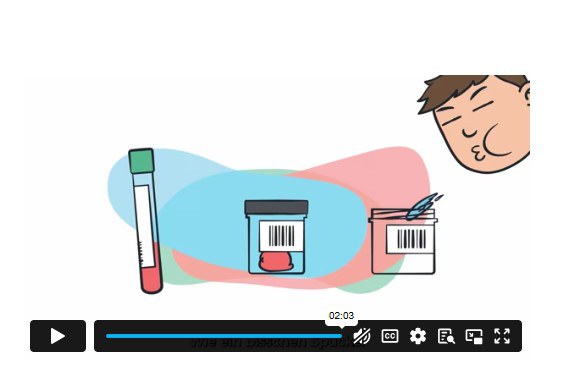
Das German Biobank Network (GBN) hat gemeinsam mit dem Universitätsklinikum Carl Gustav Carus der TU Dresden und dem DZKJ Leipzig/Dresden einen animierten Informationsfilm zum Thema Biobanking für Kinder und ihre Sorgeberechtigten veröffentlicht.
Im Video wird verständlich und kindgerecht erklärt, warum Bioproben für die Forschung wichtig sind, wie sie verwendet werden und wie der Schutz persönlicher Daten gewährleistet wird. Er unterstützt Familien dabei, eine informierte und freiwillige Entscheidung zu treffen.
Auch wenn kein direkter persönlicher Nutzen entsteht, leisten Spender:innen einen wertvollen Beitrag für die medizinische Forschung und zukünftige Patient:innen.
Der Film steht ab sofort für die Öffentlichkeitsarbeit und zur Unterstützung von Aufklärungsgesprächen zur Verfügung.
-----------------------------------------------------------------------------------------------------------------------------
10 Jahre NCT/UCC
Das NCT/UCC Dresden blickt auf zehn Jahre Spitzenforschung zurück, in denen moderne Krebsmedizin, innovative Technologien und patientennahe Versorgung eng miteinander verzahnt wurden. Anlässlich des Jubiläums am 15.12. besuchten Ministerpräsident Michael Kretschmer sowie zahlreiche Vertreterinnen und Vertreter aus Politik, Wissenschaft und den beteiligten Partnerinstitutionen den Standort und würdigten seine herausragende Rolle als Leuchtturm der Krebsmedizin. Der Besuch unterstrich die nationale Bedeutung des Zentrums und den Erfolg des Dresdner Modells, Forschungsergebnisse schnell und wirksam in die Versorgung von Patientinnen und Patienten zu überführen.
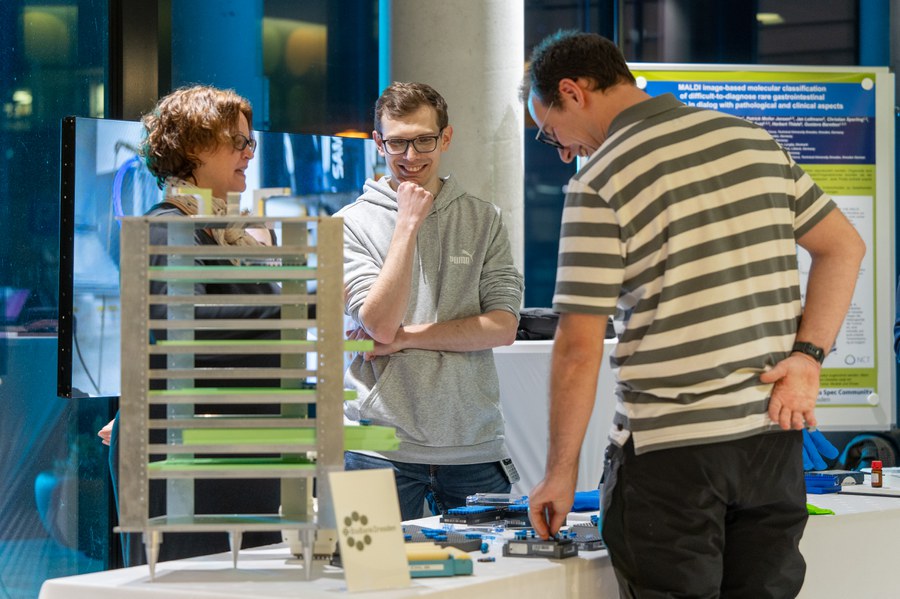
Auch die BioBank Dresden war mit einem eigenen Informationsstand vertreten und stieß auf großes Interesse bei den zahlreichen Besucher*innen der Jubiläumsveranstaltung. In vielen intensiven und anregenden Gesprächen – unter anderem mit dem Ministerpräsident, Vertreterinnen und Vertretern der Patientenvertretung, Mitarbeitenden des BMFTR, Juristinnen und Juristen sowie Forschenden und Ärztinnen und Ärzten – wurde die zentrale Rolle der Biobanken für innovative, patientenorientierte Krebsforschung deutlich. Der lebhafte Austausch zeigte eindrucksvoll wie wichtig der enge Dialog zwischen Forschung, Klinik, Politik und Gesellschaft ist, um die Voraussetzungen für zukünftige Fortschritte in der personalisierten Medizin weiter zu stärken.
----------------------------------------------------------------------------------------------------------------------------------
Besuch von Lifelines Biobank und LvL am 13. Oktober
Am 13. Oktober hatten wir Besuch von unseren Partnern der Lifelines Biobank (NL) und LvL.
Mit dabei waren Hilde Laeremans und Rick Nijboer (Lifelines Biobank) sowie Waldemar Janzen und Nick Wolter (LvL).
Gemeinsam haben wir uns die BBD genauer angesehen – vor allem unsere Scannertechnologie und die integrierten Scannerlösungen in der PBMC-Anlage standen im Fokus. In spannenden Gesprächen ging es um Troubleshooting, Robotiksysteme und den Austausch von Erfahrungen und Lösungsansätzen. Unsere Gäste hatten einige technische Herausforderungen im Gepäck, zu denen wir unsere Ideen und Herangehensweisen teilen konnten.
Zum Abschluss gab es noch eine gemütliche Abendveranstaltung – ein schöner Ausklang nach einem Tag voller spannender Eindrücke und Gespräche.
Wir sagen danke für den Besuch und freuen uns auf das nächste Treffen!
----------------------------------------------------------------------------------------------------------------------------------
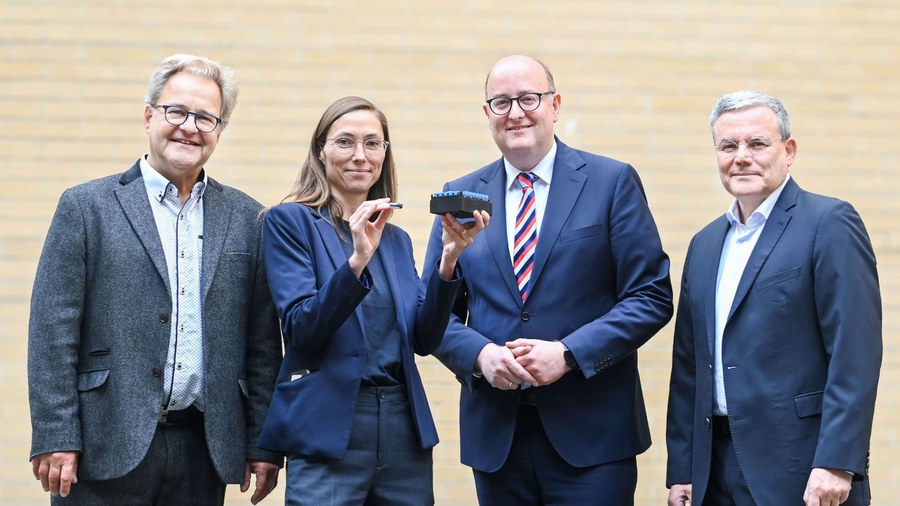
BioBank Dresden beim 13. Nationalen Biobanken-Symposium: Weichenstellung für eine Nationale Biobank
Vom 22. bis 23. September 2025 trafen sich mehr als 200 Expertinnen und Experten auf dem 13. Nationalen Biobanken-Symposium, um über die Zukunft des Biobanking in Deutschland zu diskutieren. Im Mittelpunkt stand das Konzept für eine im Koalitionsvertrag vorgesehene Nationale Biobank, die als zentrale digitale Plattform viele Millionen Gewebe- und Flüssigproben sowie Daten für die medizinische Forschung bereitstellen soll.
Als Teil des Netzwerks Universitätsmedizin (NUM) unterstützt die BioBank Dresden dieses wegweisende Vorhaben, das von einem breiten Bündnis aus akademischer Forschung und Industrie gemeinsam entwickelt wurde. Ziel ist es, den Zugang zu qualitätsgesicherten Proben dauerhaft zu sichern und die Verknüpfung von Bioproben mit Gesundheitsdaten weiter zu verbessern – insbesondere im Zuge der Digitalisierung und mit Blick auf den Europäischen Gesundheitsdatenraum.
Wir sehen in der Nationalen Biobank eine große Chance, den Forschungsstandort Deutschland zu stärken und die biomedizinische Forschung auf ein neues Level zu heben.
Mehr Informationen finden Sie hier.
---------------------------------------------------------------------------------------------------------------------------------
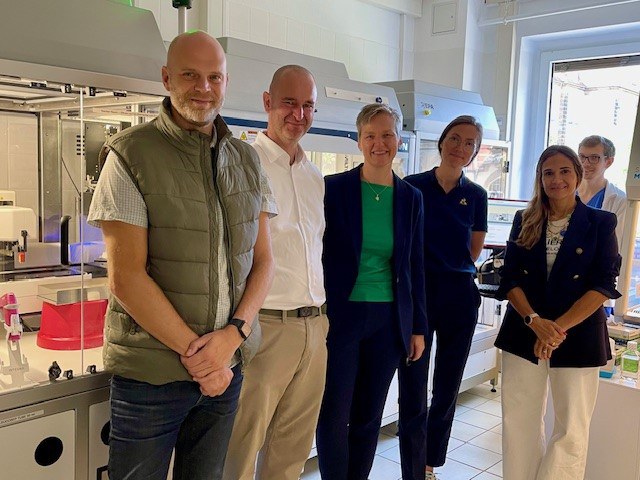
Besuch aus Schweden: Teresa Mortera Blanco zu Gast bei der Biobank Dresden
Wir freuen uns, dass wir kürzlich Dr. Teresa Mortera Blanco von der renommierten Karolinska Universität in Stockholm bei uns in der Biobank Dresden begrüßen durften. Dr. Mortera Blanco leitet die Forschungsabteilung der MDS-Arbeitsgruppe von Prof. Eva Hellström-Lindberg – einer der international führenden Expertinnen für myelodysplastische Syndrome (MDS) und Mitglied im Nobelpreisvergabekomitee für Medizin. Zudem ist sie verantwortlich für die hämatologische Biobank des Karolinska Instituts, die in den letzten Monaten international in den Fokus rückte, nachdem eine technische Havarie eine umfassende Neustrukturierung notwendig machte.
In einem spannenden Vortrag stellte Dr. Mortera Blanco das zukünftige Konzept der neu aufzubauenden Biobank vor, das insbesondere Maßnahmen zur Absicherung und Vermeidung technischer Ausfälle beinhaltet. Auf der Suche nach innovativen Lösungen stieß sie auf unsere Publikation zur automatisierten PBMC-Verarbeitung mithilfe von Robotik – ein Schwerpunkt unserer Arbeit an der Biobank Dresden. Die vorgestellten Technologien weckten großes Interesse, und so entstand der Wunsch, sich vor Ort ein Bild von unserer Infrastruktur und den Abläufen zu machen.
Begleitet wurde Dr. Mortera Blanco von Vertreter:innen der Firma Hamilton, die bei der Besichtigung technische Einblicke und Details zu unseren Automatisierungslösungen teilten. Es entwickelte sich ein inspirierender Austausch über gemeinsame Herausforderungen, Lösungsansätze und mögliche künftige Kooperationsformen zwischen den Standorten Dresden und Stockholm.
Wir blicken auf einen erkenntnisreichen Tag mit wertvollem wissenschaftlichem Dialog zurück und freuen uns auf den weiteren Austausch mit Dr. Mortera Blanco und dem Team am Karolinska Institut.
---------------------------------------------------------------------------------------------------------------------------------
Unser enger Kooperationspartner GBN präsentiert sich mit neuem Namen und Logo.
Alles wichtige dazu hier
Kickoff von PEDNET-LC
Zusammen mit der Freeze Biobank koordinieren wir das Bioanking in Pednet-LC Netzwerk. Bioproben werden entsprechend geordneter Zentrumszuordnungen entweder in Freiburg oder Dresden nach gemeinsamen Standards aufgearbeitet und gelagert. Dabei werden sie mit LC-Registerdaten verknüpft und der Pednet-LC Forschung zur Verfügung gestellt.
Es ist uns eine große Freude und Ehre, als BioBank Dresden Teil dieses bedeutenden Projekts zu sein. Die Förderung bietet eine einmalige Gelegenheit, gemeinsam mit Partnern aus ganz Deutschland an der Verbesserung der Versorgung und Forschung zu Long COVID und ähnlichen Erkrankungen bei Kindern und Jugendlichen zu arbeiten. Wir sind stolz darauf, unseren Beitrag zur Entwicklung von maßgeschneiderten, nachhaltigen Lösungen für betroffene junge Menschen zu leisten und die wissenschaftliche Zusammenarbeit in diesem wichtigen Bereich voranzutreiben.
---------------------------------------------------------------------------------------------------------------------------------
German Biobank Node wird Teil des Netzwerks Universitätsmedizin – auch wir als BioBank Dresden sind dabei
Der German Biobank Node (GBN), der seit Jahren die Vernetzung und Standardisierung von Biobanken in Deutschland vorantreibt, wird zum 1. Juli 2025 in das Netzwerk Universitätsmedizin (NUM) integriert. Damit wird die Zusammenarbeit zwischen Biobanken und universitärer Forschung weiter gestärkt. Künftig firmiert der GBN unter dem neuen Namen German Biobank Network, in dem auch die German Biobank Alliance (GBA) aufgeht.
Als Teil der GBA und Mitglied des GBN ist auch die BioBank Dresden direkt von dieser Entwicklung betroffen. Zudem sind wir derzeit aktiv an der NUM-Studie NAPKON NUKLEUS beteiligt, was unsere enge Anbindung an die universitätsmedizinische Forschungslandschaft zusätzlich unterstreicht.
Mit der Integration in das NUM entstehen neue Möglichkeiten der Zusammenarbeit – etwa durch eine noch engere Verzahnung mit den Datenintegrationszentren – und der Zugang zu qualitätsgesicherten Bioproben und zugehörigen Daten wird für Forschende deutschlandweit vereinfacht. Dies ist ein wichtiger Schritt hin zu nachhaltigen und zukunftsorientierten Strukturen in der biomedizinischen Forschung.
Wir freuen uns, diesen Weg gemeinsam mit unseren Partnern im German Biobank Network und dem NUM zu gehen.
Die komplette Pressemitteilung findet sich hier.
----------------------------------------------------------------------------------------------------------------------------------
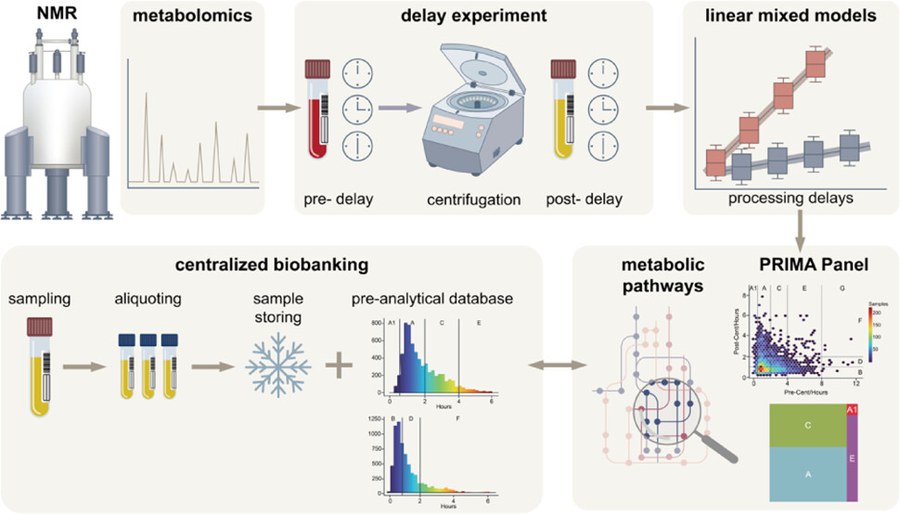
Spannende Neuigkeiten aus der BioBank Dresden (BBD): Unsere erste eigene Publikation ist erschienen!
In der Studie mit dem Titel "Validating Centralized Biobanking Workflows for NMR Metabolomics Using the PRIMA Panel" validieren unsere Forscher*innen zentrale Biobanking-Arbeitsabläufe für die NMR-Metabolomik unter Verwendung des PRIMA-Panels. Diese Arbeit stellt einen bedeutenden Fortschritt in der Standardisierung und Qualitätssicherung von Biobanking-Prozessen dar und unterstreicht das Engagement der BBD für exzellente Forschung. Die vollständige Studie finden Sie hier.
----------------------------------------------------------------------------------------------------------------------------------

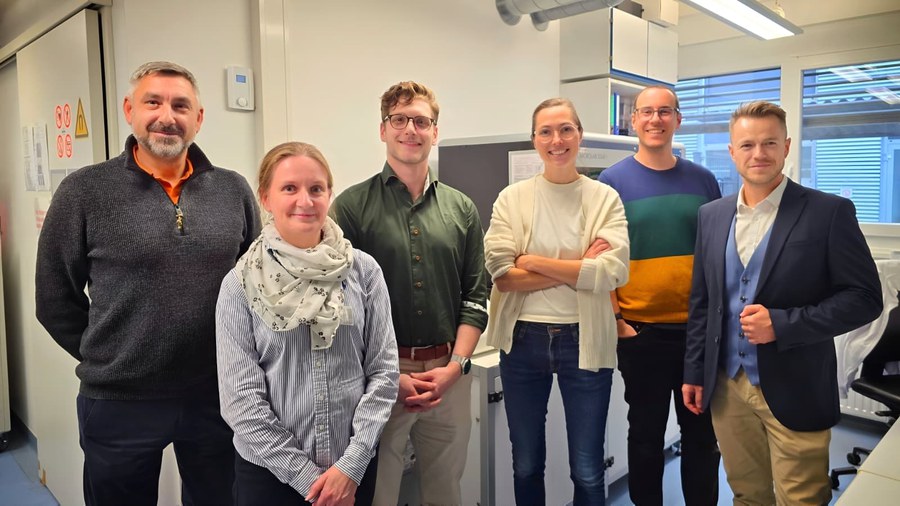
Wir freuen uns, über das erfolgreiche 3. Treffen unseres Scientific Advisory Boards (SAB) zu berichten, welches seit 2019 regelmäßig stattfindet. Im Mittelpunkt stand dieses Mal der Austausch mit Herrn Dr. med. Dr.rer.nat. Michael Kiehntopf (3. von links) , Direktor des Instituts für Klinische Chemie und Laboratoriumsmedizin in Jena und der integrierten Biobank. Sein Konzept weist viele Parallelen zu unserem Ansatz auf, was zu einem inspirierenden und erkenntnisreichen Dialog führte. Herr Kiehntopf ist ein führender Experte im Qualitätsmanagement von Bioproben, mit zahlreichen Publikationen und aktiver Mitgliedschaft in internationalen Gremien und Biobank-Konsortien wie ESBB und BBMRI.
Zusätzlich bereicherten Prof. Dr. Thomas Illig (5. von links), Leiter der HUB Hannover und zentraler Akteur in Netzwerken wie NUM, sowie Prof. Dr. Roland Jahns (4. von links), Leiter des IDBW Würzburg und Vorsitzender der Ethikkommission Würzburg, die Diskussionen mit ihrem umfangreichen Wissen und ihrer Erfahrung.
Der Austausch war geprägt von konstruktiven Verbesserungsvorschlägen und inspirierenden Perspektiven, die unser Konzept weiter stärken und vorantreiben.
Wir bedanken uns bei allen Teilnehmenden für ihr Engagement und freuen uns auf die nächsten Schritte!
----------------------------------------------------------------------------------------------------------------------------------
Im sechsten Video mit dem Titel „Akkreditierung im Fokus – Qualitätsmanagement in Biobanken“ diskutieren Dr. Heidi Altmann, PD Dr. Dr. Michael Kiehntopf und Prof. Dr. Thomas Illig das Qualitätsprogramm des GBN, insbesondere die „Friendly Audits“ und die Ringversuche. Michael Kiehntopf betont zu Beginn: „Unser Ziel ist es, dass alle Proben im Netzwerk eine konsistente und standardisierte Qualität aufweisen.“ Heidi Altmann erläutert die Rolle der Friendly Audits, die den Biobanken der German Biobank Alliance (GBA) bei der Akkreditierung nach DIN EN ISO 20387 helfen: „Die Auditoren unterstützen unser Qualitätsmanagement auf sehr konstruktive Weise.“ Thomas Illig, Leiter der kürzlich akkreditierten Hannover Unified Biobank (HUB), fasst zusammen: „Ohne GBN hätten wir das nicht geschafft."
----------------------------------------------------------------------------------------------------------------------------------

Der German Biobank Node (GBN), BBMRI.at und die Swiss Biobanking Platform (SBP), alle drei „National Nodes“ der europäischen Biobanken-Organisation BBMRI-ERIC, haben gemeinsam einen neuen Film veröffentlicht. Dieser beleuchtet die bedeutende Rolle professioneller Biobanken für die Forschung und die Förderung neuer Entdeckungen in der Medizin.
Mit dem Slogan „Professional biobanks can make your life easier“ richtet sich der zweiminütige Animationsfilm an Forscher*innen und fordert sie auf, mit professionellen Biobanken zusammenzuarbeiten. Die Biobanken in den Netzwerken von GBN, BBMRI.at und SBP bieten umfassende Beratung und Unterstützung, arbeiten nach internationalen Standards, um eine hohe Probenqualität zu gewährleisten, halten sich an strenge Sicherheitsprotokolle und sind dem langfristigen Forschungserfolg verpflichtet.
Der entstandene Film dient nicht nur der Informationsvermittlung, sondern ist auch Ausdruck einer intensiven Kooperation zwischen den „National Nodes“ – ganz im Sinne des Gründungsgedankens von BBMRI-ERIC. Ebenso kann, wie der Film zeigt, die Zusammenarbeit von Forscher*innen und Biobanken die Forschung beschleunigen und den Weg in eine gesündere Zukunft ebnen.
----------------------------------------------------------------------------------------------------------------------------------

Wechsel in der Leitung der CCP-Bio: Dr. Heidi Altmann und Dr. Katja Steiger übernehmen
Im zweiten Quartal 2024 hat ein bedeutender Führungswechsel innerhalb der DKTK Clinical Communication Platform (CCP) stattgefunden: Dr. Heidi Altmann und Dr. Katja Steiger haben die Leitung der CCP-Bio, dem Bereich für vernetztes Biobanking, von Prof. Michael Hummel übernommen. Diese Übergabe markiert einen neuen Abschnitt für die Plattform, die sich auf die Optimierung des Zugangs zu Bioproben konzentriert. Den kompletten Artikel finden Sie hier.
----------------------------------------------------------------------------------------------------------------------------------
Im Rahmen seines Jubiläumsjahres 2024 präsentiert der German Biobank Node (GBN) eine besondere Videoserie. Diese Reihe bietet Einblicke in die vergangenen Erfolge und Aktivitäten des GBN. Als eine der Vertretr:innen kommt u.a. auch unsere Sprecherin Dr. Heidi Altmann zu Wort.
----------------------------------------------------------------------------------------------------------------------------------

Neues Projekt gelaunched:
In erfreulicher Partnerschaft mit einem wegweisenden umweltbewussten Projekt freuen wir uns, bekannt zu geben, dass LVL nun offiziell die Produktion seiner vollständig recycelten Rackserie aufgenommen hat.
----------------------------------------------------------------------------------------------------------------------------------
Im März verzeichneten wir gleich zwei bedeutende Standortbesuche:
Das geschätzte Team rund um Dr. Nadine Volk von der NCT Cell und der Liquid Biobank // Heidelberg nahm die Gelegenheit wahr, unsere Biobank-Infrastruktur im Hinblick auf den automatisierten Workflow der PBMC-Isolation (Isolation von Zellen aus Blut und Knochenmark) zu evaluieren. Das übergeordnete Ziel besteht darin, eine homogene Probenkollektion für die nationale Krebsforschung über verschiedene Standorte hinweg bereitzustellen. Zu diesem Zweck wurde der Ablauf des PBMC-Biobankings (automatische Isolation, Einfrieren und Lagern) parallel zum Verfahren in Heidelberg implementiert. Der Besuch ermöglichte einen fruchtbaren Austausch, sowie intensive Diskussionen über mögliche Lösungsansätze bei auftretenden Herausforderungen und potenzielle Kooperationsmöglichkeiten.

Im Anschluss folgte ein Besuch des Teams um Dr. Diana Debreceni, Leiterin der Biobank Facility am Center for Molecular Fingerprinting der Universität Szeged in Ungarn, sowie Dr. Frank Fleischmann vom Max-Planck-Institut für Quantenoptik in Garching. Die Besichtigung unserer Infrastruktur stand dabei im Mittelpunkt, begleitet von angeregten Diskussionen über den Biobanking-Workflow mit einem besonderen Fokus auf automatisierter Lagerung. Hintergrund ist das Ziel eine nationale Biobankinfrastruktur in Ungarn für das epidemiologische Biobanking von gesunden Proband:innenproben aufzubauen. Der Besuch war geprägt von einem lebhaften Austausch über Themen wie Prozessplanung, Systemkonfiguration, Inbetriebnahme, Validierungen, Troubleshooting und Datenhaltung im Biobanking-Kontext.
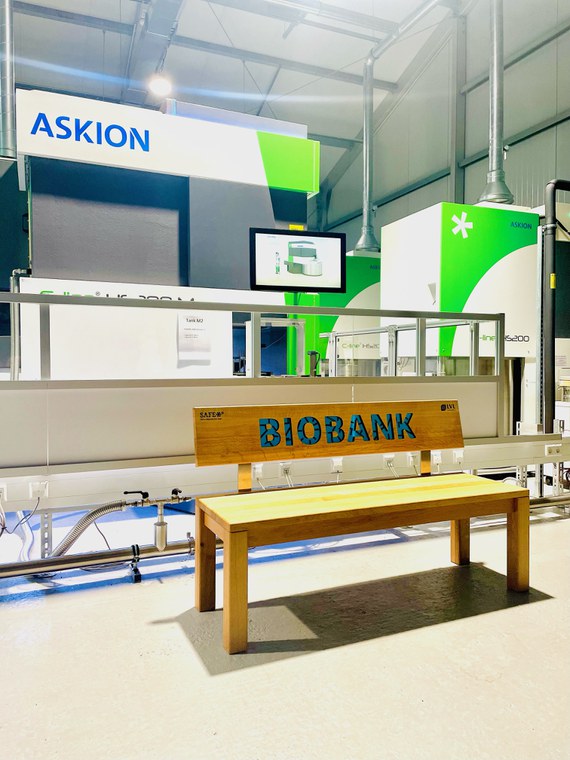
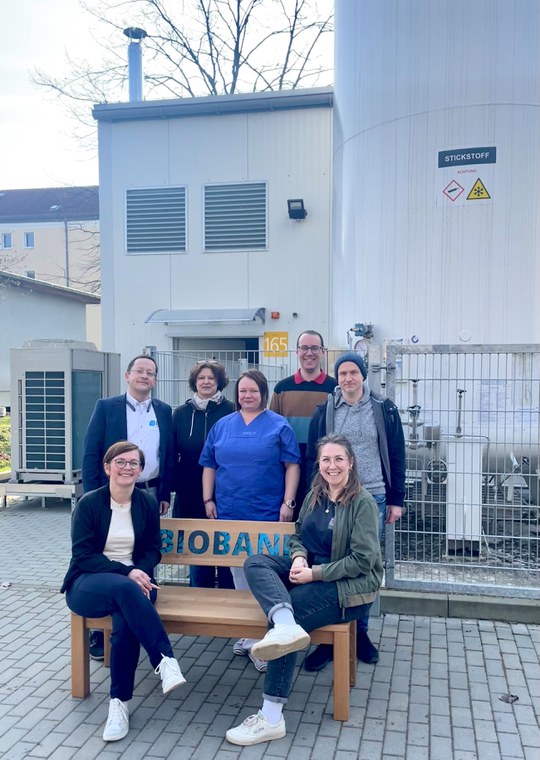
Beim 11. Nationalen Biobanken Symposium im Mai des vergangenen Jahres sorgte die LVL Technologies GmbH & Co. KG für Aufsehen, indem sie eine maßgefertigte Bank mit dem markanten Schriftzug "Biobank", gefertigt mit LVL Tubes, verloste. Diese von einem Schreiner handgefertigte Bank fand schnell eine glückliche Gewinnerin in unserer Qualitäts- und Projektmanagerin, Dr. Susann Witt.
Nach einer spannenden Wartezeit wurde die Bank am 20.03.2024 mit gebührender Feierlichkeit in unserem Stickstofflager platziert. Dabei persönlich anwesend war Herr Tobias Häßner von LVL Technologies, der die Bank höchstpersönlich an ihren neuen Standort brachte und sie symbolisch der BioBank Dresden übergab. Diese Geste unterstreicht nicht nur die Bedeutung der Zusammenarbeit zwischen Industrie und Forschungseinrichtungen, sondern auch die Innovationskraft und den Gemeinschaftssinn, der die Biobank-Community auszeichnet.
----------------------------------------------------------------------------------------------------------------------------------
Pressemitteilung
Zehn Jahre German Biobank Node (GBN) – Eine Dekade des Fortschritts in der biomedizinischen Forschung
Berlin, 17.01.2024. In Biobanken gelagerte menschliche Bioproben und verknüpfte Daten helfen, Krankheiten frühzeitig zu erkennen und erfolgreich zu behandeln. Um diese wertvollen Ressourcen für die nationale und internationale Forschung leichter zugänglich zu machen und dabei höchste Qualitätsstandards zu gewährleisten, wurde mit dem German Biobank Node (GBN) eine Dach-organisation für die akademischen Biobanken in Deutschland gegründet. In diesem Jahr feiert der GBN sein zehnjähriges Bestehen.
Dr. Heidi Altmann dazu: „Die Zukunft des qualitätsorientierten Biobankings liegt in einer starken Zusammenarbeit auf nationaler und europäischer Ebene. Die Arbeit des GBN trägt dazu bei, die Forschung zu beschleunigen und innovative Therapien zu entwickeln."
Die ausführliche Pressemitteilung können Sie hier nachlesen. Ebenfalls erschien ein kurzer Artikel dazu auch in der aktuellen Ärztezeitung.
----------------------------------------------------------------------------------------------------------------------------------

Via GBA ist ab sofort ein Starter Kit online, welcher als Tool zum Aufbau von Biobanken genutzt werden kann. Mitentwickelt wurde dieser von unserer BBD Sprecherin Frau Dr. Heid Altmann.
----------------------------------------------------------------------------------------------------------------------------------

Mitarbeiter:innen verschiedener Biobankstandorte der German Biobank Alliance (GBA) haben die Möglichkeit sich untereinander einmal jährlich in Form von sogenannten "Friendly Audits" zu auditieren. Diese Audits unterstützen das Qualitätsmanagement, indem sie sicherstellen, dass die Prozesse, Anforderungen und Richtlinien der Organisation den vorgeschriebenen Standards entsprechen. Am 18.12.2023 haben wir unser erstes Friendly Audit der GBA erfolgreich durchgeführt und abgeschlossen.
----------------------------------------------------------------------------------------------------------------------------------

Dr. Heidi Altmann wurde für 2024-2025 zum Steering Committee der German Biobank Alliance gewählt. Näheres dazu hier.
----------------------------------------------------------------------------------------------------------------------------------

Unsere Qualitätsmanagerin Frau Dr. Susann Witt hat ihre Weiterbildung erfolgreich absolviert und ist ab sofort offizielle Auditorin für German Biobank Node.
----------------------------------------------------------------------------------------------------------------------------------

3Sat zeigte am 16.12.2023 in einer spannenden Dokumentation zum Thema "Sammeln, Speichern und Bewahren" tolle Einblicke in die Arbeit unserer Biobank.
In der Mediathek bleibt der Beitrag zum Nachschauen verfügbar.
----------------------------------------------------------------------------------------------------------------------------------

Im Zeitraum vom 21. August 2023 bis August 2024 finden Sie im Haus 136 des NCT Dresden die Ausstellung "Vom Schatten ans Licht".
In diesem Zusammenhang zeigt Julia Schmelzer unter anderem ein Filmprojekt, welches in Zusammenarbeit mit der BioBank Dresden und dem NCT/UCC entstanden ist und sich mit moderner Krebsmedizin und -forschung befasst.
Die Kamera führt die Zuschauer*innen durch Teile unserer DILB, die nüchterne Realität von Untersuchungsgeräten und Laboren, während sie gleichzeitig tief in die Mikrowelt mikrobiologischer und organischer Details eindringt.