
Medical Exhibition Seminar
The introduction of the Medical Exhibition Seminar (MES) represents an innovative step in medical education and aims to promote interactive, problem-based learning approaches. The concept, developed by Henningsohn and Dolk at the Karolinska Institute, combines the presentation of clinical case studies in exhibition formats with peer-teaching approaches, thereby supporting students’ active acquisition of knowledge.
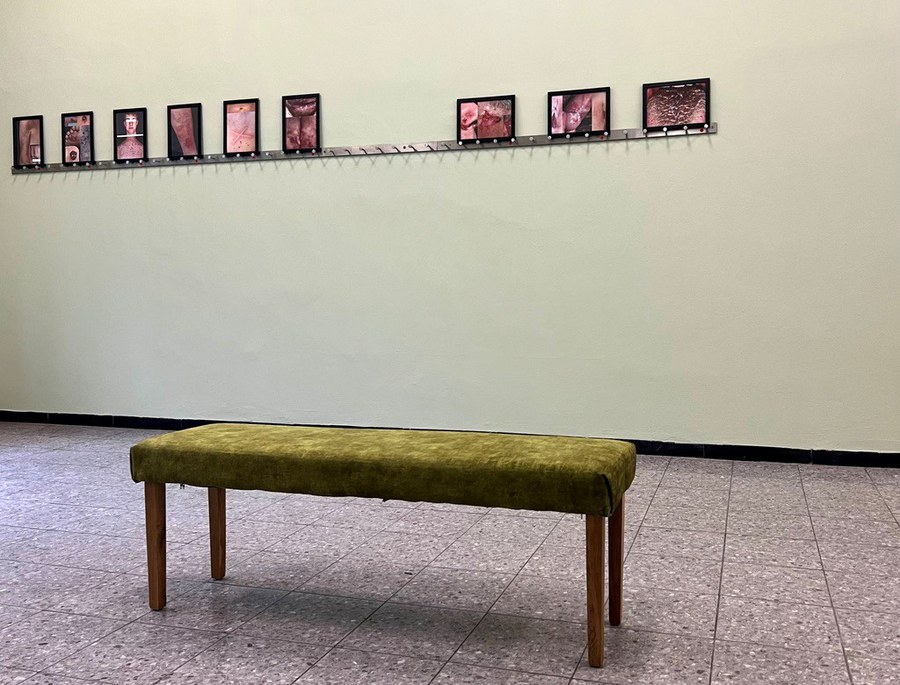
Pilot programs at our faculty have been underway since spring 2025 as part of Clinicum Digitale, in collaboration with the Else Kröner Fresenius Center for Digital Health. The program was also introduced into the medical curriculum in 2025 as part of the clinical rotation with the Department of Dermatology at the Chemnitz campus. In the summer semester of 2026, the “Medical Exhibition Seminar” (MES) was further developed for psychiatry. In this seminar, students toured an exhibition and assigned psychiatric diagnoses to the exhibits, along with information on the epidemiology, symptoms, and treatment of mental syndromes and disorders. An accompanying evaluation examined knowledge acquisition as well as potential changes in stigmatizing attitudes toward mental illness. Furthermore, it was piloted in the midwifery degree program. Through multimedia and multisensory presentations, the MES enables students to comprehensively grasp complex medical topics. Typical exhibits include images, videos, sculptures, and interactive materials that address the diagnosis and treatment of conditions such as measles and scabies, as well as topics like machine learning and quantitative sonography. The goal is to more closely link students’ theoretical knowledge with clinical practice and to promote active problem-solving skills. Experiences to date at other universities show promising results in improving long-term retention of knowledge and student motivation. Future quantitative studies at our faculty will be supplemented by pre- and post-tests as well as feedback questionnaires to systematically validate the effectiveness of the MES. This new teaching method has the potential to significantly enrich the acquisition of medical competencies and promote modern, patient-centered education.
Contact: Anne Röhle