
Occupational, social and environmental epidemiology
Table of contents
Research Focus
Health is significantly influenced by the conditions under which people live and work. The research area of occupational, social, and environmental epidemiology investigates these relationships and thereby provides a scientific foundation for the development of evidence-based measures for health promotion, prevention, and health care. Our research combines epidemiological methods with practice-relevant questions and helps support informed decision-making in politics, healthcare, businesses, and society.
Epidemiology examines the frequency and distribution of health conditions and diseases, as well as their risk and protective factors across different population groups. It provides the scientific basis for planning and evaluating evidence-based measures for health promotion, prevention, and treatment, as well as for health communication and health reporting.
Occupational epidemiology examines health risks in the workplace as well as ways to prevent them and promote workplace health. It takes into account ergonomic factors (e.g., the design of workstations and equipment), organizational factors (e.g., shift work, night shifts, or precarious employment), and psychosocial factors (e.g., bullying or social support) are taken into account, as are biological influences (e.g., viruses or bacteria), physical stressors (e.g., noise or heat), chemical exposures (e.g., hazardous substances or dust), and accident-related risks.
Environmental epidemiology examines the health effects of physical factors such as noise, light, or particulate matter; chemical pollutants such as pesticides or heavy metals; and biological environmental factors such as pathogens in wastewater or mycotoxins under real-life conditions. In addition, it analyzes the significance of the physical, psychological, and social environment for health and well-being.
Social epidemiology examines the influence of social living conditions on health as well as on the onset and progression of diseases. Key areas of focus include social inequality, poverty, gender, migration, and social isolation and loneliness. The goal is to better understand the social determinants of health and to establish a scientific foundation for greater equal opportunities in health.
In addition, the research area addresses the scientific concept of planetary health, which views human health as closely linked to the state of the natural environment. The focus is on the health consequences of global environmental changes and on the question of how health, well-being, and social justice can be sustained in the long term within the ecological limits of our planet.
Our team has extensive experience in conducting primary epidemiological studies (cohort studies, case-cohort studies, case-control studies) as well as systematic reviews and meta-analyses. Furthermore, we participate in the current discussion of methodological approaches to investigating causal relationships using epidemiological methods (e.g., validation study of a risk-of-bias tool for epidemiological studies, best practices for occupational epidemiological systematic reviews). IPAS participates in large cohort studies such as the Gutenberg Health Study, the NAKO Health Study, and the LIFE Study.
We are actively involved in teaching epidemiology, planetary health, evidence-based medicine, and prevention and health promotion in the Master’s program in Public Health, the Bachelor’s program in Midwifery, and the standard and model medical programs.
The results of our research activities can be found in the publications of Department 4.
Department Head
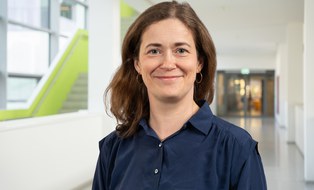 © Michael Kretzschmar
Scientist
NameDr. rer. medic. Alice Freiberg MPH
Send encrypted email via the SecureMail portal (for TUD external users only).
Researchers
 © Stephan Wiegand
Institute Director
NameProf. Dr. med. Andreas Seidler MPH
Send encrypted email via the SecureMail portal (for TUD external users only).
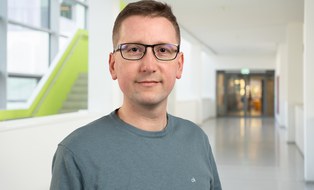 © Michael Kretzschmar
Mitarbeiter Forschung
NameChristoph Thalheim
Send encrypted email via the SecureMail portal (for TUD external users only).
 © Michael Kretzschmar
Scientist
NameDavid Reißig M.Sc.
Send encrypted email via the SecureMail portal (for TUD external users only).
Wissenschaftliche Mitarbeiterin
NameJulia Kretzschmar MPH
Send encrypted email via the SecureMail portal (for TUD external users only).
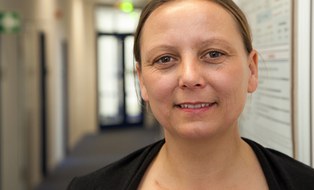 © Stephan Wiegand
Scientist
NameDr. rer. nat. Melanie Schubert
Send encrypted email via the SecureMail portal (for TUD external users only).
 © Bolm-Audorff, Ulrich
Scientist
NameProf. Dr. med. Ulrich Bolm-Audorff
Send encrypted email via the SecureMail portal (for TUD external users only).
 © Wafaa Alshaikhali
Scientist
NameWafaa Alshaikhai MPH
Send encrypted email via the SecureMail portal (for TUD external users only).
Other Team Members
| Cecilé Walther | Scientific research assistant |
| Linda Ternova | PhD student |
| Natalie Rath | PhD student |
| Sina Lehmann | Master student |
| Susann Gosek | Master student |
Selected Research Projects
- Baseline and Follow-up Study onthe “Individual Living, Health, and Care Situations of Older Adults in Dresden Aged 60 and Older (LAB60+)”
- Study “Together Against Loneliness in Dresden—A Mixed-Methods Study on Social Participation”
- Gutenberg Health Study (including the impact of workplace bullying, occupational noise, and precarious working conditions on the development of cardiovascular diseases; the relationship between working with digital and automated technologies and psychosocial and health consequences)
- NAKO Health Study
- Scientific evaluation of the project“Together for Care & Planetary Health”
- Systematic review on the association between shift work and depression
- Systematic review of the impact of exposure to artificial light at night on colorectal and hormone-related cancers (excluding breast cancer) and on sleep disorders
- Scoping review on the influence of future mobility scenarios on traffic noise-related health effects
Publications
Dr. Freiberg participated in the TU podcast “You ASK we explain” in June 2024. More information and the link to the podcast episode “Climate Change as a Challenge and Opportunity for Social Cohesion” can be found here.
Here you find the publications from Research Area 4.