
Mar 11, 2026
Fact-Check: Home Abortions with Vitamin C? A Case of Harmful Misinformation on TikTok
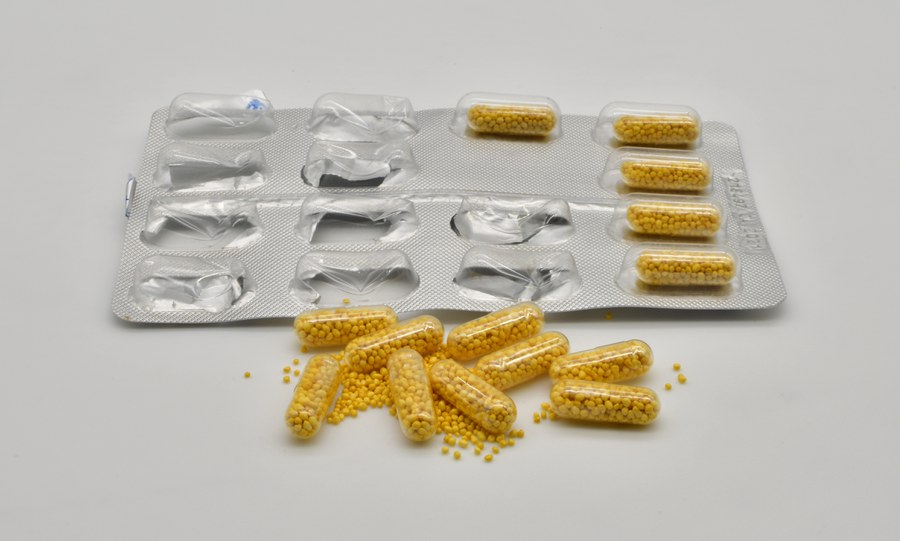
Can vitamin C intake terminate a pregnancy?
Social media platforms influence our society, and especially the younger generation. They serve as a form of entertainment, source of inspiration, communication channels, distraction from daily life, as well as an important source of education and advice. However, for users, it gets increasingly difficult to distinguish credible and trustworthy content from misinformation and social media platforms don’t give the necessary tools to fact-check the content. Trending videos can reach an immense audience and being presented by an attractive or particularly trustworthy appearing person can falsely boost their credibility. A particularly alarming example recently happened on the social media platform TikTok.
In June 2022, the US Supreme Court overturned the case Roe v. Wade, which guaranteed abortion to be a constitutional and fundamental right for every woman in the United States [1]. This left reproductive rights to be decided independently, which lead to several US states banning abortion in almost all circumstances. This ban sparked nationwide fear in women to be stripped of their choices to end an unwanted pregnancy. In response to what some people call a historic setback, questionable advice videos started trending on TikTok. They recommended in-home techniques to abort possible pregnancies, among them the advice to ingest high doses of vitamin C for several days in a row which would cause abdominal cramping and bleeding — ultimately ending a pregnancy.
The hypothesis of high vitamin C intake leading to abortion dates back to articles from the1960s [2, 3]. A high intake of vitamin C was suggested to cause a rise in estrogen levels as well as tissue hypoxia due to its antioxidant effects, thus leading to the termination of pregnancy. In this study, mice and rats treated with ascorbic acids (AA) showed an abortion in 20% of the animals. Then the researchers examined 20 women aged 20 to 40 years with self-reported delayed onset of menstruation. All women have been prescribed a three-day treatment of daily 6g vitamin C intake. 16 out of 20 women started to menstruate normally during the timeframe of three days, whilst four women did not. As their initial pregnancy status was not actually verified, fluctuations in a women’s menstrual cycle are considered normal and can already be induced by stress. Whether the AA administration significantly contributed to the onset of menstruation in the 16 women, or if other factors played a role, cannot be clearly assessed here. Other studies examined guinea pigs, rats, and hamsters were given AA neither showed an effect on their pregnancies nor were abortions reported. Their conclusion was that vitamin C has no effect on pregnancy in the total of four animal species [2, 4]. The myth, however, remained well into the 21 century [5] and apparently up to the present day, at least on TikTok. Ironically, recent studies even suggest beneficial effects of vitamin C supplementation for the progression of a healthy pregnancy. As an antioxidant, vitamin C may prevent reactive oxygen species-induced cell damage during pregnancy [6]. Instead of inducing an abortion by consuming absurd amounts of vitamin C, this TikTok trend may have actually supported a healthy pregnancy all along.
Exceedingly high vitamin C intake of more than 2000mg a day is proven to be low in toxicity [7], but it can lead to unpleasant side effects like diarrhea and nausea. The recommended dose of up to 6000mg of daily vitamin C in most TikTok videos supports the fact that there is no medical research or evidence behind this idea, proving that TikTok advice should not be taken into consideration without a critical eye. Luckily, this trend did not cause health damages or intoxications in young women (at least none reported), but it may have spread a feeling of false security. The myth of vitamin C overdose ending pregnancies shows that not all viral videos should be trusted solely based on popularity. Blindly following trends can be dangerous. You should always remember to ask yourself: What’s the evidence for it?
Hanna Dylong & Luca Rößler