
Apr 01, 2026
Circular economy: Recycling critical metals from batteries using ionic liquids
Dr Julia-Maria Hübner from the Chair of Inorganic Chemistry II will be researching an environmentally friendly process for recycling critical metals such as cobalt, nickel and manganese from end-of-life lithium-ion batteries. Her project, “Sustainable recovery of critical metals from spent lithium-ion batteries using ionic liquids”, has been chosen in an extremely competitive selection process by the Daimler and Benz Foundation and the GSO Klaus Tschira Boost Fund, and will now receive a total of €270,000 in funding.
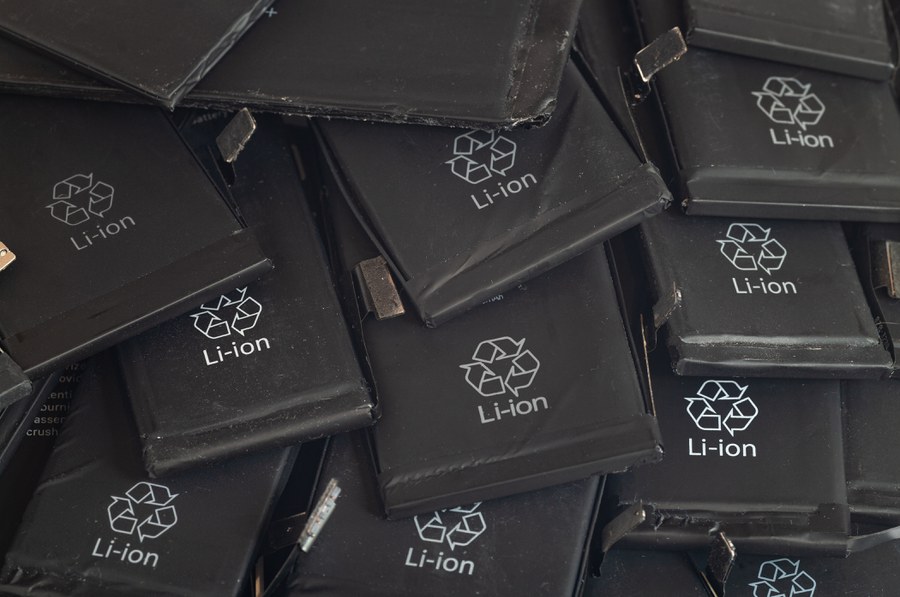
Whether in smartphones, laptops or electric vehicles – lithium-ion batteries have become an integral part of our everyday lives. Their high energy density, longevity and rechargeability make them a key solution in numerous areas of application. However, as their use becomes more widespread, questions regarding resource availability, sustainability and recycling options are coming to the fore. This is because the critical metals they contain, such as cobalt, nickel and manganese, are only available in limited quantities worldwide, and their extraction not only harms the environment but also takes place under sometimes problematic social conditions.
This is where the new research project by Dr Julia Hübner and Prof. Michael Ruck from Inorganic Chemistry II comes in. Their aim is to extract metal compounds from exhausted batteries under mild conditions using so-called ionic liquids – salts that are liquid at (almost) room temperature. In a second step, the dissolved metals are then separated in their pure form using electricity. The successful recycling of critical metals could reduce dependence on primary raw materials and make a decisive contribution to the circular economy.
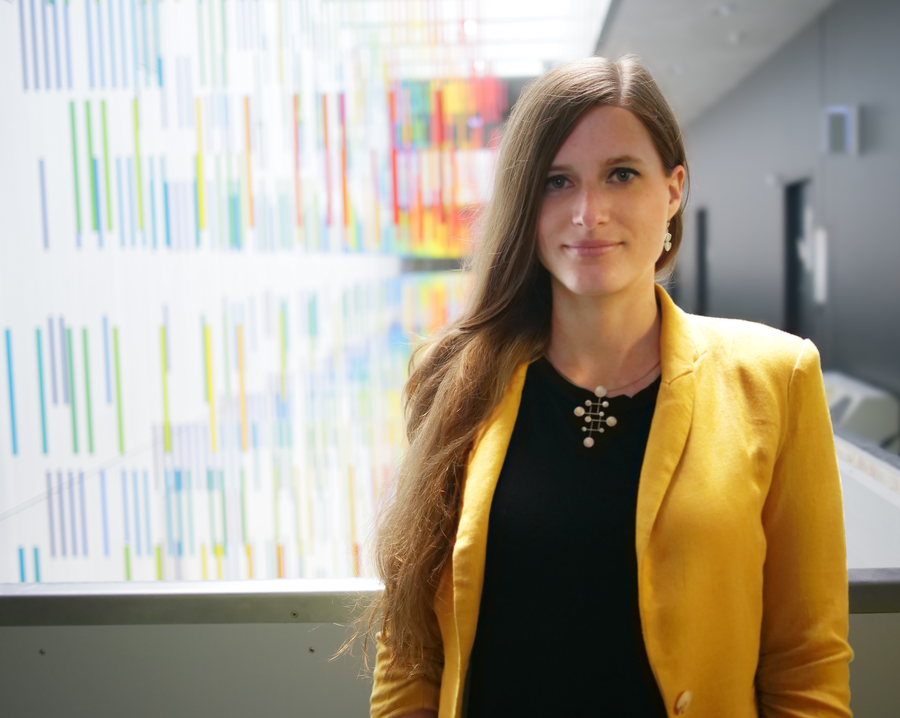
“The focus of our project lies on the development and application of new, fluorine-free ionic liquids based on the biomolecule betaine, a cost-effective by-product of sugar production. Our aim is to create a sustainable approach to recovering critical metals from used lithium-ion batteries that enables a circular economy without secondary waste,” explains Dr Hübner.
‘Research Forum’ of the Daimler and Benz Foundation
The “Research Forum” funding line brings together projects from the Daimler and Benz Foundation characterized by scientific originality, social relevance, and a clearly manageable scope. With the “Research Forum” funding line, the Daimler and Benz Foundation provides support for promising scientific projects from all disciplines. The funding is intended to enable scientists to initiate innovative scientific projects of relevance to society or to make existing findings available for practical application. Both basic and application-oriented research projects are eligible for this funding, as well as pilot projects. Further information
Klaus Tschira Boost Fund
The Klaus Tschira Boost Fund is aimed at researchers in the natural sciences, mathematics and computer science who wish to make their research and careers more flexible. The program awards independent grants to create scope for researchers’ original, risky and interdisciplinary projects. Alongside the funding, researchers receive guidance and advice on their professional and personal development and support in building an international network. The Klaus Tschira Boost Fund is a joint project of KTS and GSO – Guidance, Skills & Opportunities for Researchers e. V. Further information
Contact:
Dr. Julia Hübner
Chair of Inorganic Chemistry II
Tel. +49 351 463-32027
Email: