
Oct 02, 2026
MINT-EC Camp “Mobility of the Future” at TU Dresden: Young People Discover the World of Transportation Systems
September 28 – October 1, 2026, TU Dresden
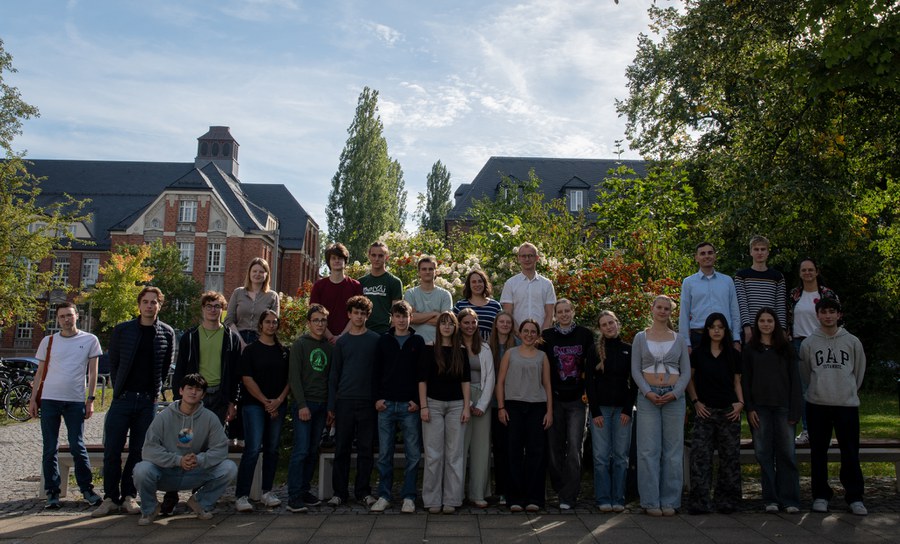
Amid bright sunshine and high spirits, 20 students from all over Germany gathered at the TUD Dresden University of Technology from September 28 to October 1, 2026, to explore the future of mobility together. The MINT-EC camp “Mobility of the Future” was organized by the “Friedrich List” Faculty of Transport and Traffic Sciences and the School Liaison Office at TU Dresden, in cooperation with the national MINT-EC school network of excellence.
The goal of the event was to bring transportation science research to life and facilitate exchanges between young talents and researchers, while also highlighting the diversity of career options in business and academia related to transportation.
Through high-quality, hands-on STEM educational programs for children and teenagers, TU Dresden is actively promoting interest in STEM as a response to the shortage of skilled workers in these fields.
Research Up Close: Focus on Practice, Technology, and Teamwork
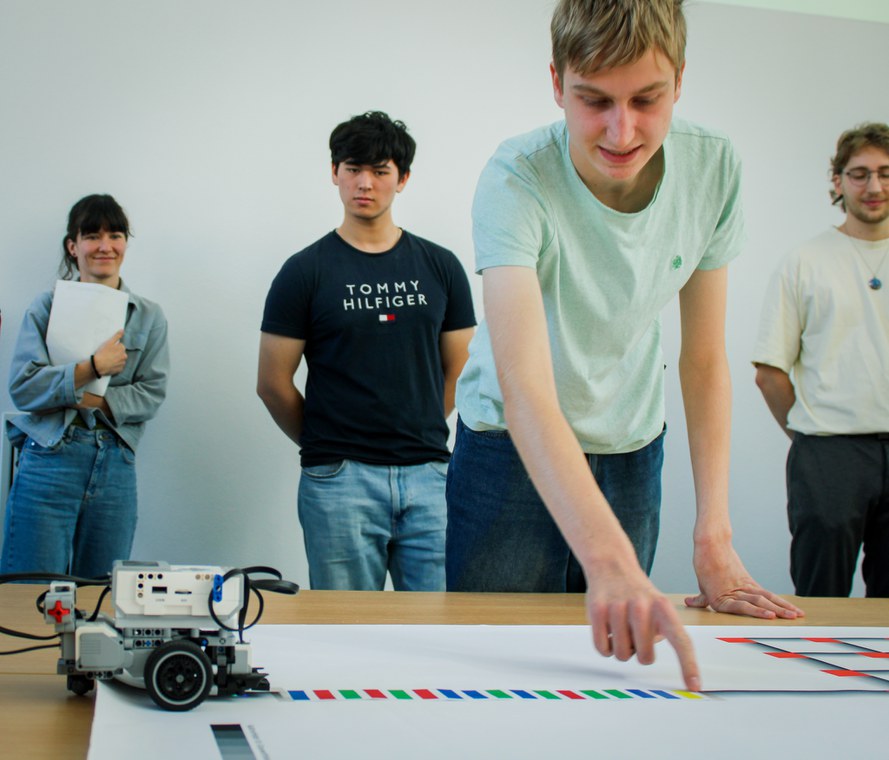
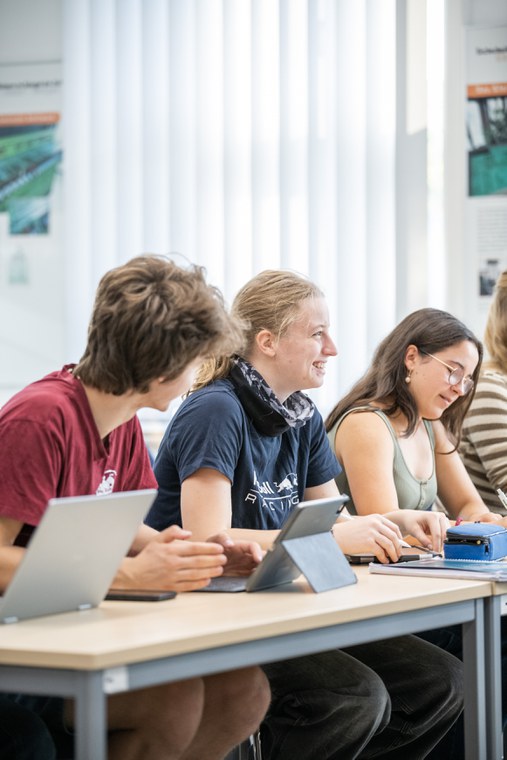
Participants immersed themselves in three exciting workshop groups that conveyed the diversity of modern transportation systems in theory and practice. In the “Road Traffic” group (Chair of Vehicle Mechatronics), they built their own autonomously programmable robotic vehicles using LEGO Mindstorms NXT. Faced with the challenge of detecting obstacles, completing routes, and navigating safely through an obstacle course, they learned fundamental principles of robotics, programming, and automated mobility.
“It was great to see the students accomplish so much in such a short time. We were very pleased with their interest in the topics and also with the many questions they asked. We’d love to do it again!” summarized Dipl.-Ing. Georg Beierlein (Research Associate at the Chair of Vehicle Mechatronics).
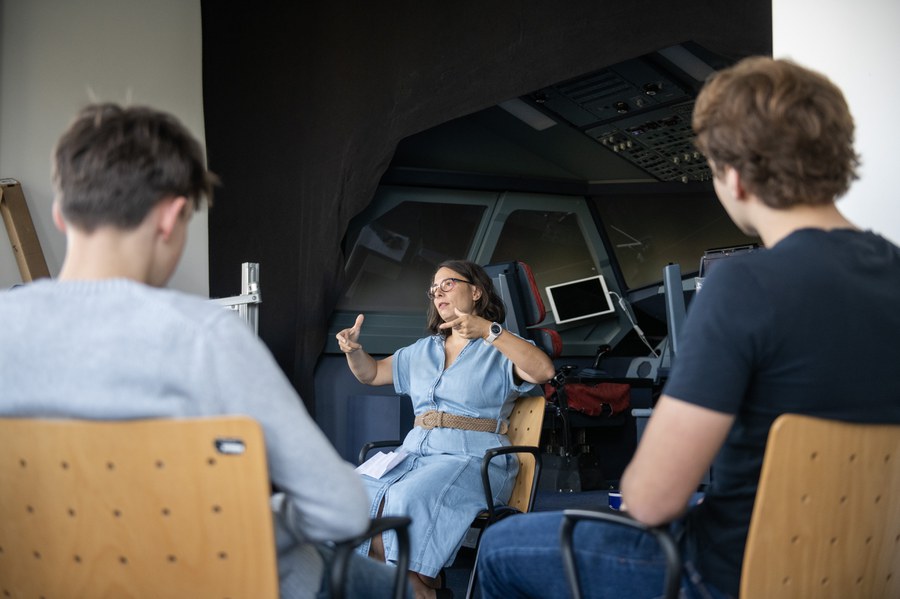
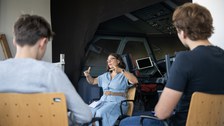
Wissenschaftlerin Kathi Ahnert betreut die Gruppe "Luftverkehr"
In the “Air Traffic” group (Chair of Air Transport Technology and Logistics) , the young people immersed themselves in the world of aviation safety. In an interactive “label game”—the so-called Air Object Label Challenge —they had to correctly identify and classify objects in airspace. The participants gained insights into the complex safety requirements, the technology behind unmanned aerial vehicles, and the enormous potential of drones in the future of aviation.
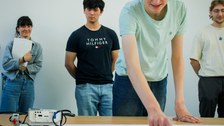
The “Rail Transport” group (DB InfraGO Endowed Chair for Digital Rail Systems) experienced the world of rail safety technology firsthand: Using a realistic simulator that replicates a train dispatcher’s workstation in an operations center, the students took control of train traffic. They set points, activated signals, coordinated multiple trains—and experienced how a single malfunction, such as a defective switch, can trigger chain reactions throughout the entire network. It was an impressive insight into the responsibility that goes into ensuring smooth rail traffic.
Lab tour, field trips, and a behind-the-scenes look
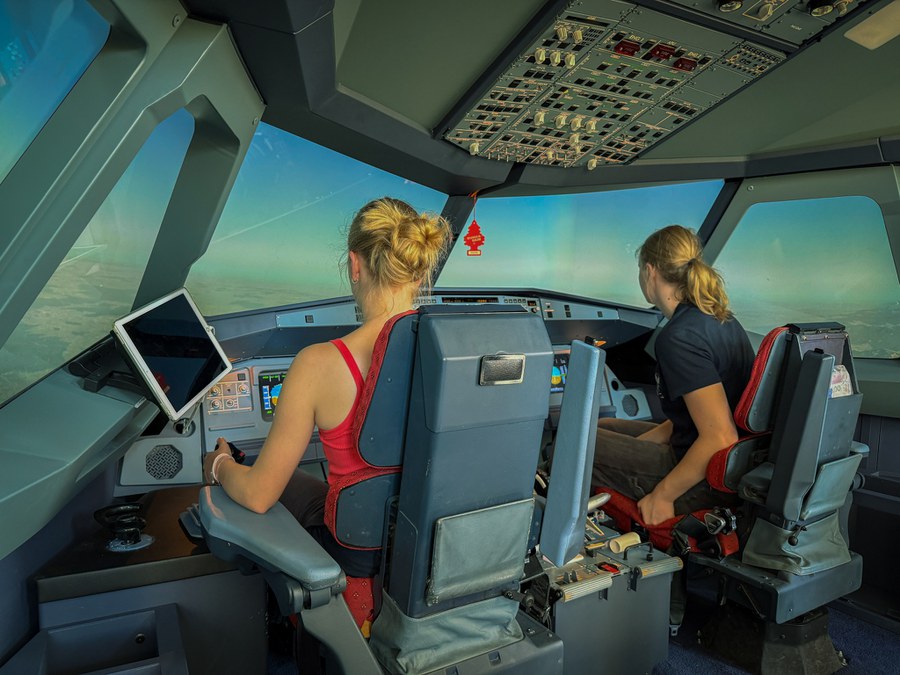
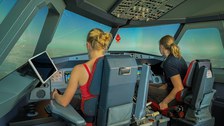
In addition to the workshops, exciting lab tours and field trips were central to the program. In the Railway Operations Laboratory (EBL) and the A320 flight simulator, participants were able to experience the technology behind modern transportation systems up close. The excursion to the Dresden Transportation Museum took them to the dyna mix lab, an interactive experimental course with over 18 stations where they could explore the laws of physics, dynamics, and automotive engineering—from braking distances and cornering to acceleration forces.
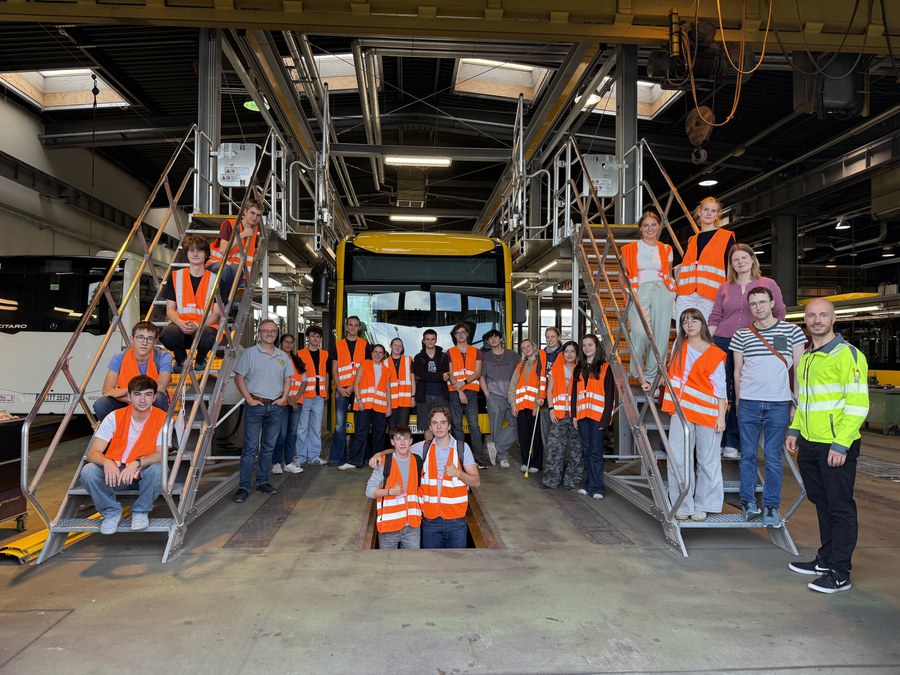
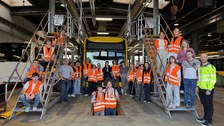
A special highlight was the field trip to the Dresden Public Transportation Authority (DVB). There, the students gained insights into the maintenance of electric buses, drive technology, charging infrastructure, and intelligent transportation systems.
Neustadt Tour and Everyday Student Life: A Look Behind the Scenes
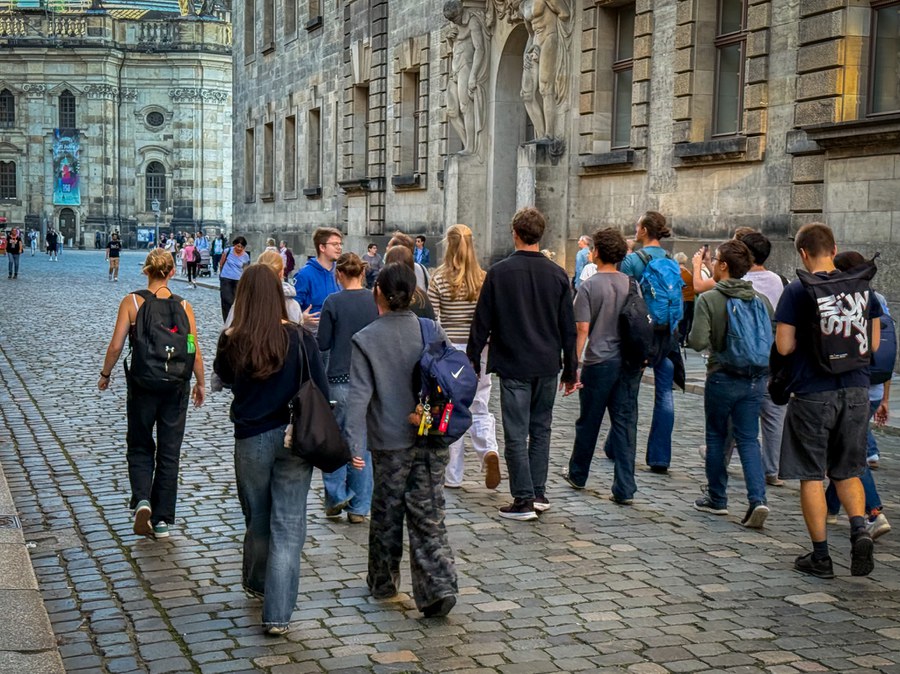
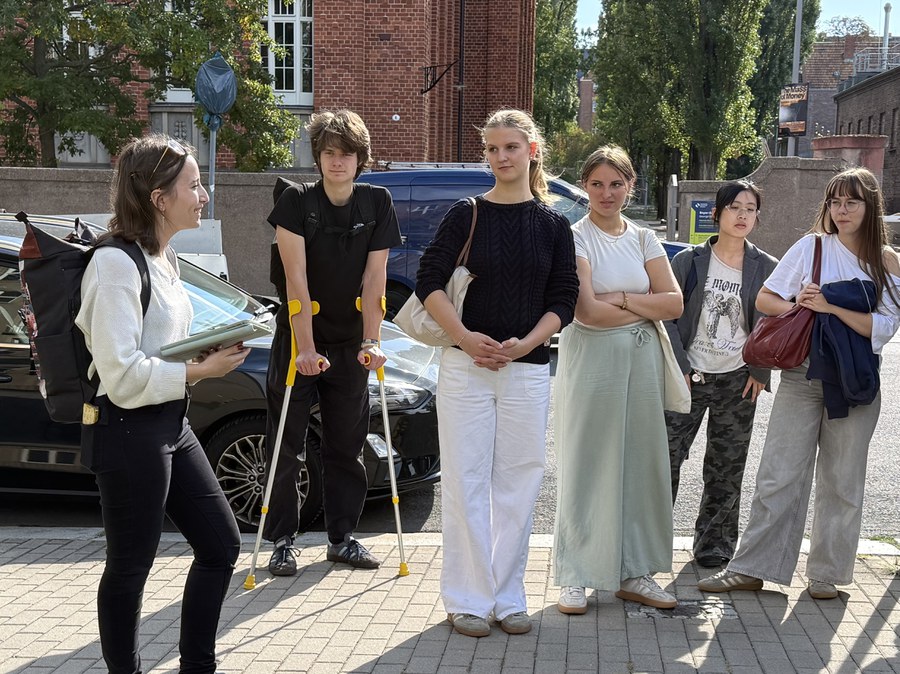
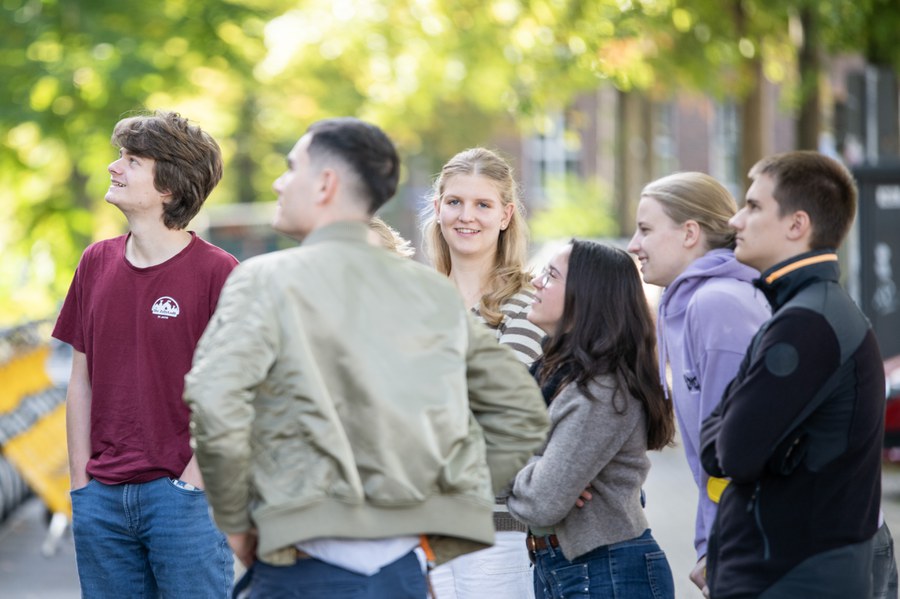
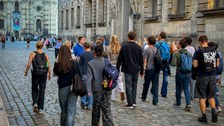
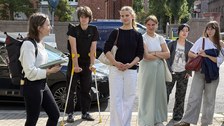
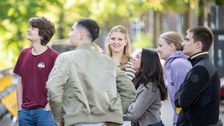
In addition to technical insights, the students also got to experience student life and the city of Dresden firsthand. The Neustadt tour, led by the Transportation Sciences Faculty Student Council, took the participants through the historic Old Town, across the Elbe River, and into Dresden’s lively Neustadt district. Combined with the campus tour at noon, this provided realistic insights into student life at TU Dresden and the opportunity to ask students questions directly.
“The campus tour and the guided tour of Neustadt led by the students were particularly exciting and helped me get to know the university from a different perspective,” reported one participant.
Conclusion: Poster session with an audience award
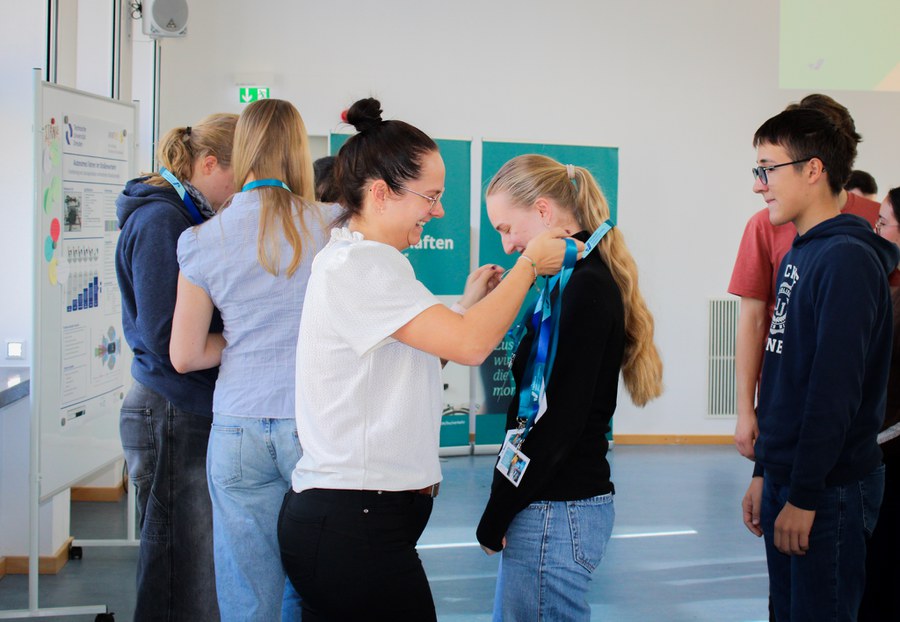
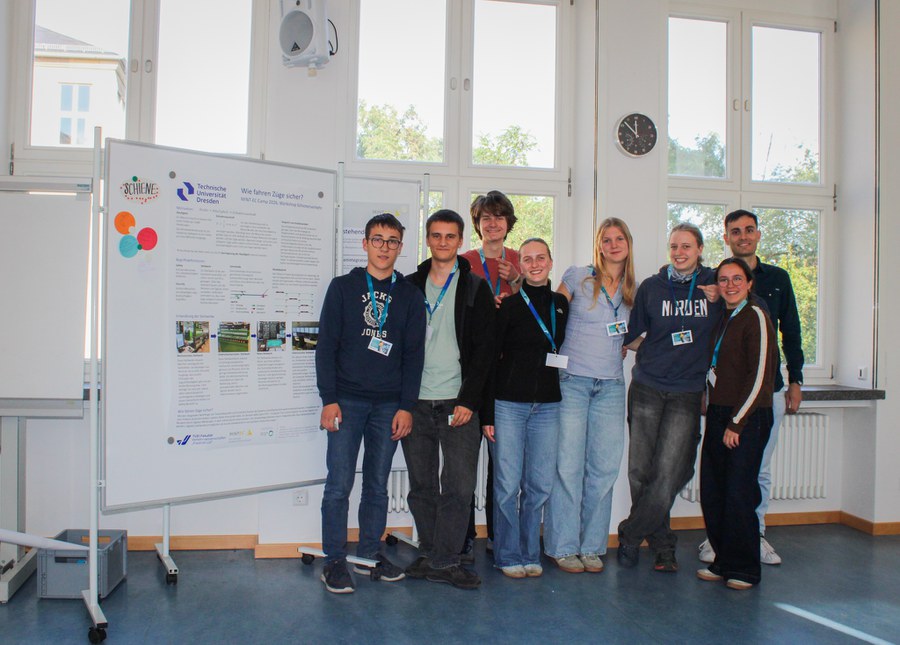
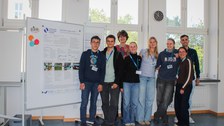
As part of the closing ceremony, the workshop groups presented their results and findings in a poster session. Condensing two days of intensive work into a single poster was a special challenge that the groups mastered exceptionally well. The participants and the audience—comprising researchers, students, and the organizing team from MINT-EC and TU Dresden—then voted on the best poster presentation and awarded the team the audience prize.
Networking at the Interface Between Schools and Universities
MINT-EC camps are a testament to strong collaboration between universities, schools (or school networks), and research institutions. Special thanks go to the "Friedrich List" Faculty of Transport and Traffic Sciences: With great dedication, researchers served as coaches for the young people. Their subject-matter expertise, patience, and motivation left a lasting impact on the camp.
© Paula Adler | TUD
© Paula Adler | TUD
© Paula Adler | TUD
© Paula Adler | TUD
© Paula Adler | TUD
© Paula Adler | TUD
© Paula Adler | TUD
© Paula Adler | TUD
© Sven Ellger | TUD
© Sven Ellger | TUD
© Sven Ellger | TUD

TU Dresden offers year-round programs for students, teachers, and prospective students:
- School Newsletter (6 times a year): Current STEM offerings for teachers and schools
- Junior Campus Newsletter ( 4 times a year): For parents who want to support their children in choosing a college major
- Try Out the University: All programs for high school students and prospective students
- TU DresdenWhatsApp channel for prospective students
Contact
"Friedrich List" Faculty of Transport and Traffic Sciences | Public Relations
Lisa Dreßler |