
Ich sehe was, was du nicht siehst – Sinti:zze und Rom:nja im Blick der TUD
Der Roma Day (8. April) ist ein internationaler Aktions- und Gedenktag, der an die Selbstorganisation der Sinti:zze und Rom:nja erinnert und auf ihre historische sowie gegenwärtige Diskriminierung aufmerksam macht.
Im dessen Rahmen und darüber hinaus richtet die Technische Universität Dresden ein Veranstaltungsprogramm aus, das sich der Sichtbarmachung von Sinti:zze und Rom:nja sowie der kritischen Auseinandersetzung mit antiziganistischem Rassismus widmet. Ziel ist nicht nur die Vermittlung von Wissen, sondern die Förderung eines Perspektivwechsels: Stimmen aus den Communities sollen hörbar werden, Erfahrungen und politische Kämpfe nachvollziehbar und in ihrem gesellschaftlichen Kontext diskutierbar.
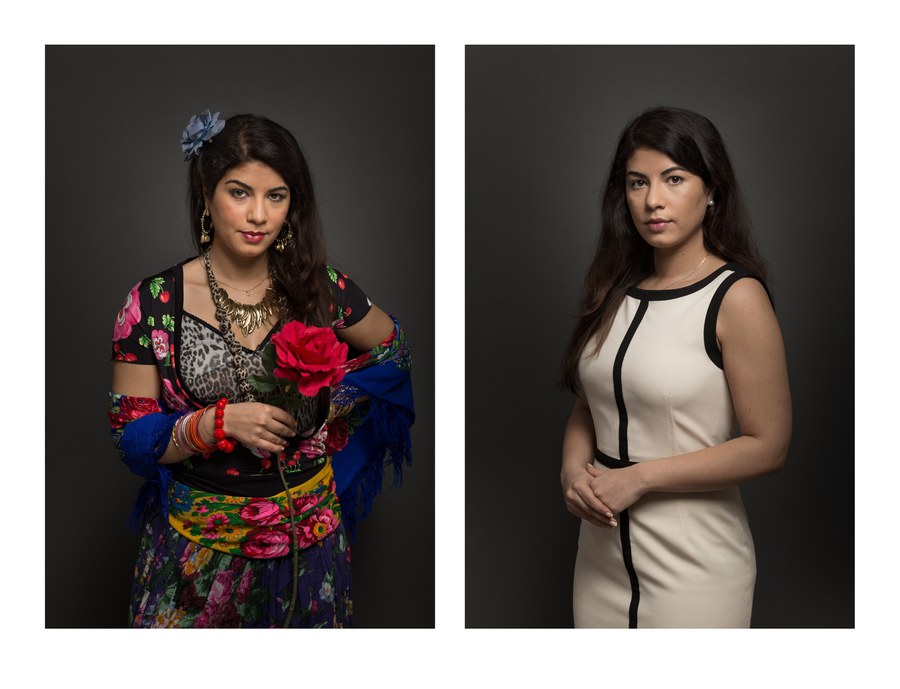
© Milós Déri
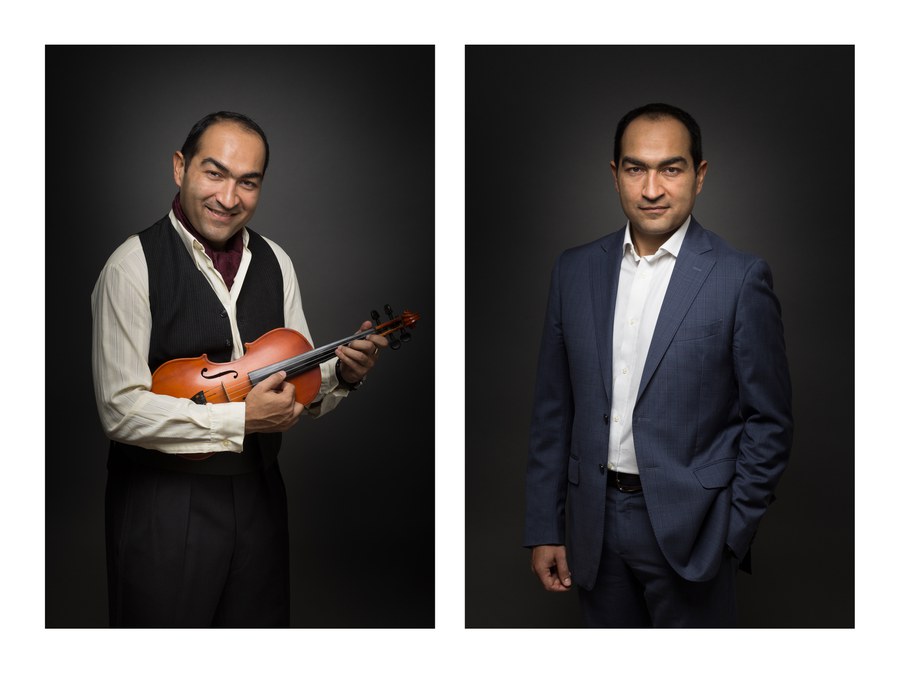
© Milós Déri
Das Programm macht Kontinuitäten von Ausgrenzung, Verfolgung und Widerstand sichtbar und versteht Bildungsarbeit ausdrücklich als mehr als reine Faktenvermittlung. Künstlerische, aktivistische und selbstorganisierte Beiträge eröffnen Zugänge zu Themen, die im öffentlichen und akademischen Diskurs häufig marginalisiert bleiben.
Programm
Der Kurzfilm „I am what I am“ zeichnet die Geschichte der Familie Blum nach, die in den 1930er Jahren am Laubegaster Ufer in Dresden lebte und im Nationalsozialismus deportiert wurde.
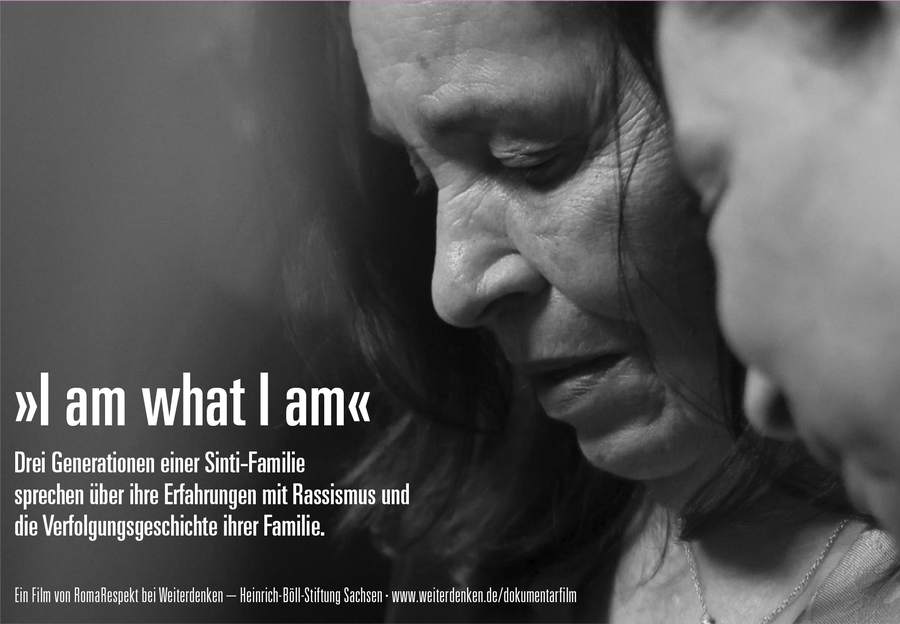
Im Zentrum steht Ella Braun, Zeitzeugin und Bürgerrechtlerin, die seit Jahrzehnten für Anerkennung und Würde von Sinti und Roma kämpft. Gemeinsam mit ihrer Tochter und ihrem Enkel spannt der Film einen Bogen von der NS-Verfolgung über die Nachkriegszeit bis in die Gegenwart und macht Kontinuitäten von Antiziganismus sichtbar.
Gerade für den Hochschulkontext gewinnt der Film zusätzliche Relevanz: Mit Daniel kommt auch die Perspektive eines Studierenden zur Sprache, der seine Identität als Sinto in der heutigen Gesellschaft reflektiert. Seine Erfahrungen verweisen auf aktuelle Herausforderungen von Vielfalt, Zugehörigkeit und Diskriminierung im Studienalltag und machen deutlich, dass Antiziganismus kein abgeschlossenes historisches Phänomen ist, sondern auch im universitären Umfeld wirksam sein kann.
Im Beisein der Filmemacherin wird im Anschluss über die Entstehung des Films sowie über historische und aktuelle Formen von Antiziganismus gesprochen.
Datum: 24.04.2026 08.00 Uhr bis 09.00 Uhr Online: https://tu-dresden.zoom-x.de/j/67638235426?pwd=FcICtSLYOpGwTKk1CUWf4OAuWEnIxx.1
Der Dokumentarfilm Gelem Gelem – Wir gehen einen langen Weg von Monika Hielscher und Matthias Heeder begleitet Rrom_nja-Familien, die Anfang der 1990er Jahre in Deutschland um ihr Bleiberecht kämpfen. Entstanden zwischen Herbst 1989 und Frühjahr 1991, zeigt der Film eindrücklich den Alltag, die Hoffnungen und den Widerstand von rund 1.500 Menschen, denen die Abschiebung nach Südosteuropa drohte.
Der Titel „Wir gehen einen langen Weg“ verweist auf eine Geschichte, die weit über den dokumentierten Zeitraum hinausreicht: auf Erfahrungen von Ausgrenzung, aber auch auf Solidarität, Zusammenhalt und Selbstorganisation. Mit öffentlichen Aktionen, Hungerstreiks, einem Protestmarsch durch Deutschland und der Besetzung des Kölner Doms machten die Familien ihre Situation sichtbar, getragen von dem Wunsch nach Sicherheit, Anerkennung und einem Leben in Würde.
Im Anschluss an den Film laden wir zu einem Gespräch mit Isidora Randjelović von RomaniPhen e.V. und inirromnja ein. Gemeinsam sprechen wir über die historischen Hintergründe des Films, über Rassismus und politische Kämpfe, vor allem aber über Perspektiven von Selbstermächtigung, Erinnerung und heutige Anschlussfragen.
Datum: 15.04.2026 18.30 Uhr Klemperer Saal SLUB
Weit denken, weil das Denkmal bereits steht.
Gndin dur, kaj o monumento lace si kothe.
Workshop zur Verfolgung und Vernichtung der Roma* und Sinti* im Nationalsozialismus mit künstlerischen Praxen
mit Stefanie Busch (Künstlerin), Renáta Horváthová und Kathrin Krahl vom Fachnetzwerk Antiziganismus/Antiromaismus
Die Verfolgung und Vernichtung der Roma* und Sinti* im Nationalsozialismus ist nahezu unsichtbar in dieser Stadt, in Europa. Gedenkstätten und Denkmäler mussten erkämpft werden, einige verfallen wieder. Das Berliner Denkmal für die im Nationalsozialismus ermordeten Sinti und Roma Europas soll einem Infrastrukturprojekt weichen. In Dresden steht eines der größeren Denkmäler in Deutschland, das an den Mord an den Sinti* und Roma* erinnert: Der Boxring 9841 – Ein Denkmal für Johann Rukeli Trollmann auf dem Gelände des Festspielhaus Hellerau. Ausgehend von diesem Denkmal untersuchen wir Architekturen und Praxen des Erinnerns - die damit einhergehenden Kämpfe, Formen und Ästhetiken. Welche Ideen, Gedanken, Politiken und Widerstände braucht es für das Erinnern an die Verfolgung und Ermordung der Roma* und Sinti* in dieser Gegenwart? Der Workshop sucht Antworten.
21. April 2026, 13-17 Uhr (Ort wird nach Anmeldung bekannt gegeben)
mit Renata Horváthová und Kathrin Krahl, Fachnetzwerk Antiziganismus/Antiromaismus
Eine Untersuchung des TU Campus auf Spuren der Diskriminierung, Verfolgung und Unsichtbarmachung von Rom:nja und Sinti:zze in Vergangenheit und Gegenwart
Das Stadtspiel untersucht »im Laufen« über den Campus Urbanität und Antiromaismus – den Rassismus gegenüber Rom:nja und Sinti:zze. Es sensibilisiert für die unmittelbare universitäre Umgebung und fragt: Von wem und für wen ist diese Universität gestaltet und erbaut? Wo sind Spuren vergangener Verfolgung der Sinti* und Roma* im Nationalsozialismus? Welche Namen tragen die Gebäude und wessen Namen finden sich nicht? Wer fühlt sich hier ausgeschlossen oder beobachtet? Was könnte man verändern, um den Raum „zugänglicher“ oder „gerechter“ zu machen?
Wir beginnen den Rundgang mit dem Vorstellen von historischen Quellen der Gedenkstätte Münchner Platz. Dieses Lernen im und mit dem Stadtraum hat enge Bezüge zu urbanen künstlerischen Praxen. Herzliche Einladung!
19. Mai 2026, 13 - 14:30 Uhr, Treffpunkt: Foyer der Gedenkstätte Münchner Platz Dresden, Münchner Platz 3, 01187 Dresden, Links neben der Freitreppe des Georg-Schumann-Bau
Mit Fotoarbeiten von Miklós Déri (Fotograf, Fotojournalist, Redakteur)
In seiner Serie Roma Body fotografierte er 2015 gestellte, komponierte Porträtpaare von Roma-Persönlichkeiten und stellte dabei die Stereotypen über Roma dem realen Leben der „Models“ und ihrer tatsächlichen Stellung in der Welt gegenüber. Mit diesen Meinungsfotos zeigte er die Absurdität negativer Stereotype auf. Mit seinen Bildern zum Thema Roma nahm er an mehreren internationalen Ausstellungen teil, unter anderem in Prag und Berlin.
Der erste Termin der Wanderausstellung ist am 08.04.2026 von 11-13 Uhr vor der alten Mensa (GeTugetherZone).
Der Safer Space ist als vertraulicher Raum der Community angelegt, einer Gemeinschaft von Personen mit geteilten Lebensrealitäten. Im Mittelpunkt stehen Erfahrungen, Stimmen sowie Formen der Selbstfürsorge und der gegenseitigen Bestärkung.
Der Raum bietet so Gelegenheit zum Austausch über Studienalltag, Zuschreibungen und Fragen von Zugehörigkeit. Er wird begleitet von einem studentischen Vertreter der Community der Sinti:zze und Rom:nja.
Datum: 10. Juni 14-17 Uhr
Ort: GLB- 7102
Die Veranstaltungen werden gemeinsam realisiert mit dem Fachnetzwerk Antiziganismus/Antiromaismus.
Alle Veranstaltungen sind für die Teilnehmenden kostenfrei. Sollten Sie auf Grund sprachlicher oder anderer Barrieren von einer Teilnahme absehen, scheuen Sie sich bitte nicht uns diese zurückzumelden.
Antidiskriminierungsregel
Die Veranstaltenden legen großen Wert auf ein respektvolles, wertschätzendes und möglichst diskriminierungsfreies Miteinander. Jede Form von herabwürdigendem, beleidigendem oder störendem Verhalten ist nicht akzeptabel. Verstöße gegen diese Grundsätze können zum Ausschluss von der Veranstaltung führen.
Hinweise, Anregungen und Fragen richten Sie bitte an:
 © Crispin Mokry
Anja Wiede
Ansprechperson bei Belästigung, Diskriminierung und Gewalt
Eine verschlüsselte E-Mail über das SecureMail-Portal versenden (nur für TUD-externe Personen).
Besuchsadresse:
M13 Mensa und TUD, Raum 6-234 Mommsenstr. 13
01069 Dresden
Der Zugang zu meinem Büro ist leider nicht barrierearm möglich. Geben Sie mir gern Bescheid für etwaige Bedarfe.
Gefördert vom Bundesministerium für Forschung, Technologie und Raumfahrt (BMFTR) und dem Freistaat Sachsen im Rahmen der Exzellenzstrategie von Bund und Ländern.