
Jun 24, 2026
Interview with Kathrin Brömmer: Where Facility Management meets Anti-Democratic Challenges
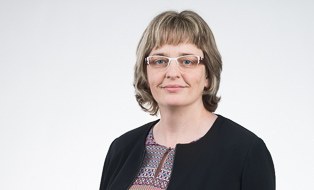
Kathrin Brömmer is the Head of Unit of TU Dresden’s Infrastructural Facility Management
culTUre: Mrs. Brömmer, as Head of Unit of TU Dresden’s Unit Infrastructural Facility Management, you share responsibility for the safety, operation, and functionality of the university’s buildings. To what extent does anti-democratic agitation play a role in your day-to-day work?
Brömmer: My team and I encounter anti-democratic agitation regularly – sometimes even on a weekly basis – albeit in very different forms. For example, Directorate Facility Management is responsible for removing graffiti and repairing damage caused by vandalism. We also provide advice and support on event-related security matters and, if necessary, coordinate the deployment of security services.
culTUre: Are incidents such as these relatively rare, or are they becoming more common? Have you noticed any changes in recent years?
Brömmer: We've always had incidents like these at TUD. That said, I’m not really seeing a consistent upward trend. Instead, there are phases in which these incidents occur more frequently, and other periods in which they are significantly less common. What has changed though is some university members are feeling a greater need for security and guidance. This is also evident in the conversations we have and the feedback we receive. This means this topic is becoming more important, regardless of the actual number of incidents.
culTUre: Where do you see need for action? How do you think anti-democratic agitation on campus should be addressed?
Brömmer: In my view, it's crucial that we, as a university, address anti-democratic challenges in a professional, level-headed, and consistent manner. This requires clear lines of responsibility, transparent processes, and effective collaboration. The action plan for addressing anti-democratic challenges has already identified key areas of activity and opportunities for improvement (Note: The draft is currently undergoing an internal review process). The key now is to implement the proposed measures step by step and as soon as possible. This is the only way we can ensure an environment in which all members of the university feel safe and respected.
culTUre: To what extent can infrastructural facility management contribute to a university’s “resilience”?
Brömmer: I believe that prevention and communication are key to a university's resilience. Infrastructural facility management can make an important contribution by providing advice, support, and developing appropriate security and preventive measures. My team and I are happy to contribute our expertise and work closely with other departments at the university.
In addition, I see great potential in training and awareness programs that focus on safety. A respectful environment, consideration of others, and a culture of open communication not only encourage feelings of safety but also strengthen the resilience of the entire university community in the face of anti-democratic agitation.