
Feb 10, 2026
Brain tumor research with FOSTER - The project "The role of SAMHD1 in glioblastoma"
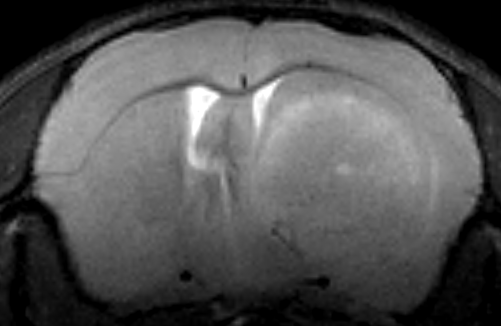
T2-weighted MRI image of a mouse brain with a tumor
A contribution by Francis Engelhardt
The background
Glioblastoma is the most common and most aggressive primary malignant brain tumor in adults. Despite numerous therapeutic approaches, the prognosis for patients is very poor. The estimated 5-year survival rate is only around 7%. All the greater the motivation to continue research! I have been working on my dissertation project at the Institute of Anatomy for three years, in which I am investigating the influence of SAMHD1 (sterile alpha motif & HD domain-containing protein 1) on the tumor microenvironment of glioblastomas. SAMHD1 plays an important role in cellular metabolism, immune defense and DNA repair. Clinical data suggest that low expression of the gene is associated with a more favorable prognosis in glioblastoma patients.
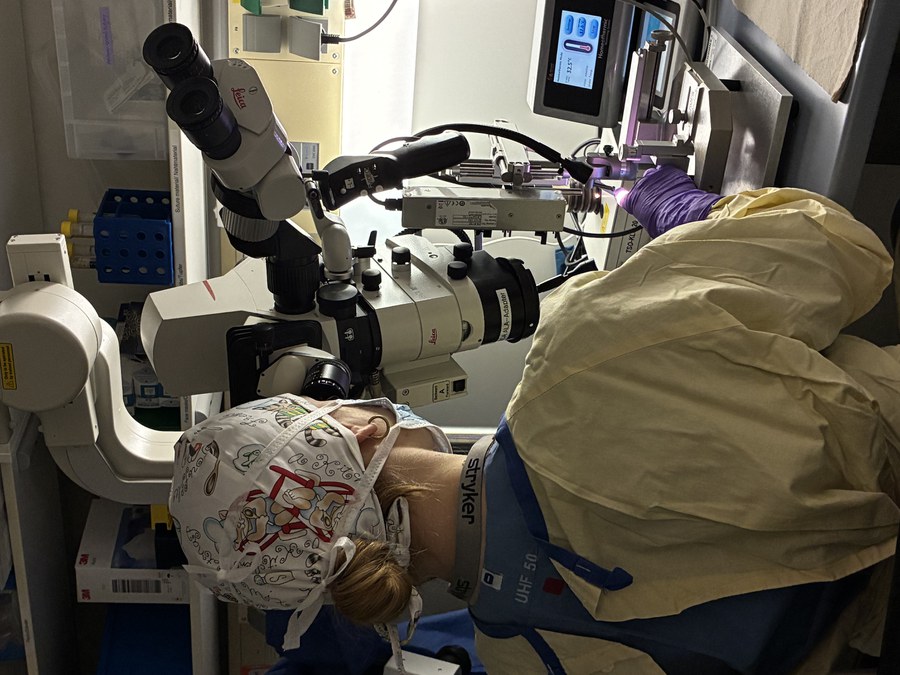
At the surgical microscope
The experimental approach and results to date
To investigate the influence of SAMHD1 specifically in glioblastoma, two loss-of-function tumor models were used: Knock-out (KO) of SAMHD1 was performed in the tumor cells of the affected animals on the one hand and in the tumor-bearing host animals themselves on the other hand. The cells were implanted stereotactically as part of a "mini-surgery" under the microscope. Tumor growth was monitored using small animal MRI. The central focus of the project is on the analysis of the immune response caused by the tumor.
After completion of the animal experiment and tissue removal, this was analyzed using immunohistochemistry and flow cytometry, among other methods. Our hypothesis is that low expression or KO of the SAMHD1 gene triggers an enhanced inflammatory and immune response in the tumor microenvironment. This leads to slower tumor progression, which we were actually able to prove with our experiments: A SAMHD1-KO significantly prolonged survival and led to characteristic changes in the immune response. Part of the project was funded within the framework of FOSTER, which gave me more freedom in planning the experiments and greater scientific independence.
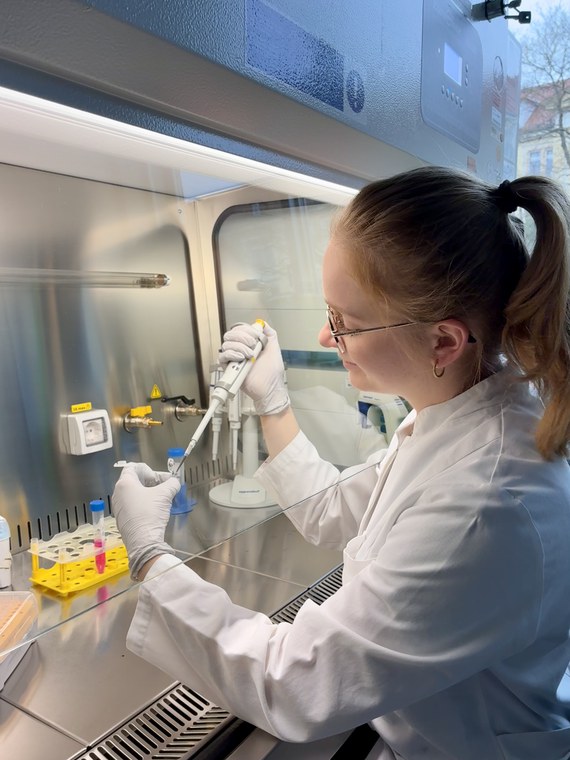
In cell culture
An outlook
In ongoing experiments, this immune response is being characterized in detail using single-cell RNA sequencing, among other methods, in order to better understand the underlying pathomechanisms. Based on this, possible new therapeutic approaches for glioblastoma could be identified.