
Prof. Dr. Miki Ebisuya
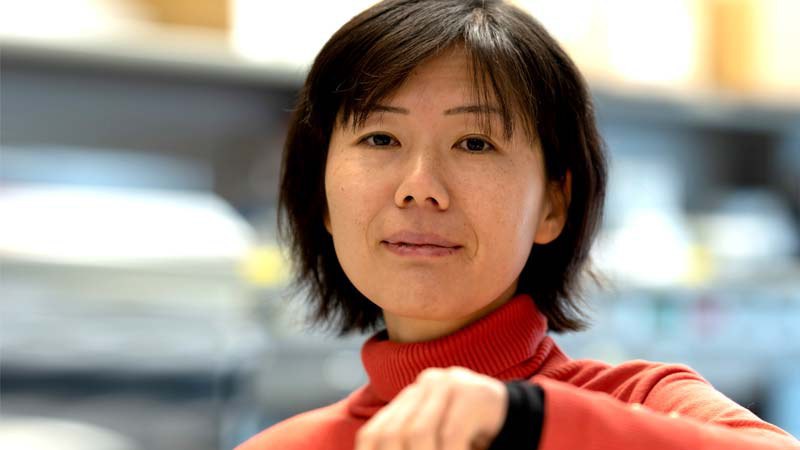
Schon als Kind begeisterte sich Prof. Dr. Miki Ebisuya für Tiere. In der High School begegnete ihr das Buch „Elephant Time, Mouse Time“ von Tatsuo Motokawa. Es untersucht den Zusammenhang zwischen der Größe eines Tieres und seiner biologischen Zeit. Doch beleuchtete es nicht die molekularen Mechanismen dahinter. "Ich erinnere mich, dass ich dachte: 'Ich würde dieses Rätsel gerne eines Tages lösen.'" Während des Studiums fand sie dann auch ihre Faszination für das Aufstellen und Testen von Hypothesen. Die Entscheidung den Weg einer Wissenschaftlerin einzuschlagen, fühlte sich für Ebisuya demnach sehr natürlich an.
Zur Zeit ihrer Entscheidung für den Weg einer wissenschaftlichen Karriere, gewann die Stammzellenforschung an Popularität. Ebisuya dachte: „Das könnte der perfekte Zeitpunkt sein, um mich mit der Frage aus „Elephant Time, Mouse Time“ zu beschäftigen“
Im Exzellenzcluster Physics of Life der TUD erforscht sie zusammen mit ihrer Gruppe, was den Takt der biologischen Entwicklungsgeschwindigkeit bestimmt. Jedes Tier lebt nach seinem eigenen und einzigartigen Zeitplan, doch welche Mechanismen hinter diesen artspezifischen Zeiträumen liegen, ist noch weitgehen unbekannt. "Um dieses Rätsel zu erforschen, erzeugt unsere Gruppe aus Stammzellen embryonale Gewebe und vergleicht, wie sich die biologische Zeit bei verschiedenen Arten entwickelt." Die Besonderheit ihrer Forschung ist der Stammzellzoo, der neben Stammzellen des Menschen und der Maus, auch Stammzellen von Affen, Kühen, Kaninchen und Nashörnern umfasst.
Für ihre Forschung erhielt Prof. Dr. Ebisuya 2019 den japanischen Preis für exzellente Nachwuchsforscherinnen und 2020 einen ERC Consolidator Grant. Im Jahr 2023 erhielt sie die Auszeichnung der Humboldt-Professur, der höchstdotierteste internationale Forschungspreis Deutschlands.
„Forschung kann schwierig sein und verläuft selten wie geplant, aber sie bringt auch Momente unglaublicher Freude und Aufregung mit sich.“
Jungen Wissenschaftlerinnen würde Prof. Dr. Ebisuya zu Beginn ihrer wissenschaftlichen Karriere deswegen raten „sich frei und selbstbewusst für den Weg entscheiden, der Sie glücklich macht.“ Sich selber zu verstehen und zu wissen wo die eigenen Prioritäten liegen, erleichtert den Umgang mit Herausforderungen. „Wenn Sie sich also zu diesem Weg hingezogen fühlen, ermutige ich Sie, ihn ohne zu lange nachzudenken einzuschlagen.“
„Als Frau und Asiatin gehöre ich in der deutschen Forschungsgemeinschaft zu einer Minderheit.“ Jedoch empfindet sie dies in ihrem aktuellen Arbeitsumfeld nicht als Belastung, vielmehr als ein Ergebnis der Arbeit früherer Pionier:innen. Den Weg für kommende Generationen in der Wissenschaft vielfältig zu gestalten, sieht sie als ihre Aufgabe und Verpflichtung. „Gleichzeitig bin ich zutiefst besorgt über den weltweit zunehmenden Trend, Vielfalt abzulehnen und soziale Spaltung zu fördern.“ Prof. Dr. Ebisuya plädiert deswegen dafür, bestehende Fortschritte in sozialen und akademischen Systemen anzuerkennen und verbleibende Herausforderungen konstruktiv weiterzuentwickeln.